

Bothriechis Schlegelii
Eyelash Viper
Tropical rainforests and cloud forests, often in lowland and mid-elevation areas with abundant vegetation
Bothriechis schlegelii, known as the Eyelash Viper, exhibits a striking appearance with its slender, elongated body and vibrant coloration. Its most distinctive feature is the raised supraocular scales that resemble delicate eyelashes framing its intense, vertical pupils. The snake's body displays a mosaic of vivid greens, browns, or yellows accented by intricate patterns that blend seamlessly with its forest surroundings. A triangular head, smooth scales, and a prehensile tail complete its unique and captivating visual profile.
| Population: | Locally common in tropical forests, but vulnerable to deforestation and the pet trade |
| Generation Length: | 4-5 years |
| Average Weight: | 70-150 grams |
| Average Length: | Approximately 70-90 cm |
| Lifespan: | Approximately 12-15 years in the wild |
| Diet: | Strictly carnivorous, relying on venom to subdue prey rapidly |
| Conservation Status: | Least Concern (LC) |
In its natural habitat, the Eyelash Viper is predominantly arboreal, spending much of its time high in the forest canopy and among dense vegetation. It is a master of stealth, remaining motionless for long periods as it waits for unsuspecting prey to venture close. This ambush predator is primarily active during twilight and early morning when light conditions favor its camouflage. Its slow, deliberate movements conserve energy while ensuring it remains virtually undetectable. Furthermore, its elusive presence ensures that few ever witness its secretive routines.
The Eyelash Viper is a specialized carnivore that relies on ambush tactics to secure its meals. It primarily feeds on small mammals, birds, amphibians, and occasionally lizards. Utilizing its potent venom, the snake swiftly immobilizes its prey before consuming it whole. Its feeding strategy is energy efficient, allowing long periods of inactivity interspersed with rapid, precise strikes. This method not only maximizes nutritional intake but also minimizes energy expenditure, playing a critical role in regulating local prey populations and maintaining the ecological balance of its forest environment.
During the breeding season, the Eyelash Viper engages in solitary mating encounters where males and females come together briefly. The species is viviparous, giving birth to live young after a gestation period of approximately six to seven months. No parental care is provided, and the offspring are independent from birth, relying solely on instinct for survival.
While the Eyelash Viper is locally common in well-preserved tropical forests, its overall numbers are vulnerable to deforestation and habitat fragmentation. Although populations remain stable in remote areas, increasing human encroachment and the pet trade pose significant risks. Ongoing conservation efforts are essential to safeguard its natural habitat and ensure the species continues to thrive in its native ecosystem.
Classifications
The Key Attributes
Features
- Movement:
Slithers silently through the undergrowth and climbs low branches with ease.
- Territorial Behavior:
Generally solitary and non-territorial.
- Speed:
Moderate, with rapid bursts when striking prey.
- Diet:
Carnivorous, preying on small mammals, birds, amphibians, and lizards.
- Physical Features:
- Distinctive raised supraocular scales that resemble delicate eyelashes
- Vibrant, patterned body in shades of green, brown, or yellow
- Triangular head with smooth, glossy scales
- Prehensile tail aiding in arboreal locomotion
- Primary Senses:
- Sight
- Smell
- Heat detection
Understanding Habitat and Range
Geography
- Habitat:
Tropical rainforests and cloud forests, often in lowland and mid-elevation areas with abundant vegetation
- Migration Patterns:
Non-migratory; remains within its established forest territory.
- Geographical Range:
Found from southern Mexico to Ecuador in Central and South America.
- Climate Preferences:
Tropical, humid climates with consistent rainfall and warm temperatures.
Navigating the Wilderness
In the wild
- Predators:
Larger birds of prey and mammalian carnivores may target juveniles.
- Prey:
Small mammals, birds, amphibians, and lizards.
- Feeding Behavior:
Employs ambush tactics, remaining motionless until prey comes within striking distance.
- Diet:
Strictly carnivorous, relying on venom to subdue prey rapidly
- Defensive Mechanisms:
- Camouflage in leafy environments
- Venomous bite and rapid strike to deter threats
- Preferred Food Sources:
- Small vertebrates and amphibians
Insights Into Reproduction
Mating
- Mating System:
Solitary outside the breeding season; individuals meet briefly for mating.
- Number of Offspring:
Typically 4-12 offspring per litter
- Incubation Period:
Viviparous reproduction with a gestation period of approximately six to seven months.
- Parental Involvement:
- No parental care is provided after live birth.
Youngsters Section
Eyelash Viper
Fun Fact
The Eyelash Viper is famed for its striking 'eyelash' scales and vibrant, patterned body that make it one of the most visually captivating snakes.
Its ability to remain motionless for extended periods while ambushing prey, combined with its viviparous reproduction and unique appearance, has made the Eyelash Viper a subject of fascination among herpetologists and snake enthusiasts worldwide.

Download word search puzzles
Word Search Puzzles


Check Out Other Reptiles
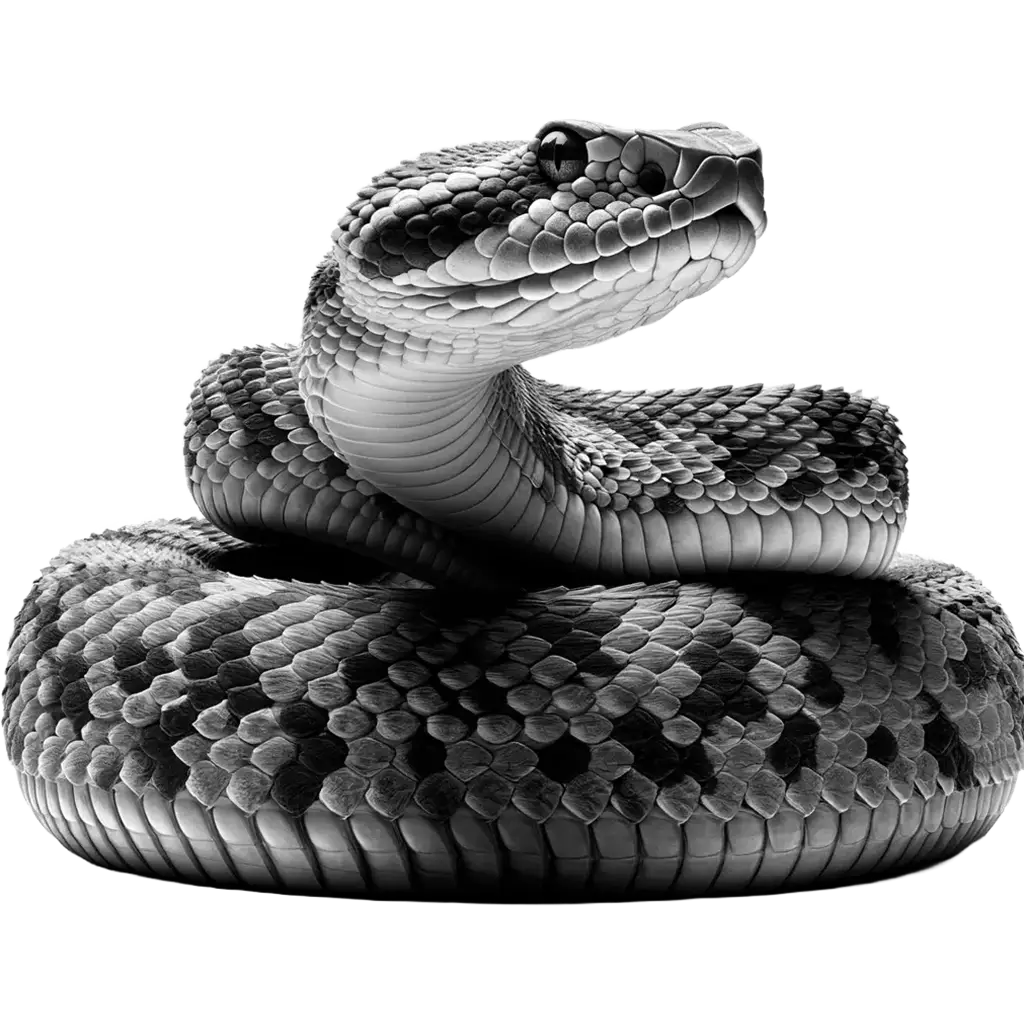
The Mojave Rattlesnake, crotalus scutulatus, often referred to as the 'Mojave Green' due to the greenish hue of its scales, is a highly venomous snake native to the desert regions of the southwestern United States and central Mexico. This rattlesnake is recognized by its distinctive diamond-shaped pattern along its back,

The Jewelled Chameleon, furcifer campani, is a striking species of chameleon endemic to the central highlands of Madagascar, particularly known for its vibrant colors and ornate appearance. Adults can grow to a length of approximately 20 to 23 centimeters, including the tail. This species exhibits a remarkable array of colors,
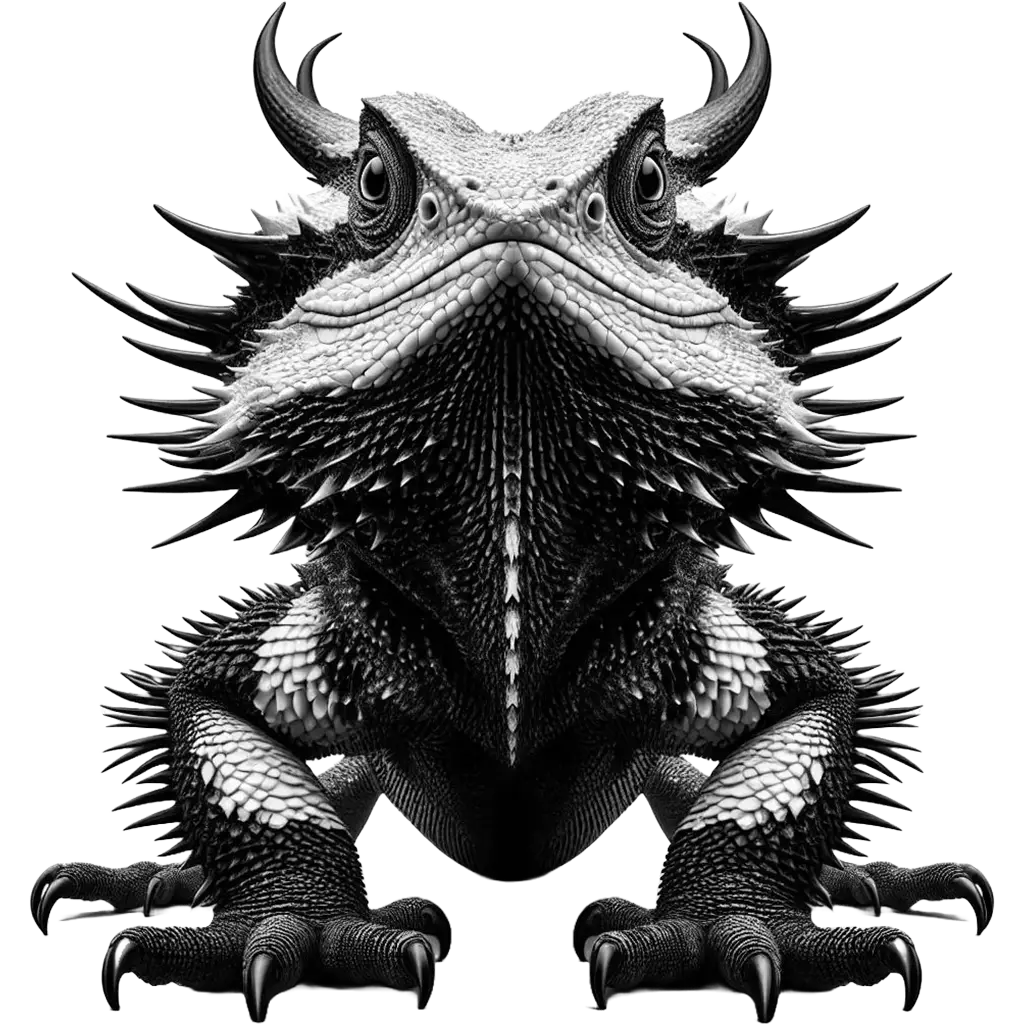
The Giant Horned Lizard, phrynosoma asio, is a remarkable reptile known for its distinctive appearance, featuring an array of sharp horns that adorn its head and sides, providing an effective deterrent against predators. This species is the largest of the horned lizards, with adults reaching lengths of up to 15
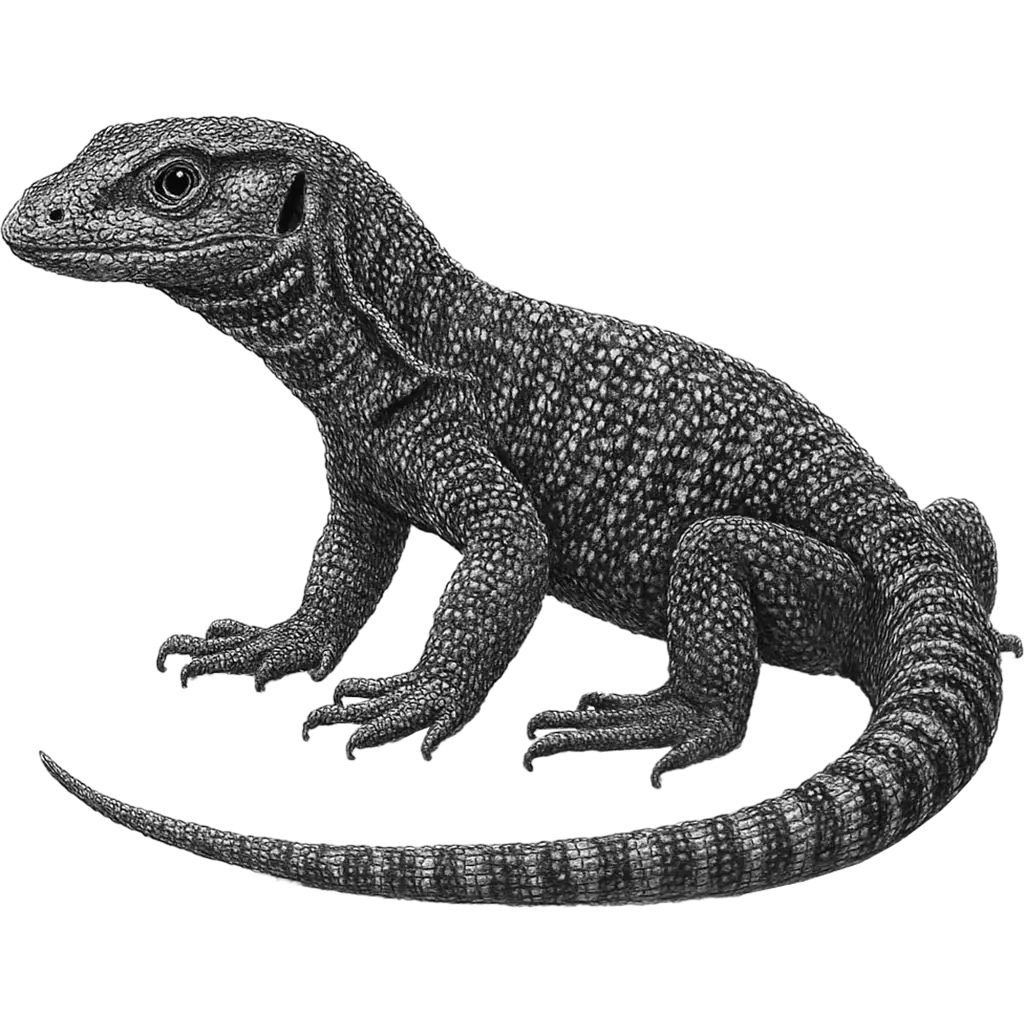
The Timor Monitor reaches up to 61 cm in total length, including a long prehensile tail that comprises two‑thirds of its body. Its dorsal coloration is dark greenish‑gray to black, adorned with bright yellow or pale blue spots that form irregular bands. The ventral surface is straw‑yellow. It has a