
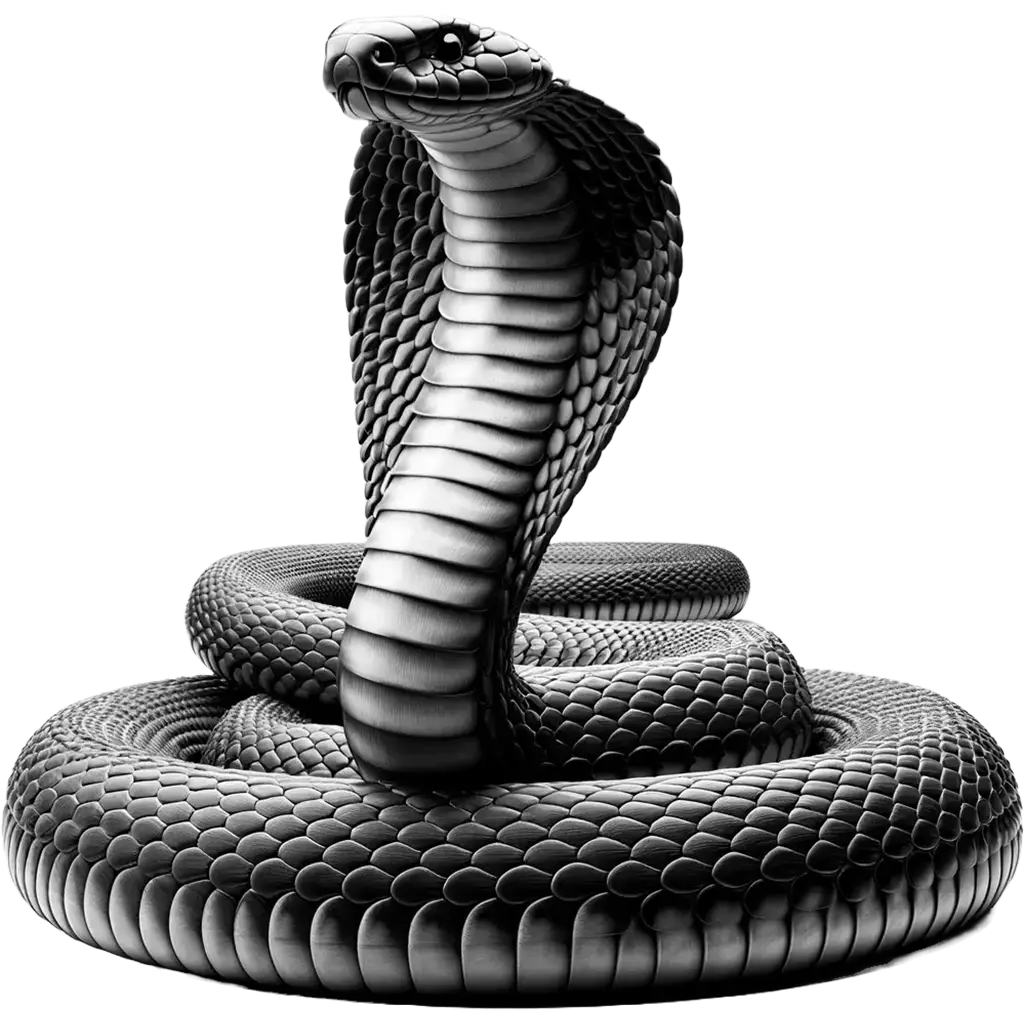
Ophiophagus Hannah
King Cobra
Tropical forests, mangroves, bamboo thickets, and high-altitude grasslands
The King Cobra, ophiophagus hannah, stands as the world's longest venomous snake, with adults typically reaching 3 to 4 meters in length, though specimens exceeding 5 meters have been recorded. Its skin color varies from dark olive to black, with light yellow bands crossing over the body, providing camouflage in its natural forested habitats. The King Cobra is distinguished by its size, hood, which it expands when threatened, and an intimidating posture that can raise the snake's head well off the ground.
| Population: | Listed as Vulnerable due to habitat destruction and poaching |
| Generation Length: | 10 years |
| Average Weight: | 6-7 kg |
| Average Length: | 3-4 meters, can reach lengths of up to 5.5 meters |
| Lifespan: | 20 years in the wild, longer in captivity |
| Diet: | Ophiophagous (snake-eating), with a preference for other serpents |
| Conservation Status: | Vulnerable (VU) |
Native to the forests of South and Southeast Asia, the King Cobra thrives in dense highland forests, bamboo thickets, mangrove swamps, and agricultural areas. It is a solitary and elusive predator, known for its intelligence and the complexity of its behavior, including the ability to recognize and avoid human territories. The King Cobra's diet is unique among snakes, as it primarily preys on other serpents, including venomous species, and occasionally lizards and rodents.
The venom of the King Cobra is neurotoxic, capable of killing a human within hours if left untreated. However, this snake is not aggressive towards humans unless provoked or cornered. Its venom is used efficiently to subdue prey, playing a critical ecological role in controlling the populations of other snakes in its habitat.
Reproduction involves a remarkable level of parental care for a snake. The female constructs a nest from leaf litter, in which she lays 20 to 40 eggs. She guards the nest diligently until the eggs hatch, which is unusual among snakes. The young are independent from birth, equipped with venom and hunting instincts to survive on their own.
The population of the King Cobra is considered vulnerable due to habitat destruction, deforestation, and human persecution. These threats, coupled with its slow reproduction rate, have led to a decline in numbers across much of its range. Conservation efforts focus on habitat protection, anti-poaching measures, and public education to reduce fear and misunderstanding of this majestic but misunderstood species.
Classifications
The Key Attributes
Features
- Movement:
Slithering, climbing, swimming
- Territorial Behavior:
Solitary and highly territorial
- Speed:
Fast and agile in its movement
- Diet:
Carnivore
- Physical Features:
- Elongated body with smooth scales
- Distinctive hood with characteristic markings, expanded as a threat display
- Long, agile, and muscular body capable of raising a significant portion of its length upright
- Sharp fangs with a potent venomous bite
- Primary Senses:
- Sight
- Smell
- Vibration sensitivity
Understanding Habitat and Range
Geography
- Habitat:
Tropical forests, mangroves, bamboo thickets, and high-altitude grasslands
- Migration Patterns:
Non-migratory, with established home ranges
- Geographical Range:
Southeast Asia, including India, China, Indonesia, and the Philippines
- Climate Preferences:
Prefers humid tropical and subtropical environments
Navigating the Wilderness
In the wild
- Predators:
Few natural predators; mainly humans due to conflict and poaching
- Prey:
Other snakes, lizards, small mammals, and bird eggs
- Feeding Behavior:
Preys primarily on other snakes, including venomous species, and occasionally lizards, eggs, and small mammals
- Diet:
Ophiophagous (snake-eating), with a preference for other serpents
- Defensive Mechanisms:
- Venomous bite to subdue prey and for self-defense
- Hood expansion and hissing as a threat display to deter predators and threats
- Can be aggressive when cornered or threatened
- Preferred Food Sources:
- Areas with high snake populations and suitable hiding and hunting grounds
Insights Into Reproduction
Mating
- Mating System:
Polygynous
- Number of Offspring:
20-40 eggs per clutch
- Incubation Period:
60-90 days
- Parental Involvement:
- Females guard the nest and may remain with the young for a short period after hatching
Youngsters Section
King Cobra
Fun Fact
The king cobra is the longest venomous snake, reaching up to 18 feet in length.
Despite its fearsome reputation, the king cobra is shy and avoids humans. It feeds primarily on other snakes and has a potent neurotoxic venom. Its most remarkable trait is its ability to "stand up," raising a third of its body, when threatened.
Download word search puzzles
Word Search Puzzles

Check Out Other Reptiles
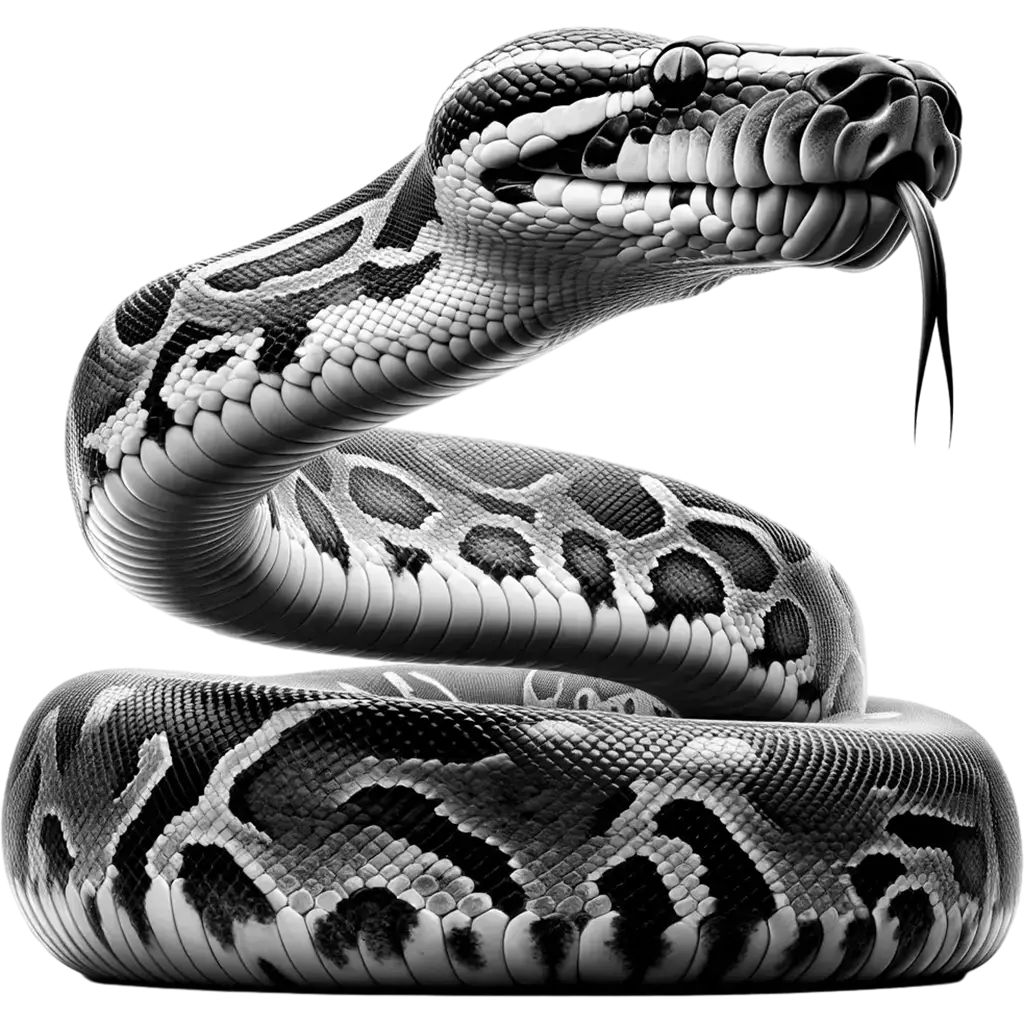
The African Rock Python, Python sebae, is a large, non-venomous snake native to sub-Saharan Africa. It is one of the largest snake species on the continent, with adults commonly reaching lengths of 3 to 4.5 meters, and some exceptional individuals exceeding 6 meters. Their skin is thick and covered in
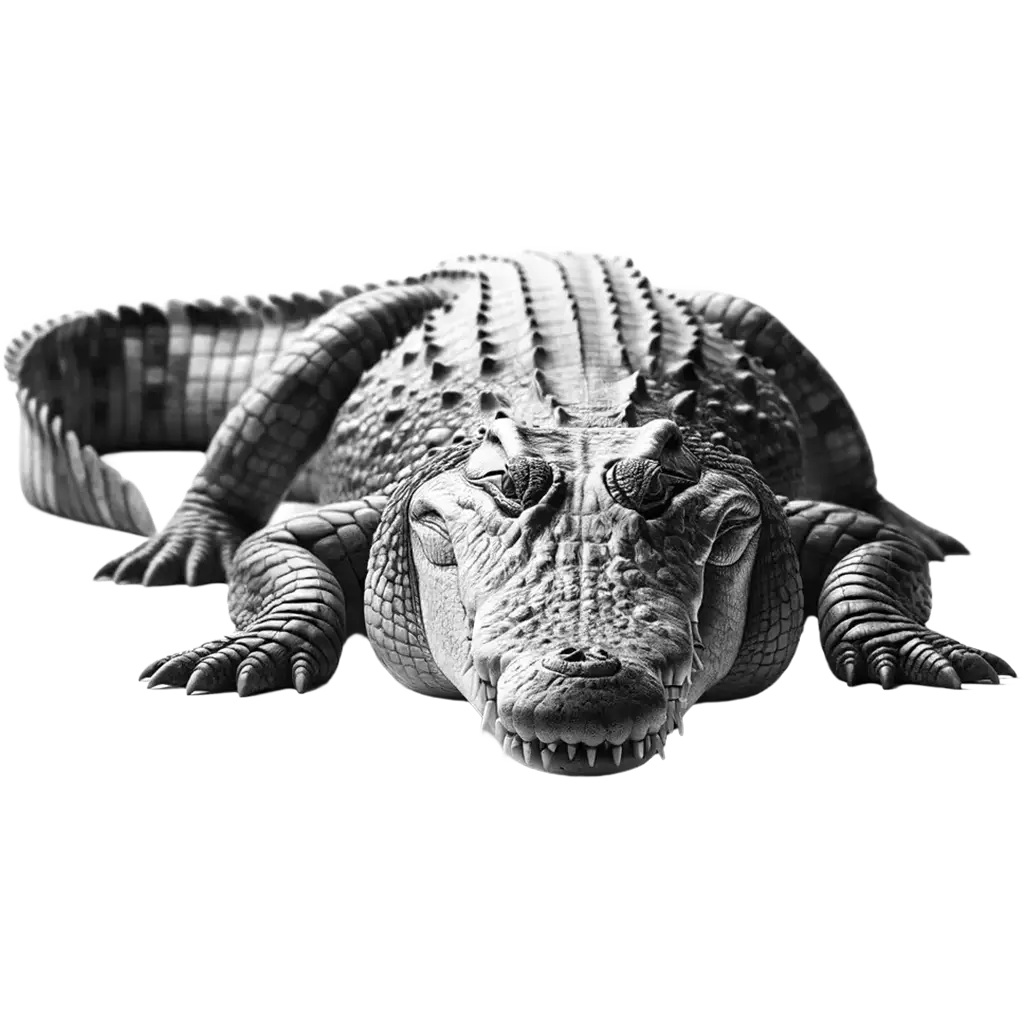
The Nile Crocodile, crocodylus niloticus, is a formidable apex predator native to freshwater habitats across Sub-Saharan Africa. This species is one of the largest crocodile species, with adult males commonly reaching lengths of up to 5 meters (16 feet) and sometimes even exceeding 6 meters (20 feet). They have a
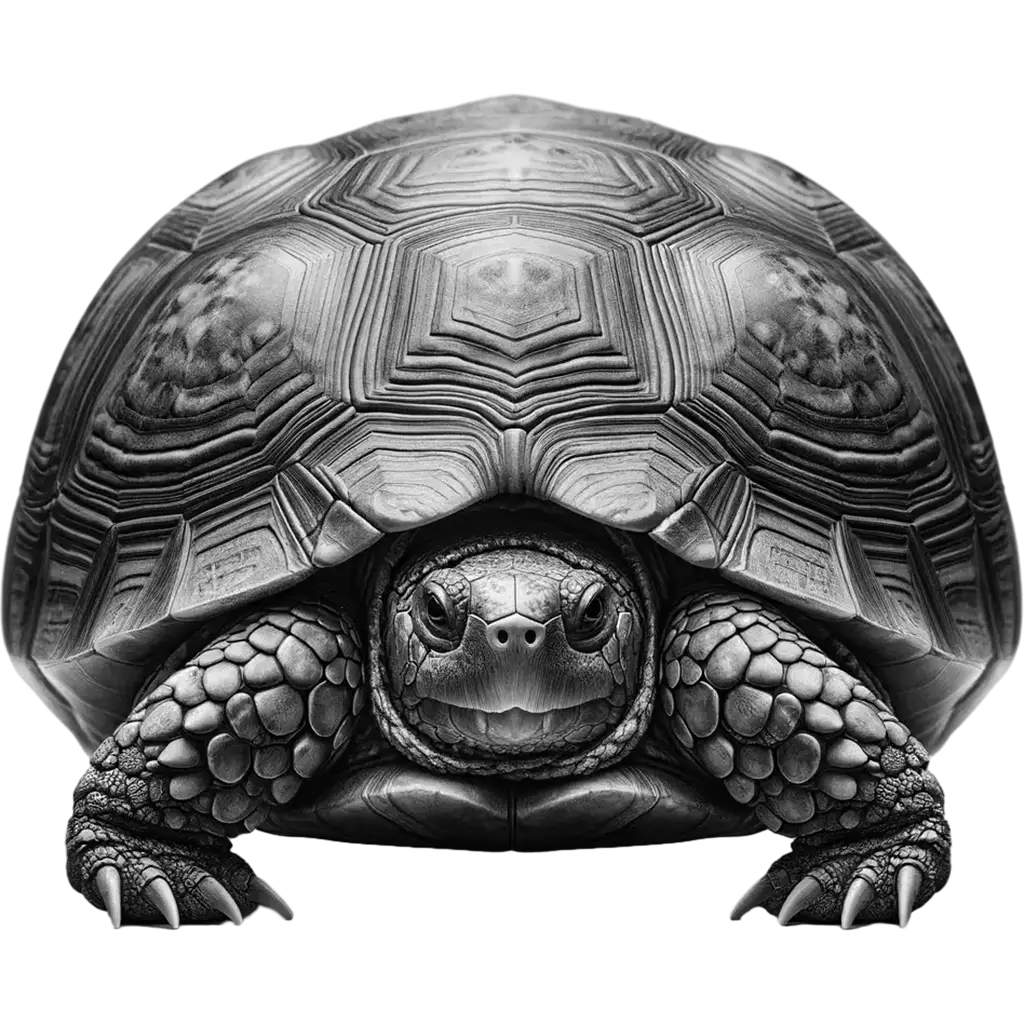
The Eastern Box Turtle, terrapene carolina carolina, is a subspecies of the common box turtle and is native to the eastern United States. This small, land-dwelling turtle is known for its highly domed carapace, which can range in color from brown to black, often adorned with bright yellow, orange, or
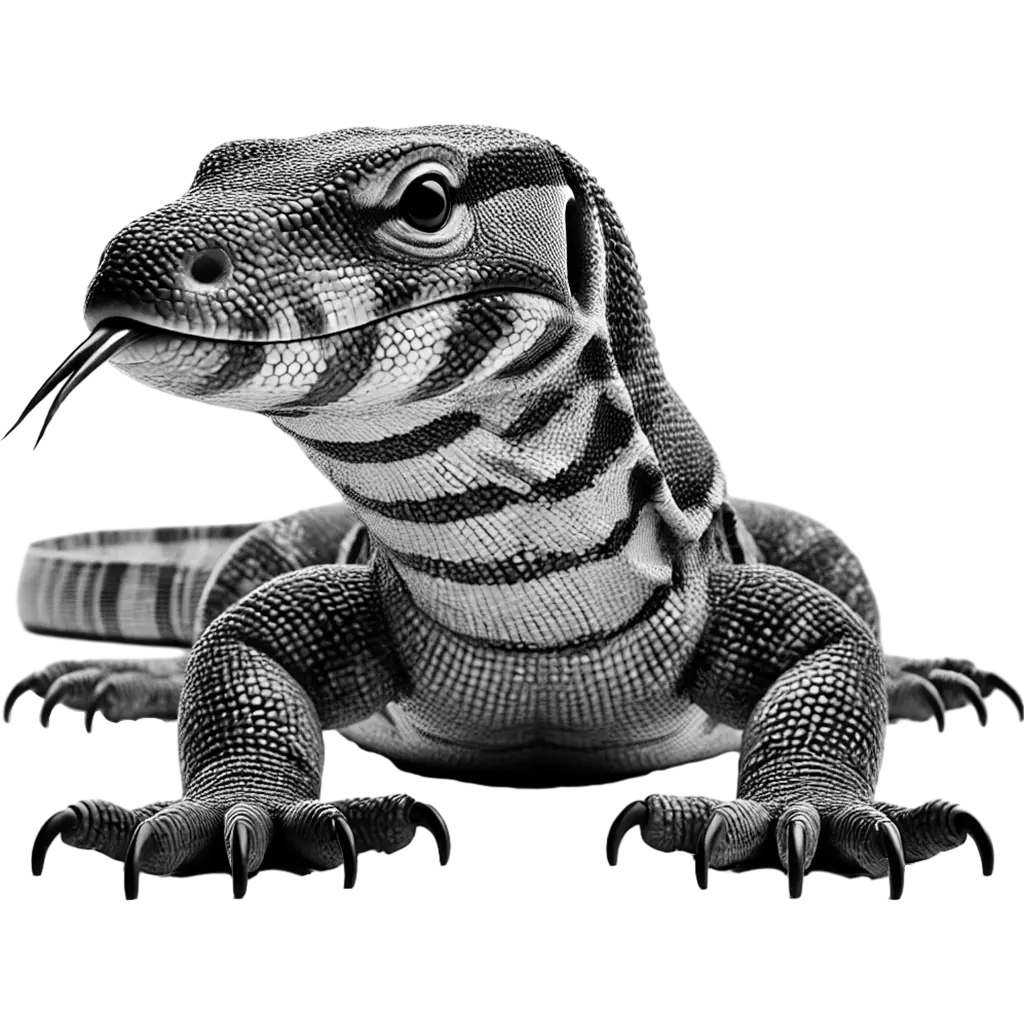
The Savannah Monitor is a medium-sized, robust reptile distinguished by its elongated body covered in rough, dark scales that blend seamlessly with the dusty savannah. Its strong, well-muscled limbs and long, tapering tail provide excellent balance and agility, while a flattened head with a prominent snout and keen, alert eyes