
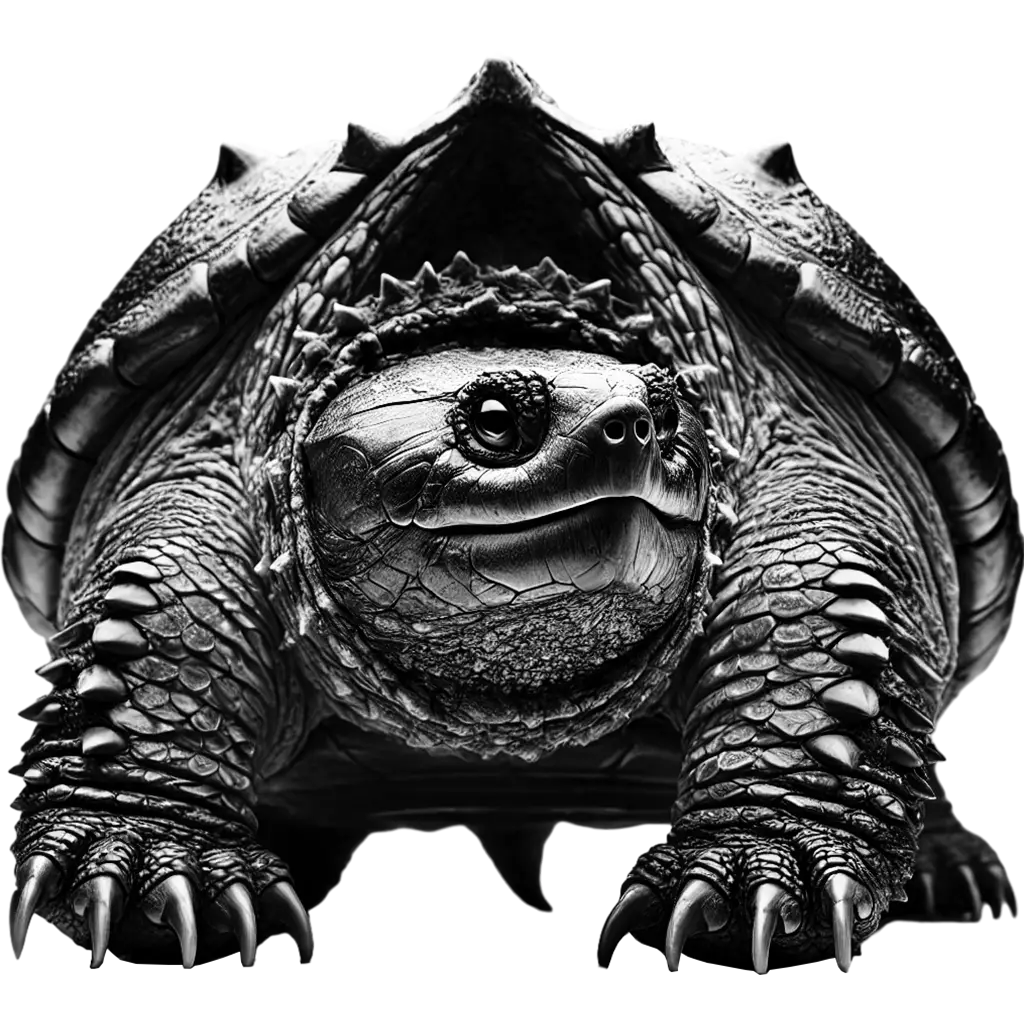
Macrochelys Temminckii
Alligator Snapping Turtle
Freshwater rivers, lakes, swamps, and bayous
The Alligator Snapping Turtle is the largest freshwater turtle in North America, recognized for its prehistoric, rugged appearance. Its shell is covered in ridged, bony scutes that resemble an alligator's skin, helping it blend into its environment. The turtle has an enormous head with powerful, hooked jaws capable of exerting an incredible bite force. Males are significantly larger than females, with some individuals weighing over 100 kg. This species is well-adapted to life underwater, with a unique worm-like lure inside its mouth to attract unsuspecting prey.
| Population: | Declining due to habitat destruction and overharvesting |
| Generation Length: | 20-30 years |
| Average Weight: | 35-80 kg (males), 10-30 kg (females) |
| Average Length: | 40-80 cm |
| Lifespan: | 50-100 years in the wild |
| Diet: | Strictly carnivorous, opportunistic feeder |
| Conservation Status: | Vulnerable (VU) |
Alligator Snapping Turtles are primarily solitary and prefer slow-moving freshwater habitats, such as rivers, swamps, and bayous. They are highly sedentary, spending most of their time submerged, waiting for prey. These turtles rarely leave the water, except for females when they lay eggs. Their movement on land is slow and cumbersome, but they are surprisingly agile in the water. They are known for their extreme patience, using ambush tactics to catch prey rather than actively chasing it.
Carnivorous by nature, the Alligator Snapping Turtle relies on its ingenious hunting strategy. It lies motionless at the bottom of the water with its mouth wide open, revealing its pink, worm-like appendage that wiggles to lure in fish. When an unsuspecting prey approaches, the turtle snaps its jaws shut with extraordinary speed and force. In addition to fish, it preys on amphibians, small mammals, and even other turtles. It will also scavenge carrion when the opportunity arises.
Mating occurs in spring, with females laying eggs in sandy or soft-soil areas near the water's edge. They bury their eggs, but unlike some reptiles, they do not guard the nest. The incubation period lasts around 100-140 days, with the sex of the hatchlings determined by temperature. Hatchlings are vulnerable to predators such as raccoons, birds, and fish. Once they reach adulthood, they have few natural threats aside from humans.
The Alligator Snapping Turtle population has been declining due to habitat destruction, overharvesting for meat, and illegal poaching for the pet trade. Conservation efforts focus on habitat protection, breeding programs, and legal restrictions on hunting. Many states in the U.S. have implemented protective laws to prevent further population loss, but illegal trade remains a significant threat to their survival.
Classifications
The Key Attributes
Features
- Movement:
Quadrupedal on land, powerful swimmer in water
- Territorial Behavior:
Solitary, highly territorial
- Speed:
Slow on land, moderate in water
- Diet:
Carnivore
- Physical Features:
- Large, ridged shell resembling an alligator's skin
- Massive head with powerful, hooked jaws
- Worm-like lure inside mouth for hunting
- Strong, clawed limbs for digging and gripping
- Primary Senses:
- Sight
- Smell
- Touch
Understanding Habitat and Range
Geography
- Habitat:
Freshwater rivers, lakes, swamps, and bayous
- Migration Patterns:
Non-migratory
- Geographical Range:
Southeastern United States, primarily in the Mississippi River basin
- Climate Preferences:
Temperate and subtropical freshwater environments
Navigating the Wilderness
In the wild
- Predators:
Few natural predators, but juveniles are vulnerable to birds, large fish, and raccoons
- Prey:
Fish, amphibians, small mammals, birds, crustaceans
- Feeding Behavior:
Ambush predator, luring prey with a worm-like tongue
- Diet:
Strictly carnivorous, opportunistic feeder
- Defensive Mechanisms:
- Camouflaged appearance
- Strong bite force exceeding 1,000 psi
- Retreating into water for protection
- Preferred Food Sources:
- Fish
- Snails
- Crustaceans
- Small turtles
- Carrion
Insights Into Reproduction
Mating
- Mating System:
Polygynous
- Number of Offspring:
10-50 eggs per clutch
- Incubation Period:
100-140 days
- Parental Involvement:
- Females lay eggs but provide no further care
Youngsters Section
Alligator Snapping Turtle
Fun Fact
The Alligator Snapping Turtle can remain underwater for 40-50 minutes before surfacing for air.
It has one of the strongest bites of any reptile, capable of breaking bones and even snapping wooden sticks in half. Its powerful jaws are designed to crush prey, making it a formidable predator in its environment.

Download word search puzzles
Word Search Puzzles
Check Out Other Reptiles
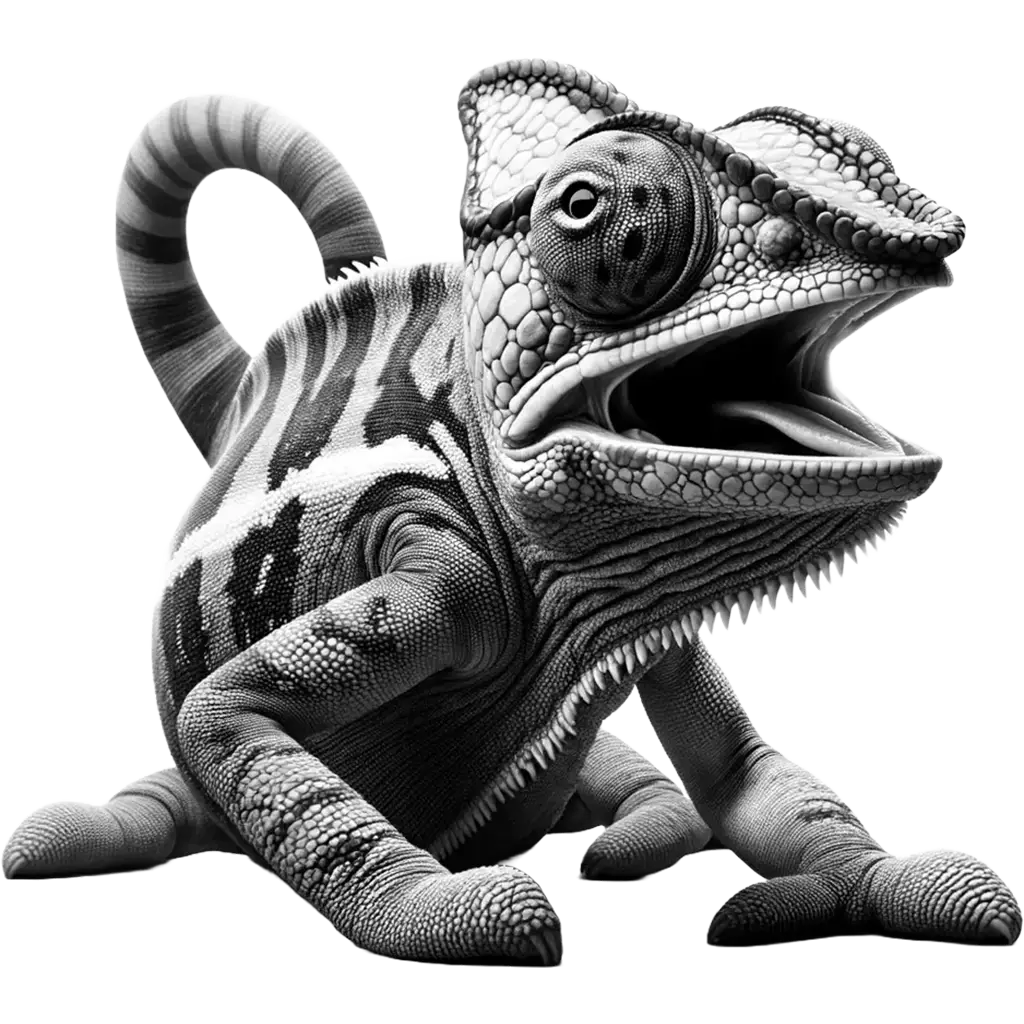
The Jewelled Chameleon, furcifer campani, is a striking species of chameleon endemic to the central highlands of Madagascar, particularly known for its vibrant colors and ornate appearance. Adults can grow to a length of approximately 20 to 23 centimeters, including the tail. This species exhibits a remarkable array of colors,
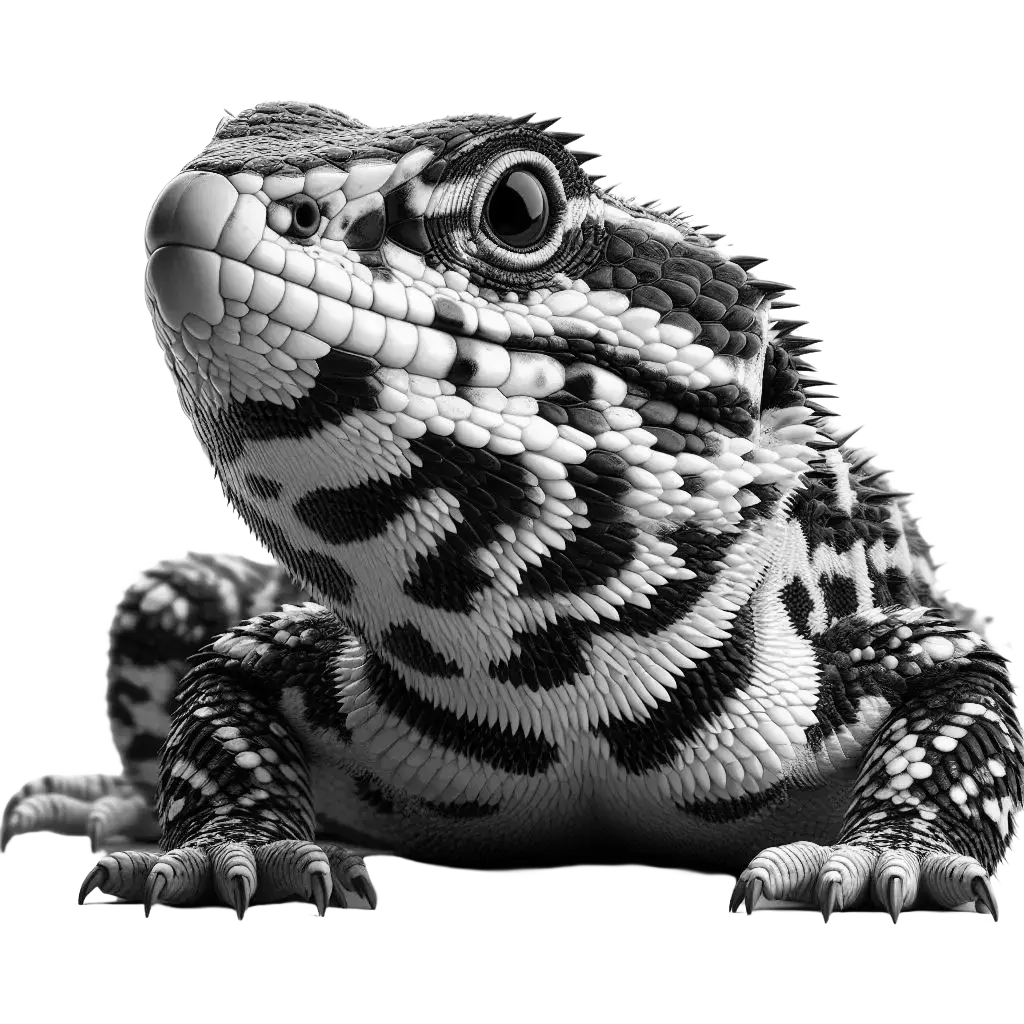
The Tuatara, sphenodon punctatus, is an extraordinary reptile endemic to New Zealand, representing the last living member of an ancient lineage that dates back over 200 million years. These creatures bear a superficial resemblance to lizards but are part of a distinct order, Rhynchocephalia, which thrived during the age of
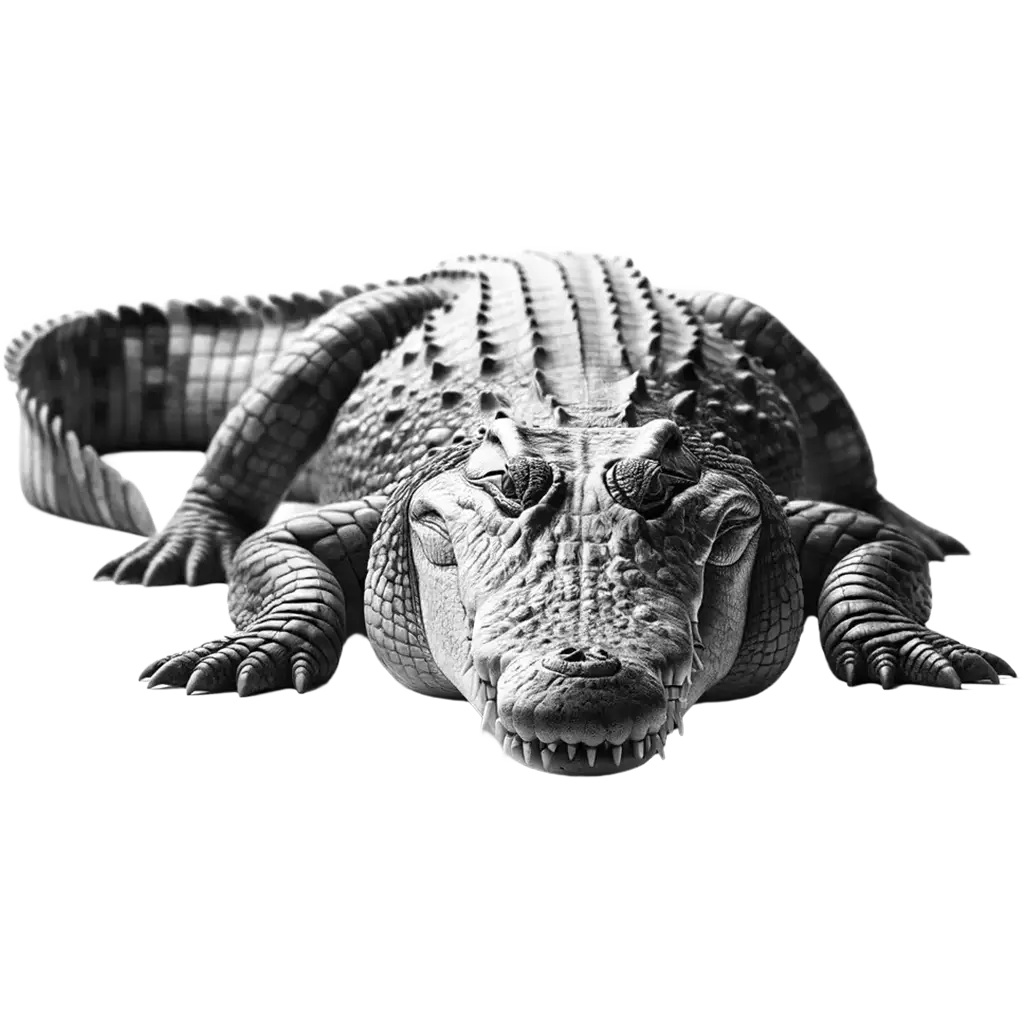
The Nile Crocodile, crocodylus niloticus, is a formidable apex predator native to freshwater habitats across Sub-Saharan Africa. This species is one of the largest crocodile species, with adult males commonly reaching lengths of up to 5 meters (16 feet) and sometimes even exceeding 6 meters (20 feet). They have a
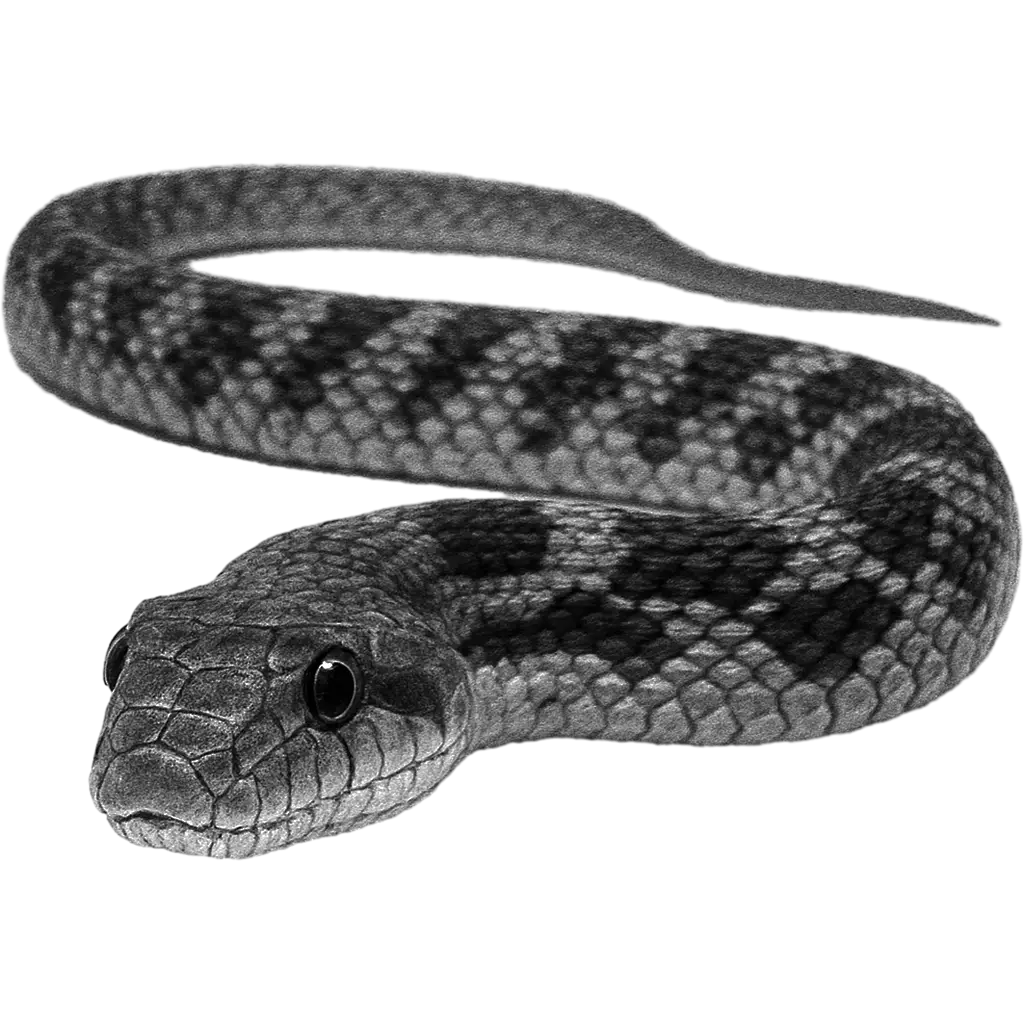
The Texas Rat Snake exhibits a slender, muscular body typically measuring between 90 and 160 centimeters in length. Its smooth, keeled scales display background hues from light gray to tan, overlaid with irregular dark blotches along the dorsum that may form crossbands. The head is slightly wider than the neck,