
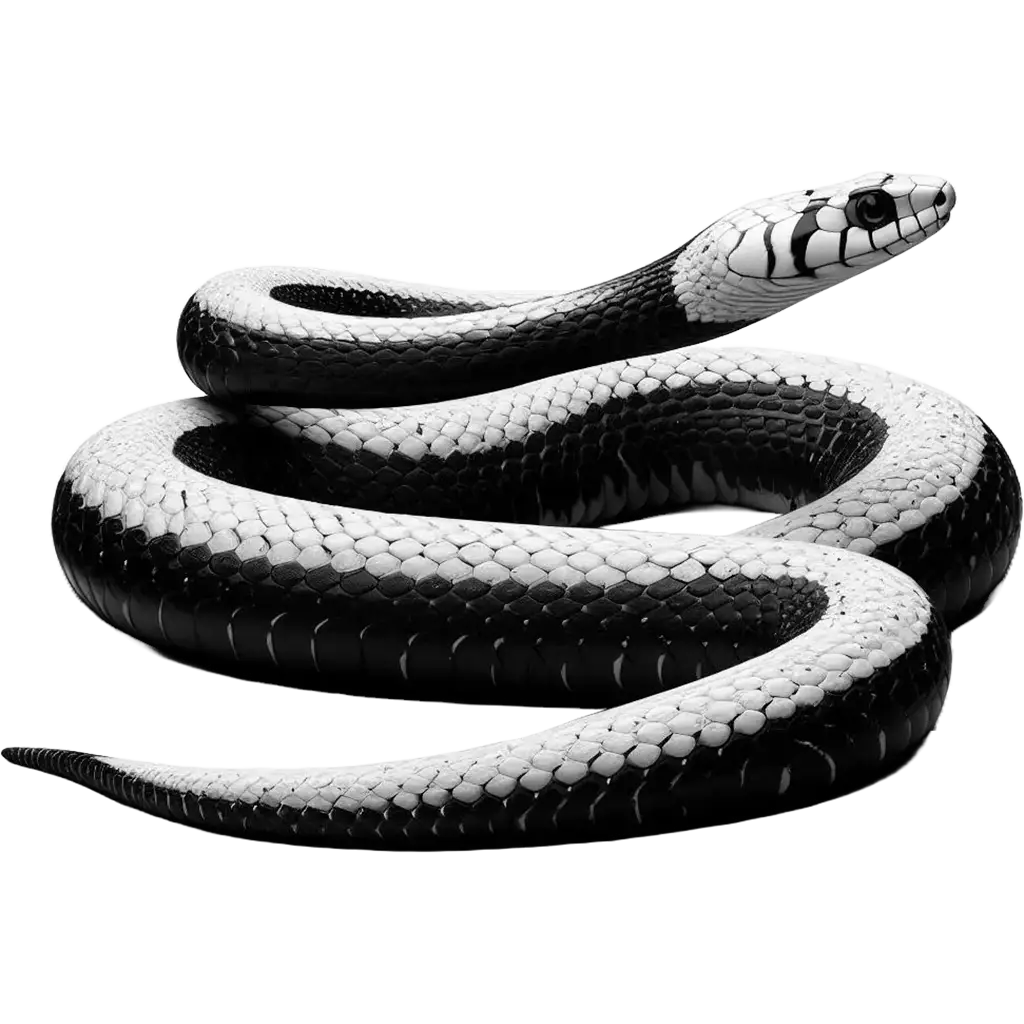
Micrurus Fulvius
Eastern Coral Snake
Woodlands, pine and scrub forests, marshes, and areas near bodies of water
The Eastern Coral Snake, micrurus fulvius, is a highly venomous snake native to the southeastern United States. Characterized by its distinctive color pattern of black, yellow, and red bands, this slender snake can reach lengths of up to 30 inches (76 cm), though most are smaller. The vivid bands serve as a warning to predators about the snake's potent venom, with a common rhyme, 'red touch yellow, kill a fellow; red touch black, venom lack,' helping to distinguish it from non-venomous mimic species. The Eastern Coral Snake has a small head, rounded snout, and smooth scales, with a black nose being a key identifying feature.
| Population: | Not precisely quantified, but not currently considered endangered |
| Generation Length: | 2-3 years |
| Average Weight: | Not widely documented; varies significantly with age and size |
| Average Length: | 50-100 cm |
| Lifespan: | 7-10 years in the wild, longer in captivity |
| Diet: | Small vertebrates |
| Conservation Status: | Least Concern (LC) |
Eastern Coral Snakes inhabit a variety of habitats, including wooded areas, marshes, and pine flatwoods, preferring moist, covered areas such as leaf litter or loose soil where they can hide. They are secretive and elusive, rarely seen by humans due to their reclusive nature and tendency to avoid confrontation. These snakes are primarily diurnal, active during the day in cooler weather, but become more nocturnal in hot summer months.
The diet of the Eastern Coral Snake mainly consists of other small snakes, lizards, and occasionally frogs. They use their potent neurotoxic venom to immobilize prey quickly, delivered through small, fixed fangs located at the front of the mouth. The venom disrupts the victim's nervous system, leading to paralysis and death, allowing the coral snake to consume its prey without struggle.
Reproduction in Eastern Coral Snakes involves oviparous (egg-laying) reproduction, with females laying 2 to 12 eggs in the late spring or early summer. The eggs are deposited in hidden, moist places like rotting logs or under leaf litter, where they incubate for two to three months before hatching. The young snakes are fully venomous at birth, equipped with venom as potent as that of adults, and receive no parental care.
The Eastern Coral Snake is considered to be of Least Concern in terms of conservation status, but like many species, it faces threats from habitat destruction and fragmentation. Its secretive nature and potent venom make it less likely to be collected for the pet trade, unlike many other exotic reptiles. Conservation efforts for the Eastern Coral Snake and its habitat are essential for maintaining the delicate balance of their ecosystems, emphasizing the importance of preserving biodiversity and natural habitats.
Classifications
The Key Attributes
Features
- Movement:
Slithering
- Territorial Behavior:
Solitary
- Speed:
Not specified; relies more on stealth than speed
- Diet:
Carnivore
- Physical Features:
- Brightly colored bands of red, yellow (or white), and black
- Small, fixed fangs in front of the mouth
- Smooth scales
- Primary Senses:
- Chemical sensing with tongue
- Sight
- Hearing through vibrations
Understanding Habitat and Range
Geography
- Habitat:
Woodlands, pine and scrub forests, marshes, and areas near bodies of water
- Migration Patterns:
Non-migratory
- Geographical Range:
The southeastern United States, including Florida, southern parts of North Carolina, and west to Louisiana
- Climate Preferences:
Warm, temperate to subtropical
Navigating the Wilderness
In the wild
- Predators:
Large birds, other snakes, and mammals
- Prey:
Small rodents, lizards, frogs, and occasionally other snakes
- Feeding Behavior:
Uses venom to immobilize prey before ingestion
- Diet:
Small vertebrates
- Defensive Mechanisms:
- Venomous bite
- Camouflage
- Fleeing into hiding when threatened
- Preferred Food Sources:
- Small rodents
- Lizards
- Frogs
Insights Into Reproduction
Mating
- Mating System:
Polygynous
- Number of Offspring:
2-12 eggs
- Incubation Period:
2-3 months
- Parental Involvement:
- No parental care after laying eggs
Youngsters Section
Eastern Coral Snake
Fun Fact
Eastern coral snakes have a distinctive color pattern of red, yellow, and black bands.
Despite their small size, they possess potent venom. They are shy and reclusive, often avoiding humans. Their warning rhyme, "Red touch yellow, kill a fellow; red touch black, venom lack," helps distinguish them from non-venomous mimics such as the scarlet kingsnake.

Download word search puzzles
Word Search Puzzles

Check Out Other Reptiles
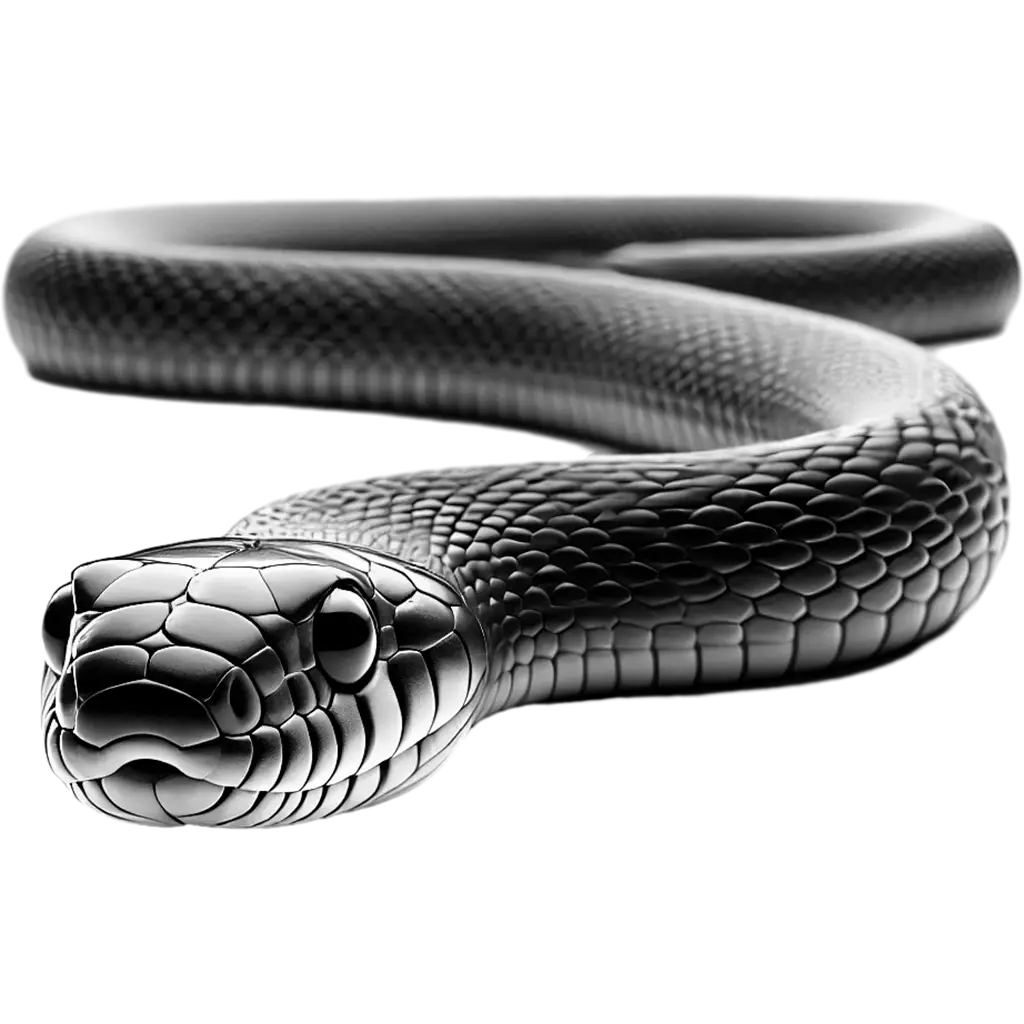
The Short-nosed Snake is a slender reptile defined by its unusually short, blunt snout and smooth, dark scales that provide exceptional camouflage among rocky outcrops. Its streamlined, agile body is perfectly adapted for a life in harsh, arid landscapes, making it appear both cryptic and striking in appearance. Active primarily
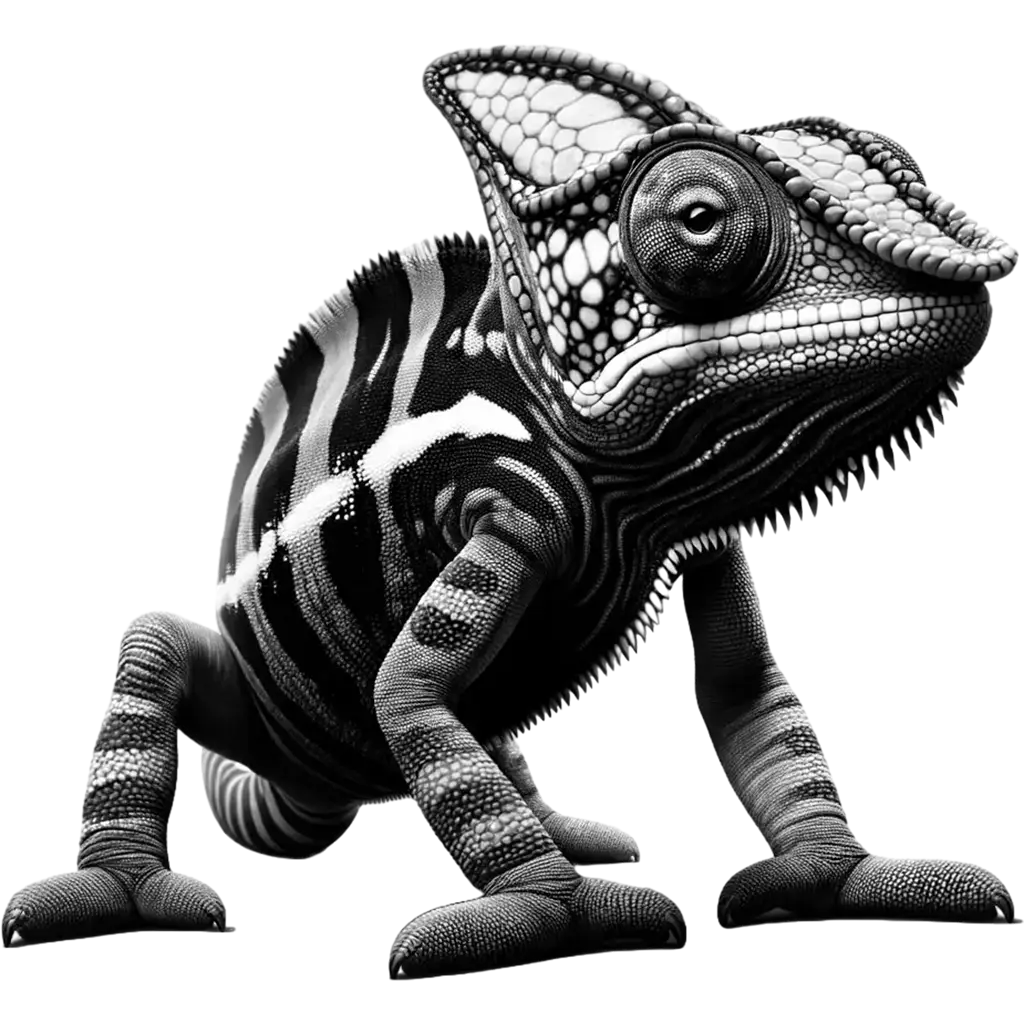
The Namaqua Chameleon, chamaeleo namaquensis, is a distinctive species of chameleon found primarily in the arid regions of southern Africa, including the Namib Desert. This species is particularly notable for its large size, with adults reaching up to 25 cm in length, making it one of the larger chameleon species.
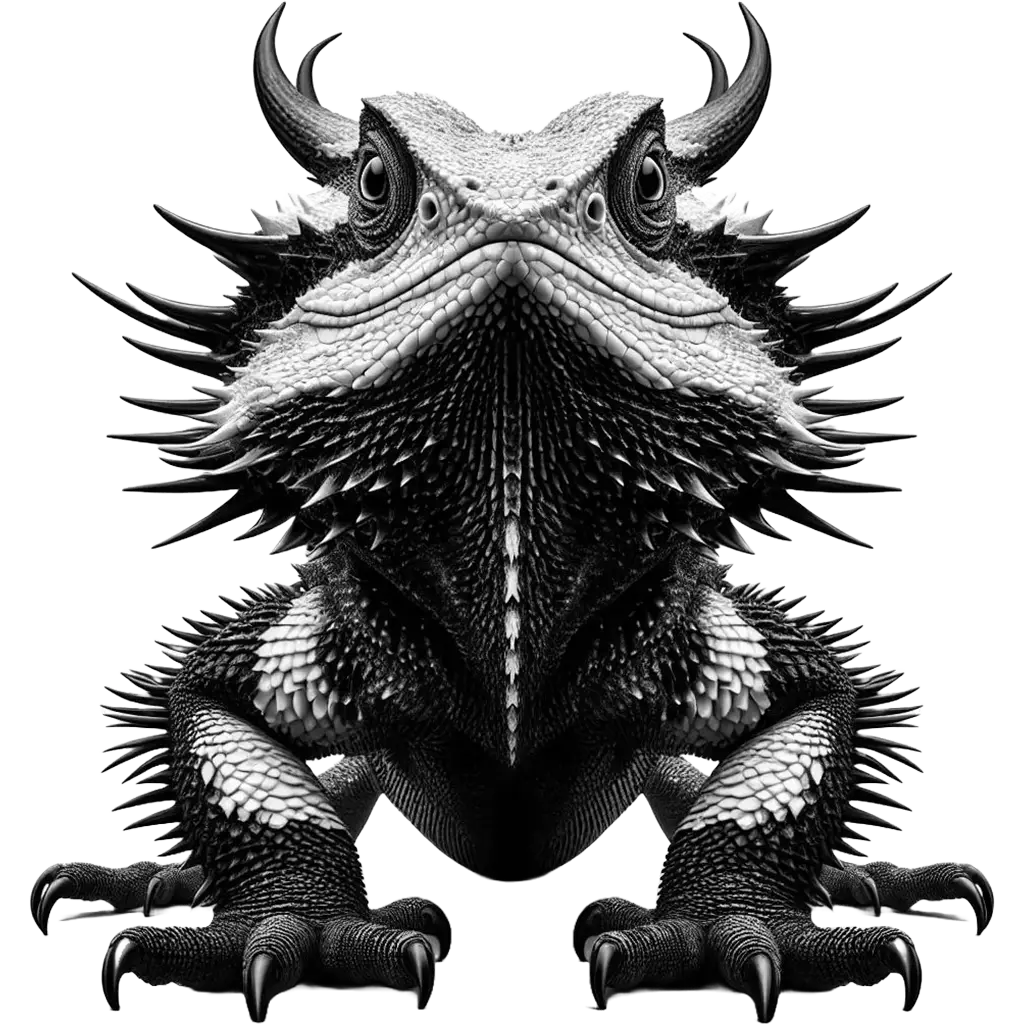
The Giant Horned Lizard, phrynosoma asio, is a remarkable reptile known for its distinctive appearance, featuring an array of sharp horns that adorn its head and sides, providing an effective deterrent against predators. This species is the largest of the horned lizards, with adults reaching lengths of up to 15
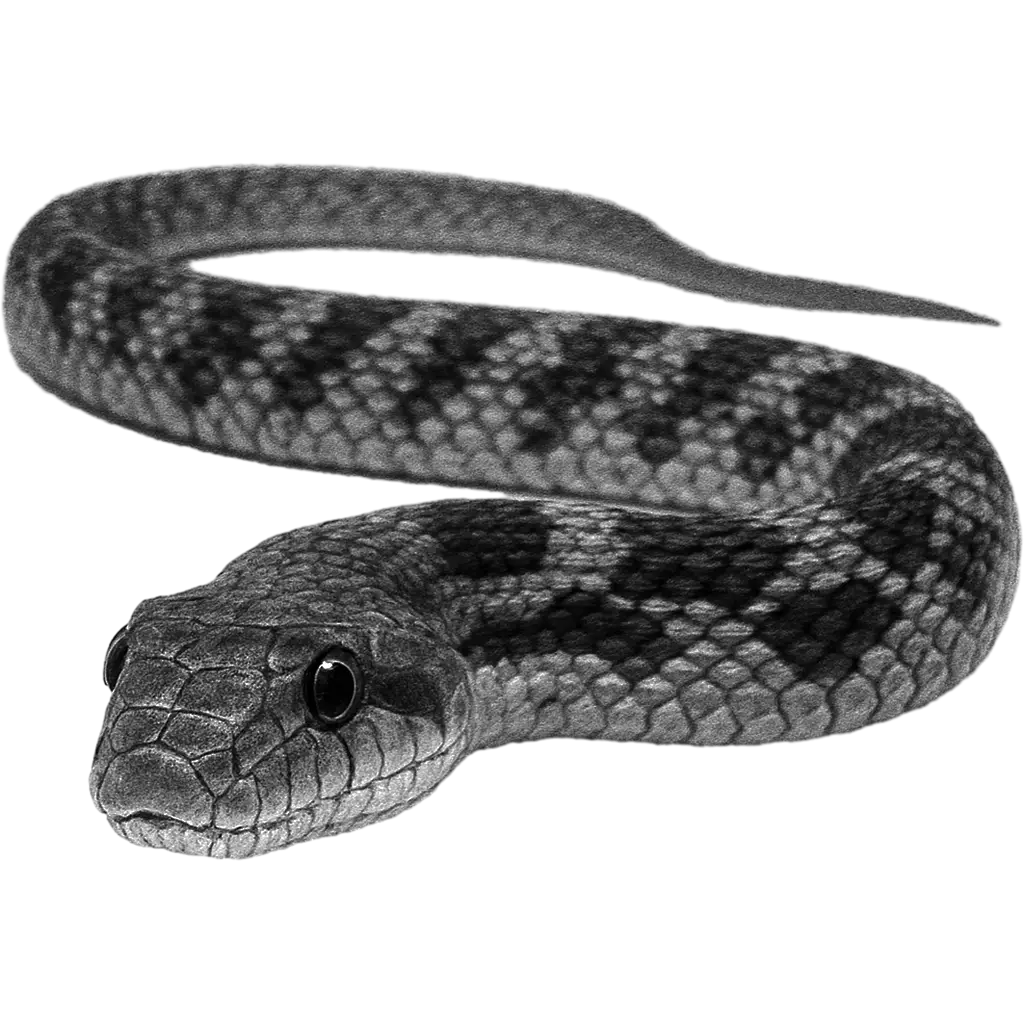
The Texas Rat Snake exhibits a slender, muscular body typically measuring between 90 and 160 centimeters in length. Its smooth, keeled scales display background hues from light gray to tan, overlaid with irregular dark blotches along the dorsum that may form crossbands. The head is slightly wider than the neck,