
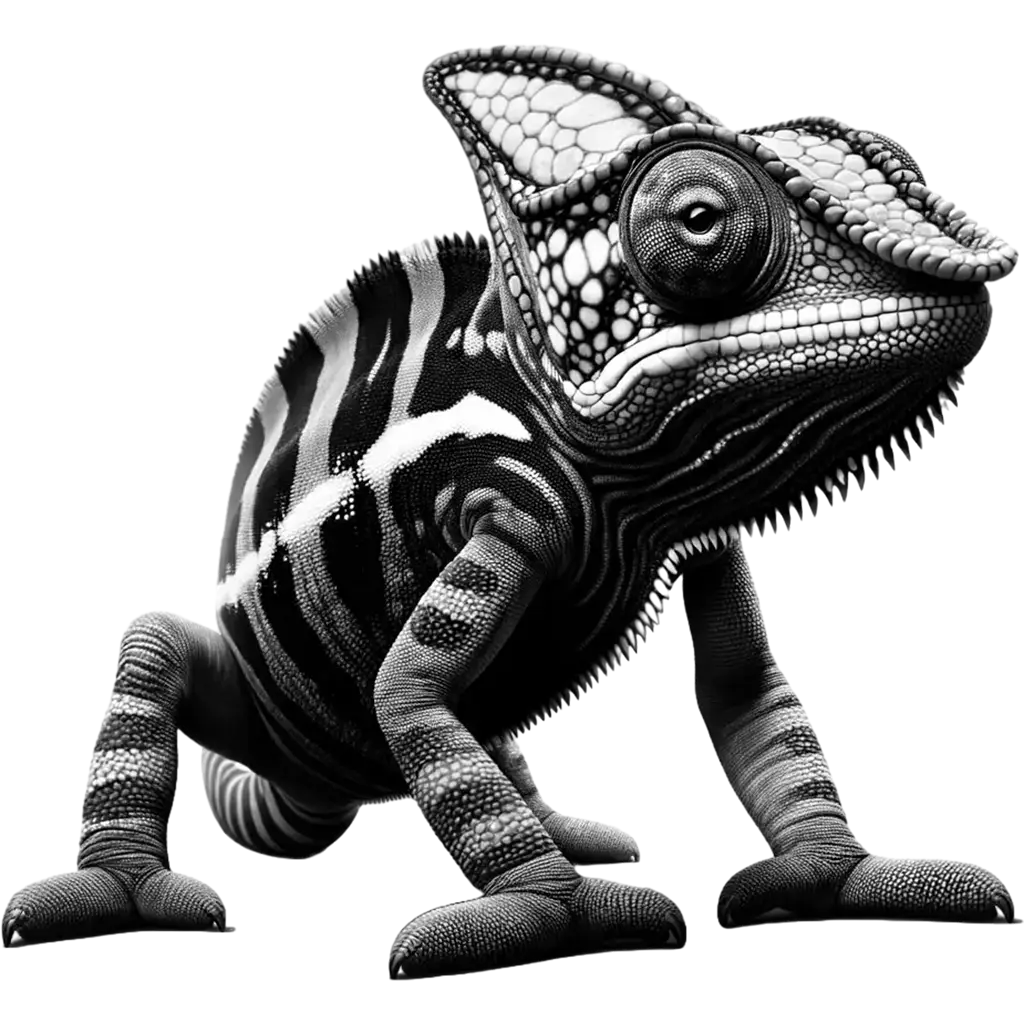
Chamaeleo Namaquensis
Namaqua Chameleon
Desert and arid regions, often with sparse vegetation
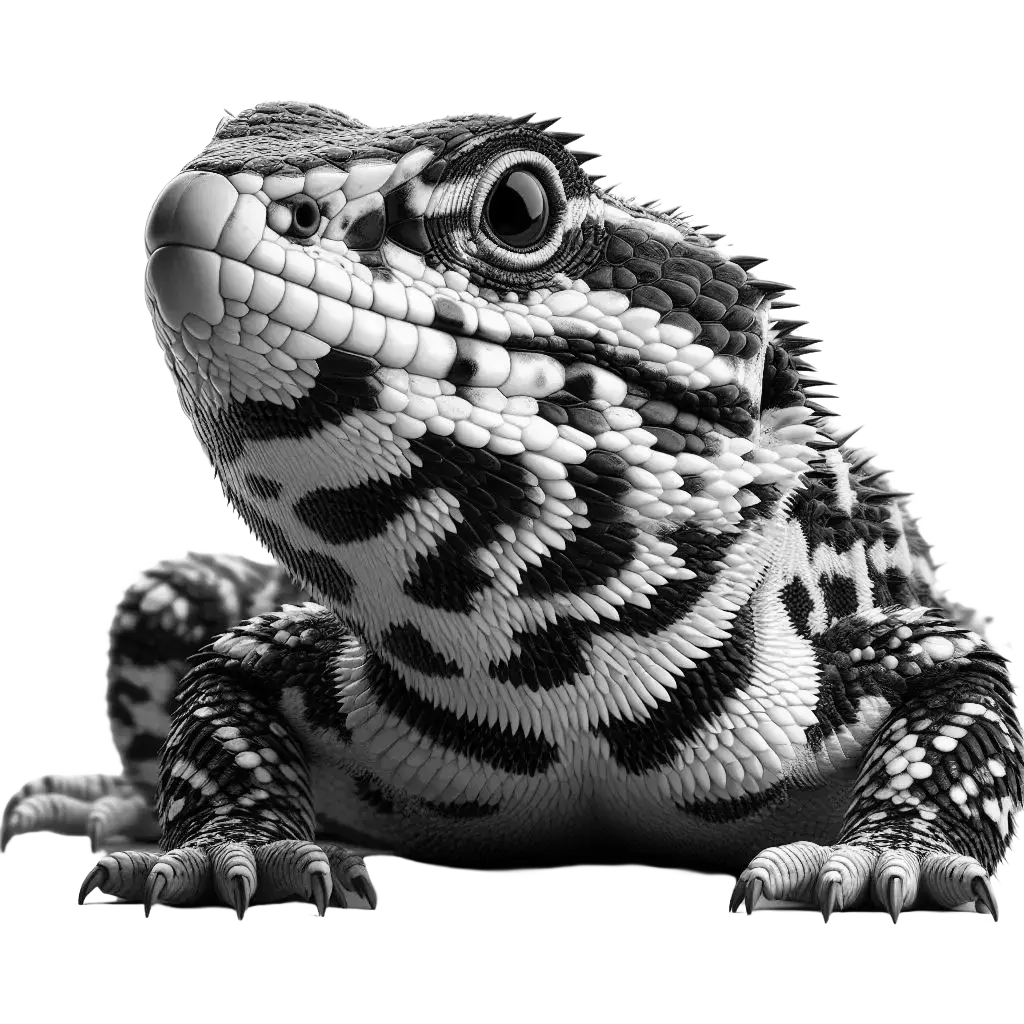
The Namaqua Chameleon, chamaeleo namaquensis, is a distinctive species of chameleon found primarily in the arid regions of southern Africa, including the Namib Desert. This species is particularly notable for its large size, with adults reaching up to 25 cm in length, making it one of the larger chameleon species. Its coloration varies from black to light gray or even turquoise, depending on its body temperature, mood, and environmental conditions. The Namaqua Chameleon has a robust body, a large head, and a prehensile tail that aids in climbing and stability.
| Population: | Not listed as endangered, but habitat and climatic changes pose potential risks |
| Generation Length: | 2-3 years |
| Average Weight: | Not well documented; estimated to be around 80-120 grams |
| Average Length: | 25-35 cm |
| Lifespan: | 5-10 years |
| Diet: | Insectivorous, with occasional small vertebrates |
| Conservation Status: | Least Concern (LC) |
Adapted to life in one of the world's most extreme environments, the Namaqua Chameleon has developed several unique adaptations. It is primarily terrestrial, spending much of its time on the ground rather than in trees, a behavior uncommon among chameleons. Its dark or light skin coloration serves as a thermoregulatory mechanism, with darker colors absorbing heat more efficiently in the cool morning and lighter colors reflecting sunlight during the hottest parts of the day.
The diet of the Namaqua Chameleon mainly consists of insects, particularly beetles and locusts, which it catches with its long, sticky tongue. It also preys on smaller lizards and occasionally plants for moisture. This chameleon is known for its ability to cover large distances in search of food, showcasing its adaptability to the sparse desert environment.
Reproduction in the Namaqua Chameleon involves the female laying clutches of 5 to 22 eggs, which she buries in the sand where they incubate for a period of 10 to 12 months. This extended incubation period is one of the longest among chameleons and is closely linked to the desert's seasonal rains, ensuring that the hatchlings emerge during times of increased food availability.
The population of the Namaqua Chameleon is not currently considered to be at risk, but it faces threats from habitat loss due to human expansion and climate change. Conservation efforts focus on habitat preservation and monitoring of population trends to ensure the species' continued survival. The Namaqua Chameleon's unique adaptations make it a key species for studying the ecological dynamics of desert environments and the impacts of environmental changes on specialized reptiles.
Classifications
The Key Attributes
Features
- Movement:
Crawling
- Territorial Behavior:
Solitary and territorial
- Speed:
Slow-moving, with deliberate movements for camouflage and hunting
- Diet:
Carnivore
- Physical Features:
- Robust body with a short tail and prominent casque on the head
- Ability to change skin color for temperature regulation and communication
- Protruding eyes that can move independently
- Long, sticky tongue for catching prey
- Primary Senses:
- Sight
- Tactile
Understanding Habitat and Range
Geography
- Habitat:
Desert and arid regions, often with sparse vegetation
- Migration Patterns:
Non-migratory
- Geographical Range:
Endemic to the arid regions of Namibia and South Africa
- Climate Preferences:
Prefers hot, dry desert environments
Navigating the Wilderness
In the wild
- Predators:
Birds of prey, snakes, and small mammals
- Prey:
Insects, spiders, lizards, and small rodents
- Feeding Behavior:
Feeds primarily on insects, spiders, and occasionally small vertebrates
- Diet:
Insectivorous, with occasional small vertebrates
- Defensive Mechanisms:
- Color change for camouflage and thermoregulation
- Staying motionless to avoid detection
- Hissing and biting if threatened
- Preferred Food Sources:
- Areas with abundant insect activity and suitable hunting grounds
Insights Into Reproduction
Mating
- Mating System:
Polygynous
- Number of Offspring:
6-24 eggs per clutch
- Gestation Period:
Lays eggs about 20-30 days after mating
- Incubation Period:
The eggs hatch after 10-12 months
- Parental Involvement:
- No parental care after laying eggs; offspring are independent from birth
Youngsters Section
Namaqua Chameleon
Fun Fact
Namaqua chameleons inhabit the arid regions of Namibia and Angola, adapting to extreme desert conditions.
These chameleons are unique for their ability to change color, not only for camouflage but also for temperature regulation and communication. Their diet is predominantly insects, and they're known to consume small lizards and other chameleons. Despite living in deserts, they can absorb water through their skin.

Download word search puzzles
Word Search Puzzles


Check Out Other Reptiles
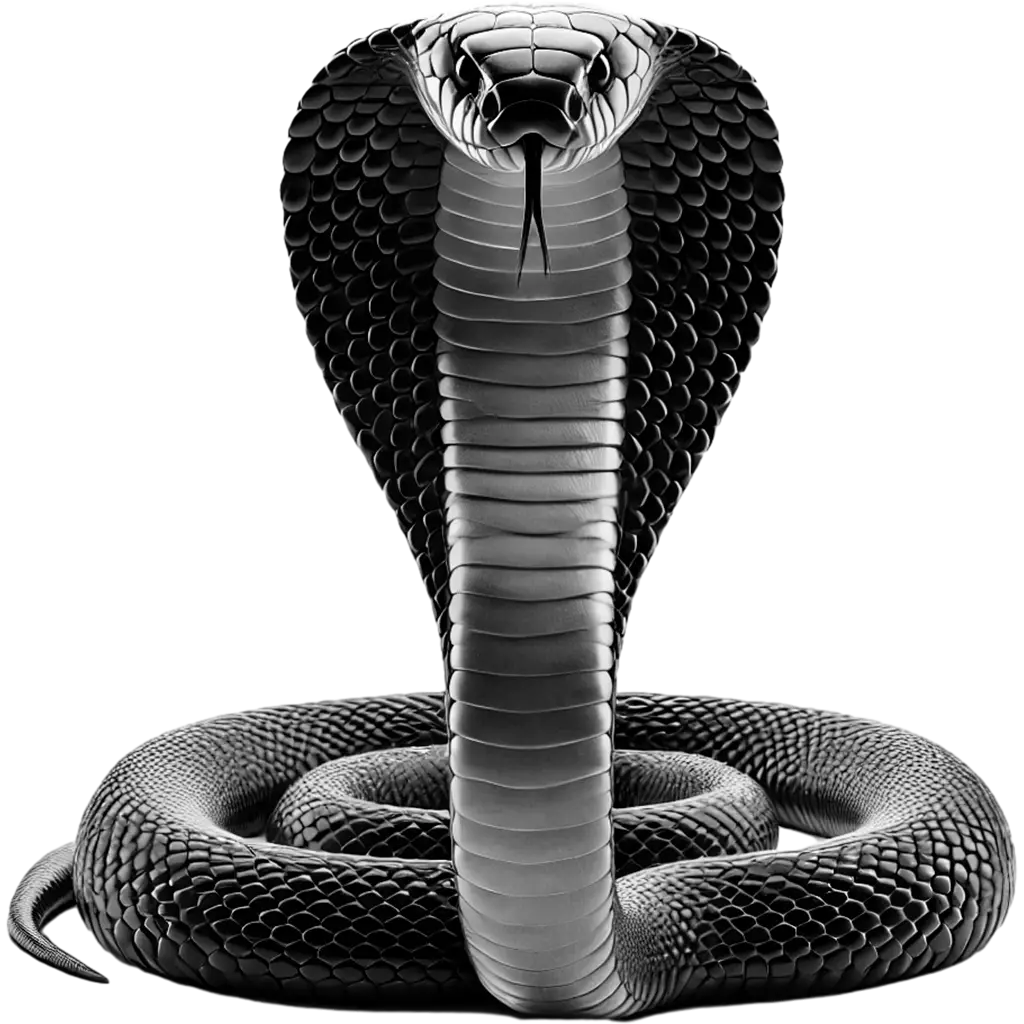
The Black-Necked Spitting Cobra displays a sleek, matte dark body accentuated by a striking glossy black band encircling its neck. Its broad, flattened head features prominent, piercing eyes and an extendable hood that flares impressively when threatened. The snake's smooth, well-defined scales and slender, muscular build give it an elegant
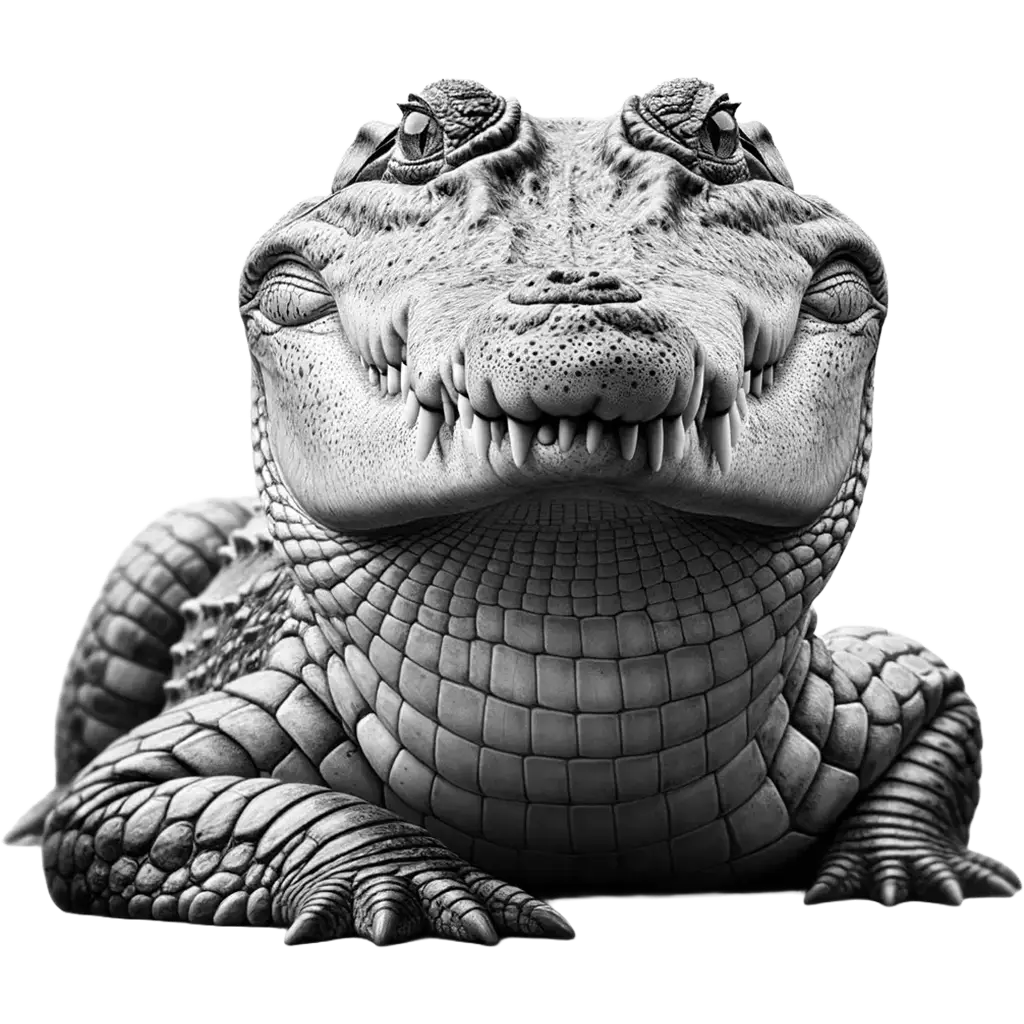
The Saltwater Crocodile, crocodylus porosus, is the largest of all living reptiles, as well as the largest terrestrial and riparian predator in the world. Males of this species can reach lengths of more than 6 meters (20 feet), with exceptional individuals exceeding 7 meters (23 feet) and weighing over 1,000
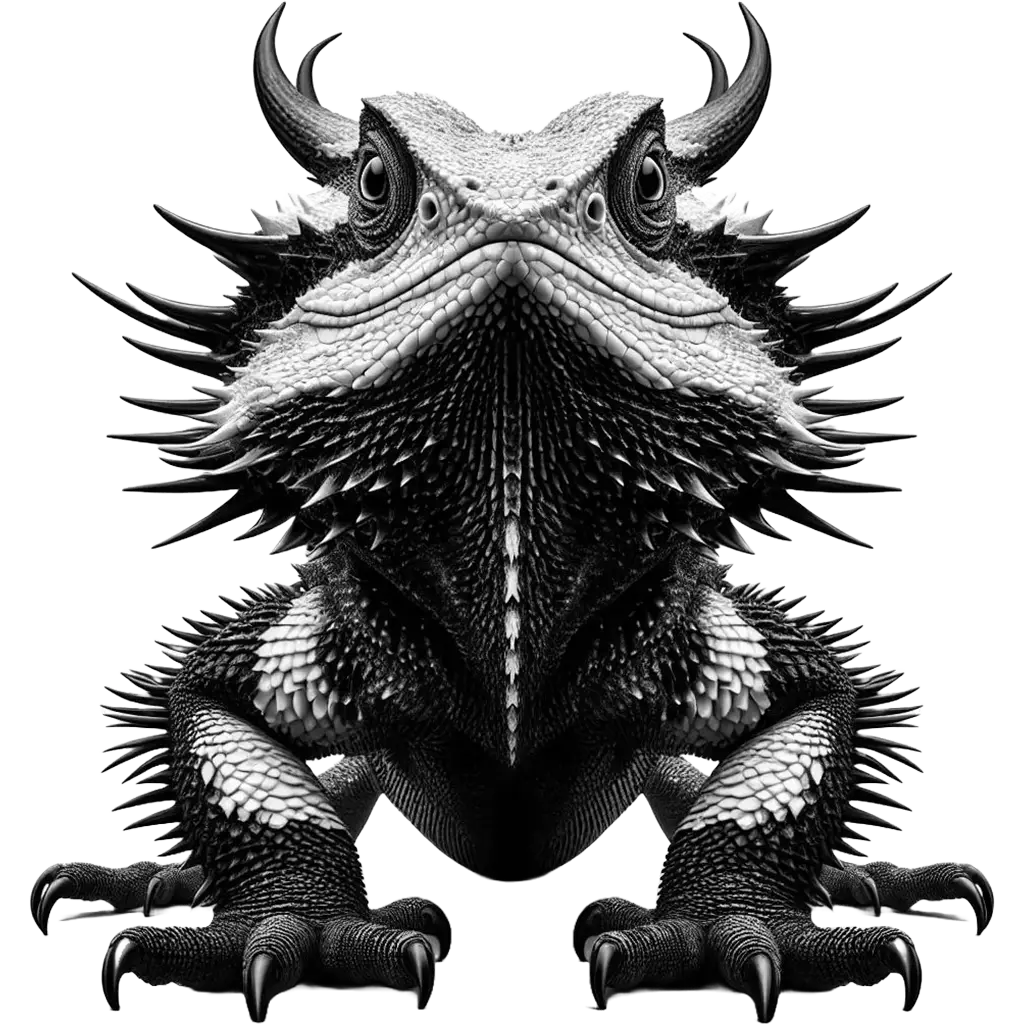
The Giant Horned Lizard, phrynosoma asio, is a remarkable reptile known for its distinctive appearance, featuring an array of sharp horns that adorn its head and sides, providing an effective deterrent against predators. This species is the largest of the horned lizards, with adults reaching lengths of up to 15
The Tuatara, sphenodon punctatus, is an extraordinary reptile endemic to New Zealand, representing the last living member of an ancient lineage that dates back over 200 million years. These creatures bear a superficial resemblance to lizards but are part of a distinct order, Rhynchocephalia, which thrived during the age of