
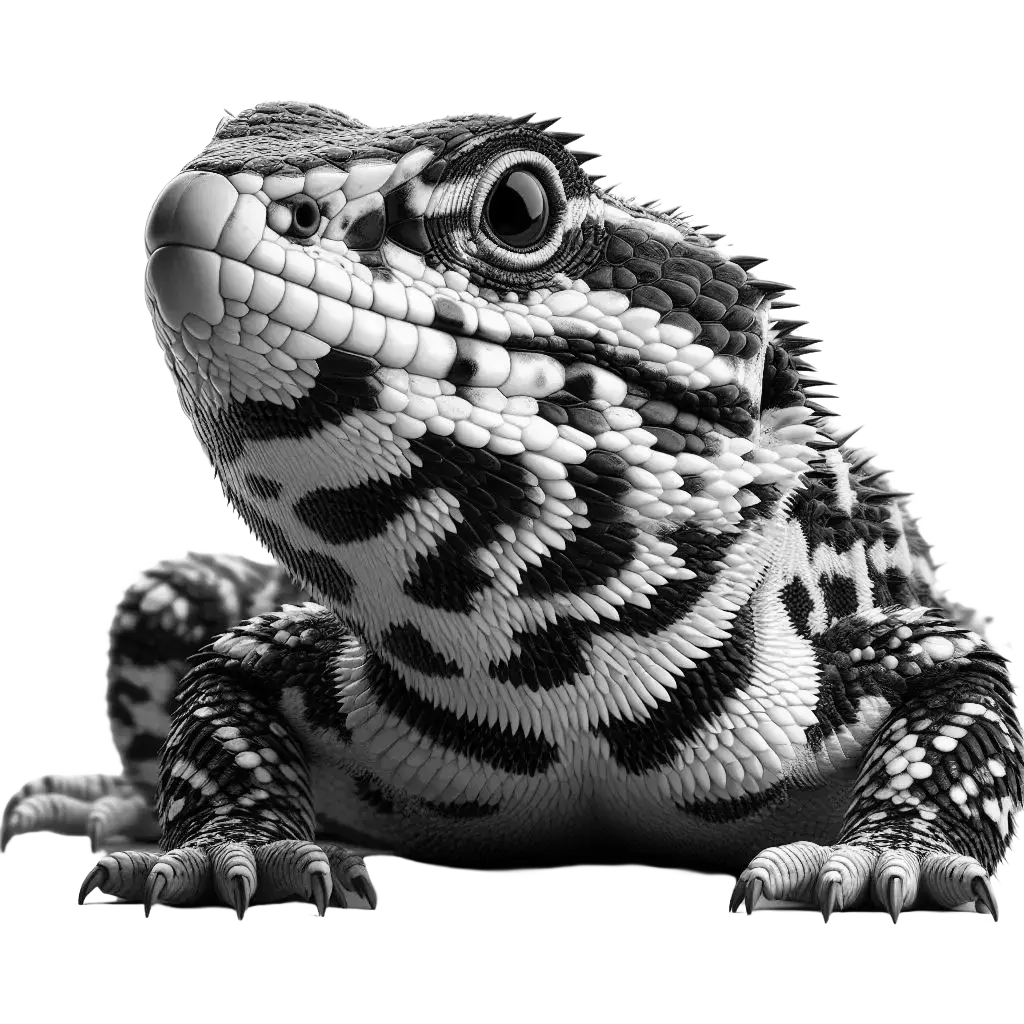
Sphenodon Punctatus
Tuatara
Coastal forests, grasslands, and offshore islands
The Tuatara, sphenodon punctatus, is an extraordinary reptile endemic to New Zealand, representing the last living member of an ancient lineage that dates back over 200 million years. These creatures bear a superficial resemblance to lizards but are part of a distinct order, Rhynchocephalia, which thrived during the age of the dinosaurs. Adults can grow to about 50 centimeters (20 inches) in length, featuring a spiny crest along their back, more pronounced in males, which is used in mating displays and territorial defense. Their skin varies in color from olive green to brown, providing camouflage within their natural habitat.
| Population: | Considered to be of least concern, but populations are closely monitored due to limited distribution |
| Generation Length: | 20-35 years |
| Average Weight: | 0.5-1 kg |
| Average Length: | 40-80 cm, including the tail |
| Lifespan: | Over 100 years, it is one of the longest-lived vertebrates |
| Diet: | Insects, spiders, crustaceans, small vertebrates |
| Conservation Status: | Least Concern (LC) |
Tuataras are nocturnal and prefer cooler temperatures, inhabiting offshore islands and predator-free reserves in New Zealand. They have a unique physiological trait known as a 'third eye' on the top of their head, which is thought to be a sensor for light and seasonal changes, although its exact function remains a subject of research. Tuataras are slow-growing, with a lifespan that can exceed 100 years, and have a slow metabolism adapted to the cool climate of their environment.
The diet of the Tuatara primarily consists of invertebrates, including beetles, crickets, and spiders, though they will also consume small vertebrates such as lizards, bird eggs, and chicks. Their feeding habits play a crucial role in controlling the populations of invertebrates in their ecosystems.
Reproduction in Tuataras is remarkable for its reliance on temperature for sex determination of the eggs, a characteristic shared with some other reptiles. Females lay their eggs approximately every four years, burying them in nests where the temperature dictates the sex of the offspring. The eggs incubate for 12 to 15 months before hatching, one of the longest incubation periods of any reptile.
The Tuatara is classified as Vulnerable by the IUCN, facing threats from habitat destruction, introduced predators, and climate change. Conservation efforts include habitat restoration, predator control programs, and breeding initiatives aimed at increasing their population. The survival of the Tuatara is of global significance, as it represents a crucial link to reptilian ancestors and provides insights into the evolutionary process.
Classifications
The Key Attributes
Features
- Movement:
Crawling
- Territorial Behavior:
Solitary, especially males, which are territorial
- Speed:
Not particularly fast; relies on stealth and camouflage
- Diet:
Carnivore
- Physical Features:
- Spiny crest along the back, more pronounced in males
- Sharp, curved teeth for catching prey
- Distinctive parietal eye on top of the head
- Leathery skin
- Primary Senses:
- Sight
- Smell
- Hearing
Understanding Habitat and Range
Geography
- Habitat:
Coastal forests, grasslands, and offshore islands
- Migration Patterns:
Non-migratory, but may move locally within their habitat range
- Geographical Range:
Native to New Zealand, primarily found on protected offshore islands
- Climate Preferences:
Prefers cooler climates but is adaptable within its native range
Navigating the Wilderness
In the wild
- Predators:
Historically faced predation from introduced rats and mustelids; conservation efforts have reduced this threat on many islands
- Prey:
Invertebrates and small vertebrates
- Feeding Behavior:
Nocturnal, feeds on insects, spiders, small lizards, and bird eggs
- Diet:
Insects, spiders, crustaceans, small vertebrates
- Defensive Mechanisms:
- Camouflage
- Biting if threatened
- Retreating to burrows
- Preferred Food Sources:
- Insects
- Spiders
- Small lizards
Insights Into Reproduction
Mating
- Mating System:
Polygynous
- Number of Offspring:
Lays 5-15 eggs every 2-5 years
- Incubation Period:
11-16 months, one of the longest incubation periods of any reptile
- Parental Involvement:
- No parental care after laying eggs; hatchlings are independent
Youngsters Section
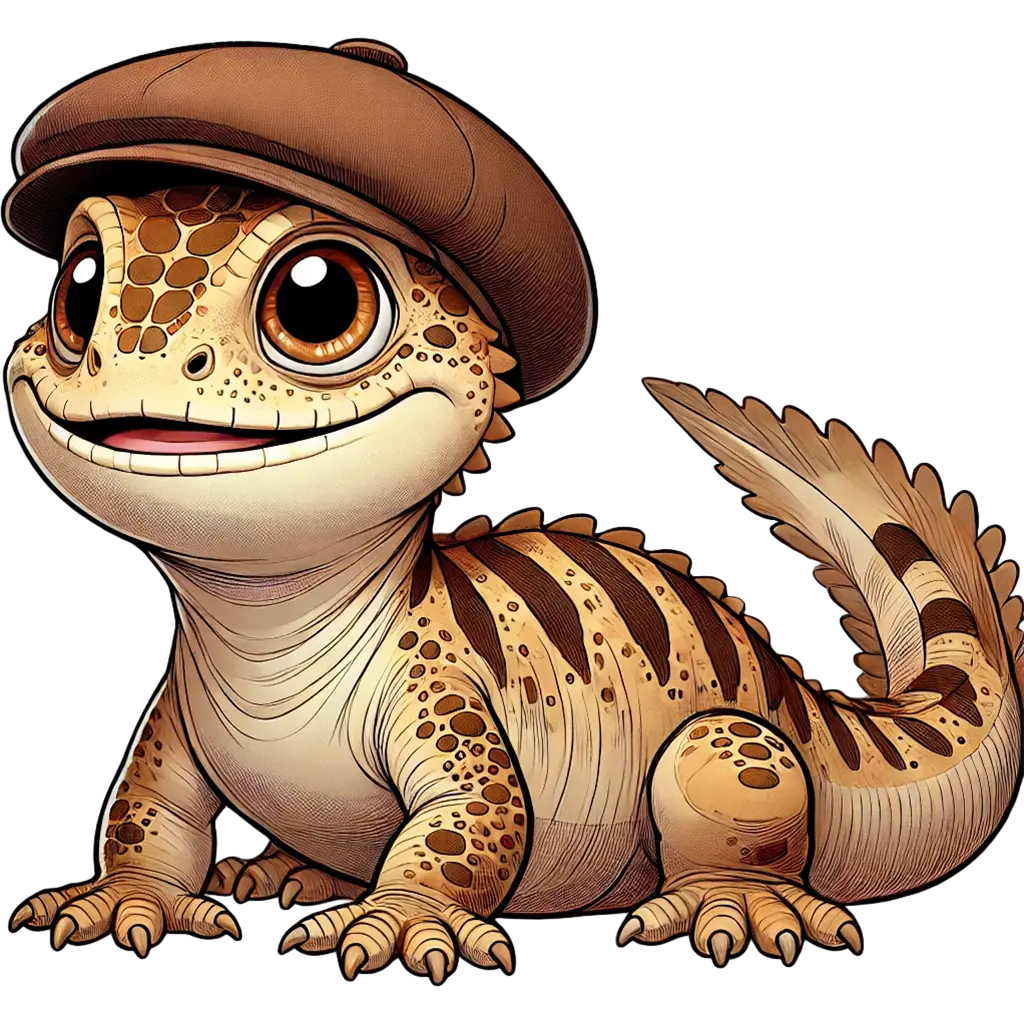
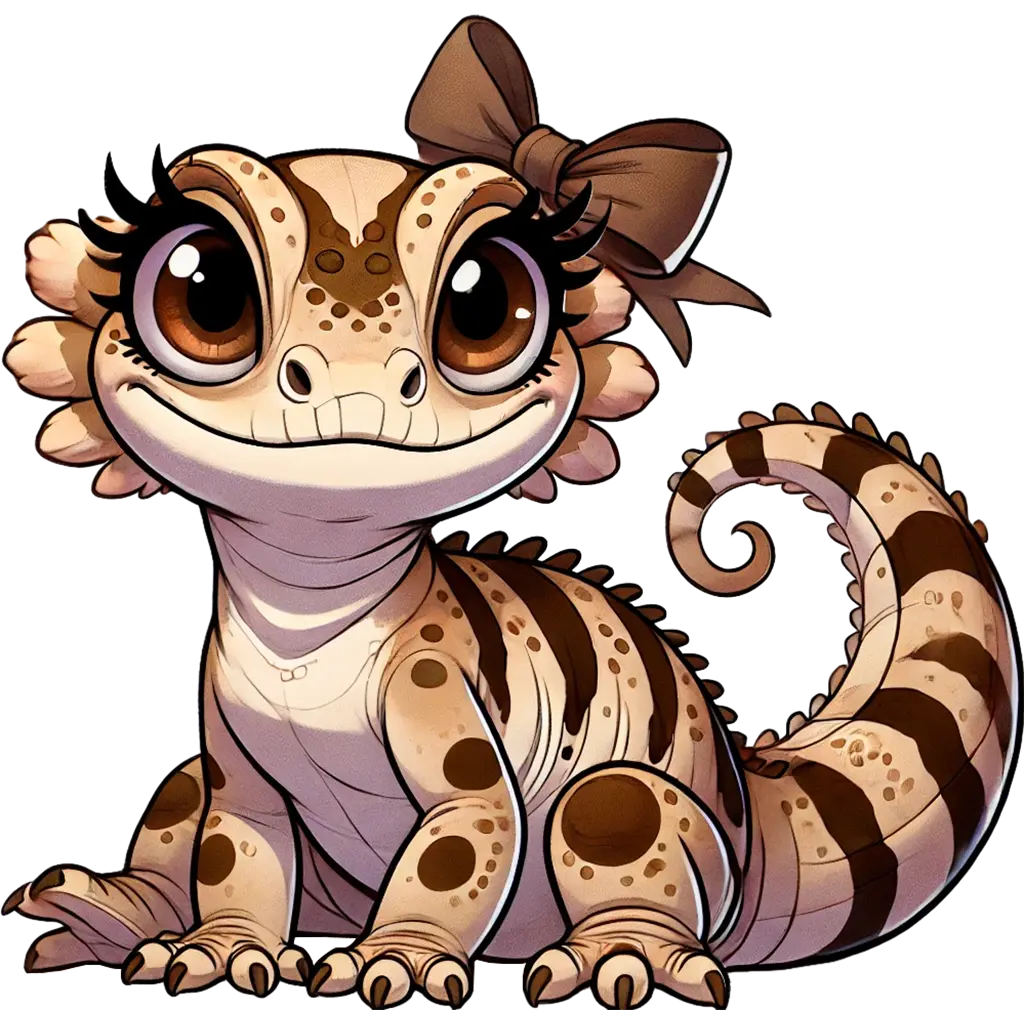
Tuatara
Fun Fact
Tuatara are ancient reptiles that have been around for over 200 million years, outliving the dinosaurs.
They possess a unique "third eye" on their forehead, called a parietal eye. This "eye" is sensitive to light and might help with regulating their circadian rhythms. Tuatara are native to New Zealand and can live for over 100 years, making them fascinating and long-lived creatures.

Download word search puzzles
Word Search Puzzles
Check Out Other Reptiles
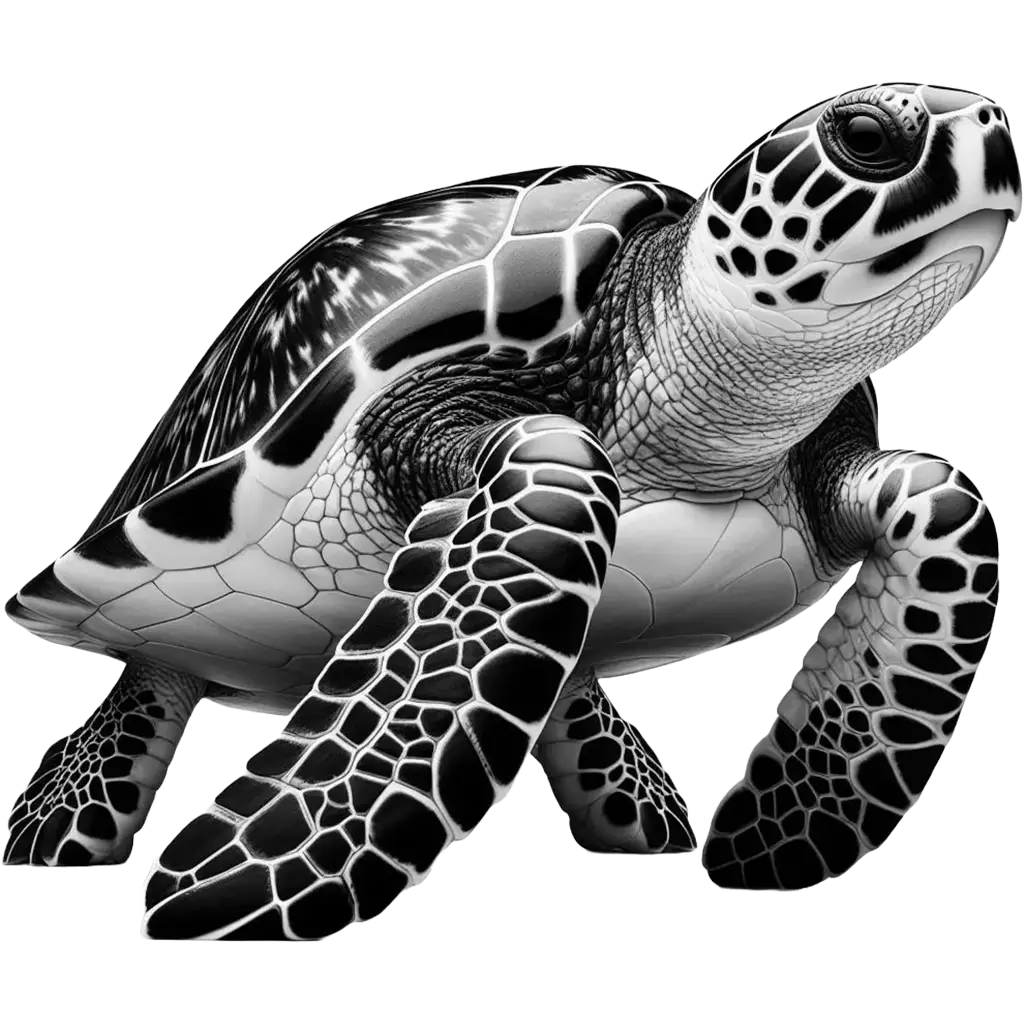
The Hawksbill Sea Turtle, eretmochelys imbricata, is a critically endangered marine turtle known for its distinctive hawk-like beak and beautifully patterned shell of overlapping scales, or scutes, which are sought after for their use in decorative arts, leading to the species' decline. Adults typically measure about 90 centimeters (35 inches)
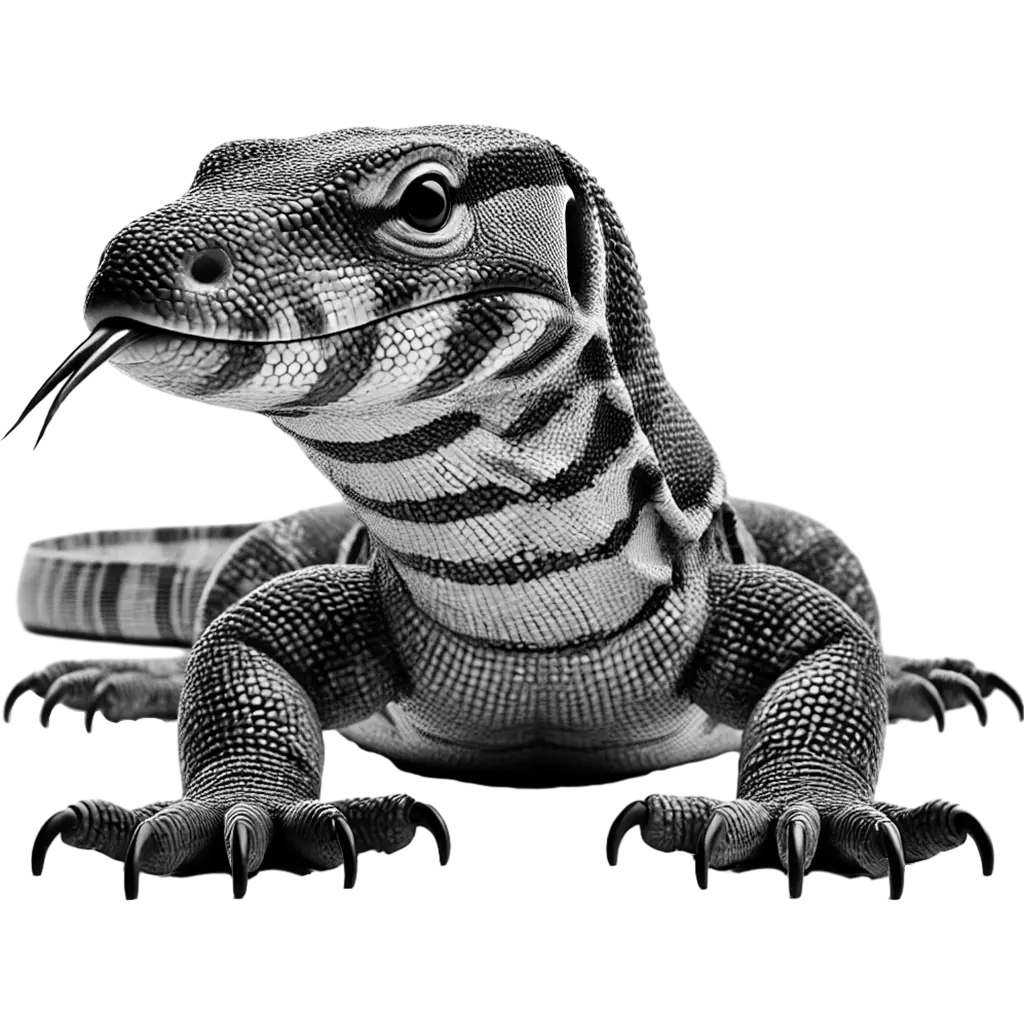
The Savannah Monitor is a medium-sized, robust reptile distinguished by its elongated body covered in rough, dark scales that blend seamlessly with the dusty savannah. Its strong, well-muscled limbs and long, tapering tail provide excellent balance and agility, while a flattened head with a prominent snout and keen, alert eyes
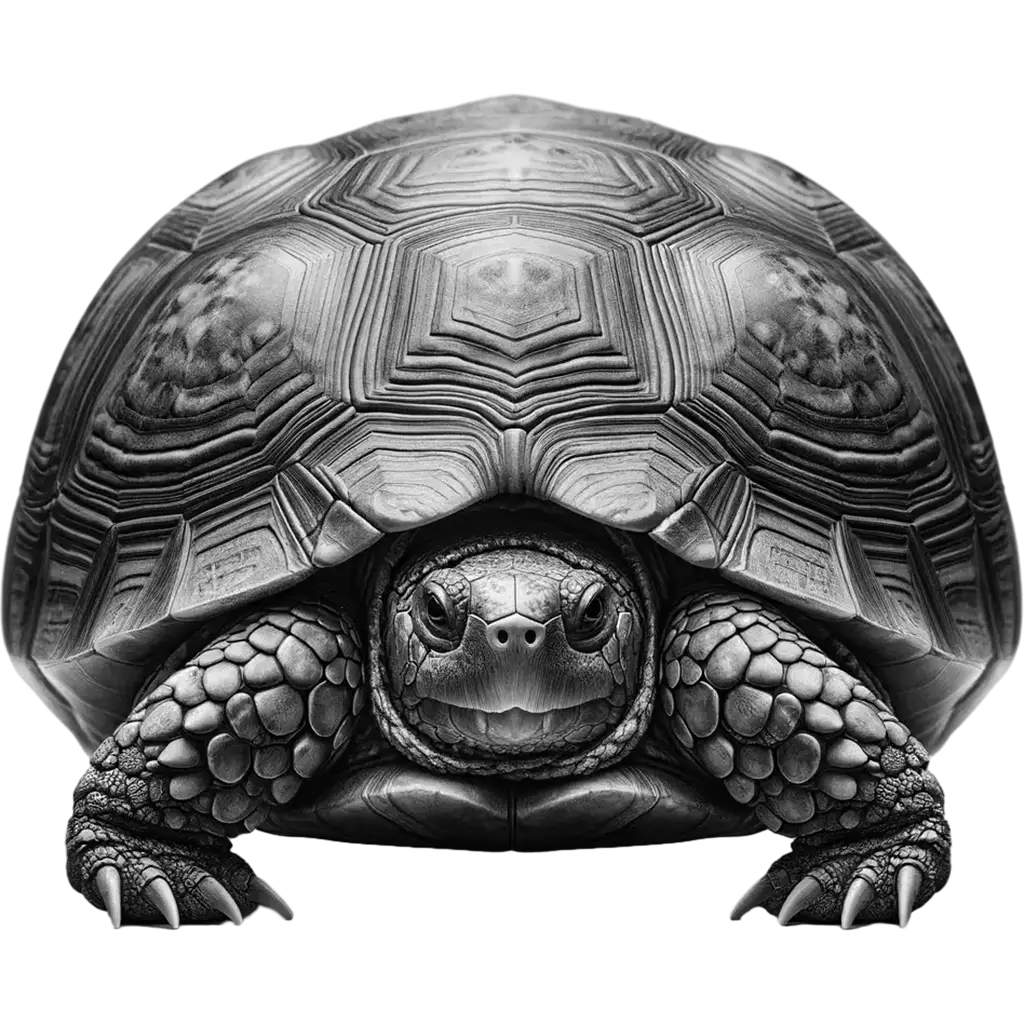
The Eastern Box Turtle, terrapene carolina carolina, is a subspecies of the common box turtle and is native to the eastern United States. This small, land-dwelling turtle is known for its highly domed carapace, which can range in color from brown to black, often adorned with bright yellow, orange, or
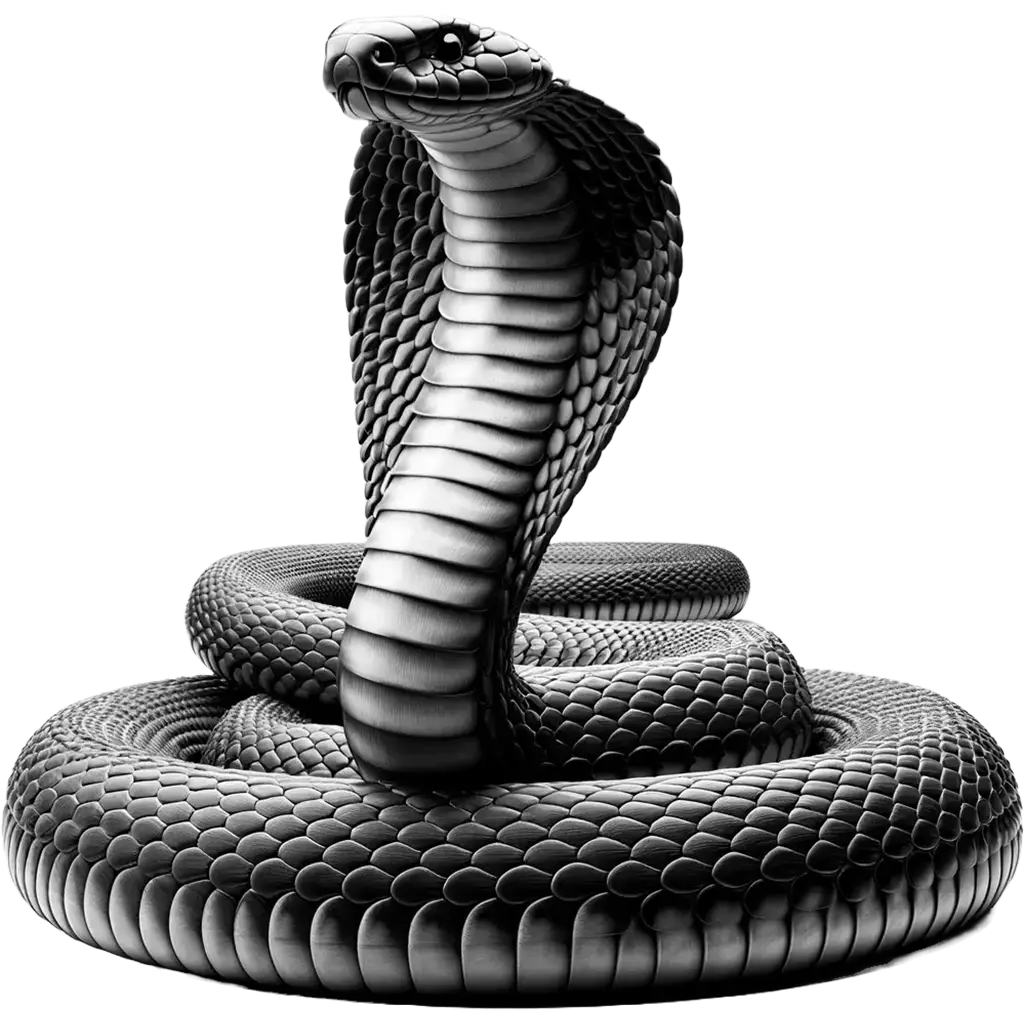
The King Cobra, ophiophagus hannah, stands as the world's longest venomous snake, with adults typically reaching 3 to 4 meters in length, though specimens exceeding 5 meters have been recorded. Its skin color varies from dark olive to black, with light yellow bands crossing over the body, providing camouflage in