
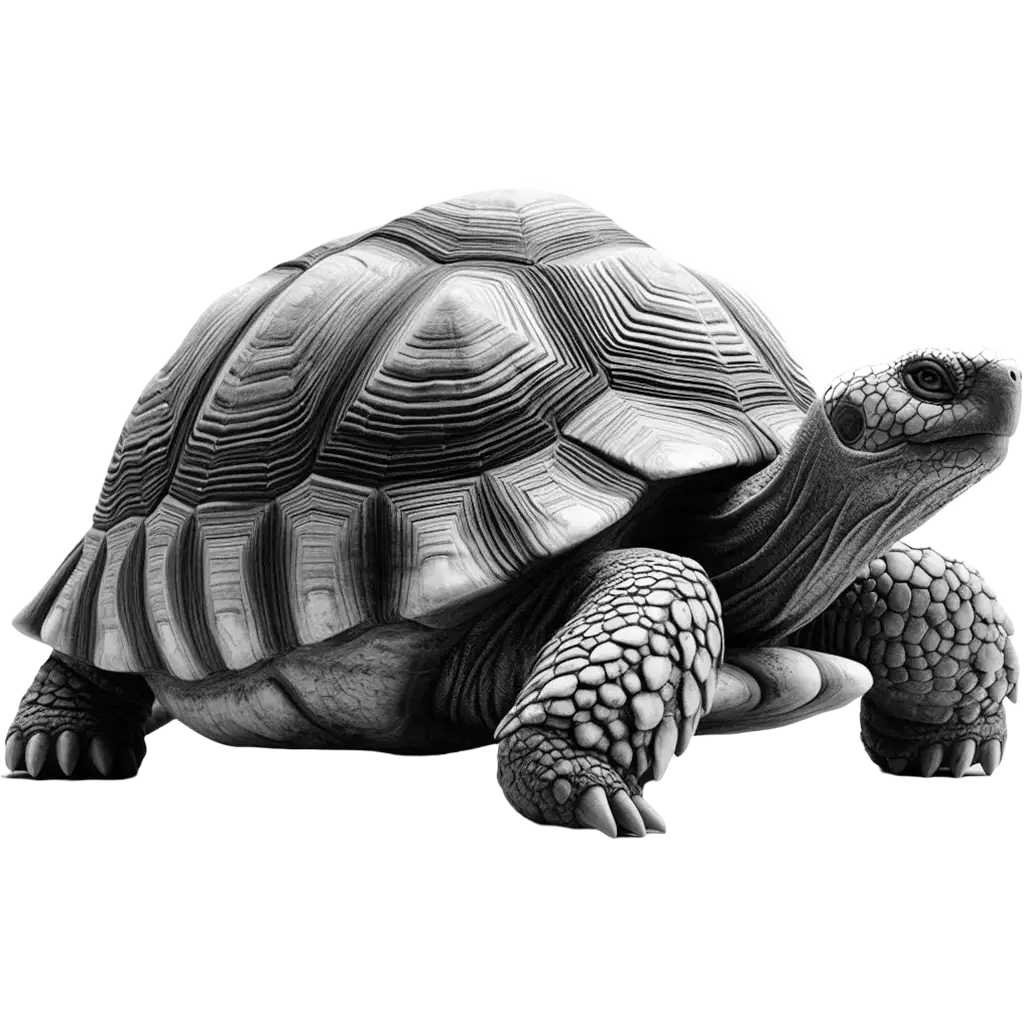
Testudo Graeca
Greek Tortoise
Mediterranean shrublands, forests, fields, and meadows
The Greek Tortoise, testudo graeca, also known as the Spur-thighed Tortoise, is a species of tortoise native to North Africa, Southern Europe, and parts of Asia. This species is distinguished by its high-domed shell, which ranges in color from golden yellow to dark brown, often with distinctive black markings. Adult Greek Tortoises typically measure between 15 to 30 centimeters (6 to 12 inches) in length, making them a medium-sized tortoise species. Their limbs are sturdy, with thick, scaly skin that helps protect them from the harsh, scrubby habitats they often occupy.
| Population: | Classified as Vulnerable due to declining populations |
| Generation Length: | 20-30 years |
| Average Weight: | 2-5 kg |
| Average Length: | 13-20 cm, with some variation depending on the subspecies |
| Lifespan: | Up to 50 years or more in captivity; similar expected lifespan in the wild, though less documented |
| Diet: | Herbivorous diet consisting of grasses, herbs, leafy greens, and sometimes fruit |
| Conservation Status: | Vulnerable (VU) |
Greek Tortoises are adapted to a variety of habitats, including Mediterranean forests, arid grasslands, and deserts. They exhibit a remarkable ability to withstand both high temperatures and long periods of drought by estivating during the hottest months. Their diet primarily consists of leafy greens, flowers, and fruits, which they forage from their surroundings, playing a role in seed dispersal and vegetation control within their ecosystems.
These tortoises are known for their longevity, with many individuals living over 50 years in the wild, and some even exceeding 100 years in captivity. This long lifespan, combined with their slow reproductive rate, makes them vulnerable to threats from habitat destruction, illegal pet trade, and predation.
Reproduction in Greek Tortoises involves a courtship display by the males, which can include ramming and vocalizations. Females lay clutches of 1 to 12 eggs, which they bury in the soil. The eggs incubate for several months, depending on the temperature, with hatchlings emerging fully independent, equipped with a yolk sac to sustain them through their first days of life.
The Greek Tortoise is classified as Vulnerable by the IUCN Red List, with populations declining in many parts of its range due to habitat loss, overcollection for the pet trade, and road mortality. Conservation efforts for this species include habitat protection, legal regulation of trade, and breeding programs aimed at reintroduction and population support. The preservation of the Greek Tortoise is critical not only for the species' survival but also for the maintenance of the ecological balance in their natural habitats.
Classifications
The Key Attributes
Features
- Movement:
Walking
- Territorial Behavior:
Generally solitary, except during mating season
- Speed:
Slow; tortoises are not known for their speed
- Diet:
Herbivore
- Physical Features:
- High-domed shell with variable patterns
- Sturdy limbs
- Horned scutes on the front legs in some subspecies
- Males generally have longer tails and more pronounced gular scutes
- Primary Senses:
- Sight
- Smell
- Touch
Understanding Habitat and Range
Geography
- Habitat:
Mediterranean shrublands, forests, fields, and meadows
- Migration Patterns:
Non-migratory, but may move within their habitat based on seasonal changes and resource availability
- Geographical Range:
Southern Europe, North Africa, and parts of the Middle East
- Climate Preferences:
Mediterranean climates with warm, dry summers and mild, wet winters
Navigating the Wilderness
In the wild
- Predators:
Birds of prey, foxes, and dogs
- Prey:
Not applicable
- Feeding Behavior:
Feeds on a variety of herbaceous plants, leaves, flowers, and fruits
- Diet:
Herbivorous diet consisting of grasses, herbs, leafy greens, and sometimes fruit
- Defensive Mechanisms:
- Retreating into shell
- Camouflage with the natural environment
- Preferred Food Sources:
- Grasses
- Herbs
- Leafy greens
- Fruits
Insights Into Reproduction
Mating
- Mating System:
Polygynous
- Number of Offspring:
1-12 eggs per clutch, with females possibly laying multiple clutches in a year
- Incubation Period:
Approximately 90 days, varying with temperature
- Parental Involvement:
- No parental care after laying eggs; eggs are buried in the ground to incubate
Youngsters Section
Greek Tortoise
Fun Fact
Greek tortoises are known for their long lifespan, often living up to 125 years in the wild.
These tortoises are well-suited to arid climates and have a unique ability to conserve water. They achieve this by storing water in their bladder, which can be reabsorbed when needed. This adaptation helps them survive in their native Mediterranean habitats, where water can be scarce.

Download word search puzzles
Word Search Puzzles


Check Out Other Reptiles
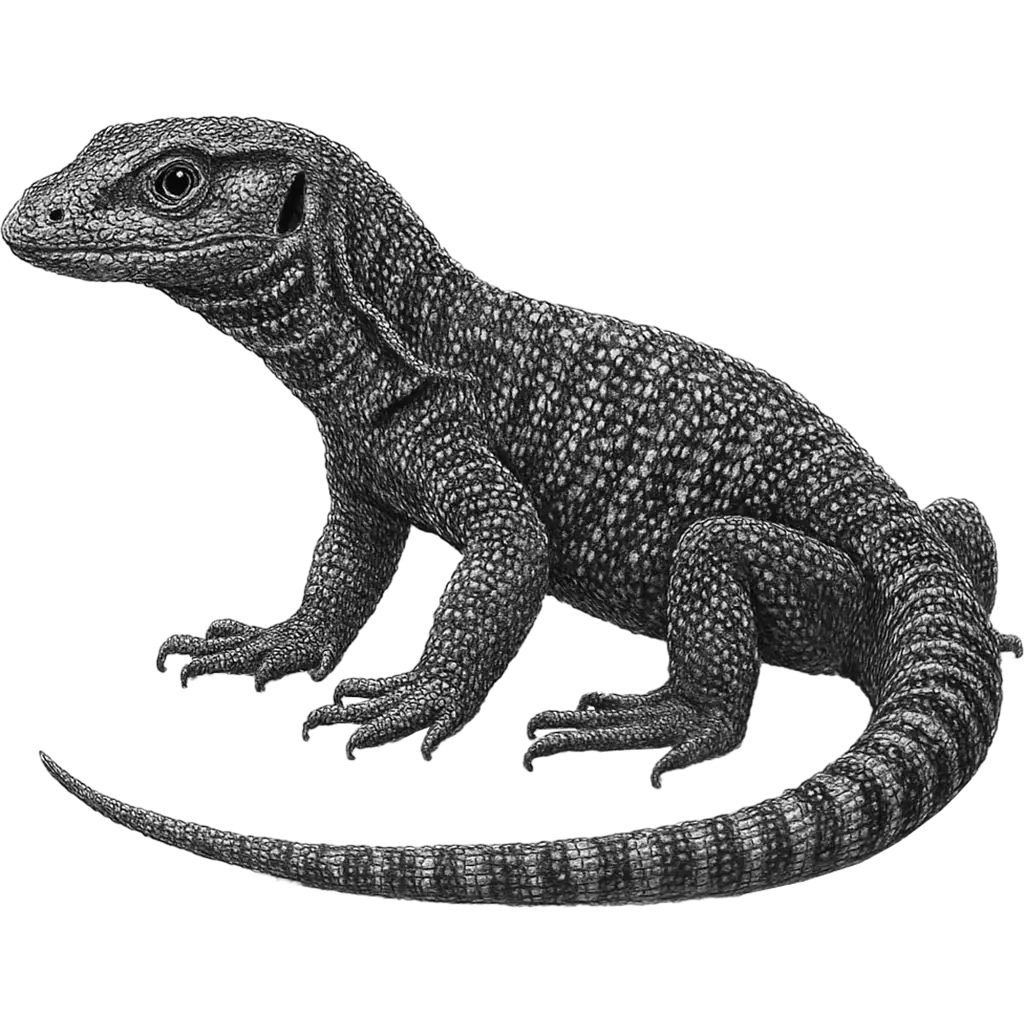
The Timor Monitor reaches up to 61 cm in total length, including a long prehensile tail that comprises two‑thirds of its body. Its dorsal coloration is dark greenish‑gray to black, adorned with bright yellow or pale blue spots that form irregular bands. The ventral surface is straw‑yellow. It has a
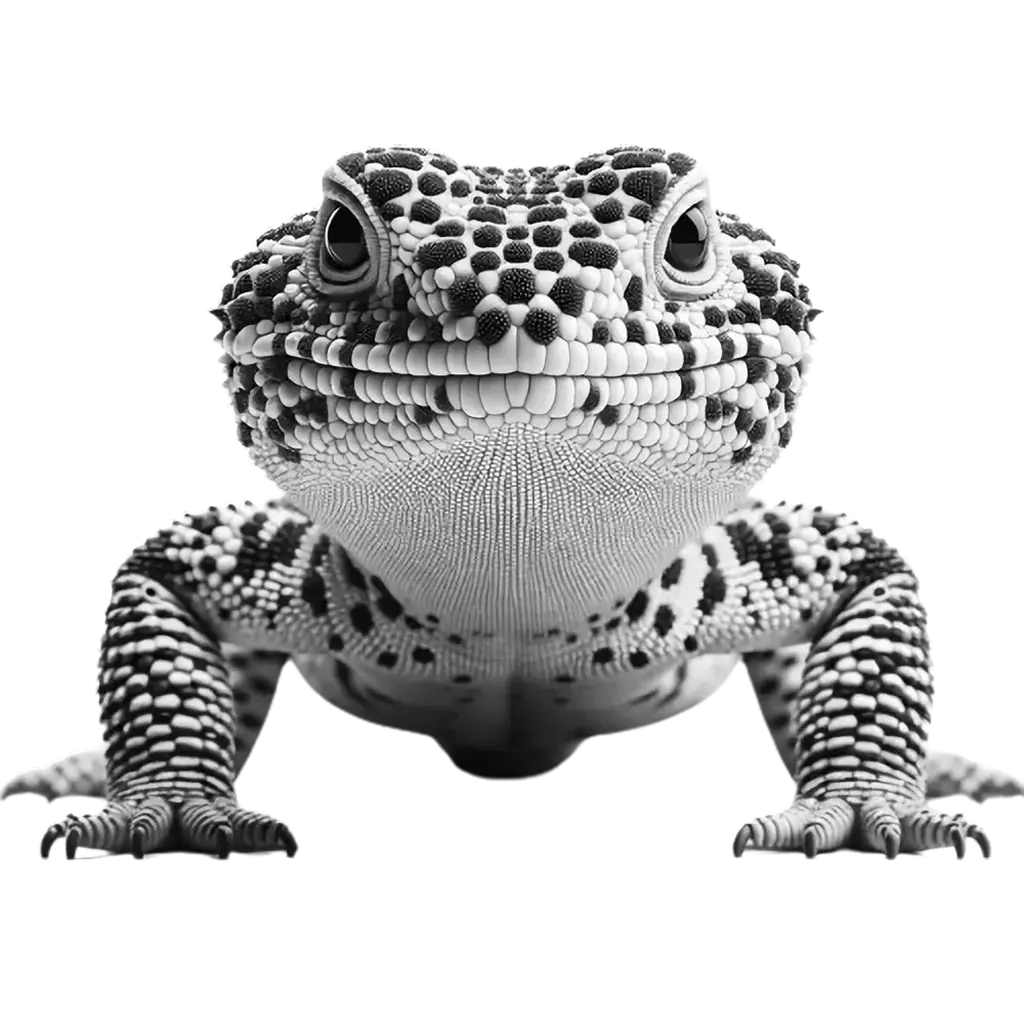
The Mexican Beaded Lizard, heloderma horridum, is one of the only two venomous lizard species found in North America, alongside its close relative, the Gila Monster. Distinguished by its distinctive bead-like scales, which are black with yellowish or white markings, this robust lizard can reach lengths of up to 90
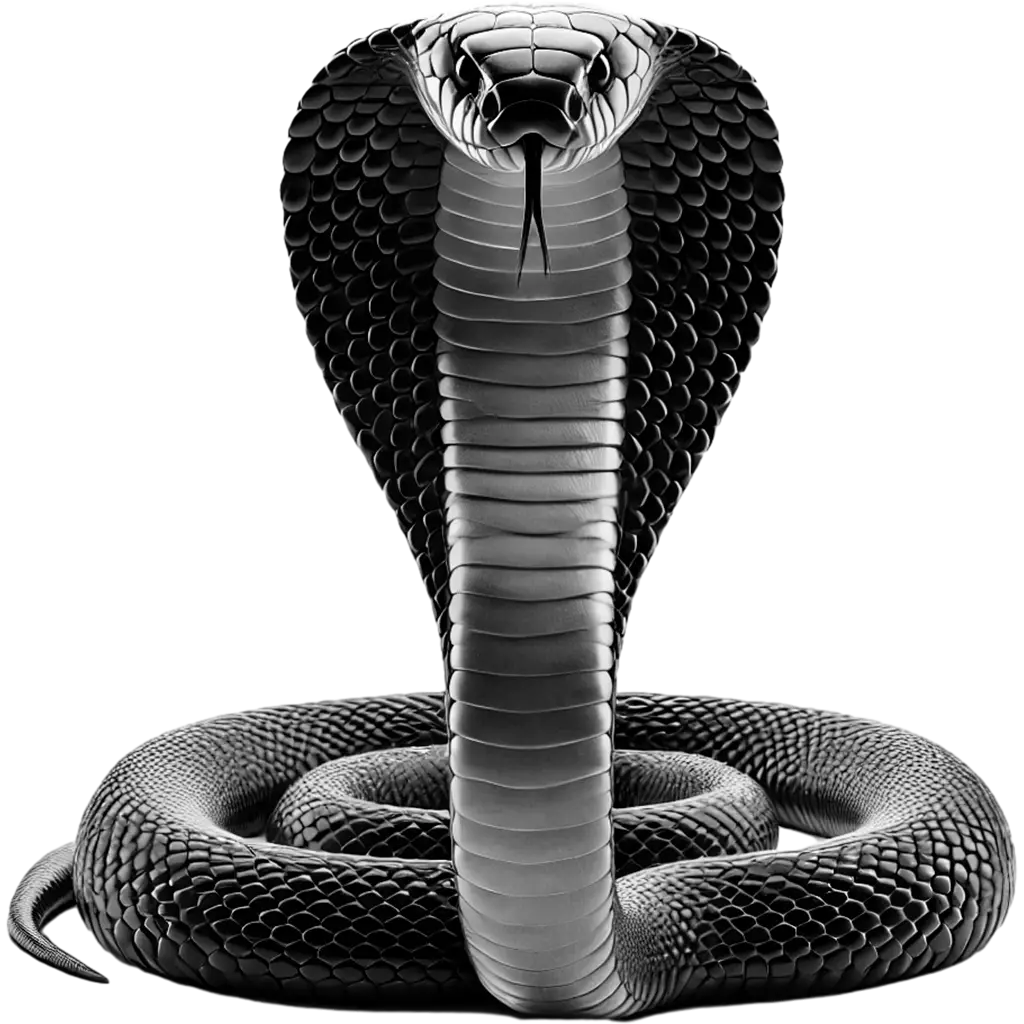
The Black-Necked Spitting Cobra displays a sleek, matte dark body accentuated by a striking glossy black band encircling its neck. Its broad, flattened head features prominent, piercing eyes and an extendable hood that flares impressively when threatened. The snake's smooth, well-defined scales and slender, muscular build give it an elegant
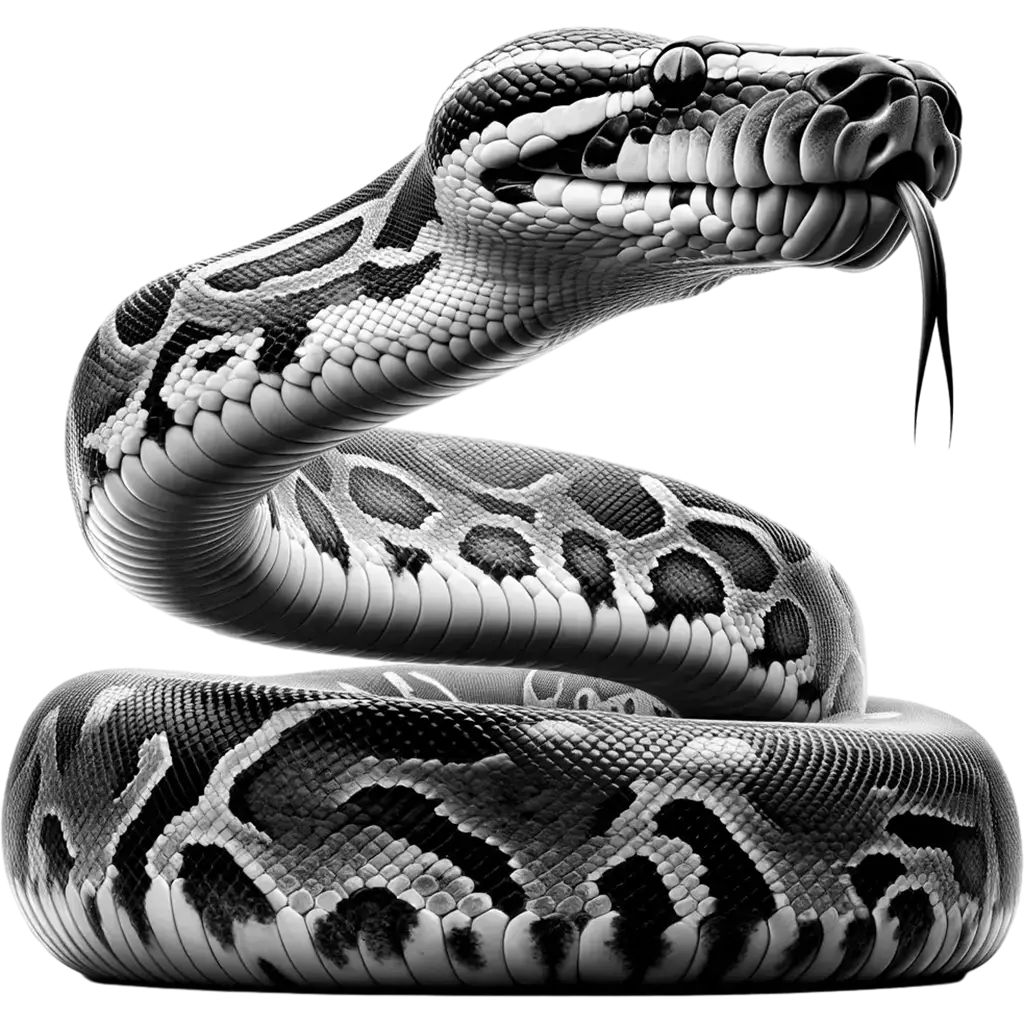
The African Rock Python, Python sebae, is a large, non-venomous snake native to sub-Saharan Africa. It is one of the largest snake species on the continent, with adults commonly reaching lengths of 3 to 4.5 meters, and some exceptional individuals exceeding 6 meters. Their skin is thick and covered in