
Naja Nigricollis
Black-Necked Spitting Cobra
Savannas, woodlands, and grasslands with scattered trees and rocky outcrops
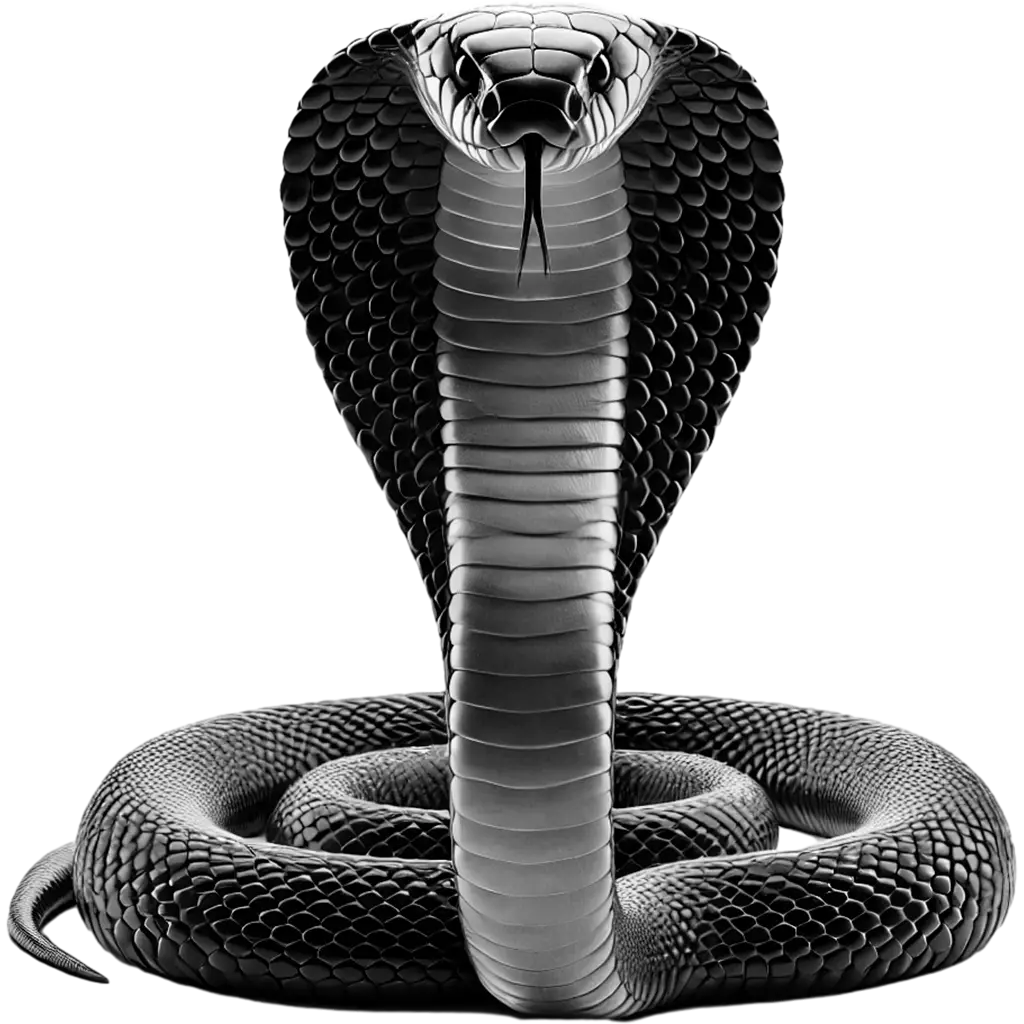
The Black-Necked Spitting Cobra displays a sleek, matte dark body accentuated by a striking glossy black band encircling its neck. Its broad, flattened head features prominent, piercing eyes and an extendable hood that flares impressively when threatened. The snake's smooth, well-defined scales and slender, muscular build give it an elegant yet intimidating appearance, serving as a clear warning to potential predators.
| Population: | Common in some areas, but declining due to habitat loss and persecution |
| Generation Length: | 5-7 years |
| Average Weight: | Approximately 1-1.5 kg |
| Average Length: | Up to 1.5 meters |
| Lifespan: | Approximately 12-15 years in the wild |
| Diet: | Carnivorous |
| Conservation Status: | Least Concern (LC) |
This species is primarily active during the day with additional crepuscular activity at dawn and dusk. It inhabits savannas, woodlands, and grasslands with scattered trees and rocky outcrops, where it relies on camouflage to remain hidden. Often seen basking in the sun to regulate its body temperature, it is a solitary creature that patrols a defined territory. When disturbed, it can quickly employ its venomous spray as a defensive measure. Its deliberate, measured movements are interspersed with rapid, sudden strikes during hunting, ensuring efficiency in both offense and defense.
As a carnivorous predator, the Black-Necked Spitting Cobra preys on small mammals, birds, and other reptiles. It uses its keen senses to detect subtle movements among the undergrowth before striking with precision. The venom it delivers not only immobilizes its prey swiftly but also initiates the digestive process, breaking down tissues for efficient absorption of nutrients. Although it primarily hunts live prey, it may scavenge when opportunities arise, contributing to its versatile feeding strategy and maintaining the balance of local ecosystems.
During the breeding season, males perform brief, ritualistic displays to attract females. After a short courtship, copulation occurs and the female later lays a clutch of eggs, which hatch after a period of incubation. These encounters are brief, reducing risk to both parties during this vulnerable period.
Found across sub-Saharan Africa, this cobra occupies a range of dry, open habitats. While it is locally common in some areas, overall trends show a gradual decline due to habitat destruction and human persecution. Conservation efforts continue to monitor its populations and protect its natural environment, ensuring its unique role in the ecosystem endures.
Classifications
The Key Attributes
Features
- Movement:
Slithers with a smooth, undulating motion; capable of sudden bursts of speed when striking
- Territorial Behavior:
Generally solitary and non-territorial, though individuals may display defensive behaviors when threatened
- Speed:
Moderate with rapid acceleration during attack
- Diet:
Carnivorous, preying on small mammals, birds, and other reptiles
- Physical Features:
- Matte dark body with a striking glossy black band encircling the neck
- Broad, flattened head with prominent eyes and an extendable hood
- Smooth, well-defined scales that give a sleek, elegant appearance
- Slender, muscular build ideal for ambush predation
- Primary Senses:
- Sight
- Smell
- Thermoreception
Understanding Habitat and Range
Geography
- Habitat:
Savannas, woodlands, and grasslands with scattered trees and rocky outcrops
- Migration Patterns:
Non-migratory; remains within localized ranges
- Geographical Range:
Widely distributed across sub-Saharan Africa in suitable dry and semi-arid habitats
- Climate Preferences:
Tropical to subtropical, favoring warm and relatively dry environments
Navigating the Wilderness
In the wild
- Predators:
Large birds of prey and mammals may target juveniles; adult snakes face few natural predators
- Prey:
Small mammals, birds, and other reptiles
- Feeding Behavior:
Employs an ambush strategy, remaining motionless among undergrowth until prey approaches; relies on camouflage to remain undetected
- Diet:
Carnivorous
- Defensive Mechanisms:
- Capable of spitting venom accurately up to two meters
- Adopts a threatening hood display when disturbed
- Preferred Food Sources:
- Rodents
- Small birds
- Lizards
Insights Into Reproduction
Mating
- Mating System:
Solitary outside the breeding season; pairs come together briefly during mating
- Number of Offspring:
Clutch size generally ranges from 10 to 20 eggs
- Incubation Period:
Oviparous; eggs typically hatch after 60-70 days
- Parental Involvement:
- No parental care; hatchlings are independent upon emergence
Youngsters Section
Black-Necked Spitting Cobra
Fun Fact
The black-necked spitting cobra is a fascinating snake with a scary name! It's famous for its black neck and its ability to spit venom at its enemies to defend itself.
This snake is super fast and can spit venom with incredible accuracy, aiming right at the eyes of its target. The venom causes pain and can even blind if it hits, but don't worry - it prefers to avoid people.
Download word search puzzles
Word Search Puzzles
Check Out Other Reptiles
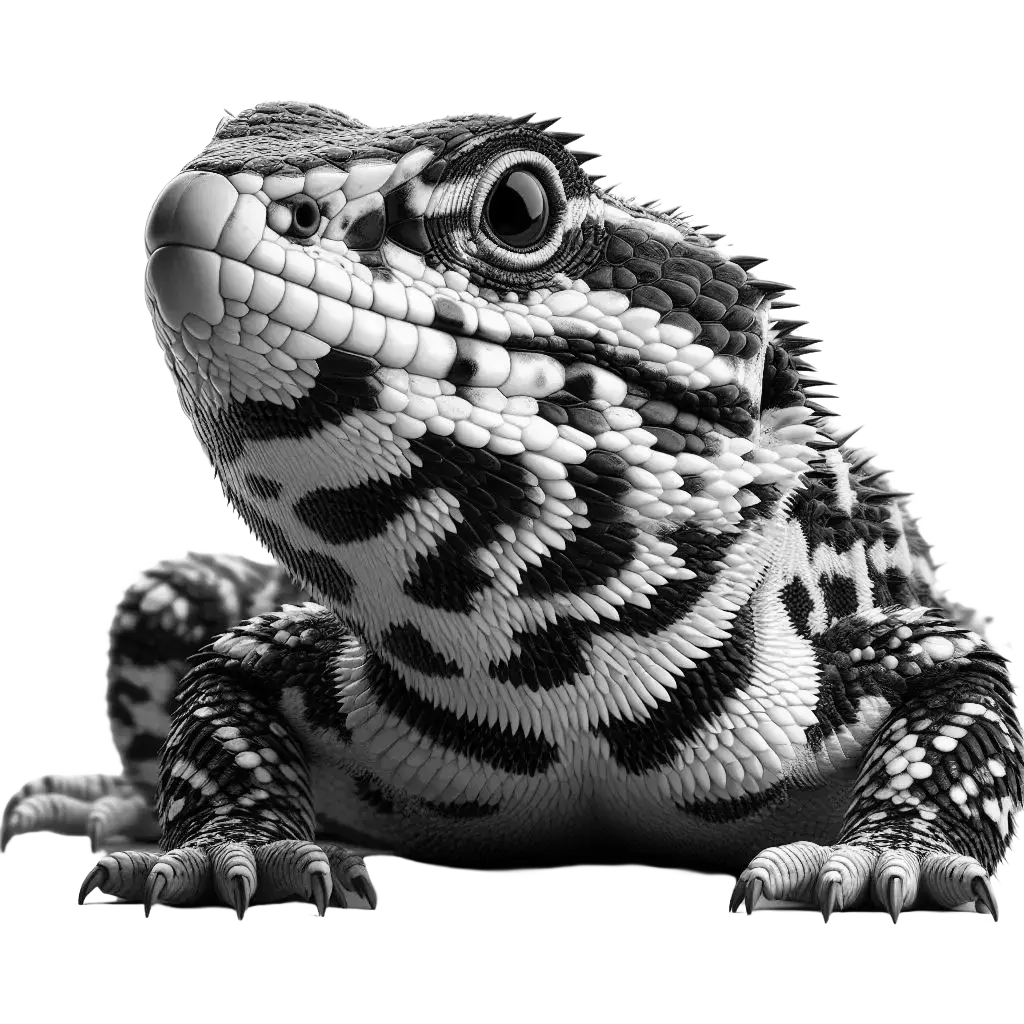
The Tuatara, sphenodon punctatus, is an extraordinary reptile endemic to New Zealand, representing the last living member of an ancient lineage that dates back over 200 million years. These creatures bear a superficial resemblance to lizards but are part of a distinct order, Rhynchocephalia, which thrived during the age of
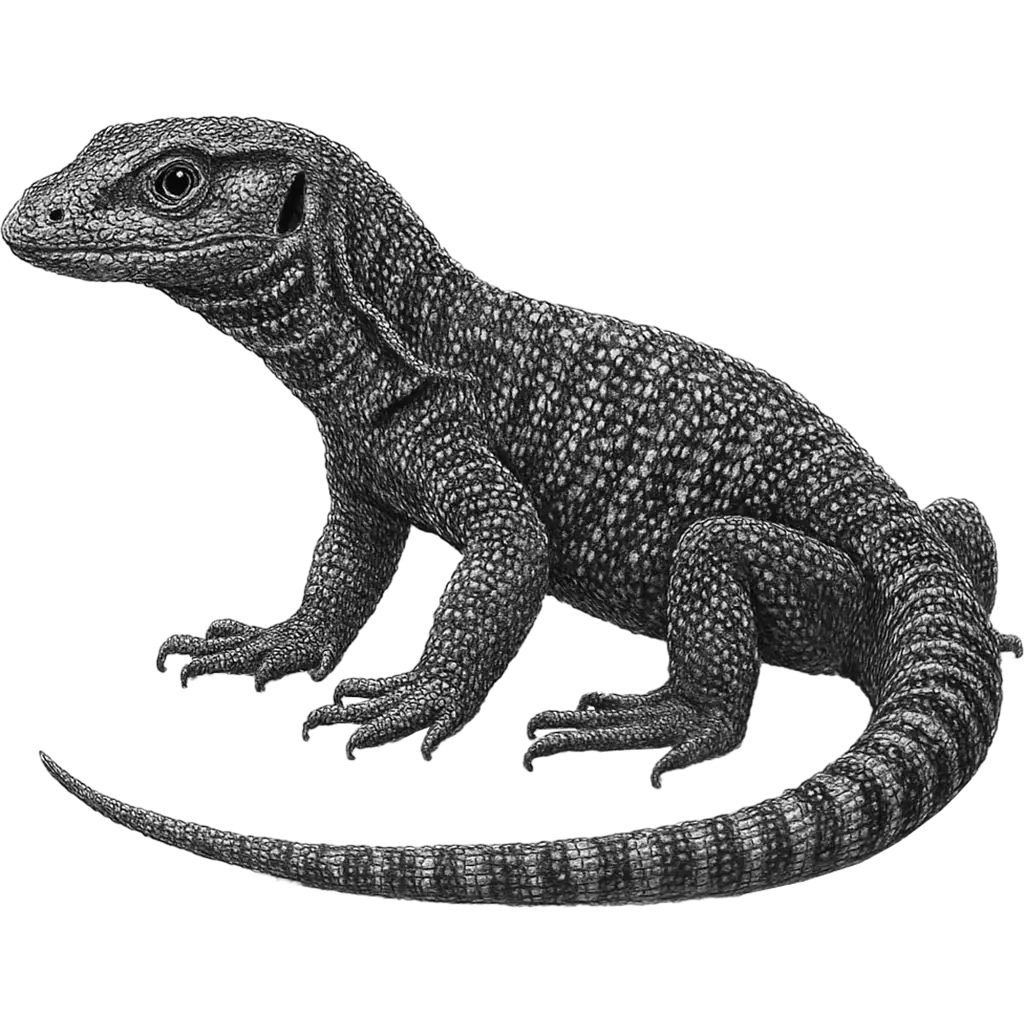
The Timor Monitor reaches up to 61 cm in total length, including a long prehensile tail that comprises two‑thirds of its body. Its dorsal coloration is dark greenish‑gray to black, adorned with bright yellow or pale blue spots that form irregular bands. The ventral surface is straw‑yellow. It has a
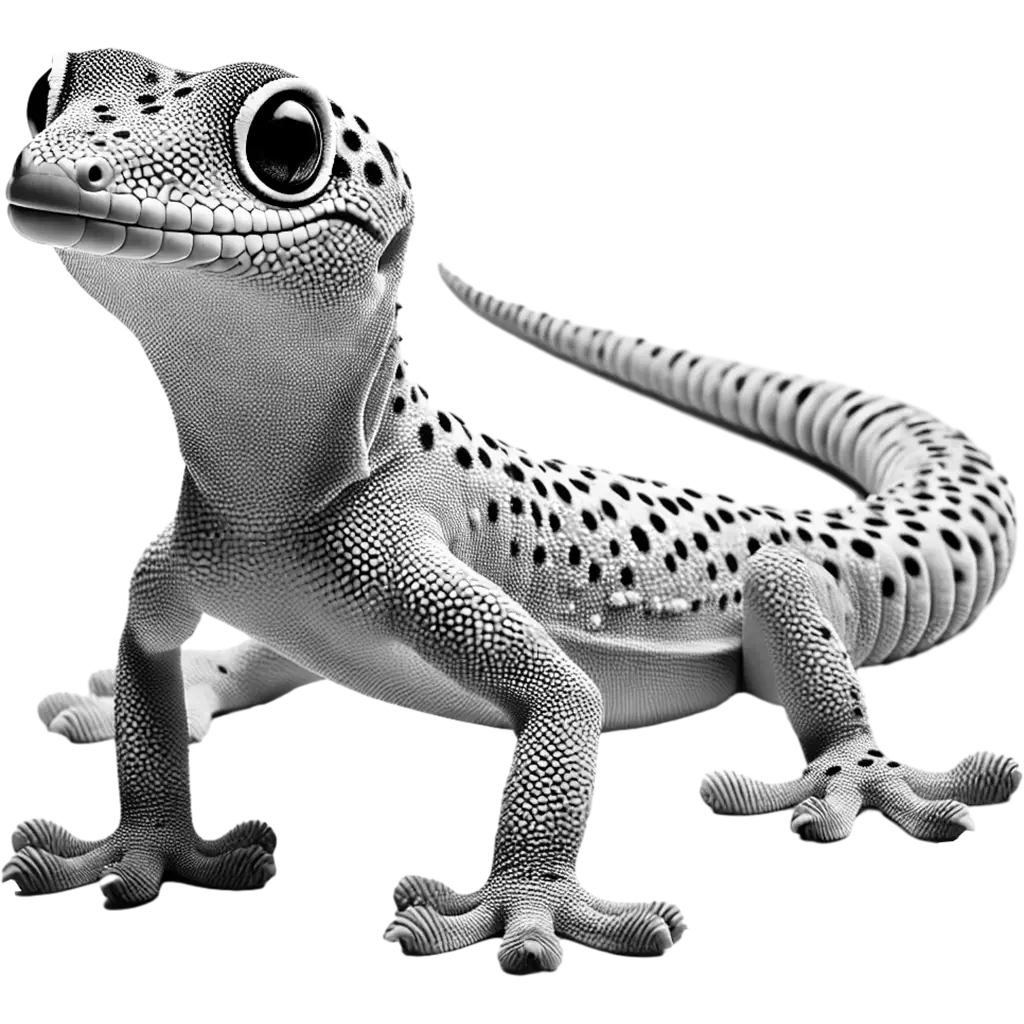
The Brilliant South American Gecko is a small, striking reptile characterized by its vibrant, iridescent scales that shimmer in hues of blue, green, and orange. Its slender, elongated body and flat head, accentuated by large, expressive eyes, create a captivating mosaic of colors that distinguishes it from other geckos. The
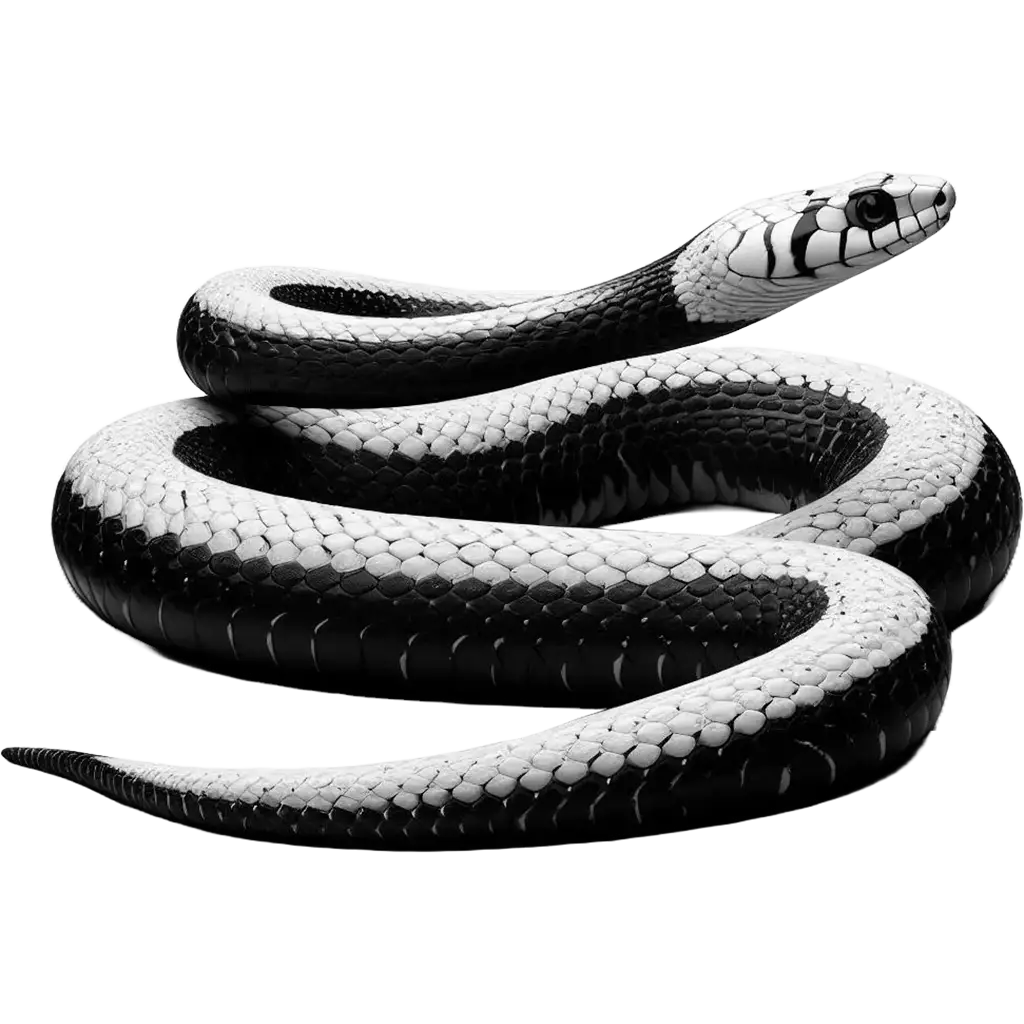
The Eastern Coral Snake, micrurus fulvius, is a highly venomous snake native to the southeastern United States. Characterized by its distinctive color pattern of black, yellow, and red bands, this slender snake can reach lengths of up to 30 inches (76 cm), though most are smaller. The vivid bands serve