
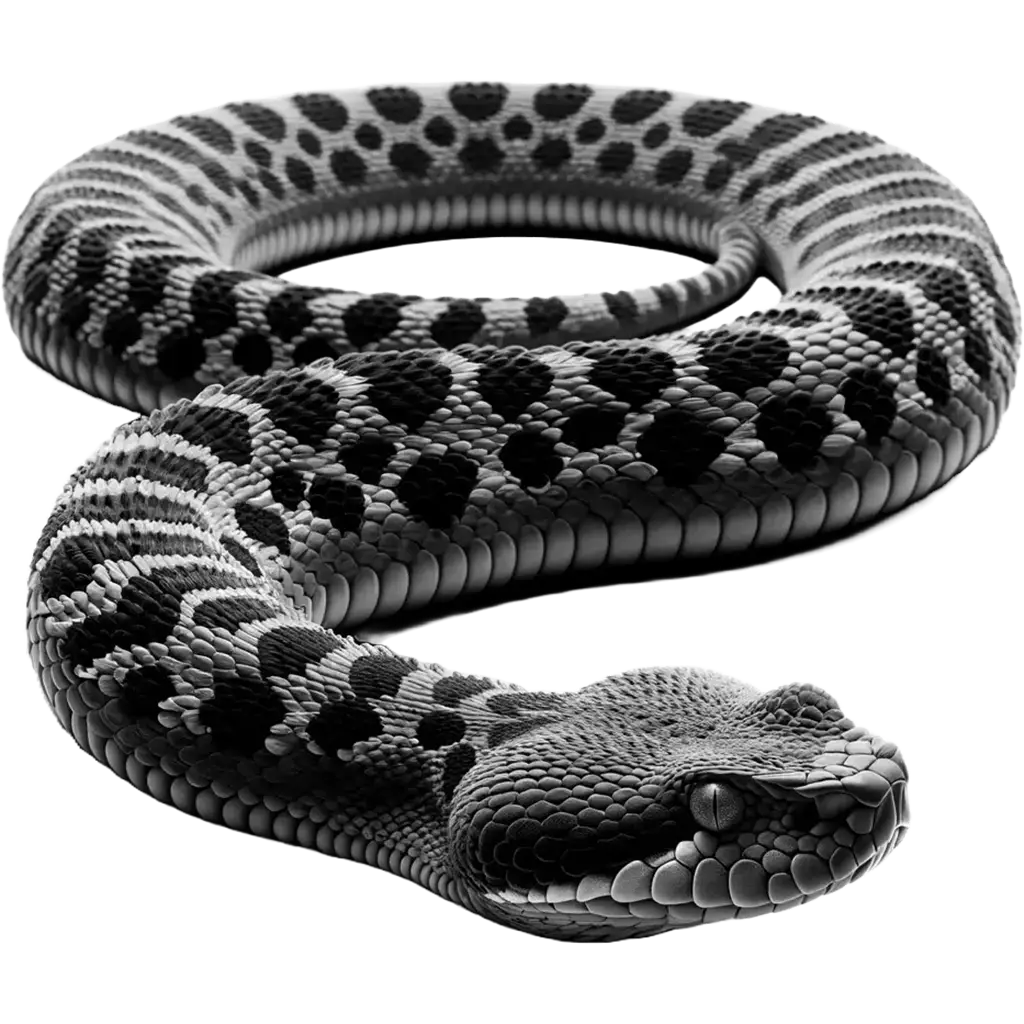
Gloydius Halys
Siberian Pit Viper
Steppes, mountainous regions, and forest edges
The Siberian Pit Viper, gloydius halys, is a venomous snake native to the mountainous regions and forests of Eastern Europe and Asia, extending from Eastern Russia through Mongolia to Northern China and Korea. This medium-sized viper typically reaches lengths of 60 to 80 cm, characterized by its stocky build and distinctive keeled scales. Its coloration varies from gray to brown, with a pattern of darker blotches along the back that provides camouflage among leaves and rocks. A key feature of this species is the heat-sensing pits located between the eyes and nostrils, which allow it to detect warm-blooded prey even in low-light conditions.
| Population: | Data on its exact population status is limited, but it is not currently listed as endangered |
| Generation Length: | 5-7 years |
| Average Weight: | 200-500 grams |
| Average Length: | 60-80 cm |
| Lifespan: | 15-20 years in the wild |
| Diet: | Feeds on small vertebrates, using its venom to subdue prey |
| Conservation Status: | Least Concern (LC) |
Siberian Pit Vipers inhabit a variety of terrains, including forests, meadows, and rocky slopes, where they can be found at elevations of up to 3,000 meters. They are primarily nocturnal, relying on their cryptic coloration and stealth to ambush prey. During the colder months, these vipers hibernate in crevices or burrows to survive the harsh winter temperatures.
The diet of the Siberian Pit Viper consists mainly of small mammals, such as rodents, but it also preys on birds, lizards, and occasionally amphibians. Its venom, which is hemotoxic, causes tissue damage and disrupts blood clotting, effectively immobilizing and digesting the prey internally before consumption. Despite their venomous nature, these vipers play a crucial role in controlling pest populations, contributing to the balance of their ecosystems.
Reproduction in Siberian Pit Vipers is ovoviviparous, with females giving birth to live young in late summer or early autumn. A single litter can contain anywhere from 6 to 20 offspring, which are born fully formed and capable of fending for themselves. This reproductive strategy allows the young vipers to avoid the vulnerability of egg-laying in cold climates.
The population of the Siberian Pit Viper is considered stable across its range, though it faces threats from habitat destruction and persecution due to fear of snake bites. Conservation efforts are focused on habitat preservation and public education to reduce unnecessary killing of these snakes. Despite their venomous reputation, Siberian Pit Vipers are an integral part of their natural habitats, serving as both predators and prey within their ecological communities.
Classifications
The Key Attributes
Features
- Movement:
Crawling
- Territorial Behavior:
Solitary and territorial
- Speed:
Not particularly fast, relies on camouflage and ambush to catch prey
- Diet:
Carnivore
- Physical Features:
- Robust body with a triangular head
- Keeled scales
- Pit organs on the face for detecting warm-blooded prey
- Hinged fangs for injecting venom
- Primary Senses:
- Thermal reception
- Sight
- Smell
Understanding Habitat and Range
Geography
- Habitat:
Steppes, mountainous regions, and forest edges
- Migration Patterns:
Non-migratory, but may move locally with seasonal changes
- Geographical Range:
Eastern Europe to Central Asia, including parts of Russia, China, and Mongolia
- Climate Preferences:
Temperate climates, with adaptations for cooler temperatures
Navigating the Wilderness
In the wild
- Predators:
Birds of prey, larger mammals, and other snakes
- Prey:
Small mammals, birds, and occasionally amphibians
- Feeding Behavior:
Ambush predator, waiting for prey to come within striking distance before attacking
- Diet:
Feeds on small vertebrates, using its venom to subdue prey
- Defensive Mechanisms:
- Camouflage to avoid detection
- Venomous bite as a defense mechanism
- Preferred Food Sources:
- Areas with abundant rodent activity and suitable cover for ambushing
Insights Into Reproduction
Mating
- Mating System:
Polygynous
- Number of Offspring:
5-20 live young, depending on size and age of the female
- Parental Involvement:
- Female provides protection to the young until their first shed
Youngsters Section
Siberian Pit Viper
Fun Fact
The Siberian Pit Viper is known for its ability to withstand cold temperatures, even in snowy habitats.
Their potent venom is used primarily for hunting small mammals and birds. These vipers are generally shy and avoid human interaction whenever possible. They rely on their keen heat-sensing pits to detect prey, making them efficient predators in their chilly environments.

Download word search puzzles
Word Search Puzzles


Check Out Other Reptiles
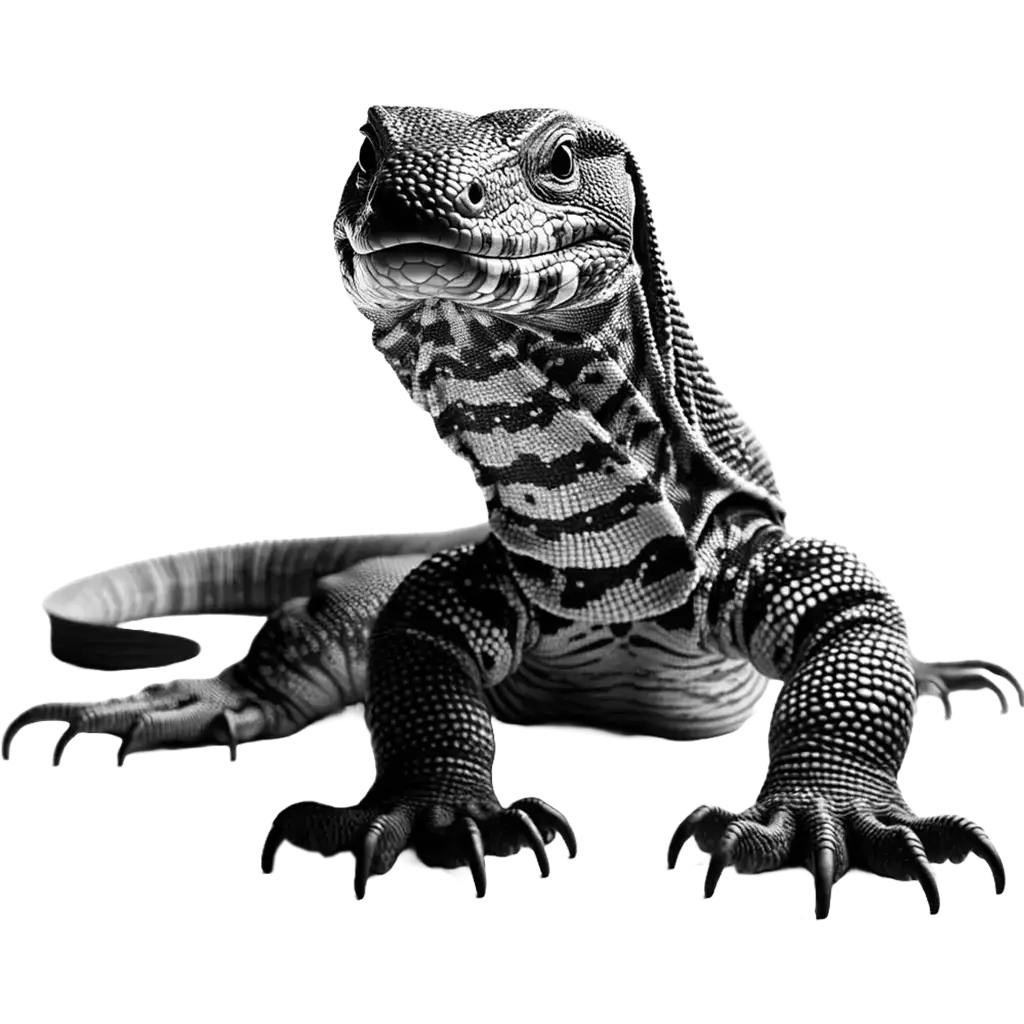
The Nile Monitor, varanus niloticus, is a large, robust lizard native to Africa, renowned for its versatility and adaptability to various environments. This species is among the largest lizards in Africa, with adults commonly reaching lengths of up to 2 meters (6.5 feet), including their long, muscular tails which are
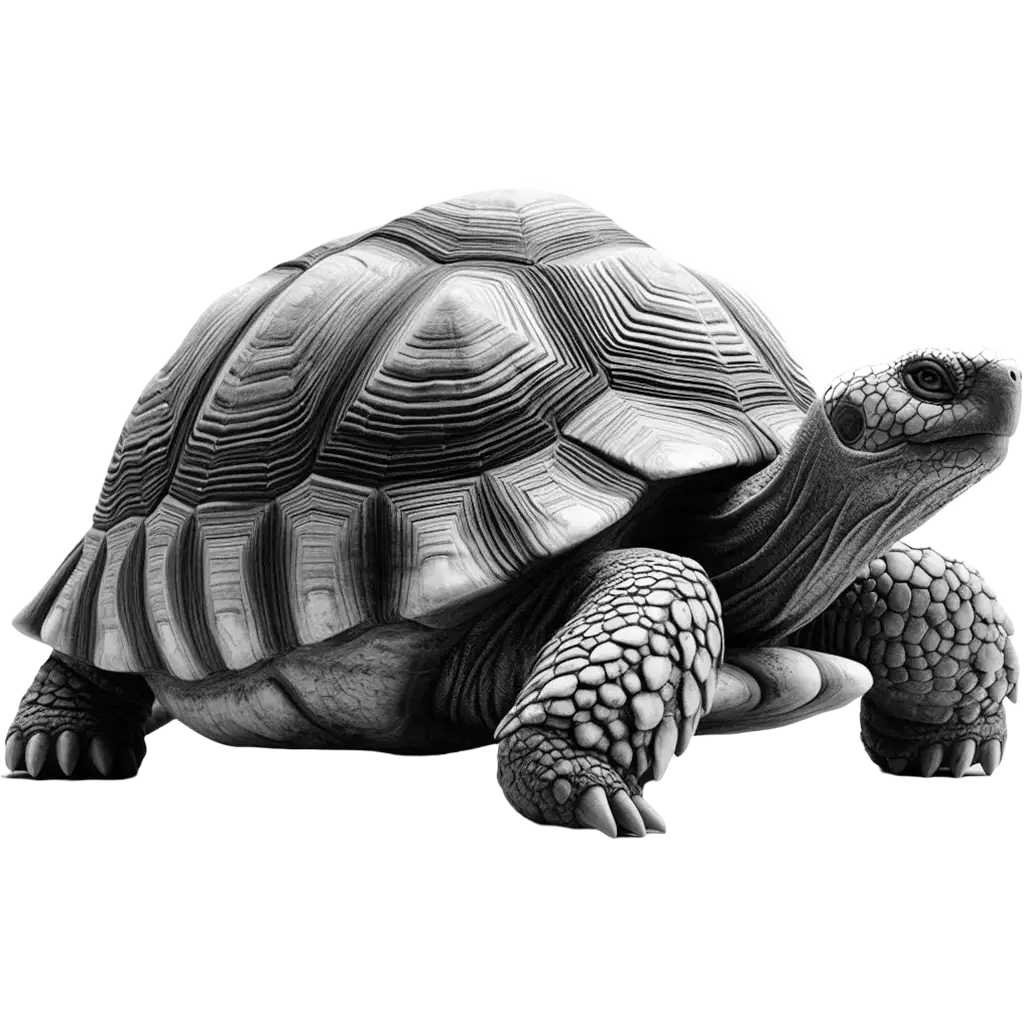
The Greek Tortoise, testudo graeca, also known as the Spur-thighed Tortoise, is a species of tortoise native to North Africa, Southern Europe, and parts of Asia. This species is distinguished by its high-domed shell, which ranges in color from golden yellow to dark brown, often with distinctive black markings. Adult
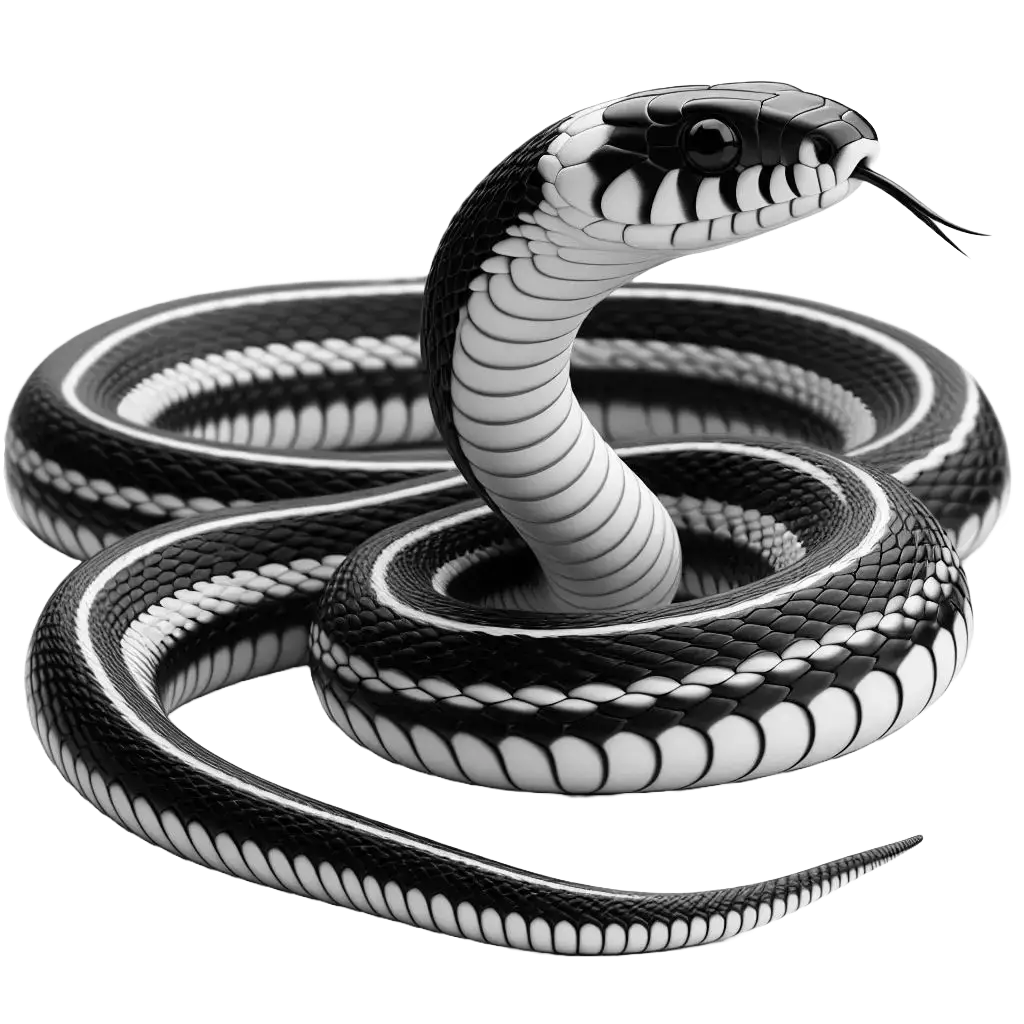
The Four-Lined Snake, elaphe quatuorlineata, is one of the largest European snake species, known for its distinctive pattern and coloration. Adults can reach impressive lengths of up to 2 meters (about 6.5 feet), making them formidable predators in their natural habitats. Their name derives from the four dark stripes that
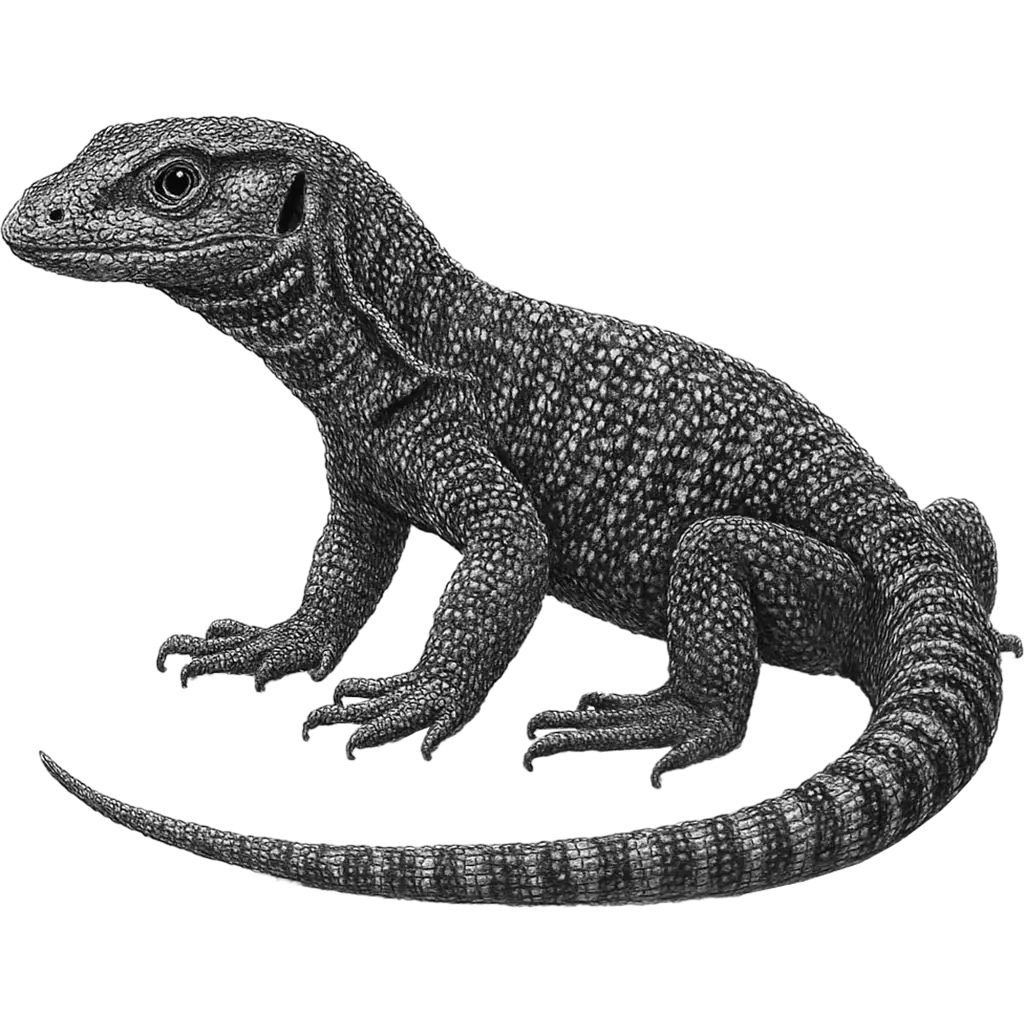
The Timor Monitor reaches up to 61 cm in total length, including a long prehensile tail that comprises two‑thirds of its body. Its dorsal coloration is dark greenish‑gray to black, adorned with bright yellow or pale blue spots that form irregular bands. The ventral surface is straw‑yellow. It has a