
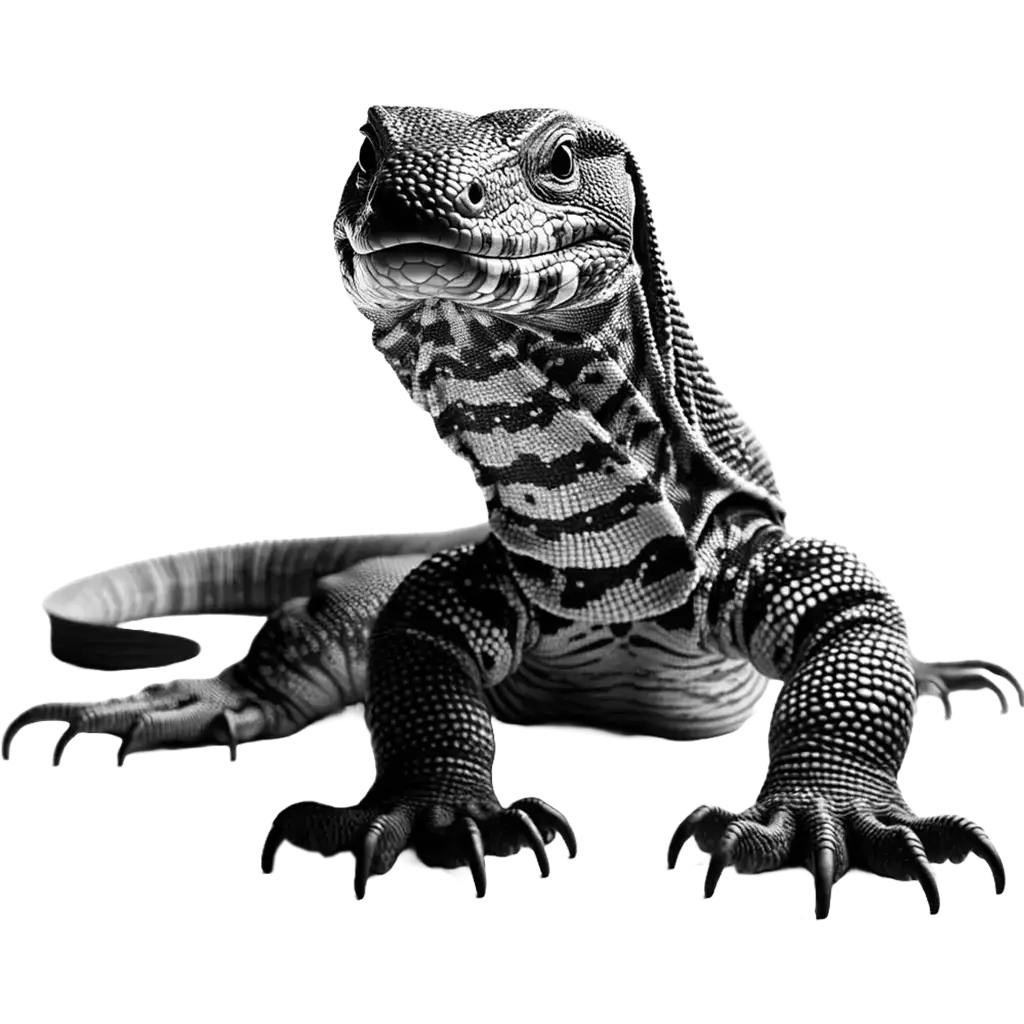
Varanus Niloticus
Nile Monitor
Freshwater rivers, lakes, and swamps, as well as surrounding woodland and savannah regions
The Nile Monitor, varanus niloticus, is a large, robust lizard native to Africa, renowned for its versatility and adaptability to various environments. This species is among the largest lizards in Africa, with adults commonly reaching lengths of up to 2 meters (6.5 feet), including their long, muscular tails which are used for swimming and defense. Characterized by its strong, agile body, the Nile Monitor has a distinctive pattern of yellow and black bands across its back and tail, with a lighter underbelly. Their powerful limbs are equipped with sharp claws, used for climbing, digging, and capturing prey.
| Population: | Listed as Least Concern, but subject to habitat loss and hunting in some areas |
| Generation Length: | 5-7 years |
| Average Weight: | 6-15 kg |
| Average Length: | 1.5-2 meters |
| Lifespan: | Up to 20 years in the wild |
| Diet: | Predominantly carnivorous, known for its opportunistic and varied diet |
| Conservation Status: | Least Concern (LC) |
Inhabiting a wide range of aquatic and terrestrial habitats, the Nile Monitor is found along rivers, lakes, and swamps, as well as in forests and savannahs across sub-Saharan Africa. They are highly adept swimmers and can often be seen basking on riverbanks or foraging along the water's edge. This species is known for its intelligence and problem-solving abilities, often raiding crocodile nests to feed on eggs.
The diet of the Nile Monitor is varied and includes insects, fish, amphibians, birds, small mammals, and carrion. They are also known to prey on the eggs and hatchlings of both reptiles and birds, utilizing their keen sense of smell to locate nests. This opportunistic feeding behavior allows them to thrive in diverse environments and play a crucial role in controlling pest populations.
Reproduction in the Nile Monitor involves the laying of eggs, with females depositing clutches of up to 60 eggs in termite mounds or burrows, where the constant temperature aids in incubation. This unique strategy provides the eggs with protection from predators and ensures a stable environment for development.
The population of the Nile Monitor is considered stable in most of its range, but it faces threats from habitat loss, hunting for its skin and meat, and persecution due to its reputation as a poultry predator. Conservation efforts are focused on habitat protection and regulating trade to ensure the species' sustainability. Despite these challenges, the Nile Monitor remains a resilient and widespread species, demonstrating remarkable adaptability to Africa's changing landscapes.
Classifications
The Key Attributes
Features
- Movement:
Swimming, climbing, running
- Territorial Behavior:
Solitary and territorial
- Speed:
Fast and agile, both in water and on land
- Diet:
Carnivore
- Physical Features:
- Long, muscular body with a powerful tail for swimming
- Sturdy limbs with sharp claws for climbing and digging
- Sharp teeth and strong jaws
- Prominent scale patterns with yellow or white bands and spots
- Primary Senses:
- Sight
- Smell
- Hearing
Understanding Habitat and Range
Geography
- Habitat:
Freshwater rivers, lakes, and swamps, as well as surrounding woodland and savannah regions
- Migration Patterns:
Non-migratory, but can travel long distances in search of food or suitable habitat
- Geographical Range:
Throughout much of Sub-Saharan Africa, extending to the Nile river and delta in the north
- Climate Preferences:
Prefers warm, tropical to subtropical climates
Navigating the Wilderness
In the wild
- Predators:
Crocodiles, large birds of prey, and humans
- Prey:
Wide variety of animals, including fish, birds, rodents, and other small creatures
- Feeding Behavior:
Opportunistic feeder, preying on fish, birds, small mammals, reptiles, insects, and carrion
- Diet:
Predominantly carnivorous, known for its opportunistic and varied diet
- Defensive Mechanisms:
- Aggressive demeanor; uses tail, claws, and teeth for defense
- Excellent swimming and climbing abilities to escape threats or pursue prey
- Preferred Food Sources:
- Diverse, depending on the availability of prey in its habitat
Insights Into Reproduction
Mating
- Mating System:
Polygynous
- Number of Offspring:
Lays 40-60 eggs per clutch
- Incubation Period:
About 6-8 months
- Parental Involvement:
- Females guard the nest site but do not care for the young once hatched
Youngsters Section
Nile Monitor
Fun Fact
Nile Monitors are excellent swimmers with powerful tails that help them navigate through water effortlessly.
These lizards can hold their breath underwater for up to 30 minutes. Native to Africa, Nile Monitors are highly adaptable and can be found in various habitats, from rivers to savannas. They have sharp claws and strong jaws, making them formidable predators.

Download word search puzzles
Word Search Puzzles

Check Out Other Reptiles
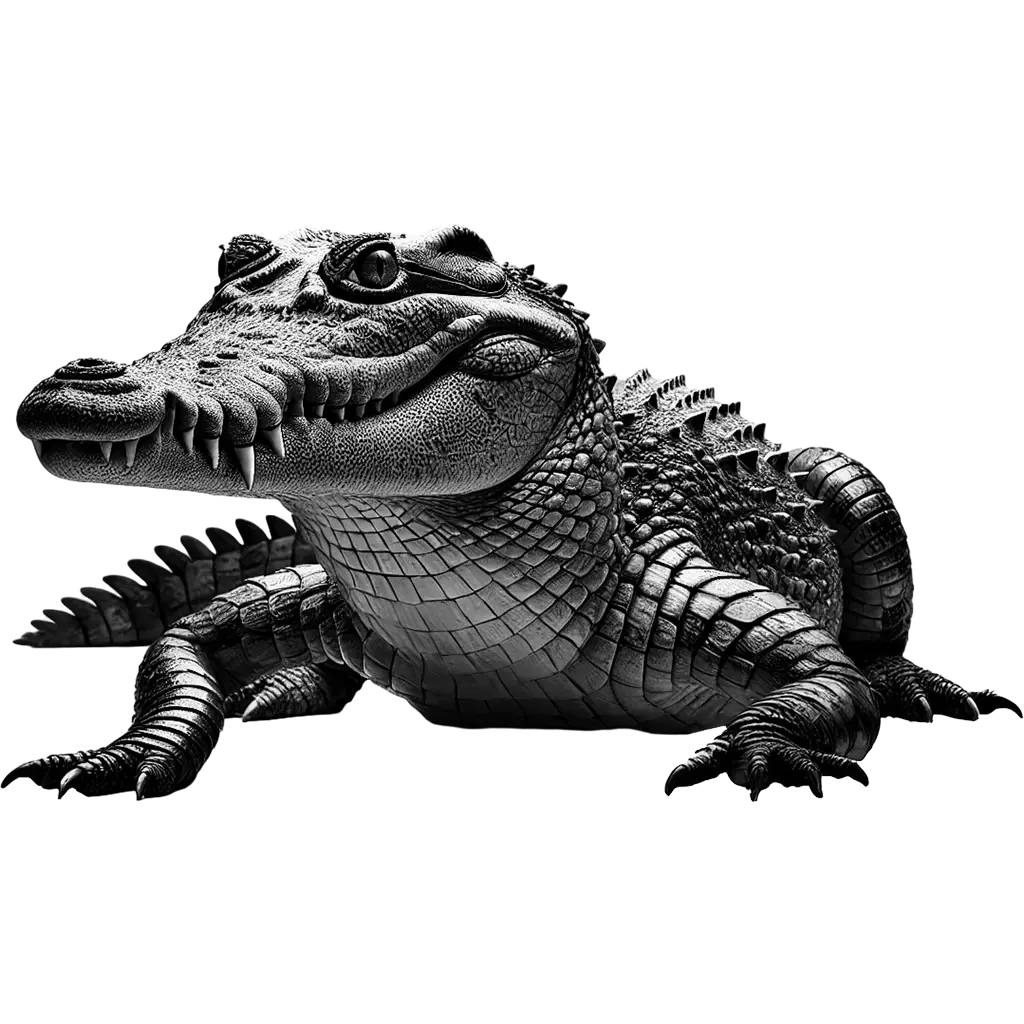
The American Crocodile is a large reptilian predator that inhabits coastal wetlands, rivers, and estuaries in the Americas. It is easily distinguished from its close relative, the American Alligator, by its long, V-shaped snout and lighter grayish-green coloration. Adults range between 3 to 5 meters in length, with some exceptional
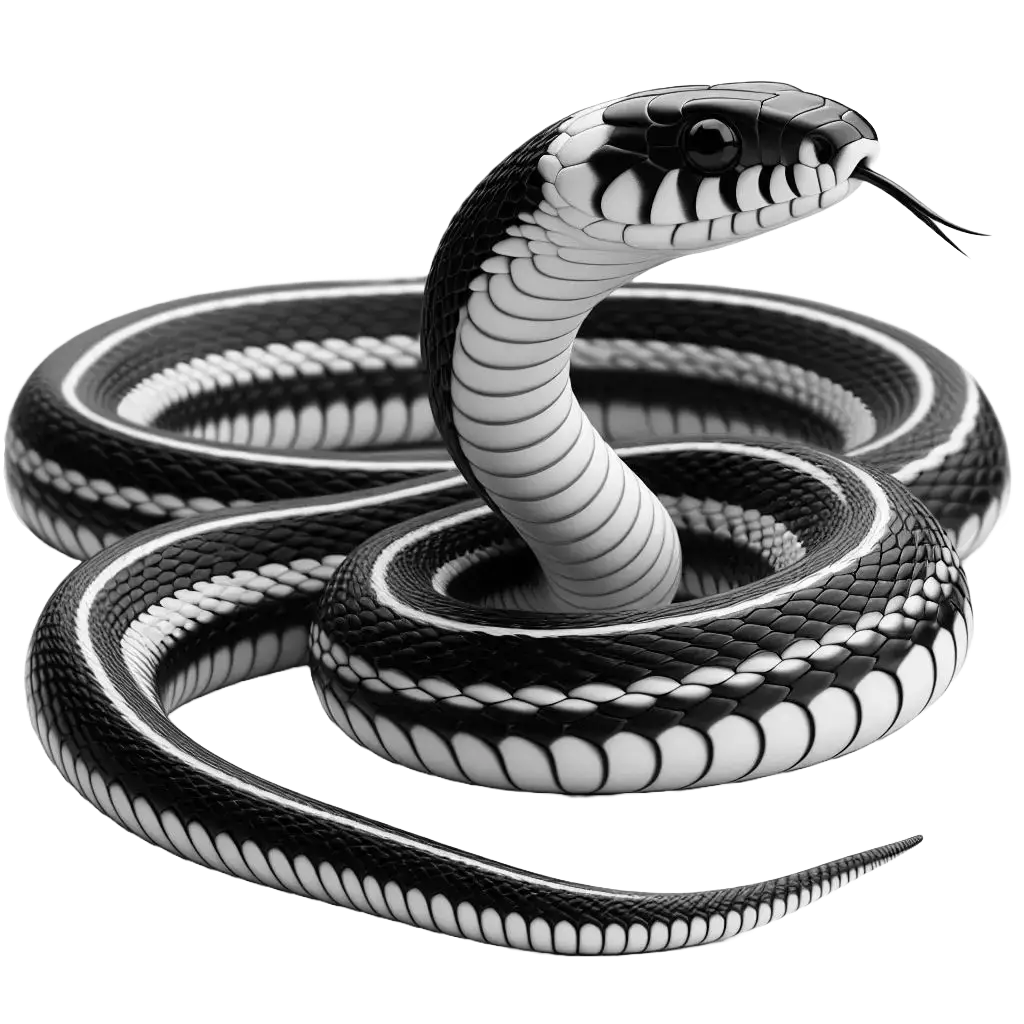
The Four-Lined Snake, elaphe quatuorlineata, is one of the largest European snake species, known for its distinctive pattern and coloration. Adults can reach impressive lengths of up to 2 meters (about 6.5 feet), making them formidable predators in their natural habitats. Their name derives from the four dark stripes that
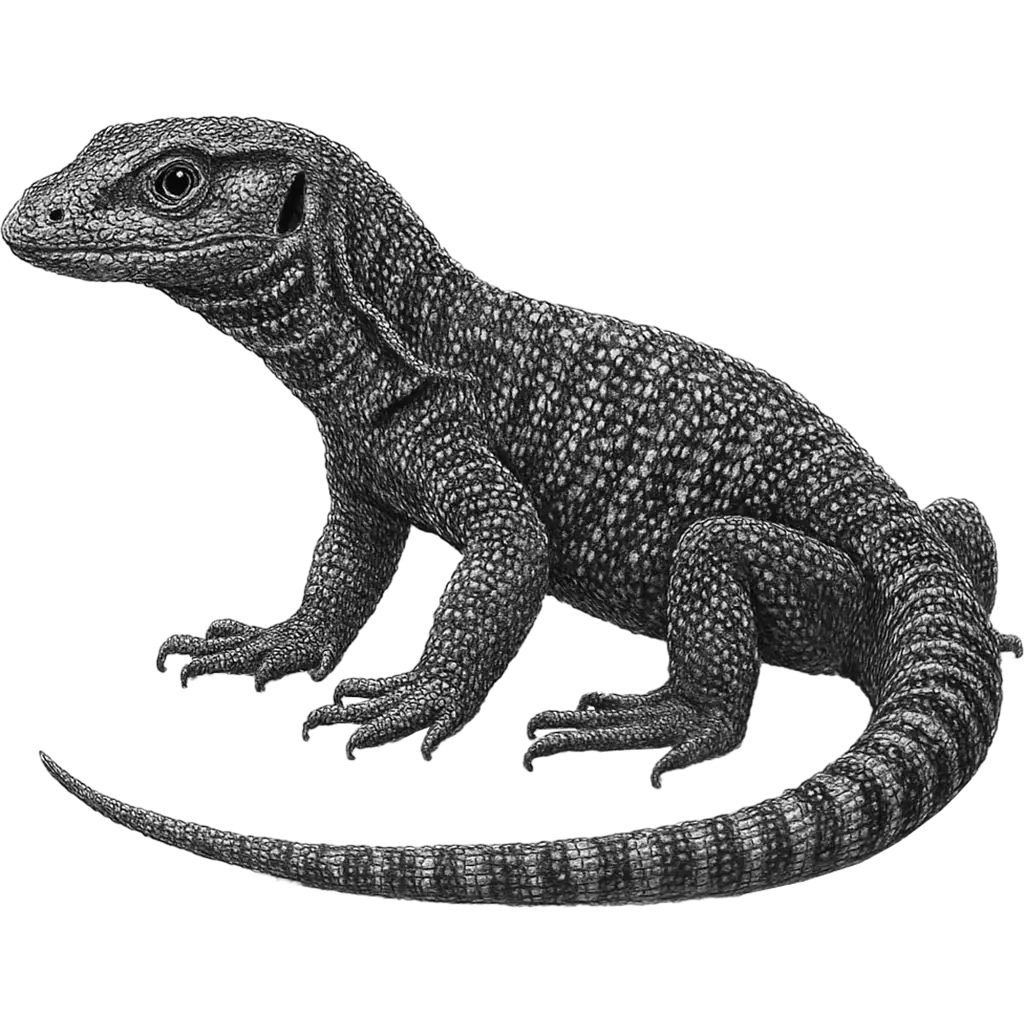
The Timor Monitor reaches up to 61 cm in total length, including a long prehensile tail that comprises two‑thirds of its body. Its dorsal coloration is dark greenish‑gray to black, adorned with bright yellow or pale blue spots that form irregular bands. The ventral surface is straw‑yellow. It has a
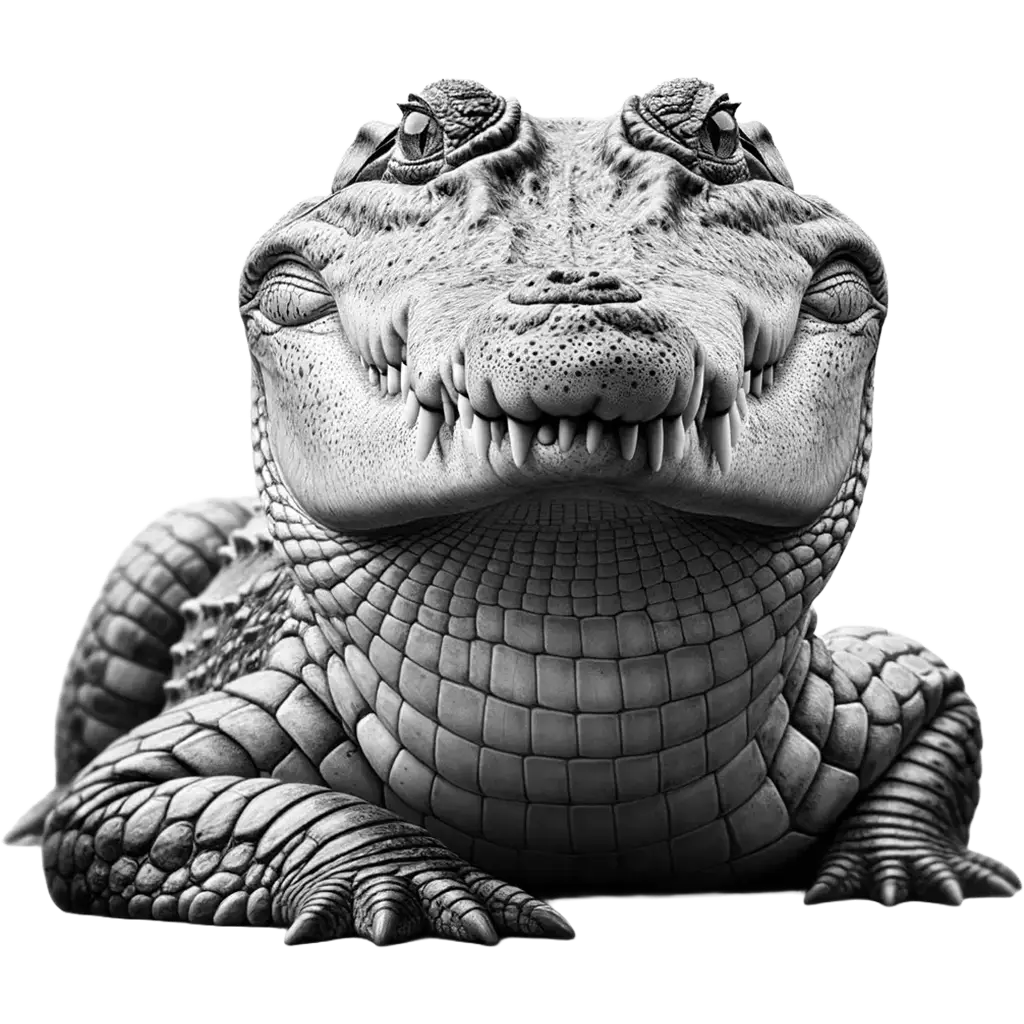
The Saltwater Crocodile, crocodylus porosus, is the largest of all living reptiles, as well as the largest terrestrial and riparian predator in the world. Males of this species can reach lengths of more than 6 meters (20 feet), with exceptional individuals exceeding 7 meters (23 feet) and weighing over 1,000