
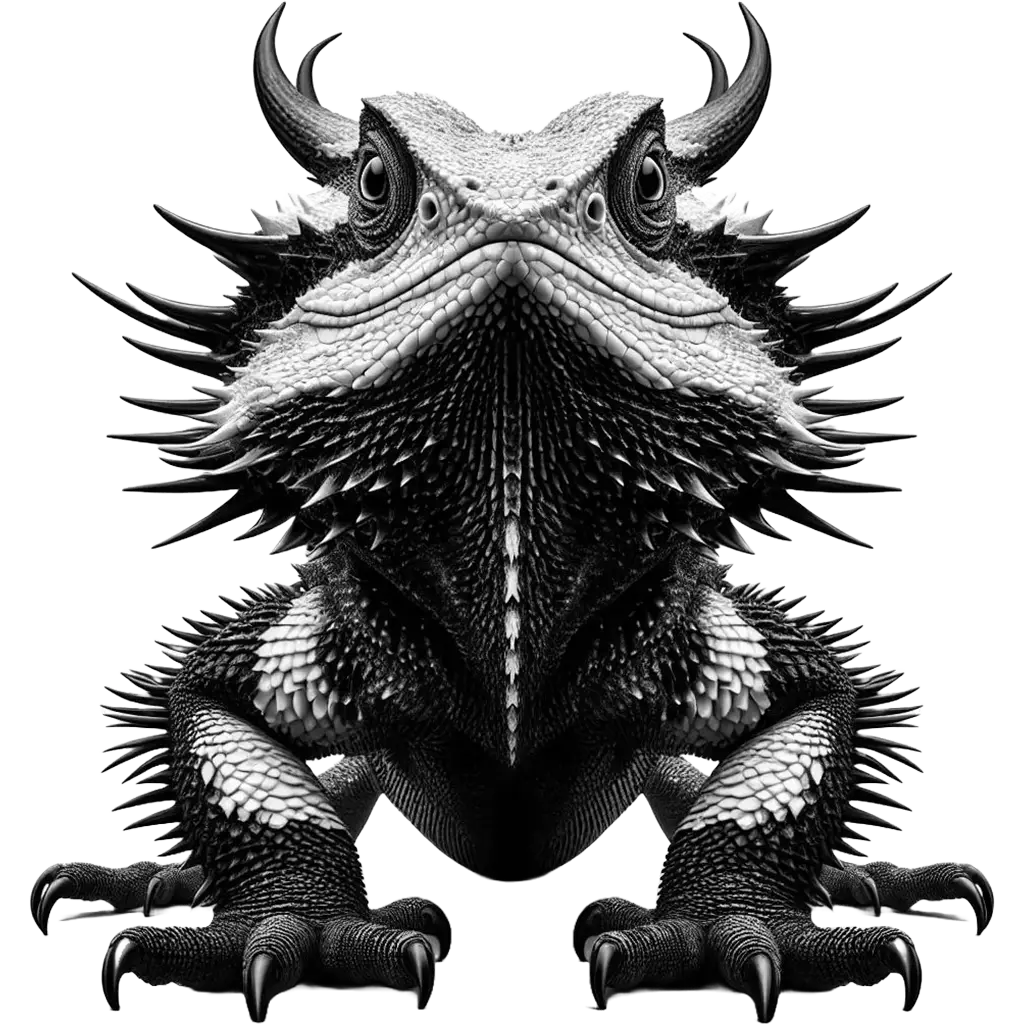
Phrynosoma Asio
Giant Horned Lizard
Desert and arid scrublands
The Giant Horned Lizard, phrynosoma asio, is a remarkable reptile known for its distinctive appearance, featuring an array of sharp horns that adorn its head and sides, providing an effective deterrent against predators. This species is the largest of the horned lizards, with adults reaching lengths of up to 15 cm. Their body is flat and broad, designed for maximum heat absorption and camouflage within their desert and arid habitats. The coloration of these lizards varies from shades of brown to tan, allowing them to blend seamlessly with the sandy environment. The texture of their skin mimics the roughness of their surroundings, further aiding in their concealment from threats.
| Population: | Not extensively studied; no precise population estimates, but considered relatively uncommon |
| Generation Length: | 3-4 years |
| Average Weight: | Not typically measured due to variability and small size |
| Average Length: | Up to 12.7 cm (5 inches) from snout to vent |
| Lifespan: | 5-8 years in the wild, potentially longer in captivity |
| Diet: | Ant-specialist, supplementing diet with other insects as available |
| Conservation Status: | Least Concern (LC) |
Giant Horned Lizards lead a predominantly solitary life, coming together only during mating season. Their daily activities are primarily diurnal, with individuals spending the cooler morning hours basking in the sun to raise their body temperature before becoming more active to forage. Their habitat preferences include sandy deserts, scrublands, and rocky outcrops where they can easily hide from predators and seek out prey. These lizards have developed unique behavioral adaptations to survive in harsh environments, including burrowing into the ground to escape extreme heat or predators.
Dietarily, Phrynosoma asio primarily feeds on ants, making up a significant portion of their intake, but they will also consume other small insects and arthropods. Their specialized tongue and sticky saliva allow them to capture ants efficiently, consuming thousands in a single day. This diet is high in protein and provides the necessary energy to sustain their active lifestyle. Moreover, their preference for ants plays a role in controlling ant populations, impacting the ecological balance of their habitats.
Mating for the Giant Horned Lizard occurs shortly after hibernation ends, with males competing for the attention of females through displays of dominance and territory. After successful mating, females lay eggs in burrows dug into the ground, where they are left to incubate. The number of eggs varies, but clutches typically contain between 5 to 15 eggs, which hatch after several weeks, depending on the temperature and conditions of the environment.
The population of the Giant Horned Lizard is of concern in several areas due to habitat loss, predation by non-native species, and the pet trade. Conservation efforts are essential to protect these unique lizards and their habitats. Despite challenges, they continue to thrive in protected areas and reserves where their natural ecosystems are preserved. Efforts to monitor and study their populations are crucial for developing effective conservation strategies and ensuring the survival of this fascinating species.
Classifications
The Key Attributes
Features
- Movement:
Crawling
- Territorial Behavior:
Solitary
- Speed:
Not specifically quantified; relies more on camouflage than speed for defense
- Diet:
Carnivore
- Physical Features:
- Distinctive horns on the head and sides
- Spiny appearance for defense
- Camouflaged coloration matching the desert environment
- Flat body aiding in concealment against predators
- Primary Senses:
- Sight
- Taste (via tongue)
Understanding Habitat and Range
Geography
- Habitat:
Desert and arid scrublands
- Migration Patterns:
Non-migratory, but may move locally in response to environmental conditions
- Geographical Range:
Endemic to the Pacific coast of Mexico
- Climate Preferences:
Prefers hot, dry climates
Navigating the Wilderness
In the wild
- Predators:
Birds of prey, larger reptiles
- Prey:
Ants, small insects
- Feeding Behavior:
Feeds primarily on ants, also consuming other small insects and invertebrates
- Diet:
Ant-specialist, supplementing diet with other insects as available
- Defensive Mechanisms:
- Camouflage
- Spiny body and horns deter predators
- Can squirt blood from its eyes as a defense mechanism
- Preferred Food Sources:
- Ants
- Small invertebrates
Insights Into Reproduction
Mating
- Mating System:
Polygynous
- Number of Offspring:
Lays clutches of 2-16 eggs, depending on environmental conditions
- Incubation Period:
About 50-60 days
- Parental Involvement:
- No parental care after laying eggs; offspring are independent from hatching
Youngsters Section
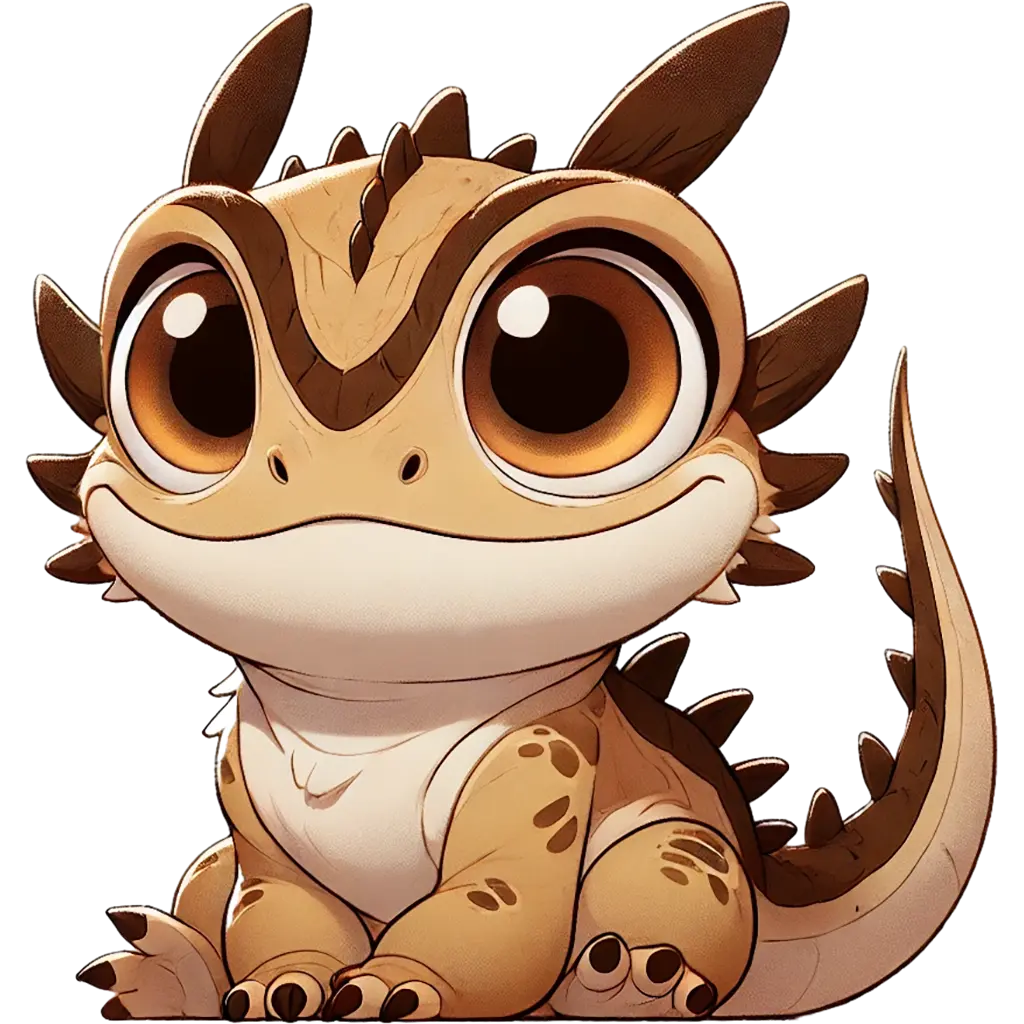
Giant Horned Lizard
Fun Fact
The Giant Horned Lizard can squirt blood from its eyes as a defense mechanism against predators.
This unusual ability is used to confuse or deter predators, such as coyotes and birds of prey. The blood-squirting can reach a distance of up to five feet. Additionally, their diet mainly consists of ants, which they consume using a sticky tongue. This adaptation helps them survive in arid environments where food sources are limited.

Download word search puzzles
Word Search Puzzles
Check Out Other Reptiles
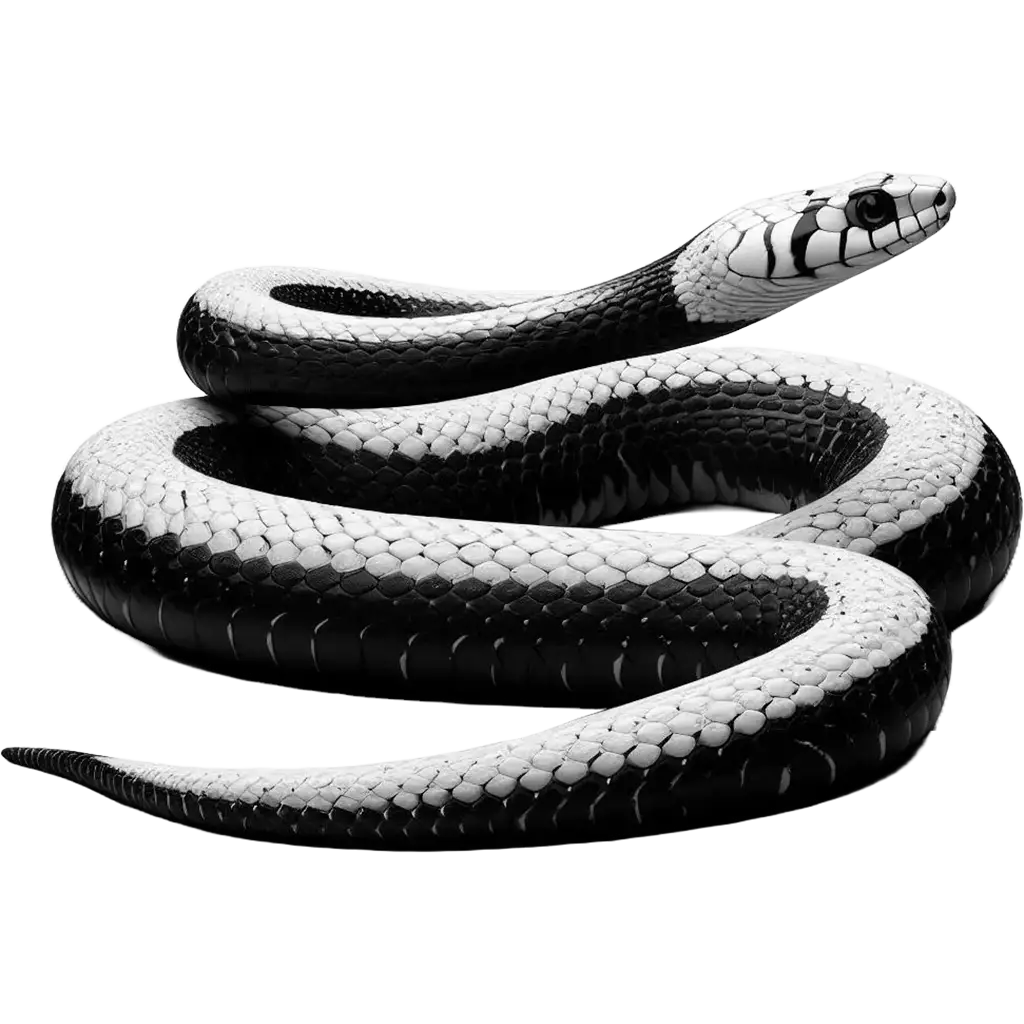
The Eastern Coral Snake, micrurus fulvius, is a highly venomous snake native to the southeastern United States. Characterized by its distinctive color pattern of black, yellow, and red bands, this slender snake can reach lengths of up to 30 inches (76 cm), though most are smaller. The vivid bands serve
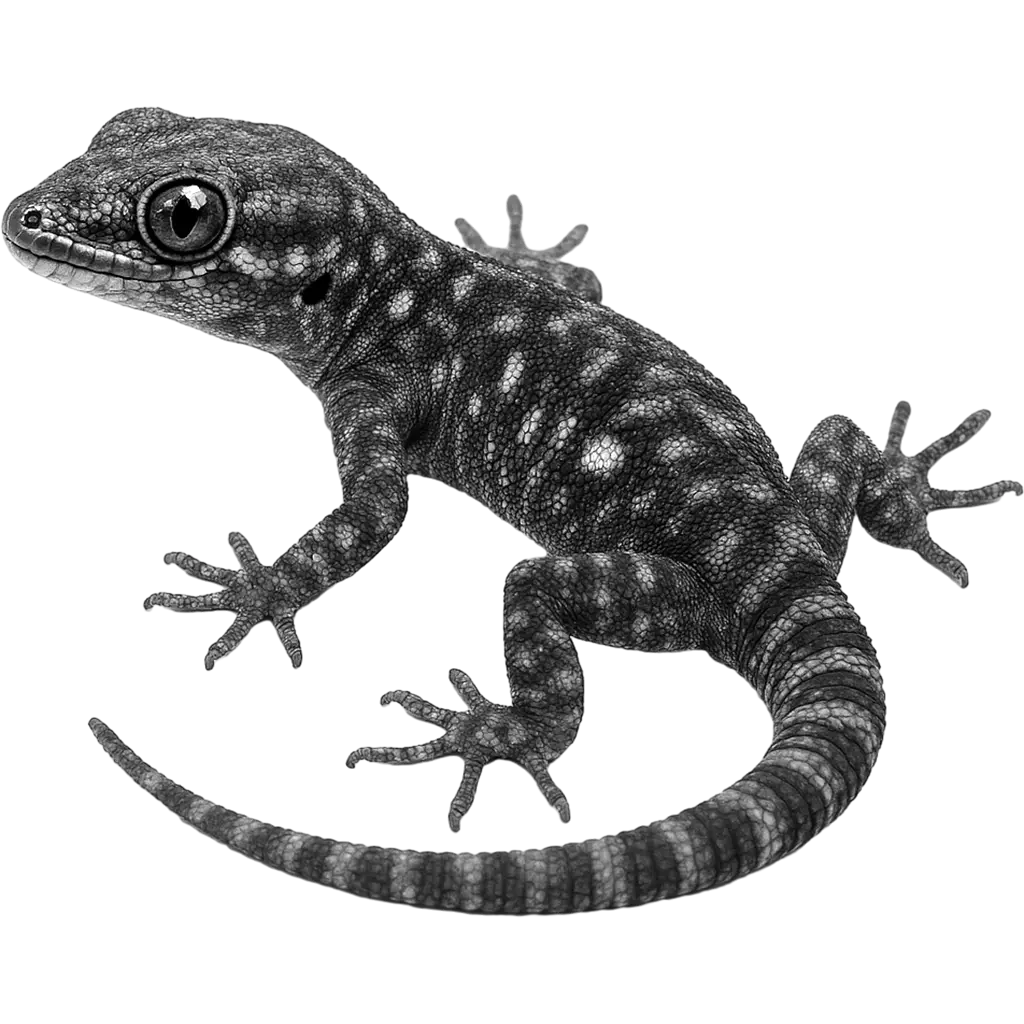
The Eyespot Gecko displays a compact, sturdy body with smooth, textured skin that shows a vibrant pattern of contrasting colors. Its most striking feature is the prominent eyespots on its dorsal surface, which appear almost like painted circles and enhance its distinctive look. The gecko's enlarged toe pads enable agile
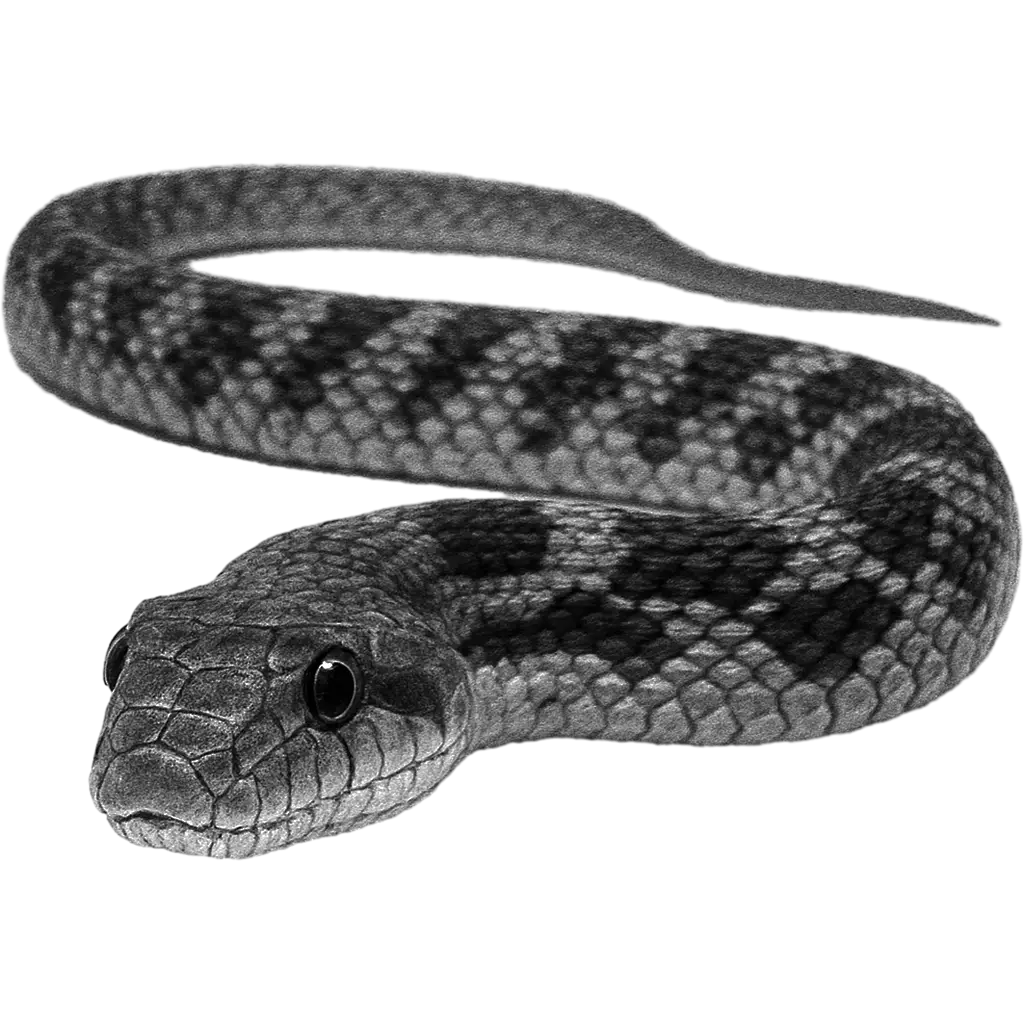
The Texas Rat Snake exhibits a slender, muscular body typically measuring between 90 and 160 centimeters in length. Its smooth, keeled scales display background hues from light gray to tan, overlaid with irregular dark blotches along the dorsum that may form crossbands. The head is slightly wider than the neck,
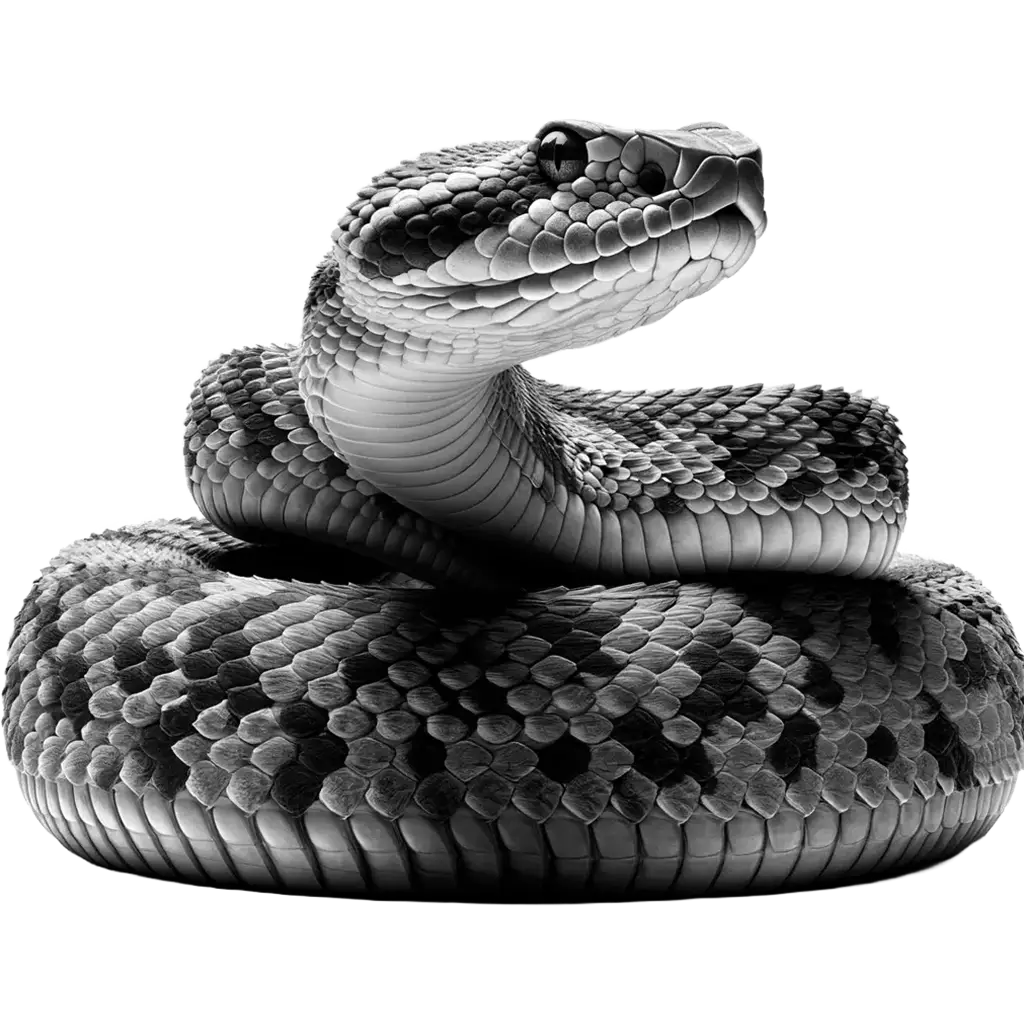
The Mojave Rattlesnake, crotalus scutulatus, often referred to as the 'Mojave Green' due to the greenish hue of its scales, is a highly venomous snake native to the desert regions of the southwestern United States and central Mexico. This rattlesnake is recognized by its distinctive diamond-shaped pattern along its back,