
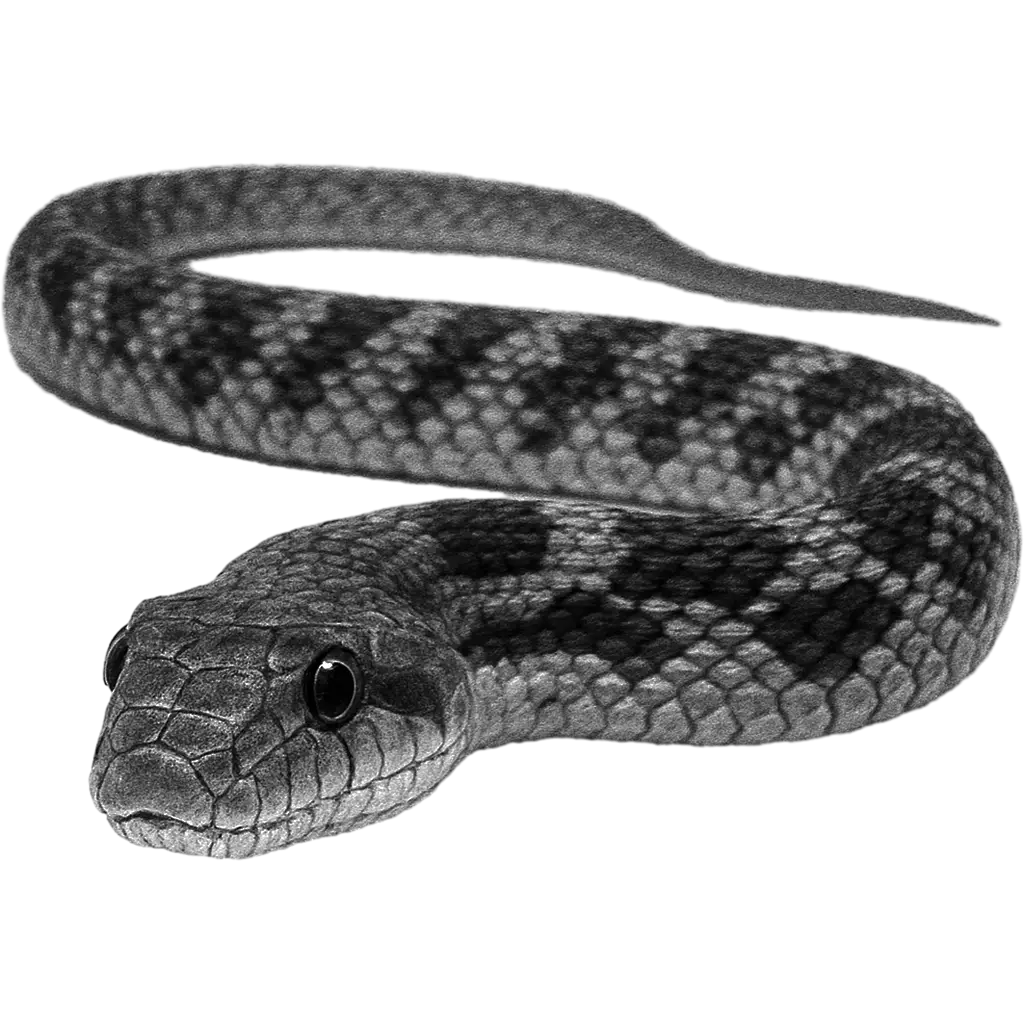
Pantherophis Obsoletus Lindheimeri
Texas Rat Snake
Woodlands, grasslands, farmlands, and suburban areas
The Texas Rat Snake exhibits a slender, muscular body typically measuring between 90 and 160 centimeters in length. Its smooth, keeled scales display background hues from light gray to tan, overlaid with irregular dark blotches along the dorsum that may form crossbands. The head is slightly wider than the neck, featuring a distinct loreal scale and round pupils that vary from amber to brown. The ventral surface is pale cream with scattered dark flecks, and the tail tapers gracefully, aiding in arboreal and terrestrial movement.
| Population: | Widespread and common in Texas and surrounding states; populations stable in natural and urban habitats |
| Generation Length: | 4 years |
| Average Weight: | 0.5-1.5 kg |
| Average Length: | 90-160 cm |
| Lifespan: | 10-20 years in the wild |
| Diet: | Small mammals, birds, and eggs captured by constriction and swallowed whole |
| Conservation Status: | Least Concern (LC) |
Primarily nocturnal and crepuscular, Texas Rat Snakes navigate diverse environments including woodlands, grasslands, farmlands, and suburban areas. They are adept climbers, ascending trees, fences, and rocky ledges to hunt bird nests, escape predators, or bask in sunlight. These snakes rely heavily on scent via their forked tongue and Jacobson's organ to locate prey and communicate chemically. Solitary by nature, individuals defend core shelters—such as hollow logs and brush piles—yet may share home ranges with minimal overlap. When threatened, they freeze or constrict, and often vibrate their tail in dry leaf litter to mimic rattlesnakes, deterring threats. Activity peaks in spring and summer months, tapering in colder seasons when they seek refuge in underground burrows or mammal dens. Their flexible behavior enables resilience in habitats altered by human activity.
Texas Rat Snakes are carnivorous constrictors, feeding primarily on small mammals such as deer mice, rats, and voles, while opportunistically consuming birds, eggs, amphibians, and occasionally reptile hatchlings. Using stealth, they ambush prey at burrow entrances or along runways before quickly coiling around the prey to apply constrictive pressure, inhibiting circulation and respiration. After immobilization, they swallow victims whole, aided by highly flexible jaw ligaments and backward-curved teeth. Juveniles consume more small ectotherms like lizards and frogs before transitioning to larger mammals as they grow. Their diet is rich in protein and fats, fueling growth, reproduction, and thermoregulation. Seasonal shifts in prey abundance prompt dietary adjustments: winter torpor reduces feeding to rare opportunistic hunts, while spring emergence drives increased consumption to replenish energy reserves after hibernation.
Breeding occurs in spring, when males seek females using pheromone trails. Courtship involves tactile stimulation and slow body alignment before mating. Females deposit clutches of ten to twenty oblong eggs in concealed locations such as rotting logs, mammal burrows, or compost piles. Incubation lasts approximately sixty days, during which embryos develop independently. Upon hatching, juveniles are fully equipped for terrestrial life, dispersing to establish individual home ranges without parental involvement.
The Texas Rat Snake is widespread across Texas and neighboring US states, maintaining stable populations in both wild and modified landscapes. Their adaptability to various habitats and tolerance of urban encroachment have contributed to their resilience. While local declines may result from habitat destruction, road mortality, and targeted persecution, overall numbers remain robust. Conservation measures focus on habitat preservation and public education to reduce unwarranted killing of these beneficial snakes.
Classifications
The Key Attributes
Features
- Movement:
Slithering locomotion
- Territorial Behavior:
Solitary
- Speed:
Moderate
- Diet:
Carnivore
- Physical Features:
- Long, slender body
- Keeled dorsal scales
- Variable blotched coloration
- Prehensile tail
- Primary Senses:
- Smell
- Sight
- Vibration detection
Understanding Habitat and Range
Geography
- Habitat:
Woodlands, grasslands, farmlands, and suburban areas
- Migration Patterns:
Non-migratory
- Geographical Range:
South-central United States (Texas, Oklahoma, Louisiana)
- Climate Preferences:
Subtropical to temperate climates
Navigating the Wilderness
In the wild
- Predators:
Birds of prey, raccoons, foxes
- Prey:
Rodents, birds, eggs, amphibians
- Feeding Behavior:
Ambush predator using constriction
- Diet:
Small mammals, birds, and eggs captured by constriction and swallowed whole
- Defensive Mechanisms:
- Tail vibration mimicking rattlesnake
- Camouflage
- Biting
- Preferred Food Sources:
- Rats
- Mice
- Voles
Insights Into Reproduction
Mating
- Mating System:
Polygynous
- Number of Offspring:
10-20 eggs per clutch
- Incubation Period:
Approximately 60 days
- Parental Involvement:
- None; eggs are left unattended
Youngsters Section
Texas Rat Snake
Fun Fact
Texas Rat Snakes can climb vertical surfaces like trees, fences, and even smooth walls using specialized belly scales.
They regularly vibrate their tail in dry leaf litter to mimic rattlesnakes when threatened. Juveniles consume lizards and frogs before progressing to rodents. Their adaptability allows them to thrive in urban and rural landscapes, often taking refuge in barns and attics. At up to 160 cm long, they rank among the largest rat snakes in North America, helping control rodent populations and benefiting agricultural areas.

Download word search puzzles
Word Search Puzzles
Check Out Other Reptiles
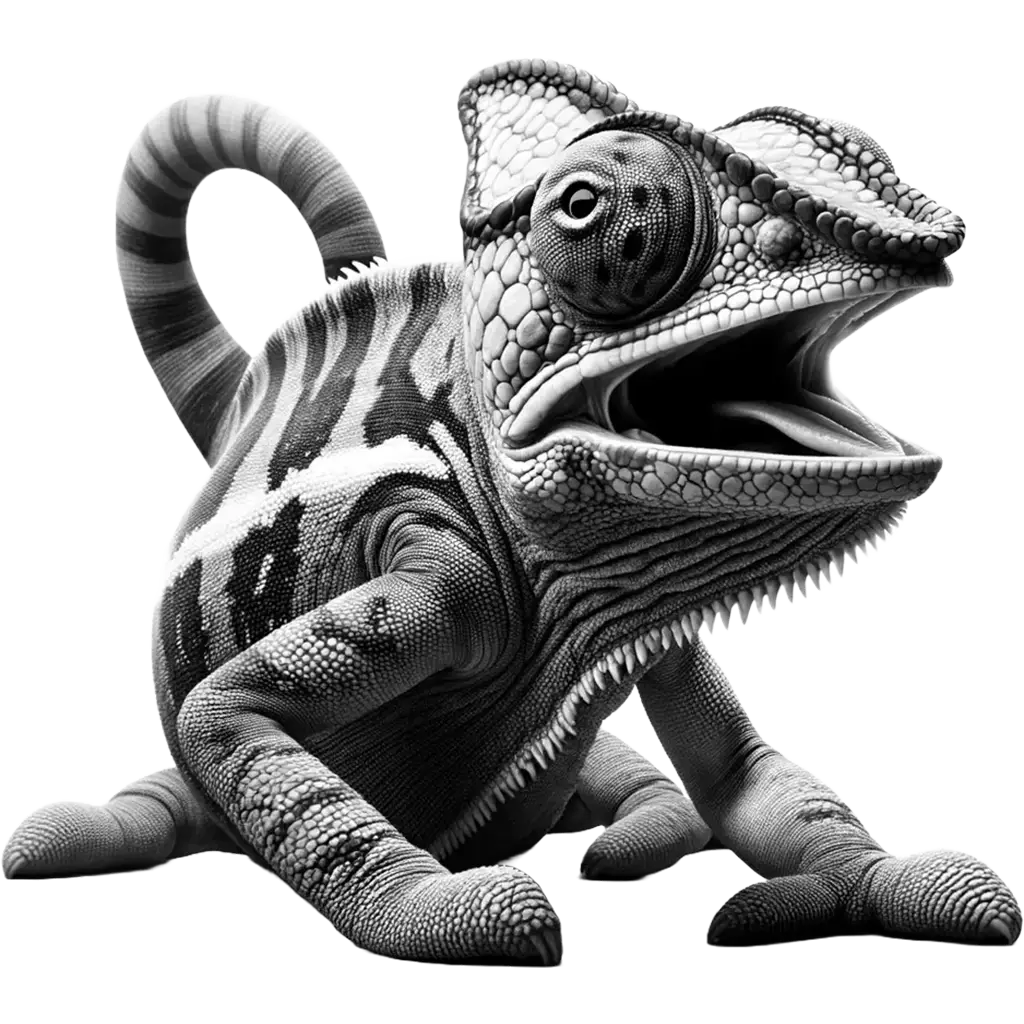
The Jewelled Chameleon, furcifer campani, is a striking species of chameleon endemic to the central highlands of Madagascar, particularly known for its vibrant colors and ornate appearance. Adults can grow to a length of approximately 20 to 23 centimeters, including the tail. This species exhibits a remarkable array of colors,
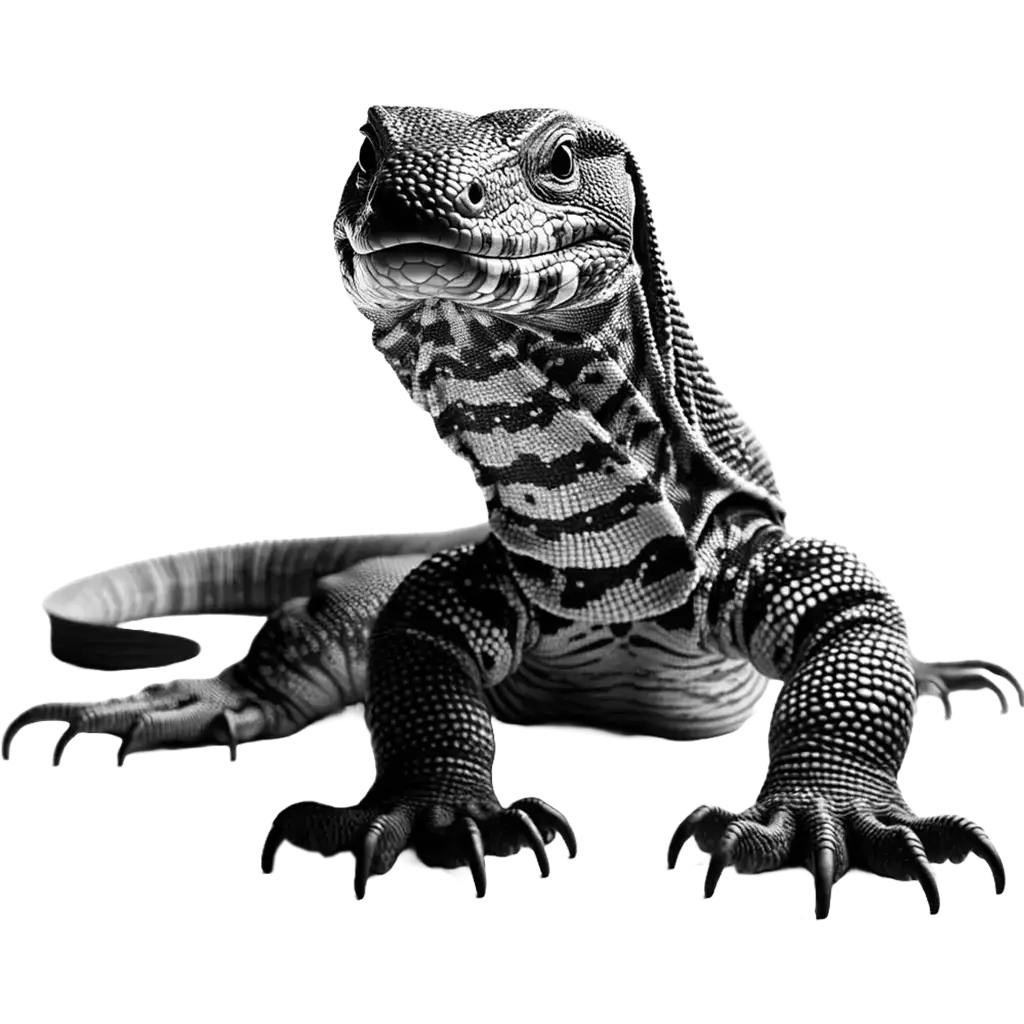
The Nile Monitor, varanus niloticus, is a large, robust lizard native to Africa, renowned for its versatility and adaptability to various environments. This species is among the largest lizards in Africa, with adults commonly reaching lengths of up to 2 meters (6.5 feet), including their long, muscular tails which are
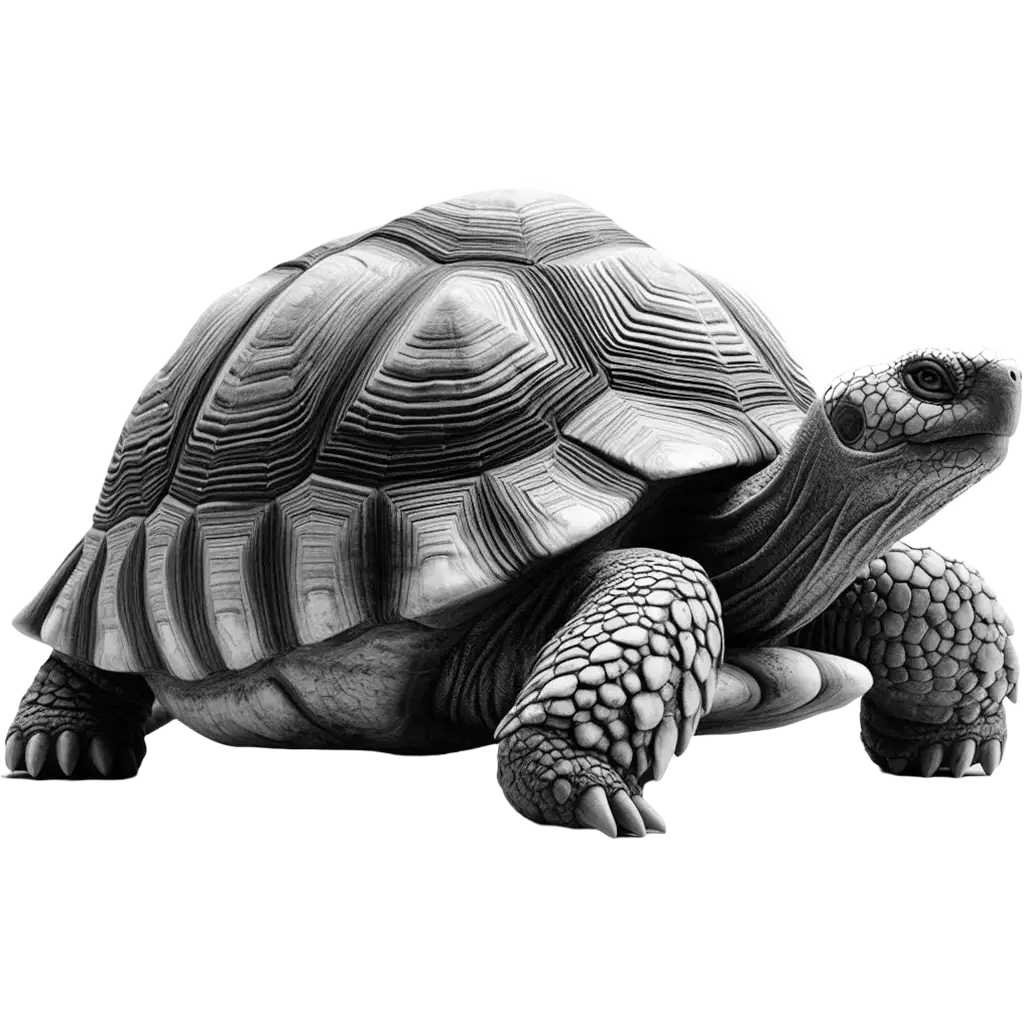
The Greek Tortoise, testudo graeca, also known as the Spur-thighed Tortoise, is a species of tortoise native to North Africa, Southern Europe, and parts of Asia. This species is distinguished by its high-domed shell, which ranges in color from golden yellow to dark brown, often with distinctive black markings. Adult

The Saltwater Crocodile, crocodylus porosus, is the largest of all living reptiles, as well as the largest terrestrial and riparian predator in the world. Males of this species can reach lengths of more than 6 meters (20 feet), with exceptional individuals exceeding 7 meters (23 feet) and weighing over 1,000