
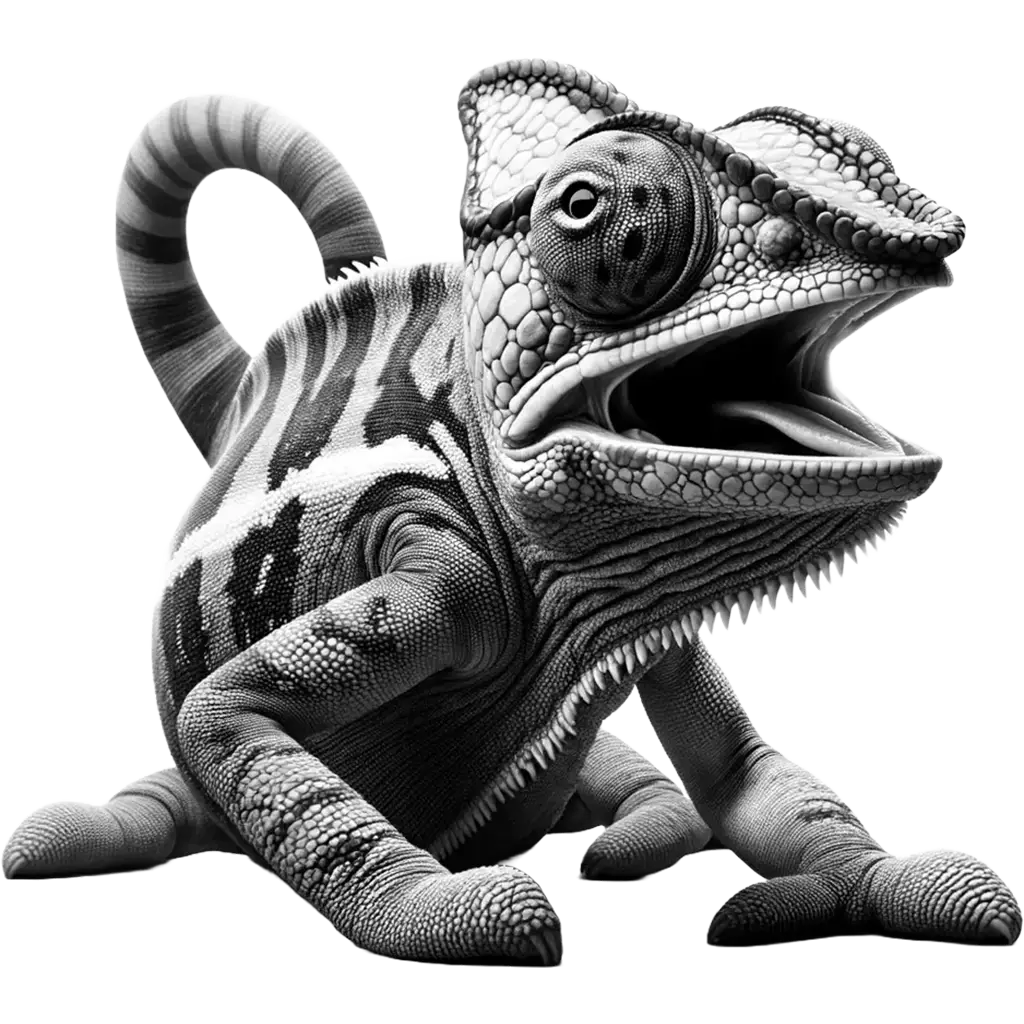
Furcifer Campani
Jewelled Chameleon
Montane rainforest
The Jewelled Chameleon, furcifer campani, is a striking species of chameleon endemic to the central highlands of Madagascar, particularly known for its vibrant colors and ornate appearance. Adults can grow to a length of approximately 20 to 23 centimeters, including the tail. This species exhibits a remarkable array of colors, with males displaying bright green bodies accented with white, yellow, or blue spots and stripes during display or when stressed. Females are generally less colorful but can also show a range of hues depending on their mood and health. Both sexes have a distinctive helmet-like structure on their heads, which is more pronounced in males.
| Population: | Not precisely quantified, but considered to be of least concern with a stable population trend |
| Generation Length: | 1-2 years |
| Average Weight: | Not widely documented; varies significantly with age and sex |
| Average Length: | 15-20 cm (including tail) |
| Lifespan: | 3-5 years in the wild |
| Diet: | Primarily insects |
| Conservation Status: | Vulnerable (VU) |
Furcifer campani inhabits the montane forests and shrubby areas of Madagascar, where it thrives in cool and humid conditions. This arboreal species spends most of its life in trees and bushes, utilizing its prehensile tail and zygodactylous feet to navigate the foliage in search of food and mates. The Jewelled Chameleon's ability to change color is not only used for communication with other chameleons but also as a means of thermoregulation and camouflage from predators.
The diet of the Jewelled Chameleon primarily consists of insects, including crickets, moths, and beetles, which they catch with their long, sticky tongues. This species is an ambush predator, remaining motionless for long periods before striking at prey with remarkable speed and accuracy. Their diet plays a crucial role in controlling insect populations in their habitat, contributing to the ecological balance of their ecosystem.
Reproduction in Furcifer campani follows a seasonal pattern, with mating typically occurring during the rainy season when food is abundant. Females lay clutches of eggs in moist soil or leaf litter, where they incubate for several months before hatching. The number of eggs and the duration of incubation can vary based on environmental conditions and the health of the female.
The Jewelled Chameleon is considered Near Threatened due to habitat destruction and degradation, primarily from agriculture, logging, and human settlement expansion. Their limited range within Madagascar's central highlands further exacerbates their vulnerability. Conservation efforts for Furcifer campani focus on habitat protection and restoration, as well as research to better understand their ecological needs and population dynamics. Sustainable land use practices and increased awareness are crucial to preserving the unique biodiversity of Madagascar, including the Jewelled Chameleon.
Classifications
The Key Attributes
Features
- Movement:
Quadrupedal, arboreal
- Territorial Behavior:
Solitary; males can be territorial
- Speed:
Slow, deliberate movement; capable of quick tongue strikes
- Diet:
Insectivore
- Physical Features:
- Vibrant green coloration with hints of brown
- Ridges and bumps on back
- Long, sticky tongue for catching insects
- Prehensile tail
- Primary Senses:
- Sight
- Tactile
Understanding Habitat and Range
Geography
- Habitat:
Montane rainforest
- Migration Patterns:
Non-migratory
- Geographical Range:
Endemic to a limited area in the central highlands of Madagascar
- Climate Preferences:
Tropical, prefers high humidity
Navigating the Wilderness
In the wild
- Predators:
Birds, snakes
- Prey:
Insects
- Feeding Behavior:
Diurnal; uses visual acuity to spot prey, catching it with rapid tongue projection
- Diet:
Primarily insects
- Defensive Mechanisms:
- Camouflage
- Staying motionless
- Quick escape
- Mouth gaping and hissing as a threat display
- Preferred Food Sources:
- Insects
Insights Into Reproduction
Mating
- Mating System:
Polygynous
- Number of Offspring:
10-40 eggs per clutch
- Incubation Period:
4-6 months
- Parental Involvement:
- No parental care after laying eggs
Youngsters Section
Jewelled Chameleon
Fun Fact
Jewelled Chameleons have an incredible ability to change colors to communicate or regulate body temperature.
Found in Madagascar, these chameleons exhibit bright, jewel-like colors when communicating with others, particularly during mating or territorial disputes. Their color-changing ability is not just for camouflage but also helps them absorb or reflect sunlight to maintain optimal body temperature. This species' vibrant hues make them a favorite among reptile enthusiasts.

Download word search puzzles
Word Search Puzzles


Check Out Other Reptiles
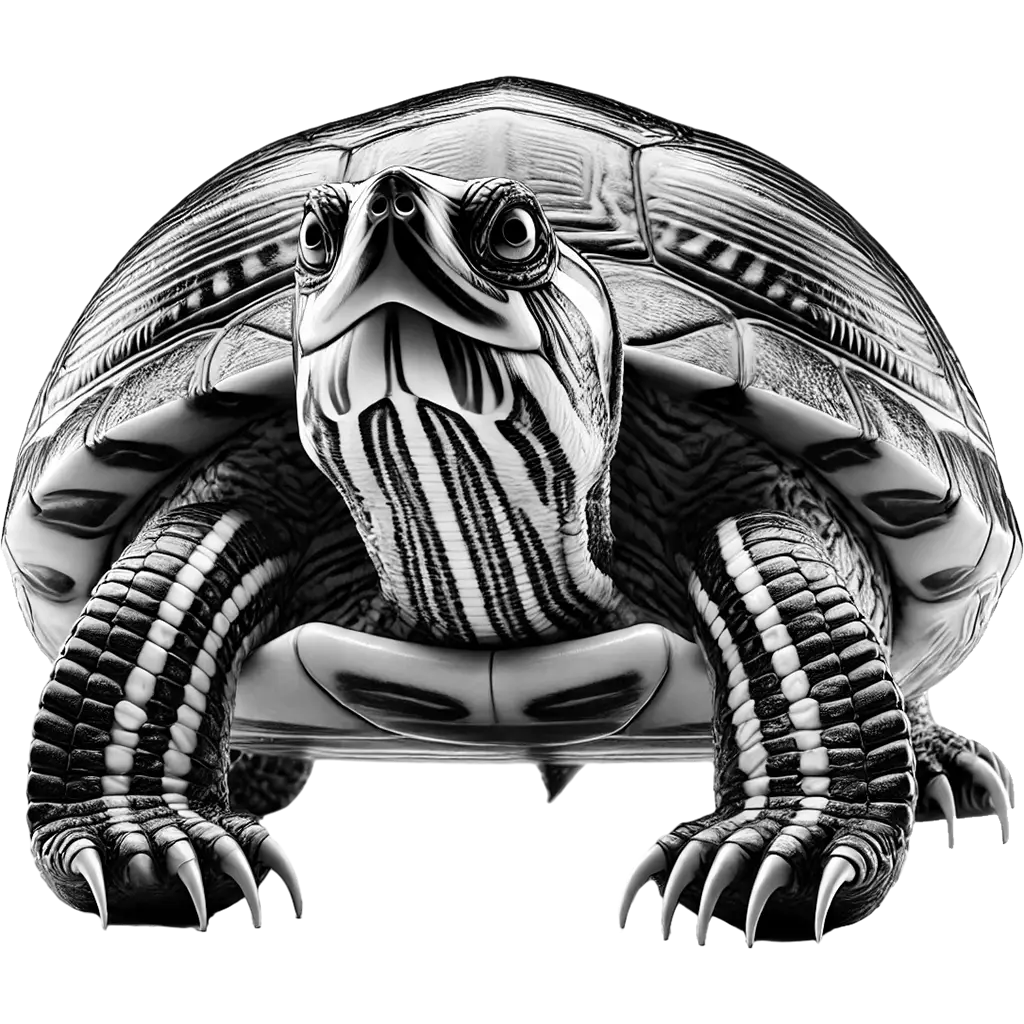
The Yellow-bellied Slider is a medium-sized freshwater turtle, easily recognized by its smooth, domed carapace colored in dark greens and browns, and its striking, bright yellow plastron that stands out when basking. Its streamlined body, webbed feet, and slightly elongated head are perfectly adapted for an aquatic lifestyle. The overall
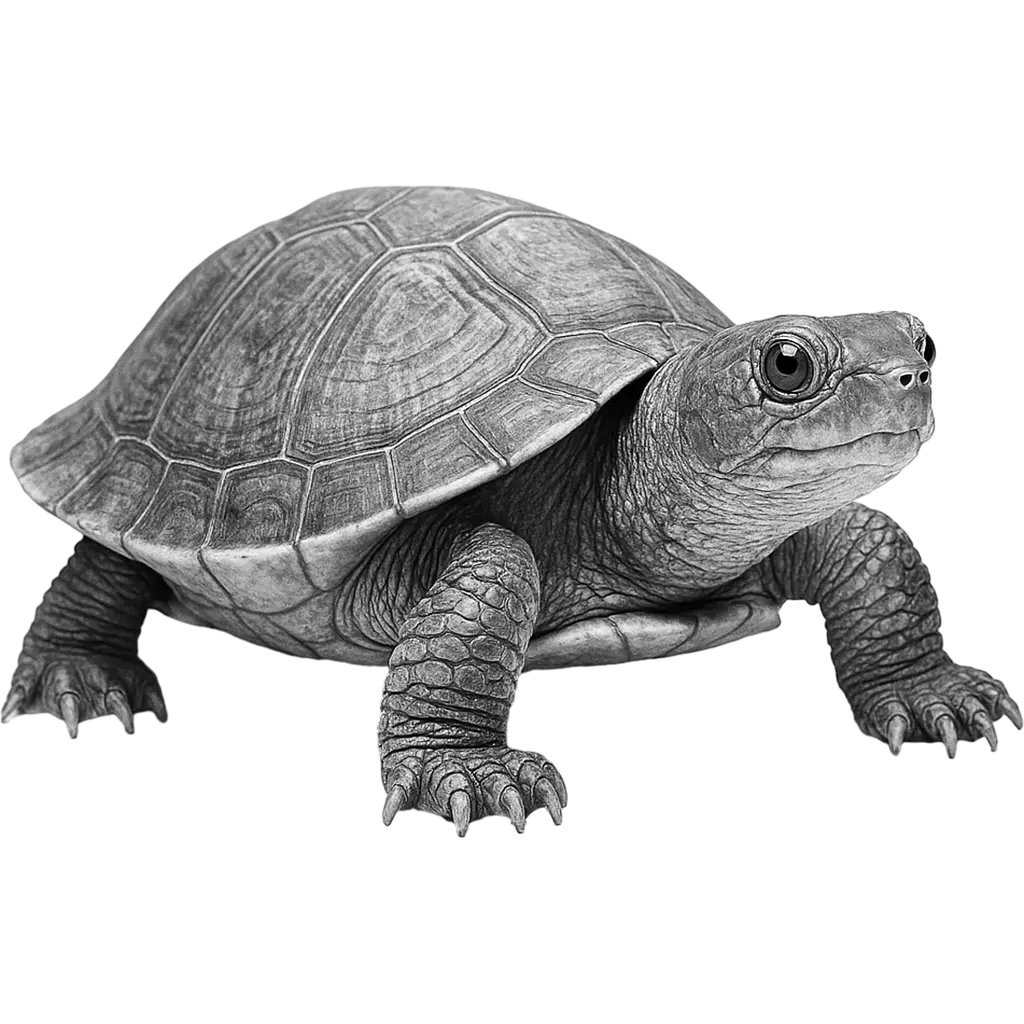
The Fitzroy River Turtle is characterized by a streamlined, pale carapace with smooth, fluted margins that provide natural camouflage in sunlit riverbeds. Its robust body, adapted for an aquatic lifestyle, is complemented by sturdy, webbed limbs that aid in efficient swimming. The turtle's subtle coloration and sensitive eyes blend seamlessly
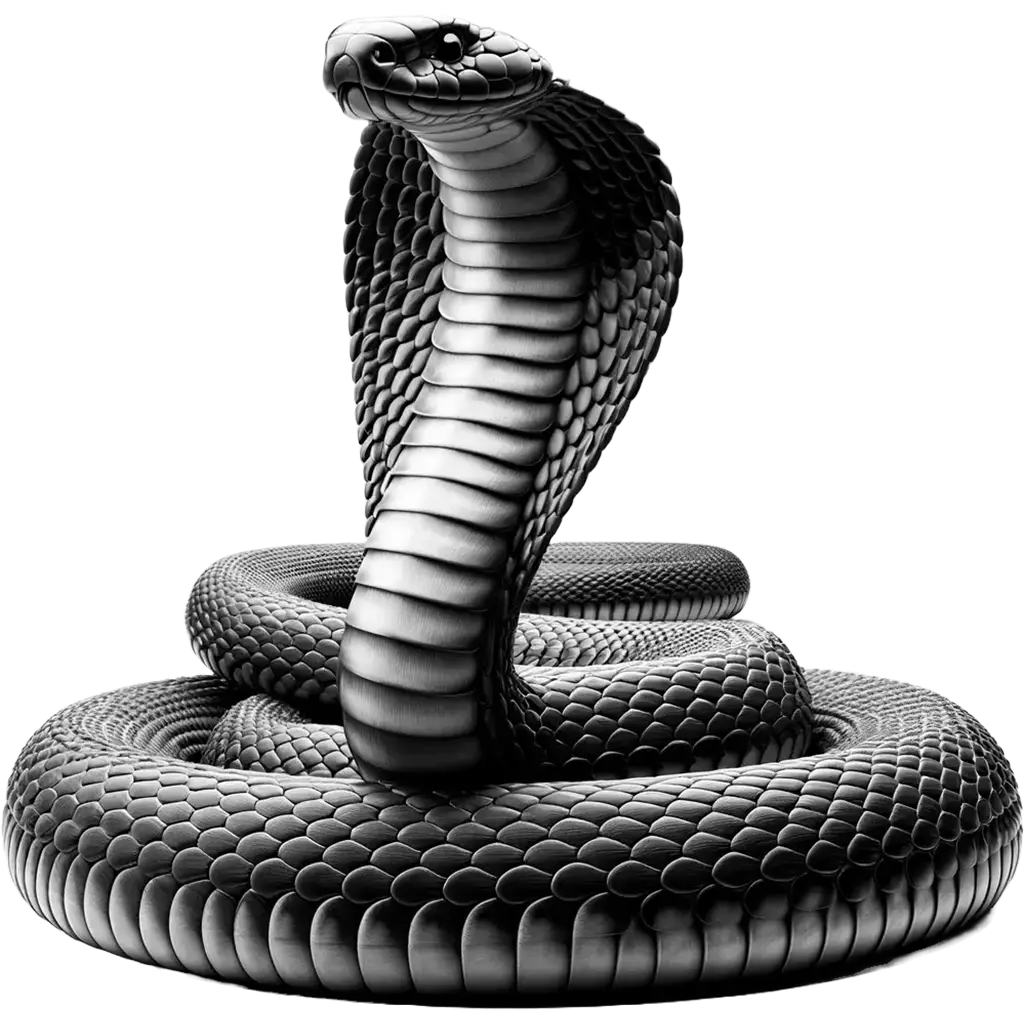
The King Cobra, ophiophagus hannah, stands as the world's longest venomous snake, with adults typically reaching 3 to 4 meters in length, though specimens exceeding 5 meters have been recorded. Its skin color varies from dark olive to black, with light yellow bands crossing over the body, providing camouflage in
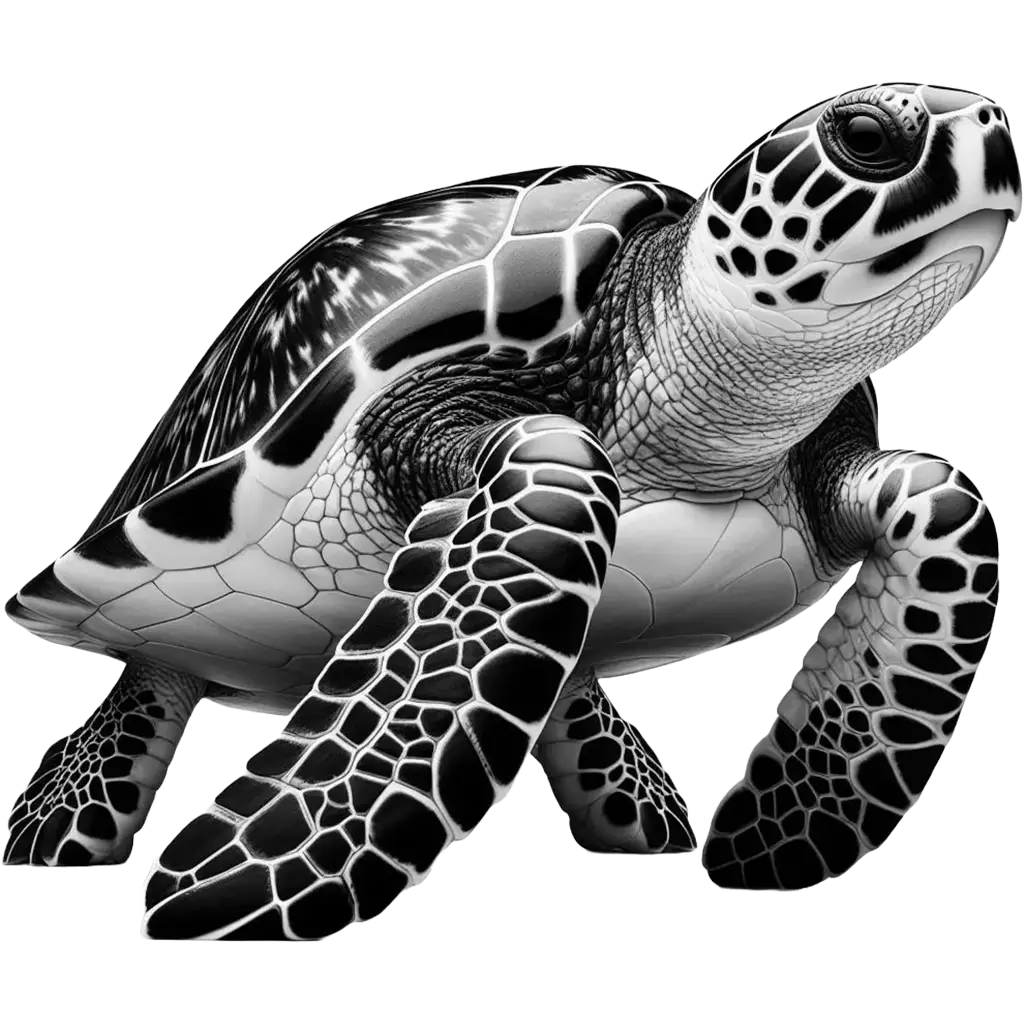
The Hawksbill Sea Turtle, eretmochelys imbricata, is a critically endangered marine turtle known for its distinctive hawk-like beak and beautifully patterned shell of overlapping scales, or scutes, which are sought after for their use in decorative arts, leading to the species' decline. Adults typically measure about 90 centimeters (35 inches)