
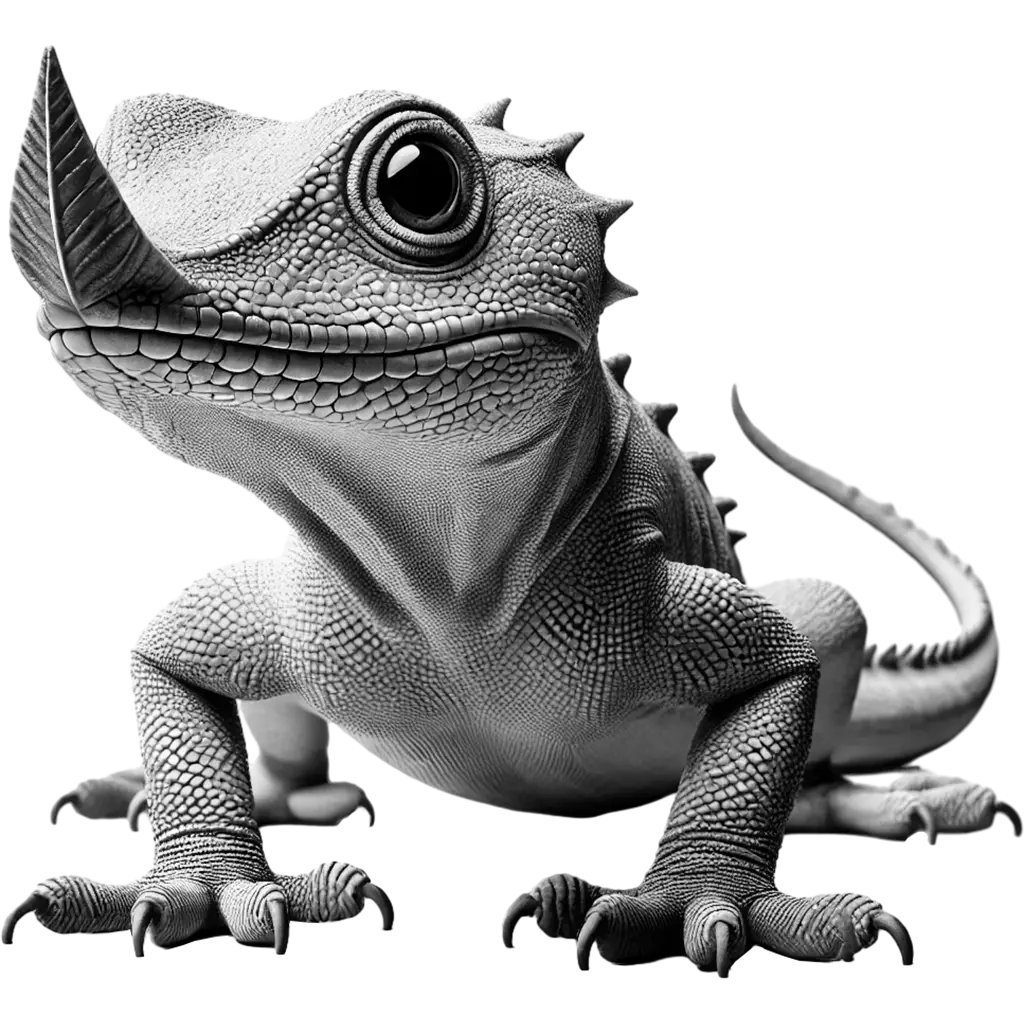
Ceratophora Tennentii
Leaf-Nosed Lizard
Wet tropical montane cloud forests
The Leaf-nosed Lizard, Ceratophora tennentii, is a small reptile endemic to Sri Lanka, notable for the distinctive leaf-like appendage on its snout. This fleshy, laterally compressed structure is present in both sexes, though it is somewhat smaller in females. Adults typically reach a total length of approximately 18.5 centimeters, including the tail. Their dorsal coloration ranges from reddish brown to olive green, with dark markings around the eyes and along the sides of the neck. The tail features about ten dark brown bands, and the ventral side is cream-colored.
| Population: | Endangered; exact numbers unknown |
| Generation Length: | 2-3 years |
| Average Weight: | 50-100 grams |
| Average Length: | Approximately 18.5 cm including tail |
| Lifespan: | 5-10 years |
| Diet: | Carnivorous, primarily feeding on invertebrates |
| Conservation Status: | Endangered (EN) |
Inhabiting the wet tropical montane cloud forests of the Knuckles Mountain Range at elevations between 700 to 1,200 meters, the Leaf-nosed Lizard is primarily arboreal and slow-moving. It spends much of its time on low branches, utilizing a sit-and-wait strategy to ambush prey. Males exhibit territorial behaviors, such as head-bobbing and body-lifting displays, to ward off rivals and attract mates. Despite its limited range, this species has adapted well to its specific habitat, relying on its cryptic appearance to blend into the forest environment.
As an insectivore, the Leaf-nosed Lizard's diet consists mainly of insects, caterpillars, and earthworms. Employing its sit-and-wait predatory strategy, it remains motionless on branches until unsuspecting prey comes within reach. Occasionally, it may descend to the forest floor in pursuit of food. This feeding behavior plays a role in controlling invertebrate populations within its ecosystem.
Reproductive information on this species is limited. Females are known to lay between two to four eggs per clutch, likely depositing them in secure locations within the forest. As with many agamid lizards, it is presumed that there is no parental care post-oviposition, and hatchlings are independent from birth. The presence of the rostral appendage in juveniles suggests it may have functions beyond reproduction, possibly related to camouflage or species recognition.
The Leaf-nosed Lizard is classified as Endangered, facing threats from deforestation, pesticide use, climate change, forest fires, and habitat loss due to agricultural expansion. Conservation efforts are crucial to preserve its natural habitat and mitigate these threats, ensuring the survival of this unique species.
Classifications
The Key Attributes
Features
- Movement:
Arboreal; slow-moving
- Territorial Behavior:
Males exhibit territorial displays such as head-bobbing and body-lifting
- Speed:
Not specified
- Diet:
Insectivore
- Physical Features:
- Fleshy, laterally compressed leaf-like rostral appendage on the snout
- Reddish brown to olive green dorsal coloration
- Dark markings around eyes and sides of neck
- Approximately 10 dark brown bands on the tail
- Cream-colored ventral side
- Primary Senses:
- Sight
Understanding Habitat and Range
Geography
- Habitat:
Wet tropical montane cloud forests
- Migration Patterns:
Non-migratory
- Geographical Range:
Endemic to the Knuckles Mountain Range in Sri Lanka
- Climate Preferences:
Prefers elevations between 700 to 1,200 meters
Navigating the Wilderness
In the wild
- Predators:
Not specified
- Prey:
Insects, caterpillars, and earthworms
- Feeding Behavior:
Sit-and-wait ambush predator
- Diet:
Carnivorous, primarily feeding on invertebrates
- Defensive Mechanisms:
- Relies on camouflage for predator avoidance
- May open mouth to display bright orange lining when threatened
- Preferred Food Sources:
- Various insects and other small invertebrates
Insights Into Reproduction
Mating
- Mating System:
Not specified
- Number of Offspring:
2-4 eggs per clutch
- Incubation Period:
Not specified
- Parental Involvement:
- Females lay 2-4 eggs and likely do not provide further care
Youngsters Section
Leaf-Nosed Lizard
Fun Fact
The Leaf-nosed Lizard's unique nasal appendage is not used for combat or display. Its function remains a mystery, though some researchers suggest it may aid in camouflage by breaking up the lizard's outline among foliage.
This lizard is a skilled climber and primarily feeds on insects. Though it can be a bit shy, it's known to defend itself by puffing up its body to appear larger and more threatening when threatened.

Download word search puzzles
Word Search Puzzles
Check Out Other Reptiles

The Egyptian Cobra, naja haje, is a highly venomous snake native to Africa, renowned for its imposing size and potent venom. Adults can reach lengths of up to 2 meters, making it one of the largest cobra species. The Egyptian Cobra has a broad and rounded head, distinct from its
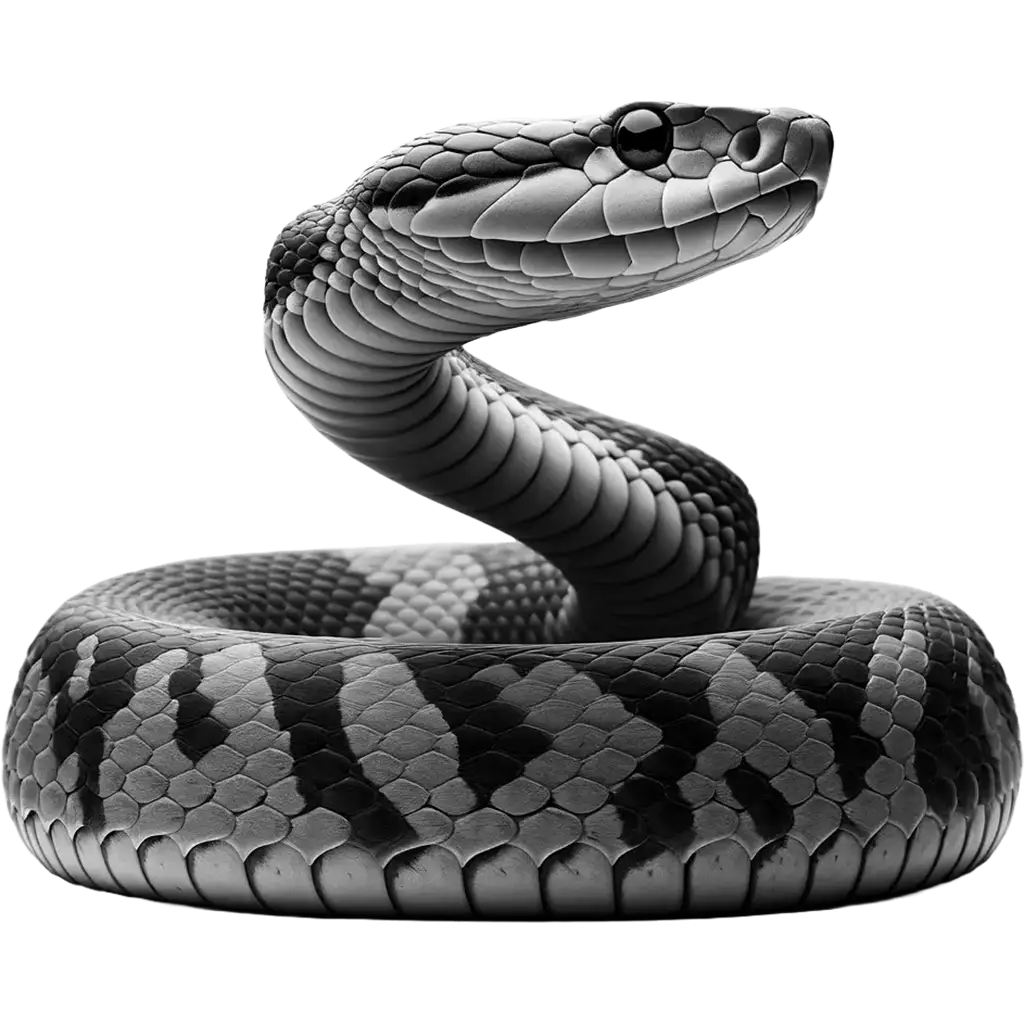
The Eastern copperhead, agkistrodon contortrix, is a venomous snake native to the eastern United States, recognized by its distinctive copper-colored head and patterned body. Adult copperheads typically measure between 60 to 90 cm (24 to 36 inches) in length, with a heavy, muscular build. Their bodies are adorned with crossbands
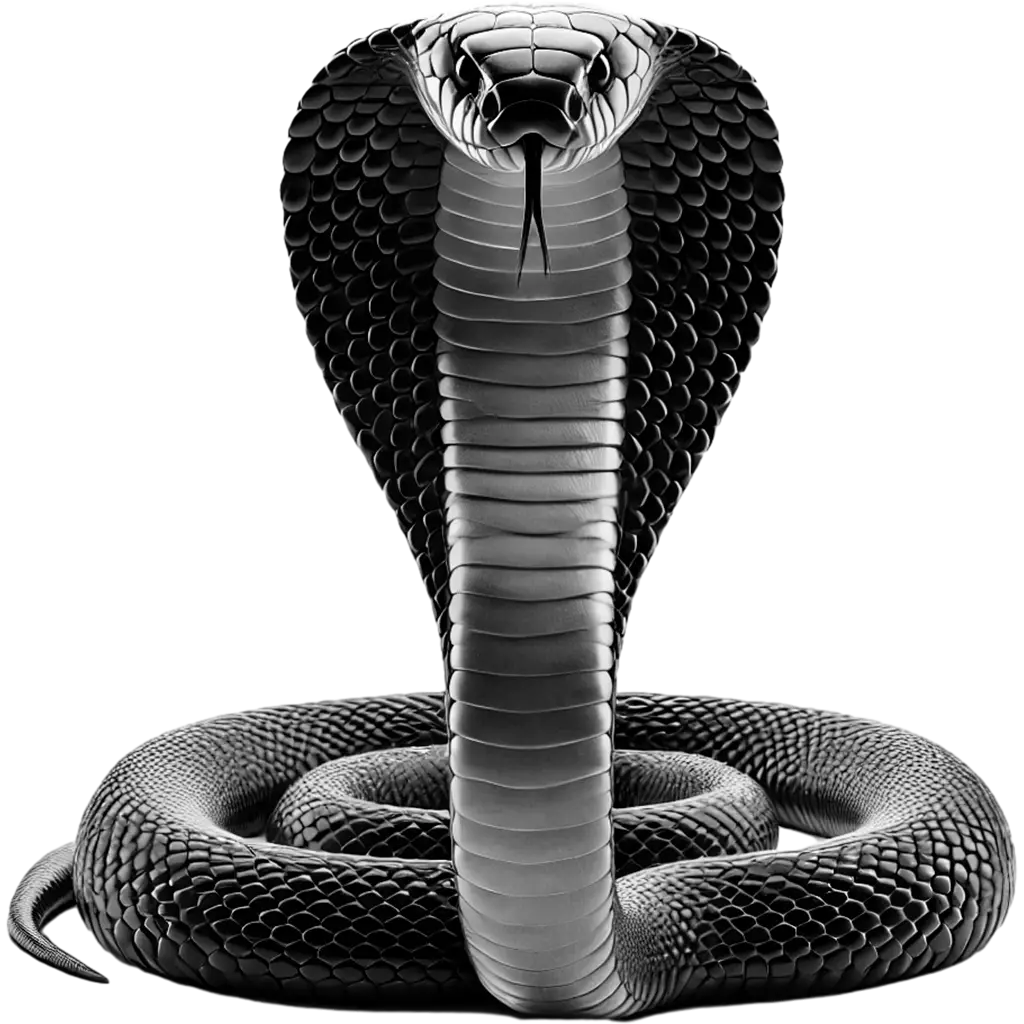
The Black-Necked Spitting Cobra displays a sleek, matte dark body accentuated by a striking glossy black band encircling its neck. Its broad, flattened head features prominent, piercing eyes and an extendable hood that flares impressively when threatened. The snake's smooth, well-defined scales and slender, muscular build give it an elegant
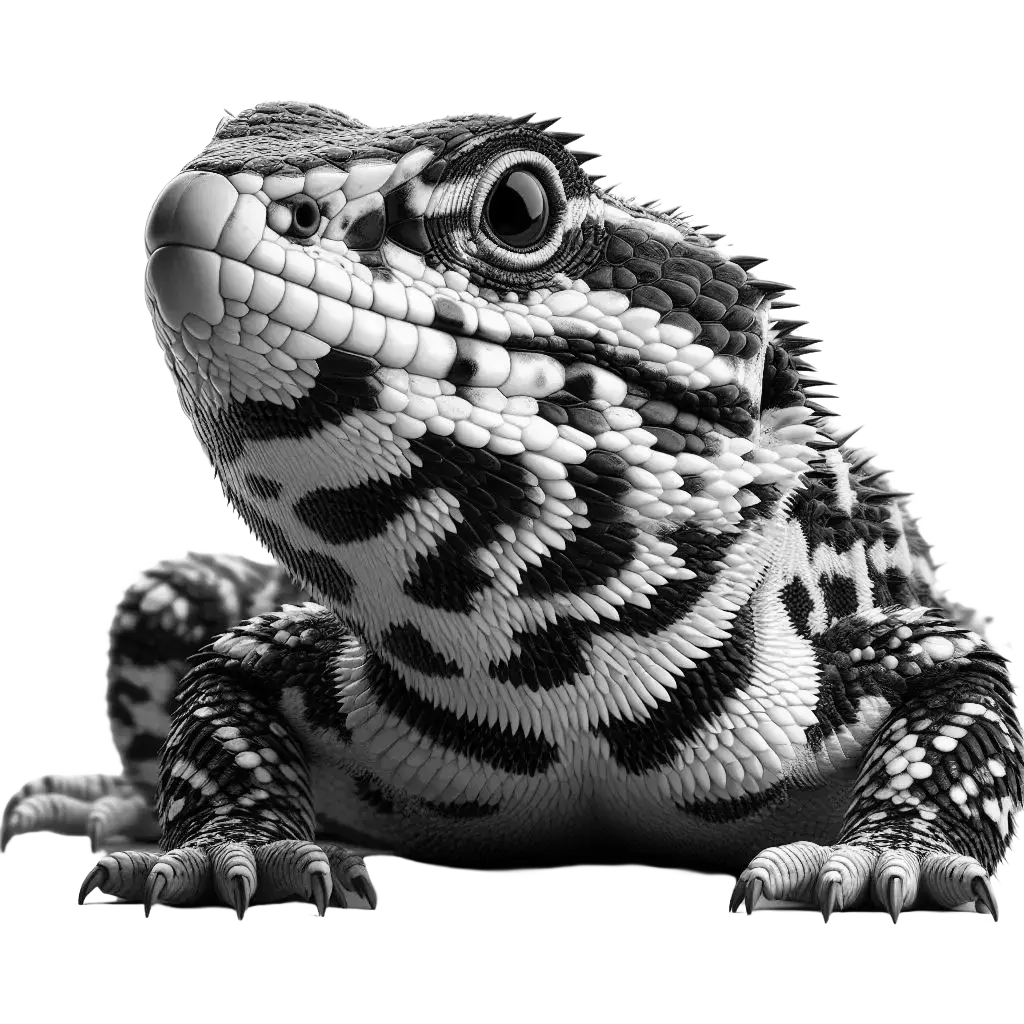
The Tuatara, sphenodon punctatus, is an extraordinary reptile endemic to New Zealand, representing the last living member of an ancient lineage that dates back over 200 million years. These creatures bear a superficial resemblance to lizards but are part of a distinct order, Rhynchocephalia, which thrived during the age of