
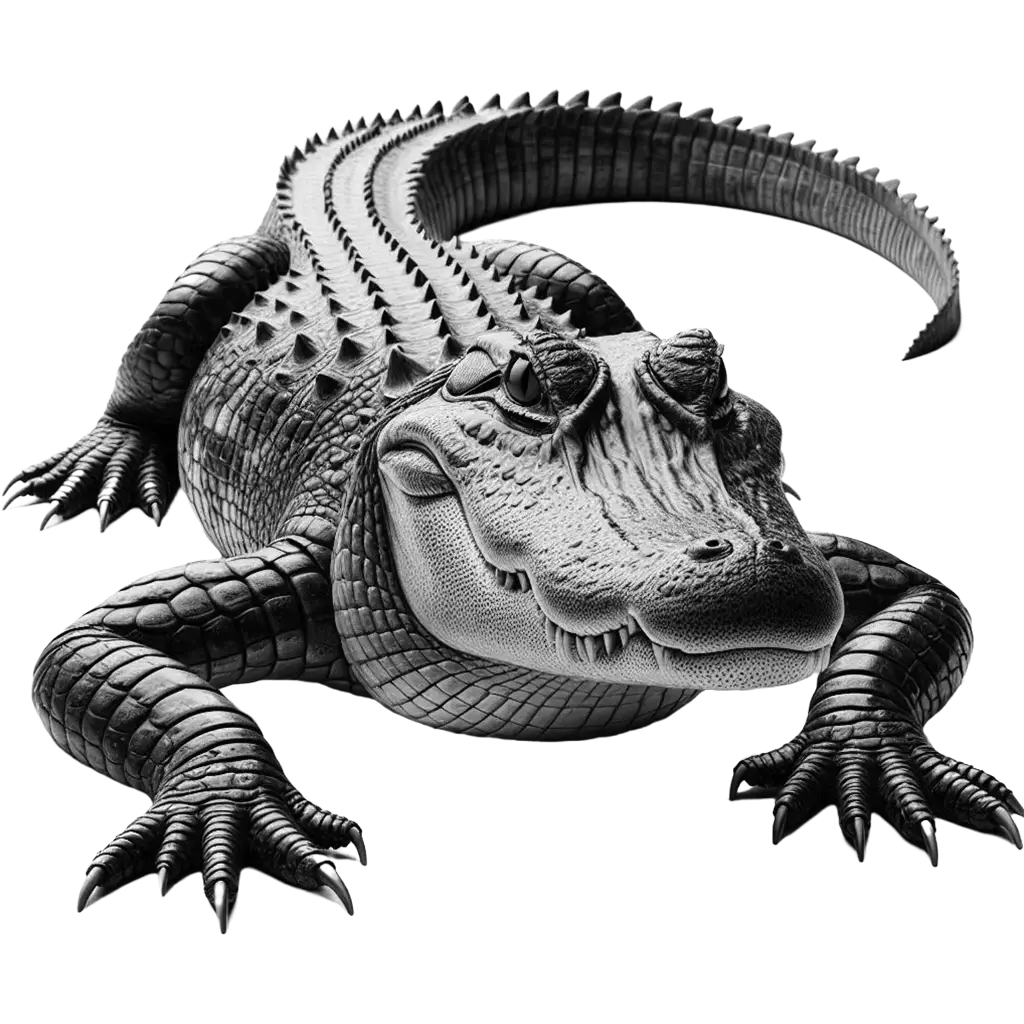
Alligator Mississippiensis
American Alligator
Freshwater environments like marshes, swamps, rivers, and lakes
The American Alligator, Alligator mississippiensis, is a formidable reptile native to the southeastern United States, easily recognized by its armored body, strong tail, and powerful jaws. Adults typically measure between 3 to 4.6 meters in length, with males being larger than females. Their skin is a dark, olive-brown color with lighter undersides, featuring bony plates called osteoderms for protection. This reptile's eyes and nostrils are positioned on top of its head, allowing it to see and breathe while submerged.
| Population: | Estimated to be more than 1 million |
| Generation Length: | 10-15 years |
| Average Weight: | 230-250 kg |
| Average Length: | 3.4-4.6 m |
| Lifespan: | 35-50 years in the wild, up to 65-80 years in captivity |
| Diet: | Varied diet based on prey availability |
| Conservation Status: | Least Concern (LC) |
American Alligators inhabit freshwater environments such as swamps, rivers, lakes, and marshes, showcasing a remarkable ability to adapt to different water conditions. They are apex predators within their ecosystem, playing a crucial role in maintaining the balance by controlling the population of prey species. These alligators are known for their 'death roll' technique—a powerful spinning movement used to dismember prey. They are mostly nocturnal hunters, relying on their stealth and strength to catch fish, birds, mammals, and other reptiles.
The diet of the American Alligator varies with age and size. Juveniles primarily feed on small fish, insects, and amphibians, while adults can tackle larger prey such as turtles, deer, and even smaller alligators. Their powerful jaws can crush hard shells, allowing them to access a wide range of food sources. This adaptability in diet has been crucial to the survival of the species, especially in changing environments.
Mating season for American Alligators occurs in the spring, when temperatures rise. Males bellow to attract females and establish dominance over territories. After mating, females build nests of vegetation, where they lay 20 to 50 eggs. The heat from the decomposing vegetation helps incubate the eggs over a period of about 65 days. Females are fiercely protective of their nests and young, showcasing a maternal instinct not commonly observed in reptiles.
The population of the American Alligator has made a remarkable recovery from near extinction in the 20th century, largely due to conservation efforts and legal protection. Once threatened by hunting and habitat loss, they are now classified as Least Concern by the IUCN. However, continued habitat preservation and monitoring are essential to ensure the species remains a thriving part of its ecosystem. Their success story is a testament to the effectiveness of wildlife management and conservation strategies.
Classifications
The Key Attributes
Features
- Movement:
Quadrupedal on land, powerful swimming using tail
- Territorial Behavior:
Solitary, territorial
- Speed:
Can move at speeds up to 32 km/h (20 mph) in water, slower on land
- Diet:
Carnivore
- Physical Features:
- Olive, brown, or gray body with a broad head and powerful jaws
- Heavy, armored body with a combination of bony plates and scales
- Sharp teeth designed for gripping prey, with new teeth growing in as others are lost
- Primary Senses:
- Sight
- Hearing
- Smell
- Touch (sensitive skin)
Understanding Habitat and Range
Geography
- Habitat:
Freshwater environments like marshes, swamps, rivers, and lakes
- Migration Patterns:
Non-migratory, but may move to find suitable water levels and temperatures
- Geographical Range:
Southeastern United States, particularly Florida and Louisiana
- Climate Preferences:
Warm, humid climates
Navigating the Wilderness
In the wild
- Predators:
Humans are the primary threat; juveniles may fall prey to birds, raccoons, and other alligators
- Prey:
Fish, birds, turtles, mammals, and other reptiles
- Feeding Behavior:
Ambush predator; uses stealth and power to capture prey
- Diet:
Varied diet based on prey availability
- Defensive Mechanisms:
- Biting
- Tail whipping
- Death roll
- Preferred Food Sources:
- Primarily fish and smaller vertebrates
Insights Into Reproduction
Mating
- Mating System:
Polygynous
- Number of Offspring:
20-50 eggs per clutch
- Gestation Period:
N/A (oviparous - egg laying)
- Incubation Period:
65 days
- Parental Involvement:
- Female builds nest and guards eggs
- Female may assist hatchlings to water but provides limited care afterwards
Youngsters Section
American Alligator
Fun Fact
The American alligator is a keystone species in its habitat, playing a crucial ecological role.
They create "alligator holes" that retain water during dry periods, benefiting other wildlife. These reptiles are also known for their vocalizations, with males producing deep bellows to attract females and establish territory. They can live up to 50 years in the wild.

Download word search puzzles
Word Search Puzzles


Check Out Other Reptiles
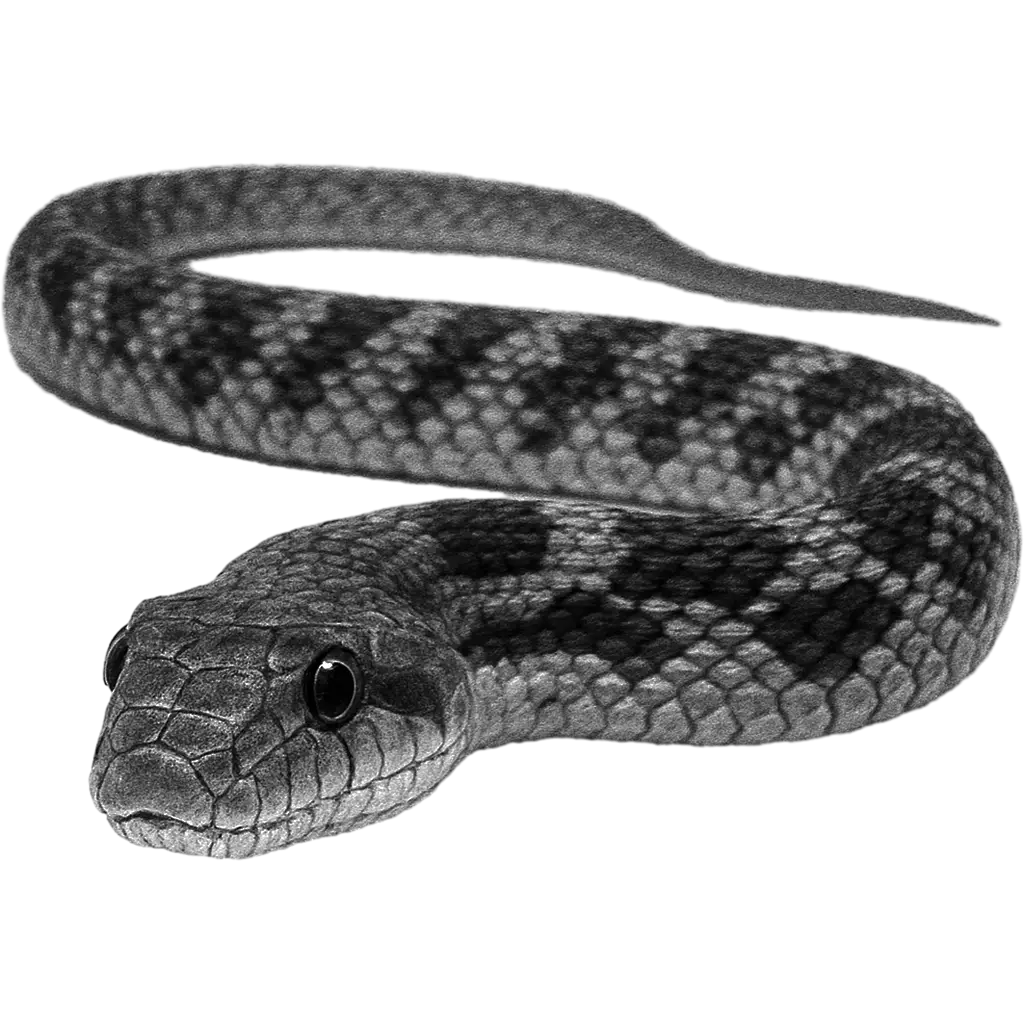
The Texas Rat Snake exhibits a slender, muscular body typically measuring between 90 and 160 centimeters in length. Its smooth, keeled scales display background hues from light gray to tan, overlaid with irregular dark blotches along the dorsum that may form crossbands. The head is slightly wider than the neck,
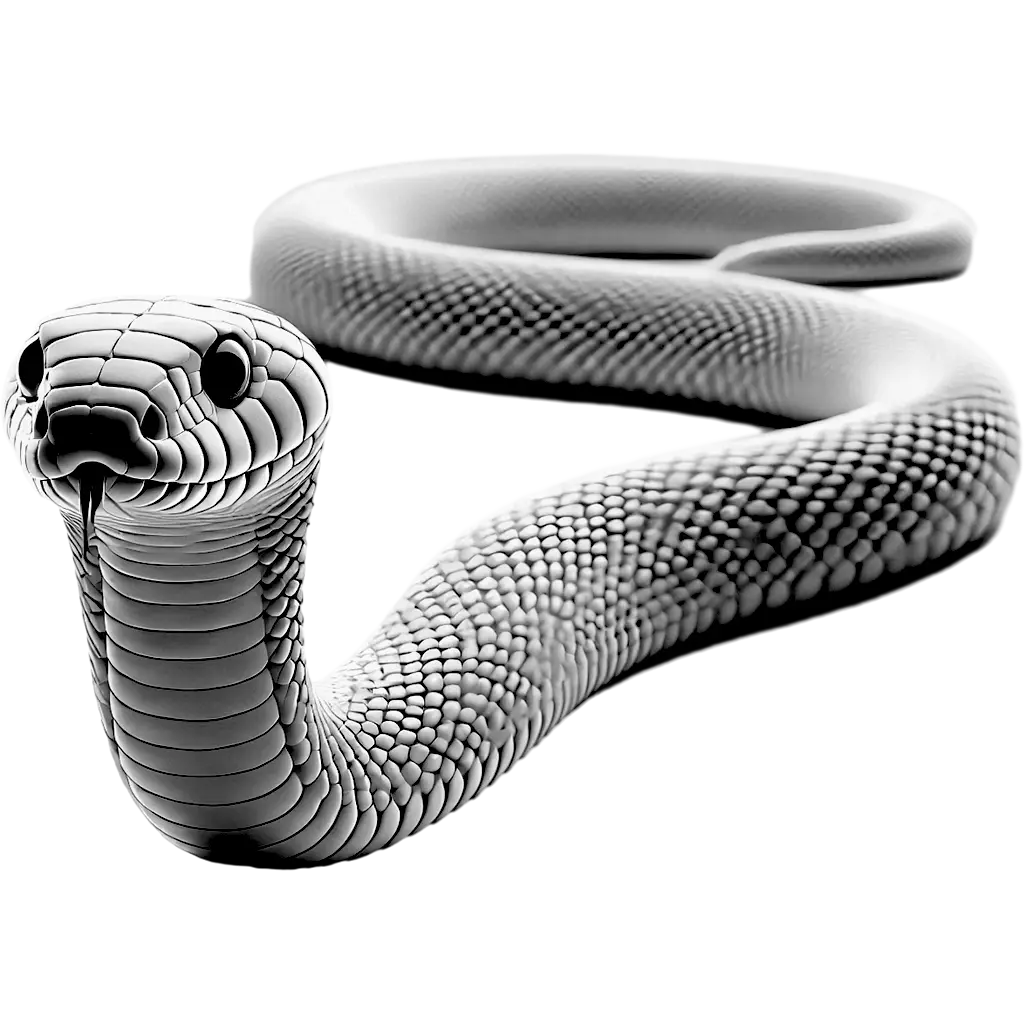
The Yellow-red Rat Snake is a visually striking reptile with a sleek, elongated body adorned in a vibrant blend of yellow and red scales. Its slightly triangular head, accentuated by bright, alert eyes and a glossy texture, gives it an elegant yet formidable appearance. The intricate patterning on its scales
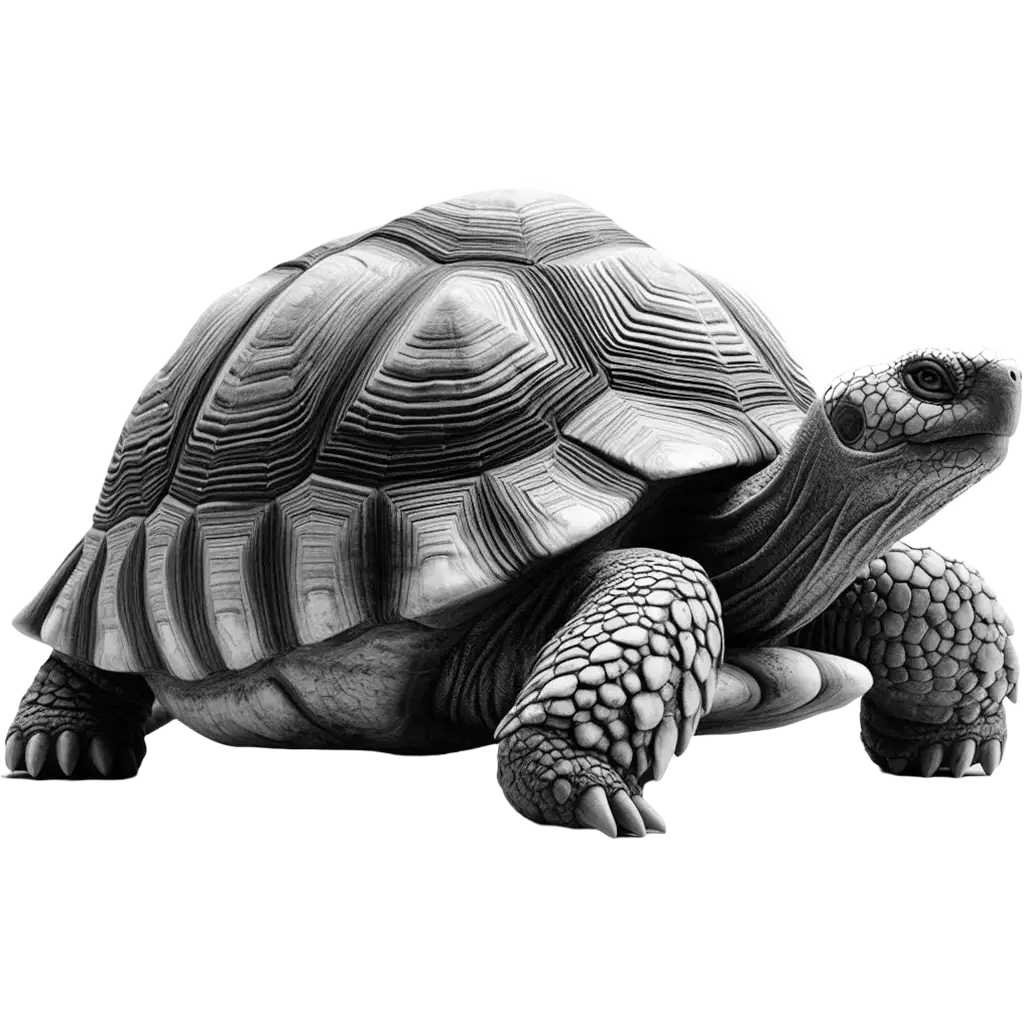
The Greek Tortoise, testudo graeca, also known as the Spur-thighed Tortoise, is a species of tortoise native to North Africa, Southern Europe, and parts of Asia. This species is distinguished by its high-domed shell, which ranges in color from golden yellow to dark brown, often with distinctive black markings. Adult
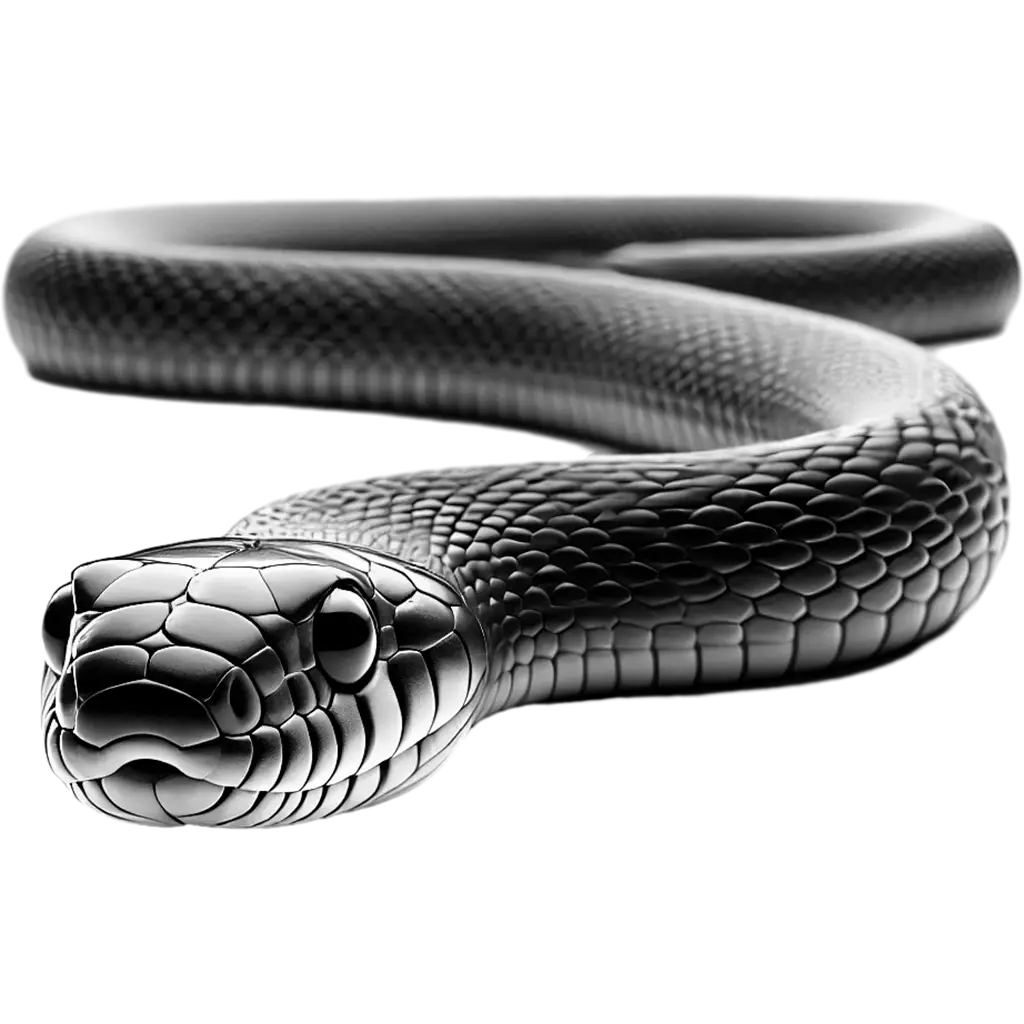
The Short-nosed Snake is a slender reptile defined by its unusually short, blunt snout and smooth, dark scales that provide exceptional camouflage among rocky outcrops. Its streamlined, agile body is perfectly adapted for a life in harsh, arid landscapes, making it appear both cryptic and striking in appearance. Active primarily