
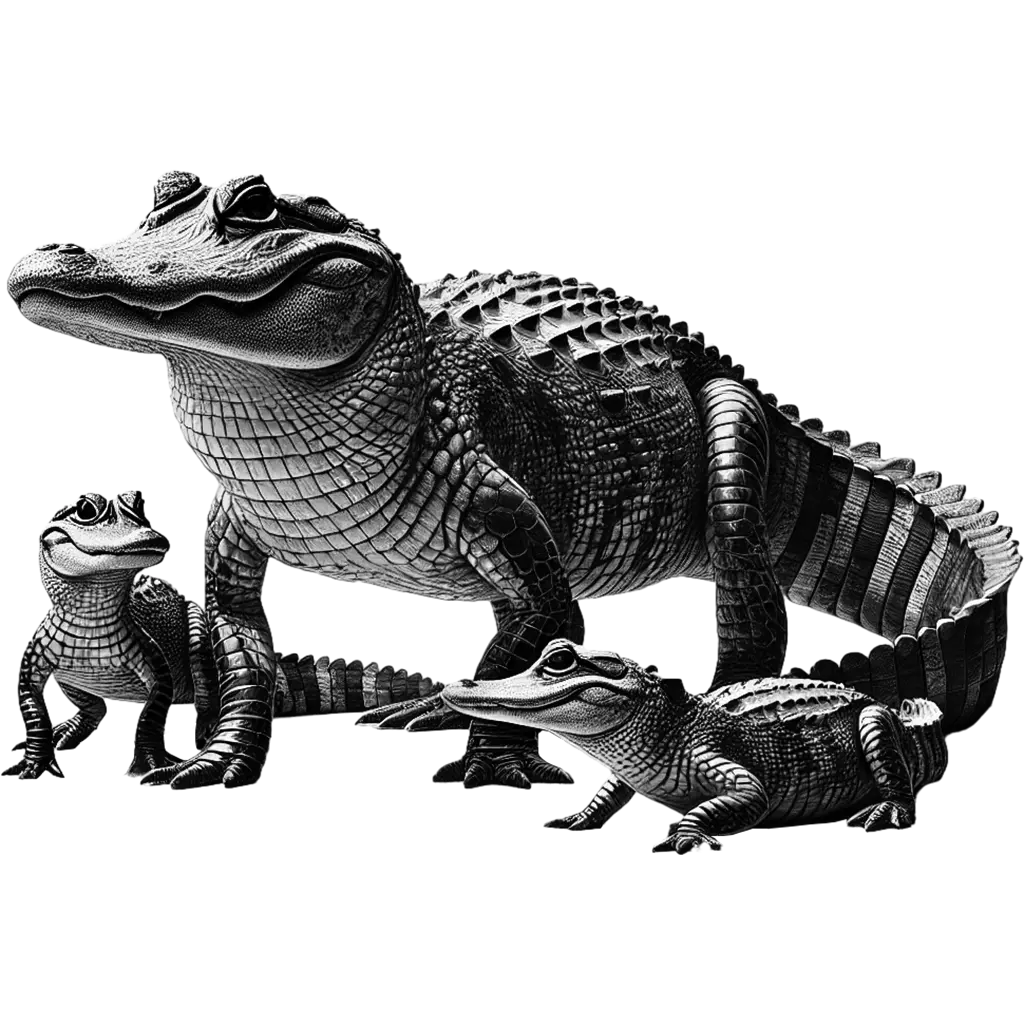
Top ten fascinating facts about
American Alligator
Alligator Mississippiensis
The American alligator is a keystone species in its habitat, playing a crucial ecological role. They create "alligator holes" that retain water during dry periods, benefiting other wildlife. These reptiles are also known for their vocalizations, with males producing deep bellows to attract females and establish territory. They can live up to 50 years in the wild.
American alligators can replace each of their teeth up to 50 times during their lifetime
Alligators have about 80 teeth in their mouths at any given time. As teeth wear down or fall out, new ones grow in their place. Throughout their lives, they can go through 2,000 to 3,000 teeth! This continual tooth replacement ensures they always have sharp teeth for catching and consuming prey, maintaining their status as apex predators in their habitat.
They were once endangered but have made a remarkable recovery
In the mid-20th century, excessive hunting and habitat loss pushed the American alligator to the brink of extinction. They were listed as an endangered species in 1967. Thanks to strict conservation measures and legal protections under the Endangered Species Act, their populations rebounded. By 1987, they were removed from the endangered list, marking a significant success in wildlife conservation.
Alligators can survive freezing conditions by sticking their snouts out of the ice
In colder climates at the northern edge of their range, alligators exhibit a unique behavior known as 'icing.' When the water begins to freeze, they position themselves with their nostrils above the surface before the ice forms. This allows them to breathe while remaining mostly submerged in a state of brumation (a reptile's version of hibernation), effectively surviving short periods of freezing temperatures.
They have one of the strongest bite forces of any animal
The bite force of an American alligator can exceed 2,000 pounds per square inch (psi), making it one of the most powerful bites in the animal kingdom. This incredible force enables them to crush turtle shells and capture large prey. Despite their strong bite, the muscles to open their jaws are relatively weak, which is why it's possible (though not advisable) to hold an alligator's mouth shut with just your hands or tape.
Alligators create 'gator holes' that benefit other wildlife during dry seasons
Alligators are known to dig depressions in wetlands called 'gator holes.' These holes retain water during dry periods, providing essential habitats for fish, insects, turtles, birds, and other wildlife. By maintaining these aquatic refuges, alligators play a crucial ecological role in supporting biodiversity and promoting the health of wetland ecosystems.
The temperature of their nests determines the sex of the hatchlings
American alligator eggs do not have sex chromosomes like humans. Instead, the ambient temperature during incubation decides their sex. Eggs incubated at around 86°F (30°C) develop into females, while those at approximately 93°F (34°C) become males. Temperatures in between can produce a mix of both sexes. This temperature-dependent sex determination can influence population dynamics, especially with changing climate conditions.
Alligators can produce a range of vocalizations, including bellows, hisses, and grunts
They are among the most vocal reptiles. During mating season, males emit deep bellows that can be heard up to a mile away to attract females and ward off rivals. Both males and females hiss when threatened, and juveniles make a distinctive 'yelping' sound to alert their mother when they're in danger. These vocalizations are essential for communication and social interaction among alligators.
They can reach speeds of up to 20 miles per hour in water
While they may appear sluggish on land, alligators are swift and agile swimmers. Their powerful tails propel them through the water at speeds up to 20 miles per hour (32 kilometers per hour). This speed helps them catch prey and navigate their aquatic environments efficiently. On land, however, they are much slower and tire quickly.
Alligators perform a 'high walk' to move over obstacles
Unlike most reptiles that sprawl low to the ground, alligators can lift their bodies up and walk with their legs almost directly under them, a gait known as the 'high walk.' This movement allows them to navigate over logs, rocks, and uneven terrain more effectively. It's an unusual trait among reptiles and showcases their unique adaptability.
They have a special valve in their throat called a palatal valve to prevent drowning
This fleshy valve seals the throat, allowing alligators to open their mouths underwater without water entering their lungs. It's an essential adaptation for an aquatic predator, enabling them to catch and hold prey underwater. This feature also allows them to ambush prey at the water's edge with only their eyes and nostrils above the surface.
Check Out Other Reptiles
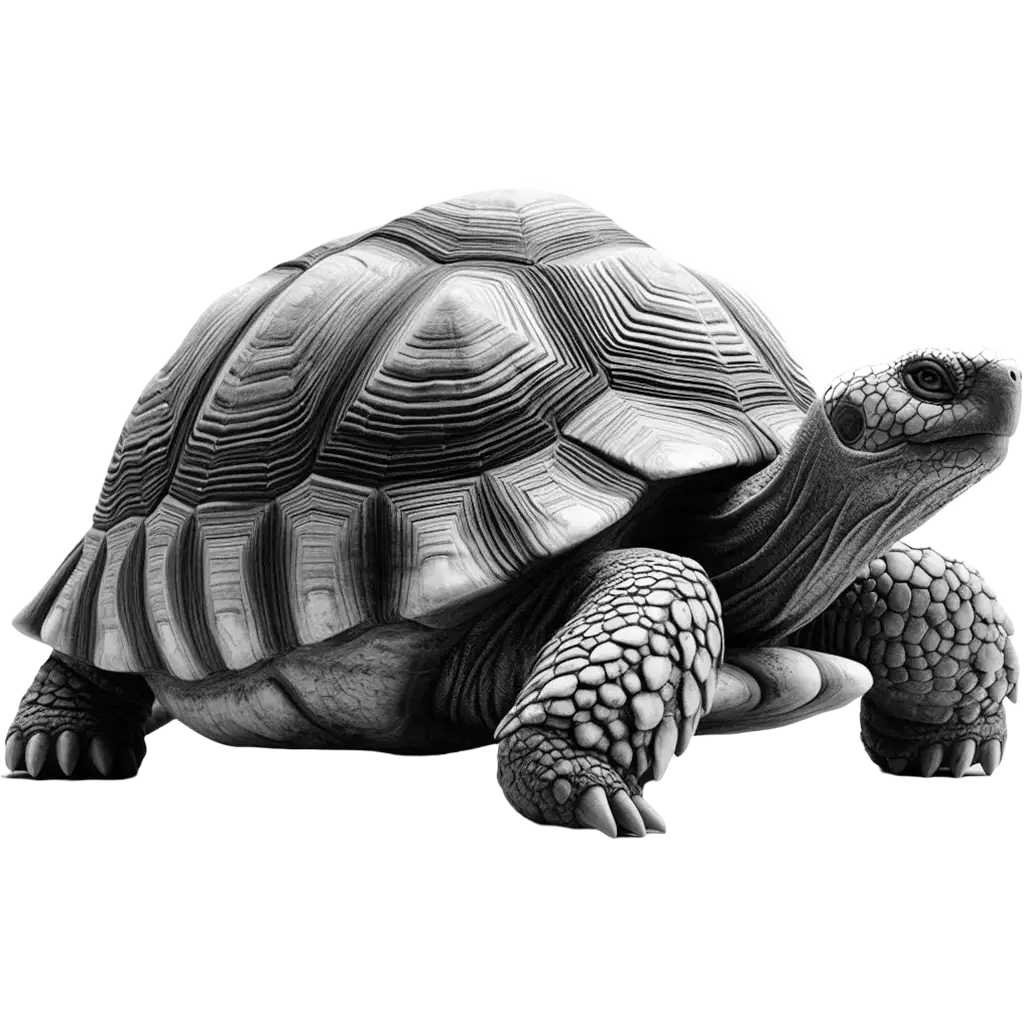
The Greek Tortoise, testudo graeca, also known as the Spur-thighed Tortoise, is a species of tortoise native to North Africa, Southern Europe, and parts of Asia. This species is distinguished by its high-domed shell, which ranges in color from golden yellow to dark brown, often with distinctive black markings. Adult
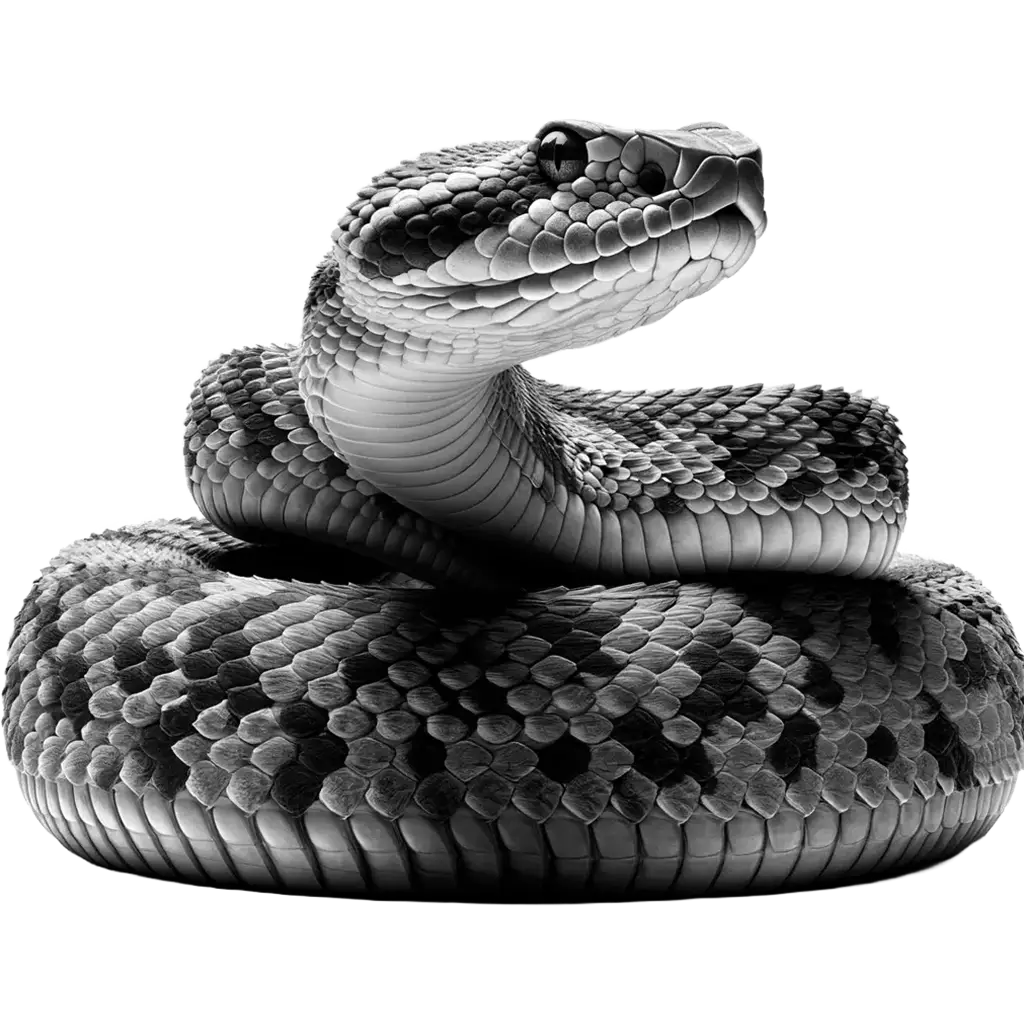
The Mojave Rattlesnake, crotalus scutulatus, often referred to as the 'Mojave Green' due to the greenish hue of its scales, is a highly venomous snake native to the desert regions of the southwestern United States and central Mexico. This rattlesnake is recognized by its distinctive diamond-shaped pattern along its back,
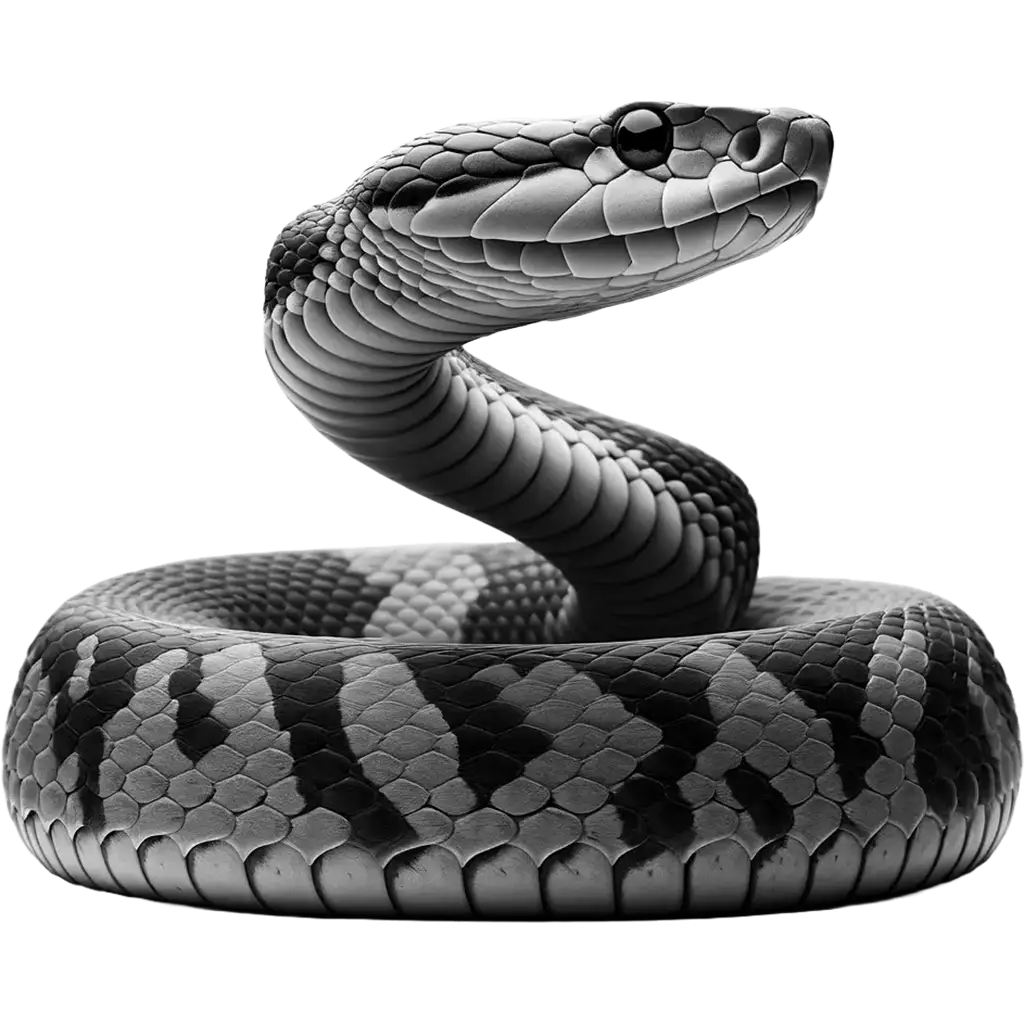
The Eastern copperhead, agkistrodon contortrix, is a venomous snake native to the eastern United States, recognized by its distinctive copper-colored head and patterned body. Adult copperheads typically measure between 60 to 90 cm (24 to 36 inches) in length, with a heavy, muscular build. Their bodies are adorned with crossbands
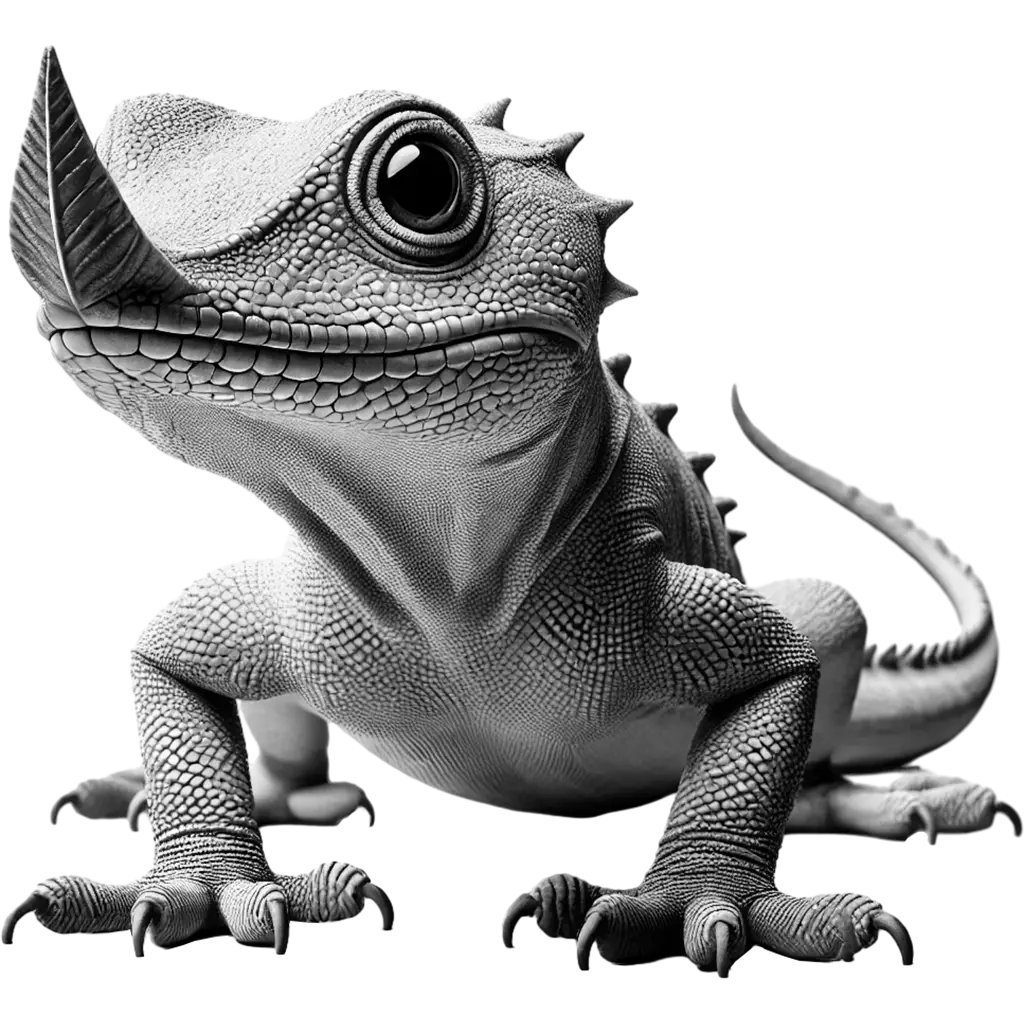
The Leaf-nosed Lizard, Ceratophora tennentii, is a small reptile endemic to Sri Lanka, notable for the distinctive leaf-like appendage on its snout. This fleshy, laterally compressed structure is present in both sexes, though it is somewhat smaller in females. Adults typically reach a total length of approximately 18.5 centimeters, including