
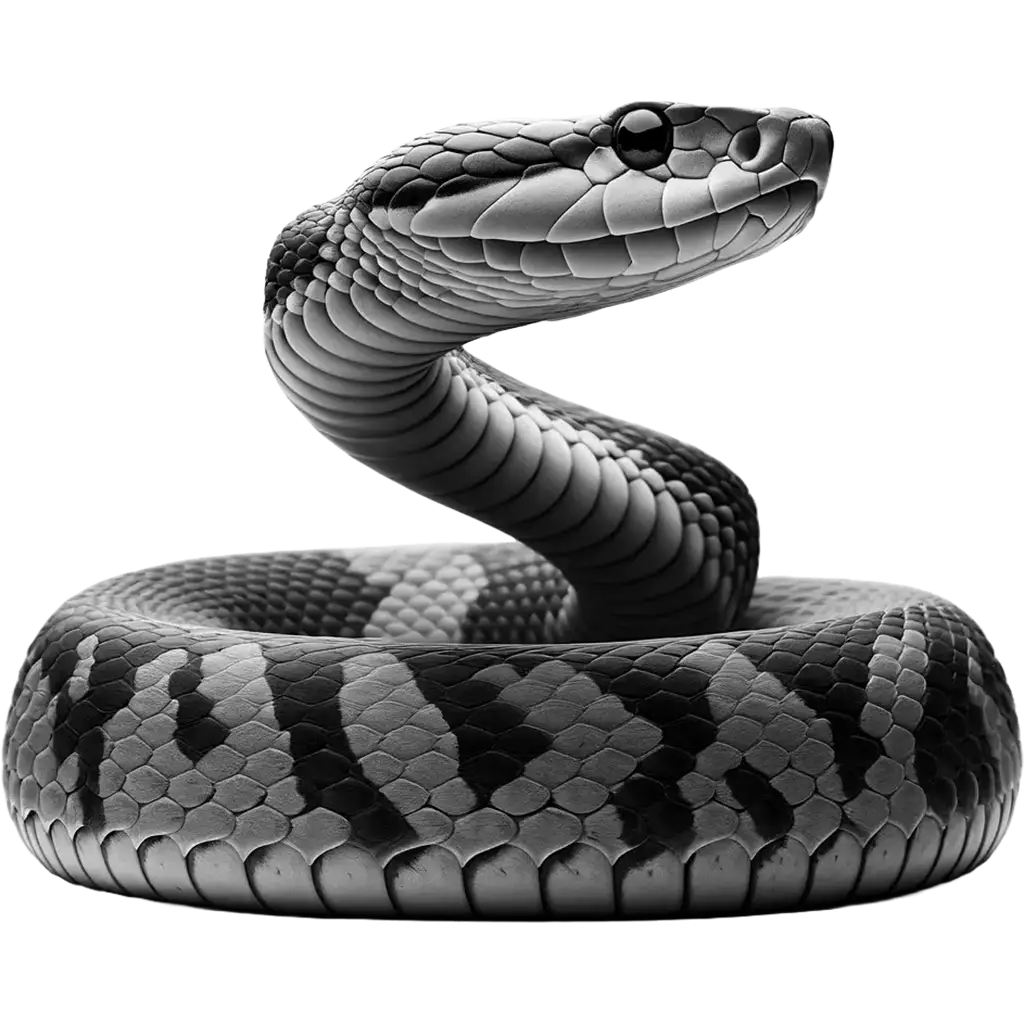
Agkistrodon Contortrix
Eastern Copperhead Snake
Forests, rocky areas, wetlands, and near bodies of water
The Eastern copperhead, agkistrodon contortrix, is a venomous snake native to the eastern United States, recognized by its distinctive copper-colored head and patterned body. Adult copperheads typically measure between 60 to 90 cm (24 to 36 inches) in length, with a heavy, muscular build. Their bodies are adorned with crossbands that are chestnut to reddish-brown, bordered by darker colors, blending into the forest floor and leaf litter of their habitats. This camouflage makes them masters of ambush, waiting patiently for prey to come within striking distance.
| Population: | Listed as Least Concern but faces threats from habitat destruction and human persecution |
| Generation Length: | 5-7 years |
| Average Weight: | 500-800 grams |
| Average Length: | 50-95 cm |
| Lifespan: | 15-20 years in the wild |
| Diet: | Venomous predator feeding primarily on small vertebrates |
| Conservation Status: | Least Concern (LC) |
Copperheads inhabit a wide range of terrestrial and arboreal environments, including forests, rocky areas, and river floodplains. They are most active from late afternoon into the evening, particularly during the warmer months. Despite their venomous bite, copperheads are generally not aggressive towards humans and will often freeze or flee to avoid confrontation. Bites are usually the result of accidental encounters, with the snake's venom being less potent compared to other North American venomous snakes, resulting in a high rate of survival among bite victims.
The diet of the Eastern copperhead consists mainly of small rodents, birds, lizards, and insects. They employ a 'sit-and-wait' hunting strategy, striking quickly when prey ventures too close, then waiting for the venom to take effect before consuming their meal. This predatory behavior plays a crucial role in controlling local rodent populations, contributing to the ecological balance.
Reproduction in copperheads involves mating in the spring and late summer, with females giving birth to live young, typically between 2 to 10 offspring, in late summer or early fall. Young copperheads are born with a bright yellow-tipped tail, which they use as a lure to attract prey.
The population of the Eastern copperhead is considered stable, though they face threats from habitat destruction and human encroachment. Their presence in suburban and rural areas often leads to conflicts with humans, underscoring the importance of public education on snake behavior and conservation. Conservation efforts focus on preserving natural habitats and promoting coexistence with these native reptiles, ensuring the continuation of their role within local ecosystems.
Classifications
The Key Attributes
Features
- Movement:
Crawling
- Territorial Behavior:
Solitary and territorial
- Speed:
Not particularly fast, relies on camouflage to ambush prey
- Diet:
Carnivore
- Physical Features:
- Thick, heavy body with a distinct copper-colored head
- Keeled scales with a pattern of darker crossbands
- Elliptical pupils and heat-sensing pits between the eyes and nostrils
- Hinged fangs for venom delivery
- Primary Senses:
- Sight
- Heat sensing
- Smell
Understanding Habitat and Range
Geography
- Habitat:
Forests, rocky areas, wetlands, and near bodies of water
- Migration Patterns:
Non-migratory, but may have seasonal movements related to temperature and breeding
- Geographical Range:
Eastern United States, from Massachusetts to Texas
- Climate Preferences:
Temperate, adaptable to various environmental conditions
Navigating the Wilderness
In the wild
- Predators:
Large birds of prey, other snakes, and mammals
- Prey:
Small rodents, birds, frogs, and insects
- Feeding Behavior:
Ambush predator, uses venom to subdue small mammals, birds, and amphibians
- Diet:
Venomous predator feeding primarily on small vertebrates
- Defensive Mechanisms:
- Camouflage
- Venomous bite as a defense mechanism
- Vibrating tail in leaf litter to mimic a rattlesnake as a warning
- Preferred Food Sources:
- Areas with abundant prey and suitable cover for ambushing
Insights Into Reproduction
Mating
- Mating System:
Polygynous
- Number of Offspring:
2-18 live young
- Gestation Period:
3-9 months, with ovoviviparous reproduction
- Parental Involvement:
- Females may guard the young briefly, but they are independent shortly after birth
Youngsters Section
Eastern Copperhead Snake
Fun Fact
Eastern Copperhead snakes are known for their distinctive hourglass pattern and coppery color.
These snakes have a unique hunting method called "sit-and-wait," where they remain motionless and blend in with leaf litter to ambush prey. Despite their venomous bite, they are generally non-aggressive and prefer to avoid humans, relying on camouflage for protection.

Download word search puzzles
Word Search Puzzles

Check Out Other Reptiles
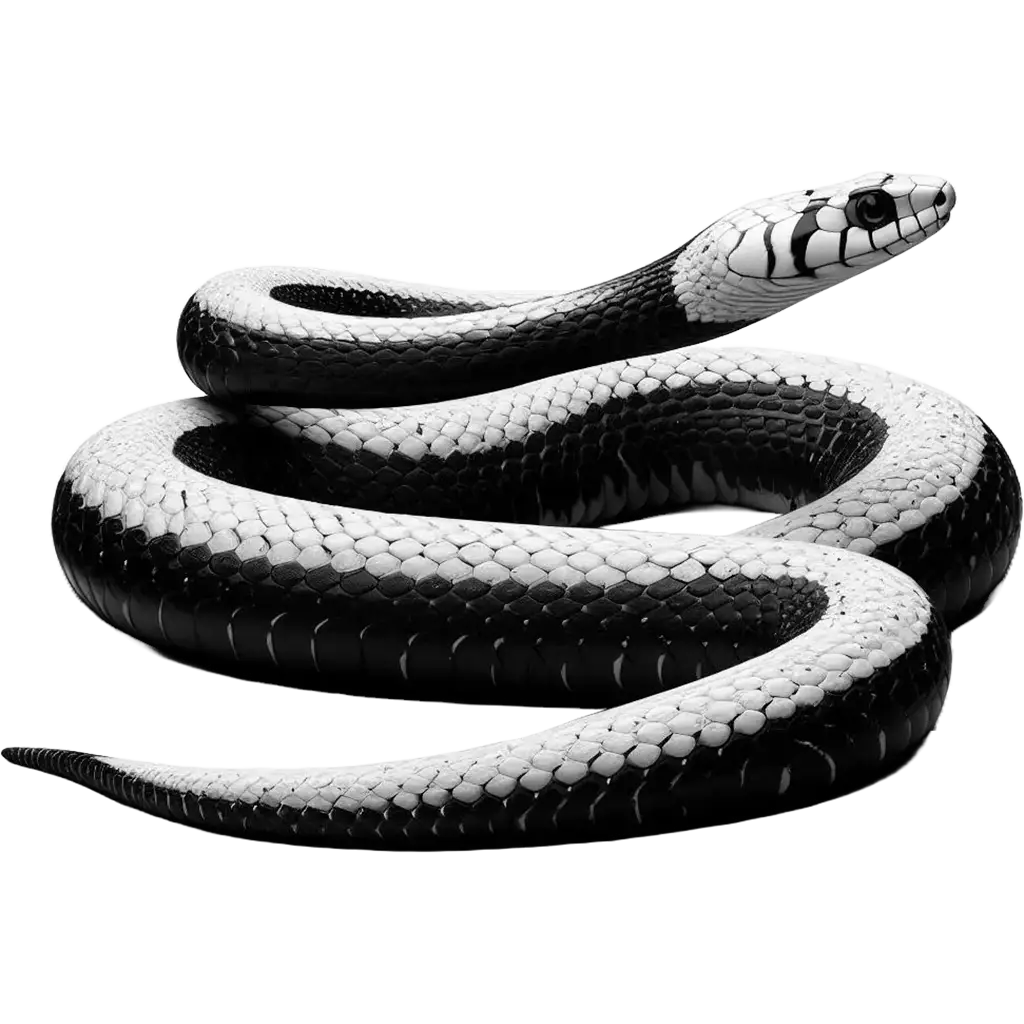
The Eastern Coral Snake, micrurus fulvius, is a highly venomous snake native to the southeastern United States. Characterized by its distinctive color pattern of black, yellow, and red bands, this slender snake can reach lengths of up to 30 inches (76 cm), though most are smaller. The vivid bands serve
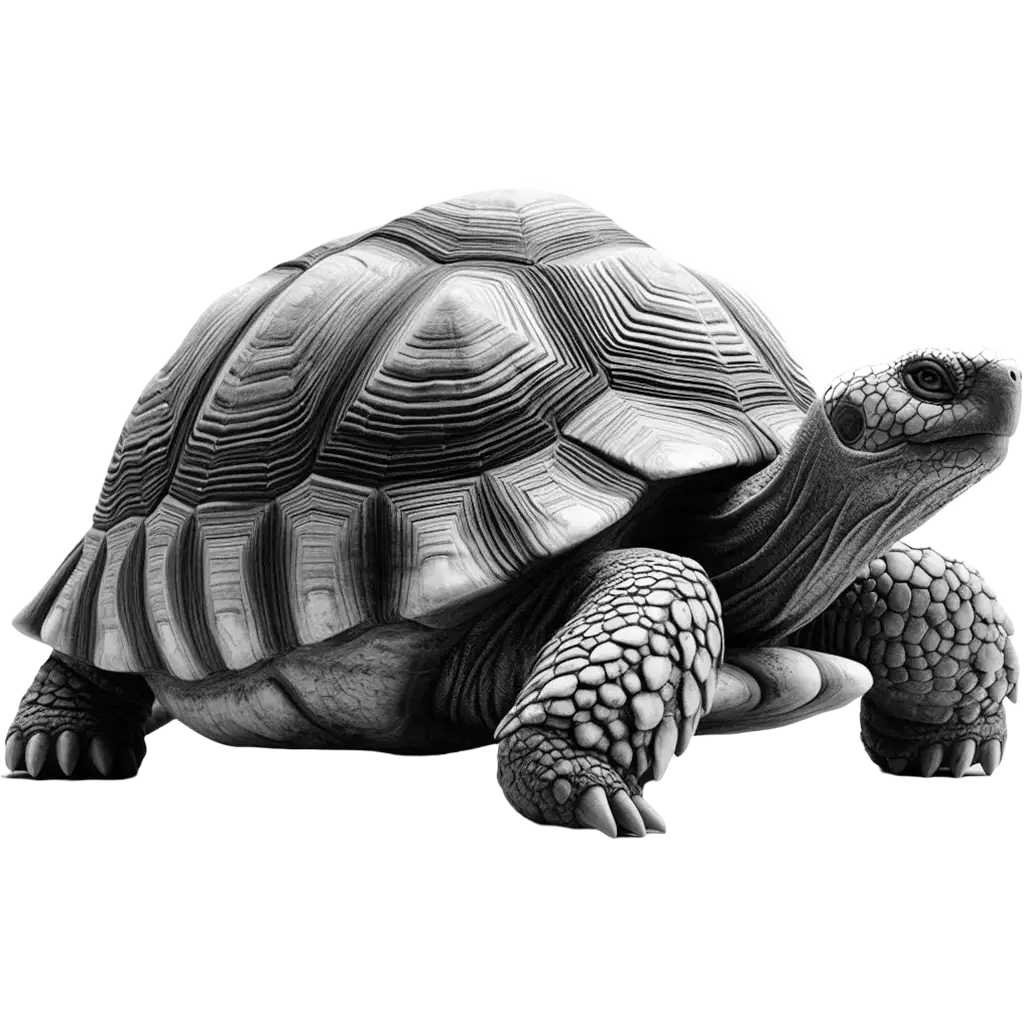
The Greek Tortoise, testudo graeca, also known as the Spur-thighed Tortoise, is a species of tortoise native to North Africa, Southern Europe, and parts of Asia. This species is distinguished by its high-domed shell, which ranges in color from golden yellow to dark brown, often with distinctive black markings. Adult
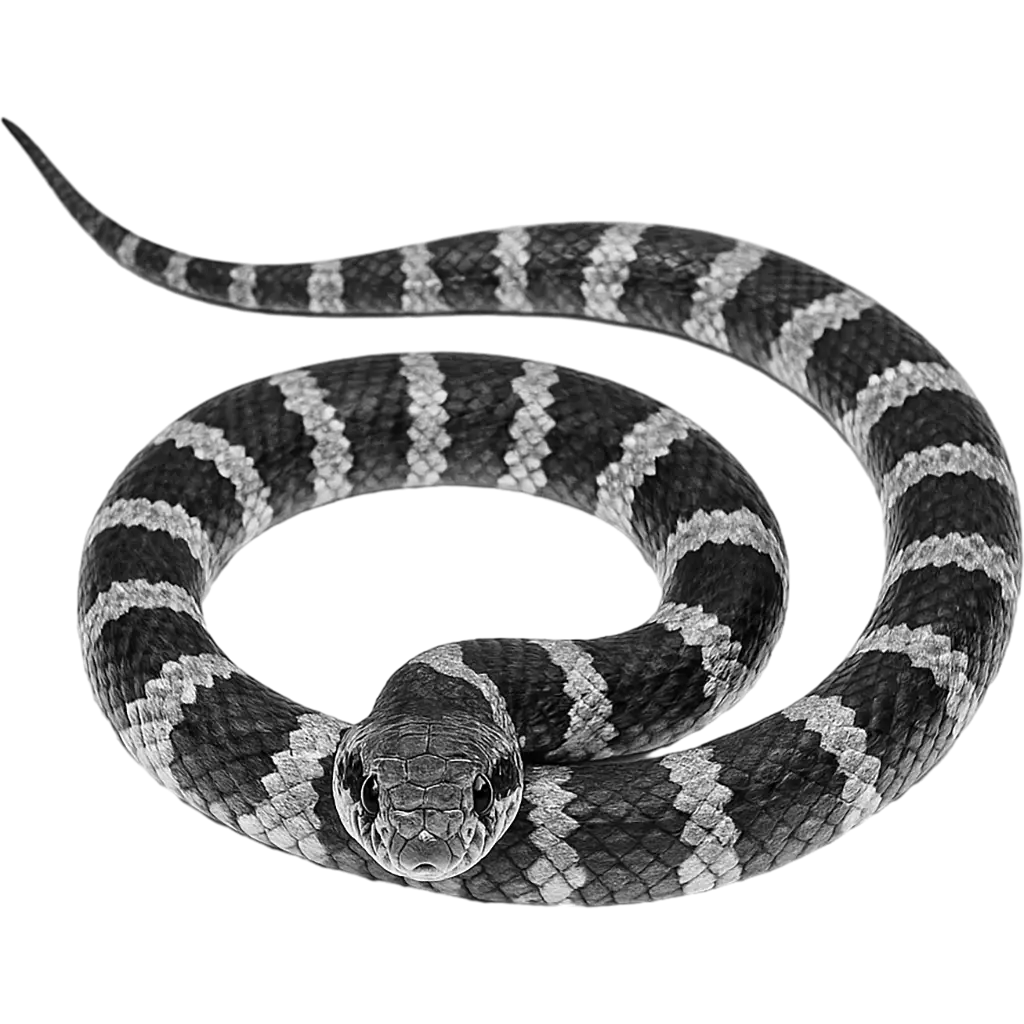
The Eastern Milk Snake boasts a sleek, elongated body adorned with bold, contrasting bands of red, black, and cream. Its smooth, glossy scales reflect light as it glides effortlessly over varied terrains, and its triangular head merges seamlessly with a slender, sinuous form. The natural banding not only adds striking
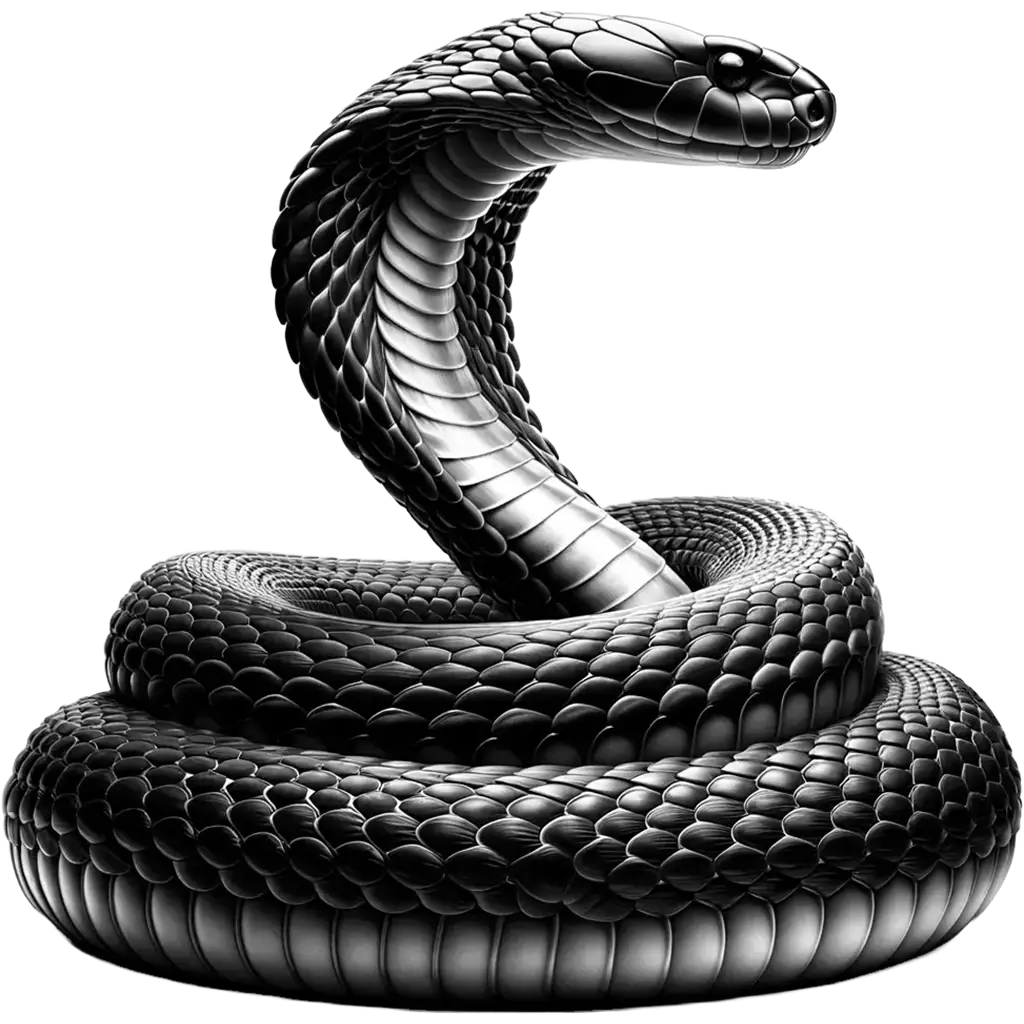
The Egyptian Cobra, naja haje, is a highly venomous snake native to Africa, renowned for its imposing size and potent venom. Adults can reach lengths of up to 2 meters, making it one of the largest cobra species. The Egyptian Cobra has a broad and rounded head, distinct from its