
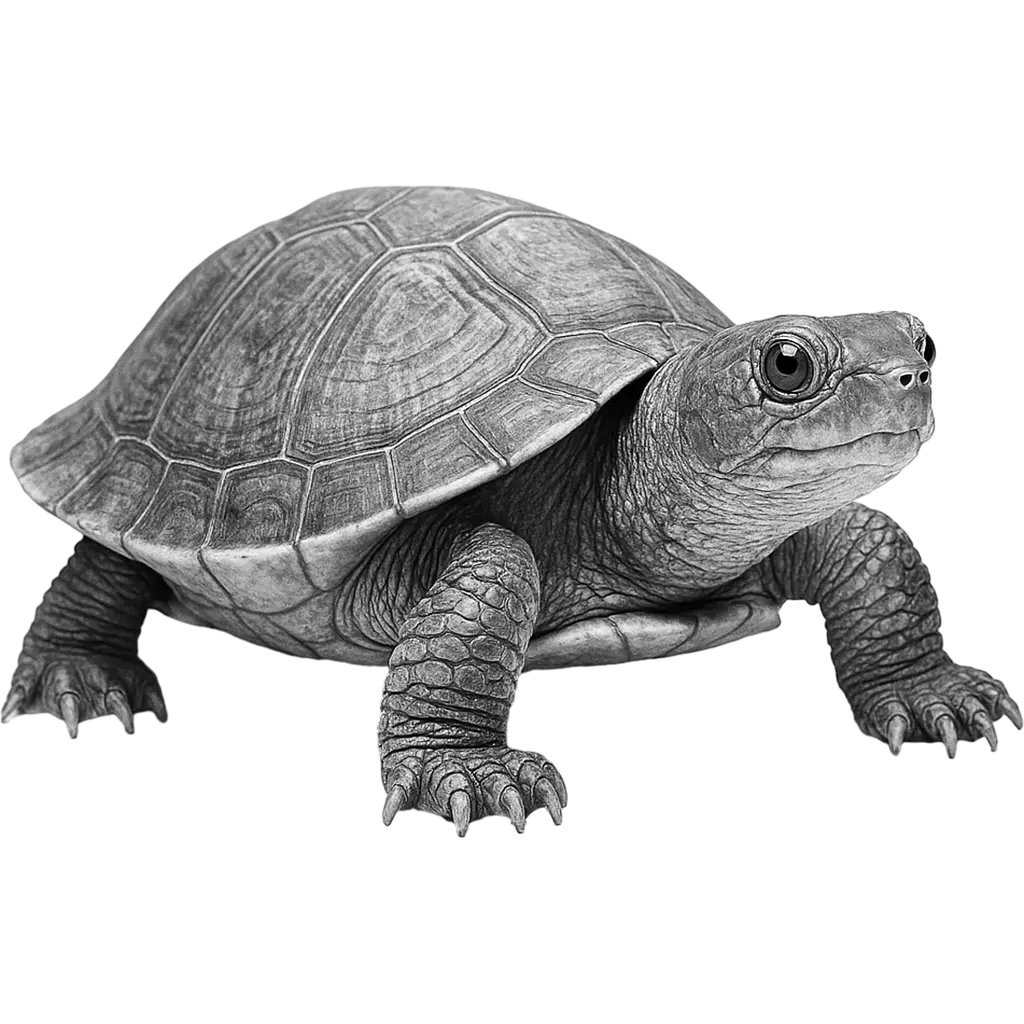
Rheodytes Leukops
Fitzroy River Turtle
Rivers, especially the Fitzroy River in Queensland
The Fitzroy River Turtle is characterized by a streamlined, pale carapace with smooth, fluted margins that provide natural camouflage in sunlit riverbeds. Its robust body, adapted for an aquatic lifestyle, is complemented by sturdy, webbed limbs that aid in efficient swimming. The turtle's subtle coloration and sensitive eyes blend seamlessly with the freshwater habitat, emphasizing its evolution for both speed and protection in dynamic river environments. Overall, this distinctive appearance allows the Fitzroy River Turtle to remain elusive among rocky and sandy substrates, perfectly designed for survival in water currents.
| Population: | Limited range in Australia's Fitzroy River system with declining numbers due to habitat degradation |
| Generation Length: | 10-12 years |
| Average Weight: | 3-6 kg |
| Average Length: | 25-35 cm |
| Lifespan: | 20-30 years in the wild, up to 40 years in captivity |
| Diet: | Omnivorous, feeding on plants and invertebrates |
| Conservation Status: | Vulnerable (VU) |
In its natural environment, the Fitzroy River Turtle is most active during the early hours when the water is cool. This species follows a methodical routine, foraging along the riverbed in search of aquatic plants and small invertebrates. It frequently basks on sun-warmed rocks to regulate body temperature before returning to the water. Although generally solitary, turtles may aggregate during breeding season to exploit food abundance. Their deliberate movements on land and graceful strokes in water highlight their adaptive behavior and acute sensory perception in facing environmental challenges.
The diet of the Fitzroy River Turtle is varied and essential for sustaining its active lifestyle. It primarily consumes a mix of aquatic vegetation, such as water lilies and algae, which provide vital vitamins and minerals. Complementing this, the turtle also feeds on small invertebrates like insect larvae and crustaceans, which supply the necessary proteins for muscle maintenance and repair. The balance of plant-based and animal-based food sources ensures that the turtle meets its energy demands while supporting growth and overall health. Feeding primarily at dawn and dusk, its foraging behavior adapts to prey availability throughout the season.
During the breeding season, Fitzroy River Turtles engage in brief, synchronized courtship displays. Males emit soft vocalizations and use subtle body movements to attract females. After mating, females lay a clutch of well-camouflaged eggs in nest sites along the riverbank. This reproductive ritual ensures genetic diversity while relying on environmental conditions to trigger hatching at optimal times.
Field studies reveal that the Fitzroy River Turtle maintains a modest yet stable population within its restricted range. Localized threats, such as water extraction and habitat degradation, continue to challenge its numbers. Ongoing conservation efforts are critical to preserving its habitat and ensuring sustainable populations. Regular monitoring has shown minor fluctuations, but overall, the species persists in its natural environment with a cautious resilience.
Classifications
The Key Attributes
Features
- Movement:
Swimming and limited terrestrial movement
- Territorial Behavior:
Generally non-territorial; mostly solitary
- Speed:
Slow with occasional bursts when threatened
- Diet:
Omnivorous; feeds on aquatic vegetation and small invertebrates
- Physical Features:
- Streamlined, pale carapace with fluted margins
- Robust, elongated body
- Sturdy, webbed limbs
- Sensitive eyes and nostrils
- Primary Senses:
- Sight
- Smell
Understanding Habitat and Range
Geography
- Habitat:
Rivers, especially the Fitzroy River in Queensland
- Migration Patterns:
Non-migratory with localized movements
- Geographical Range:
Endemic to the Fitzroy River system in Australia
- Climate Preferences:
Prefers warm, freshwater environments
Navigating the Wilderness
In the wild
- Predators:
Birds, large fish, and invasive species
- Prey:
Aquatic vegetation and small invertebrates
- Feeding Behavior:
Benthic foraging in shallow waters
- Diet:
Omnivorous, feeding on plants and invertebrates
- Defensive Mechanisms:
- Camouflage within riverbeds
- Retraction into the shell
- Preferred Food Sources:
- Aquatic plants
- Detritus
- Small invertebrates
Insights Into Reproduction
Mating
- Mating System:
Seasonal breeding with aggregations
- Number of Offspring:
15-25 eggs per clutch
- Incubation Period:
65-70 days
- Parental Involvement:
- No parental care; eggs incubate in nest sites
Youngsters Section
Fitzroy River Turtle
Fun Fact
Fitzroy River Turtles are distinguished by their pale, camouflaged shells and agile swimming abilities.
These turtles play a vital role in their freshwater ecosystems by controlling aquatic vegetation and invertebrate populations. Their unique adaptations, from a streamlined shell to sensitive sensory organs, make them a fascinating subject for conservationists and researchers alike.

Download word search puzzles
Word Search Puzzles
Check Out Other Reptiles
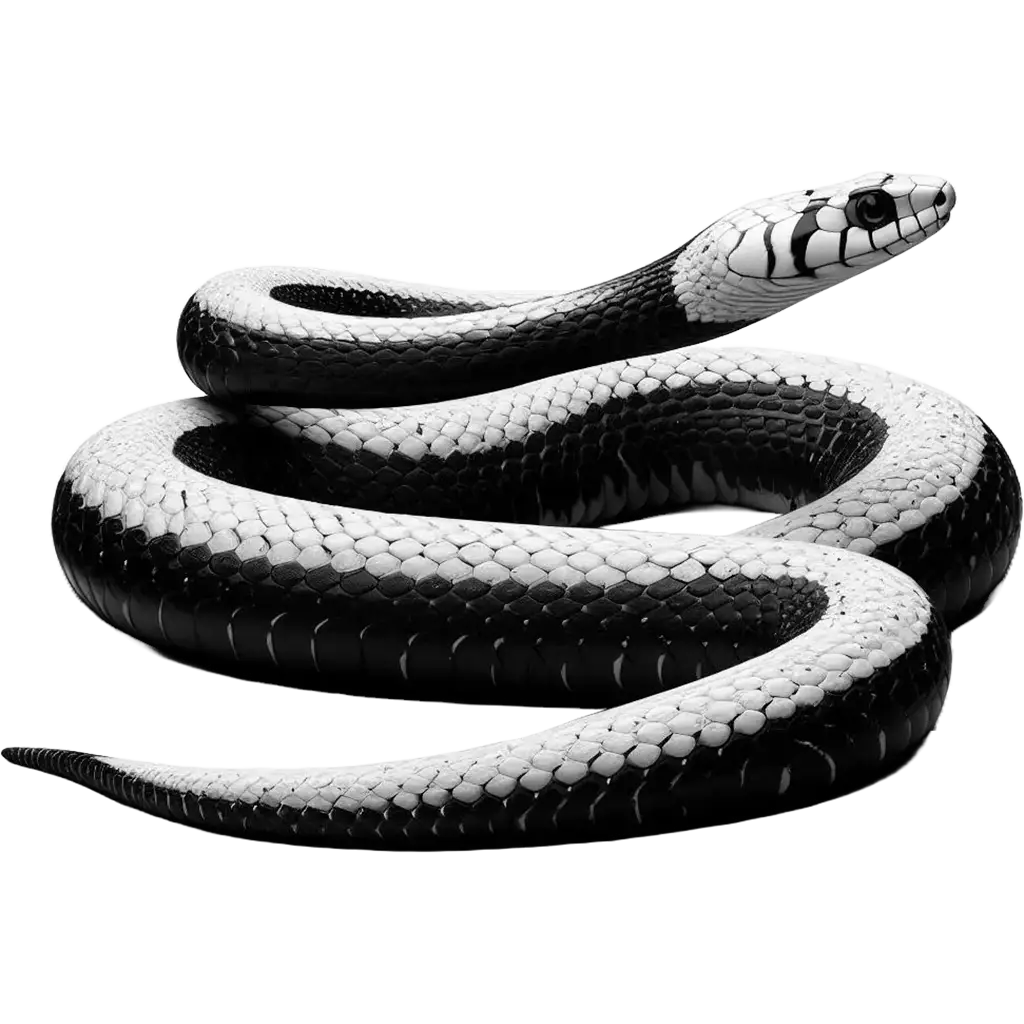
The Eastern Coral Snake, micrurus fulvius, is a highly venomous snake native to the southeastern United States. Characterized by its distinctive color pattern of black, yellow, and red bands, this slender snake can reach lengths of up to 30 inches (76 cm), though most are smaller. The vivid bands serve
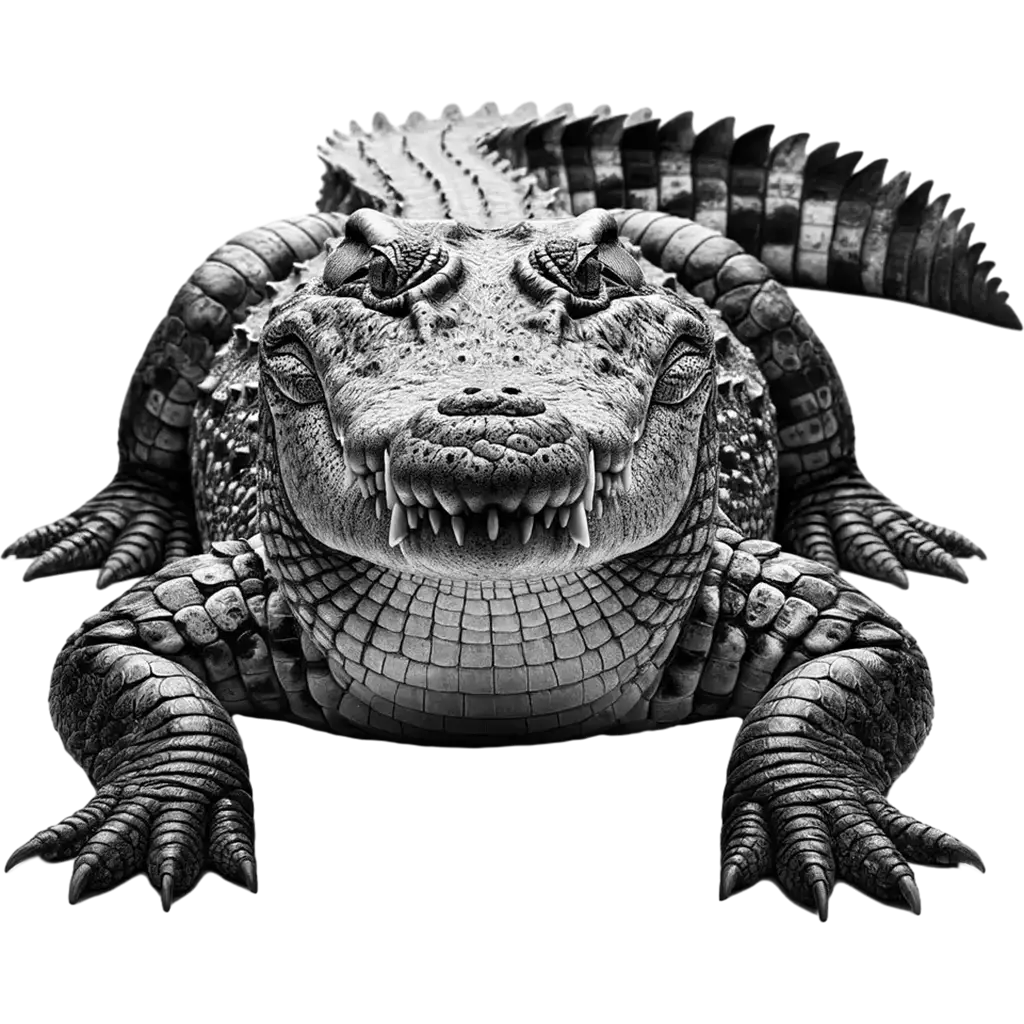
The Mugger Crocodile, crocodylus palustris, also known as the Marsh Crocodile, is a freshwater crocodile native to the Indian subcontinent and surrounding countries. Adults can reach lengths of up to 4 to 5 meters, making them one of the larger crocodile species. They have a broad snout and are olive-green
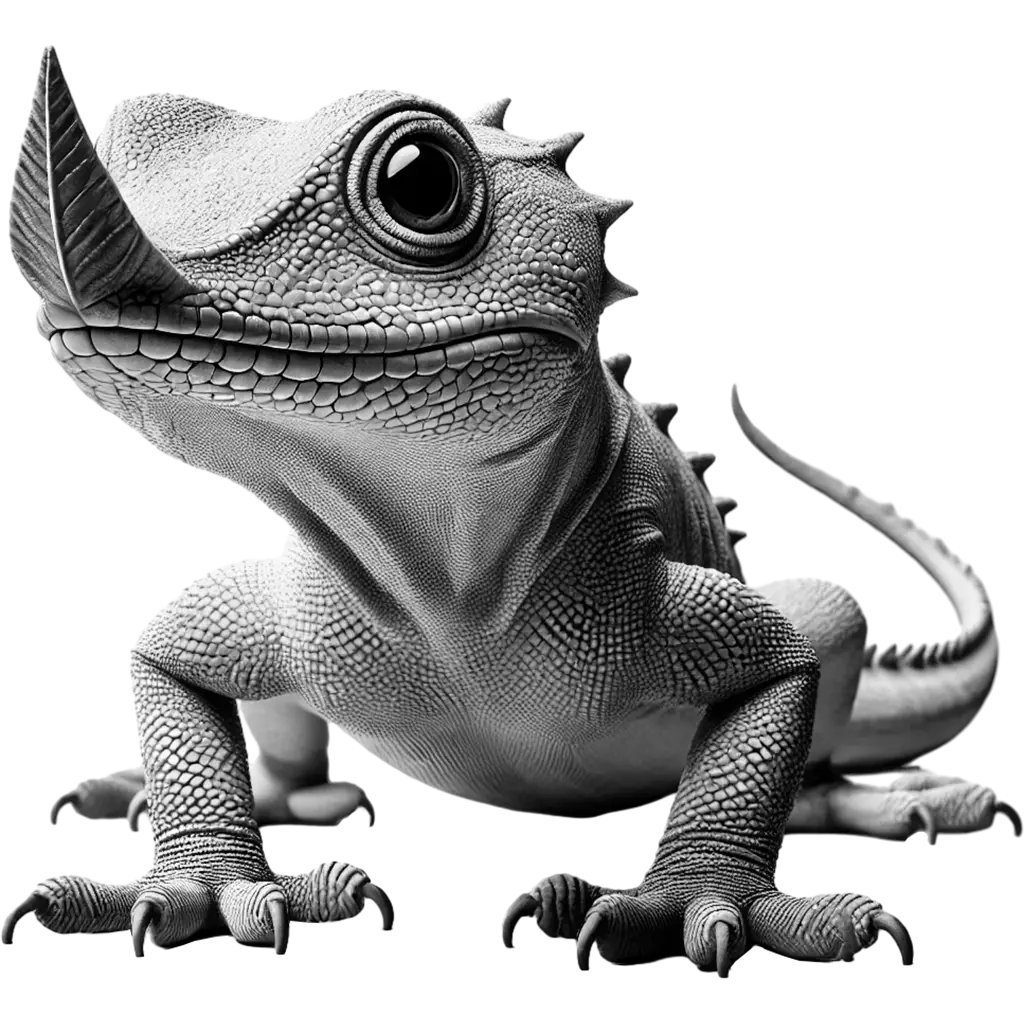
The Leaf-nosed Lizard, Ceratophora tennentii, is a small reptile endemic to Sri Lanka, notable for the distinctive leaf-like appendage on its snout. This fleshy, laterally compressed structure is present in both sexes, though it is somewhat smaller in females. Adults typically reach a total length of approximately 18.5 centimeters, including
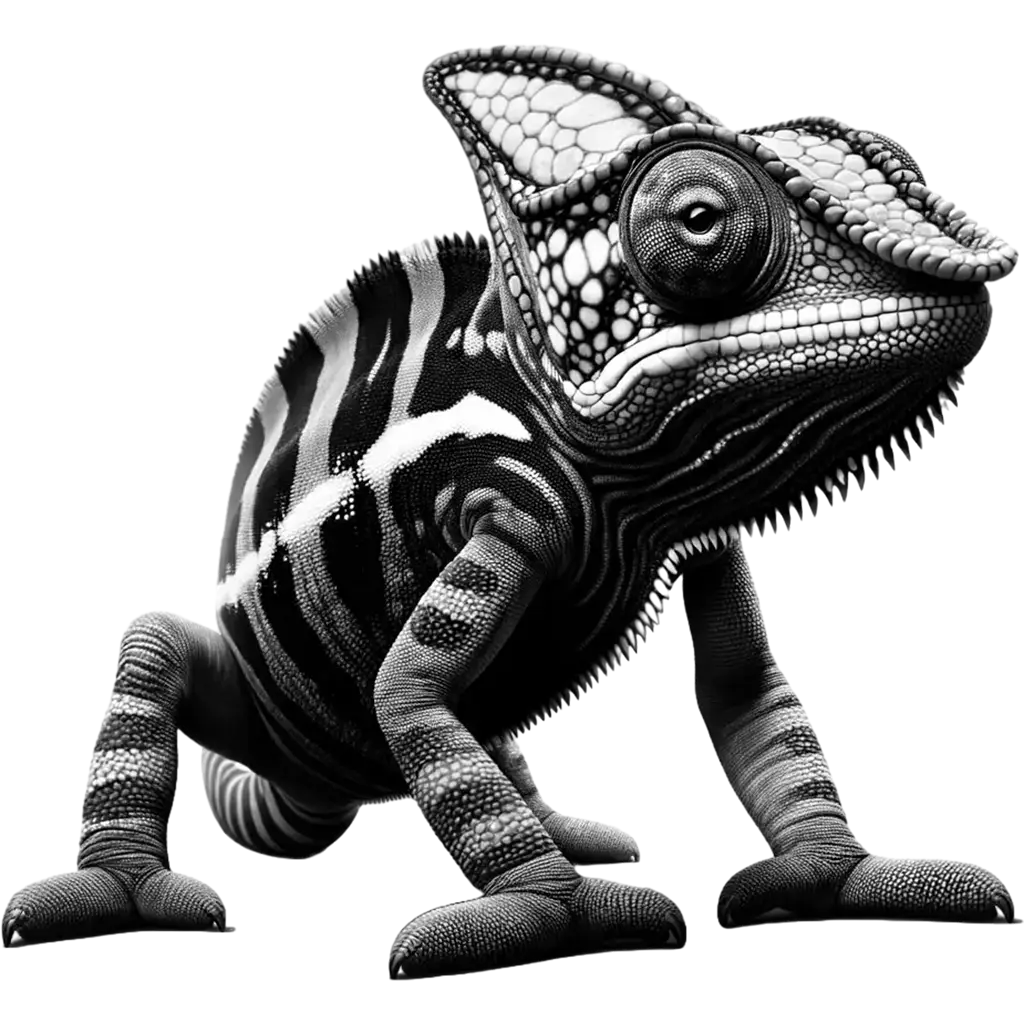
The Namaqua Chameleon, chamaeleo namaquensis, is a distinctive species of chameleon found primarily in the arid regions of southern Africa, including the Namib Desert. This species is particularly notable for its large size, with adults reaching up to 25 cm in length, making it one of the larger chameleon species.