
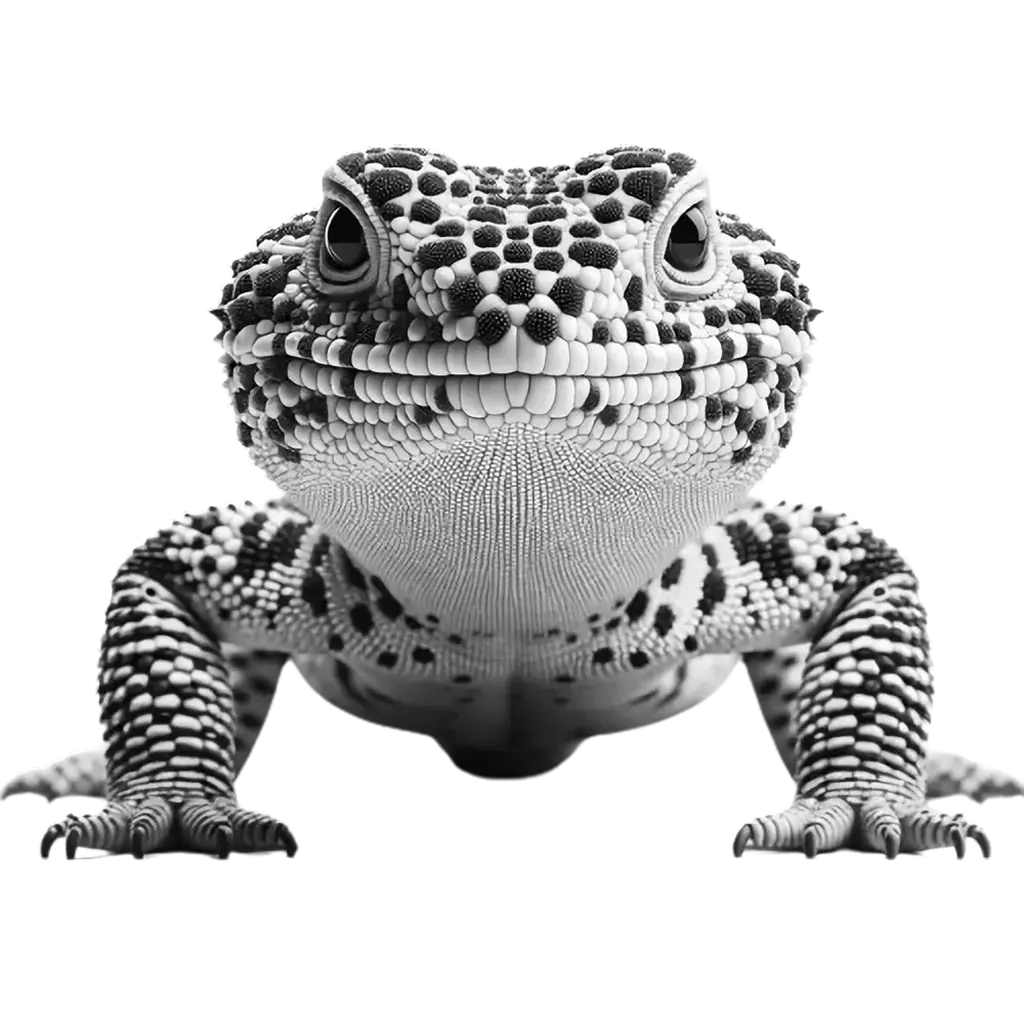
Heloderma Horridum
Mexican Beaded Lizard
Arid and semi-arid regions including rocky areas, scrubland, and desert
The Mexican Beaded Lizard, heloderma horridum, is one of the only two venomous lizard species found in North America, alongside its close relative, the Gila Monster. Distinguished by its distinctive bead-like scales, which are black with yellowish or white markings, this robust lizard can reach lengths of up to 90 cm (35 inches), making it one of the largest in its habitat. Its thick, muscular body is complemented by a short, stumpy tail, which it uses to store fat reserves.
| Population: | Listed as Near Threatened due to habitat loss and exploitation |
| Generation Length: | 10-20 years |
| Average Weight: | 0.7-1 kg |
| Average Length: | 70-90 cm |
| Lifespan: | 20-30 years in the wild |
| Diet: | Venomous predator with a diet of small animals and eggs |
| Conservation Status: | Least Concern (LC) |
Native to the arid and semi-arid regions of Mexico and Guatemala, the Mexican Beaded Lizard prefers rocky or sandy environments where it can easily burrow. It is a solitary creature, primarily active during the night or twilight hours to avoid the extreme heat of its desert habitat. During the day, it seeks refuge in burrows or under rocks to conserve moisture and regulate its body temperature.
The diet of the Mexican Beaded Lizard is carnivorous, consisting mainly of eggs, small birds, mammals, and other reptiles. Its venomous bite is a key adaptation for subduing larger prey, which it detects through an acute sense of smell using its forked tongue. Despite its fearsome reputation, encounters with humans are rare, and it uses its venom primarily for defense and prey immobilization rather than aggression.
Reproduction in the Mexican Beaded Lizard involves internal fertilization, with females laying clutches of 2 to 16 eggs. These eggs are deposited in warm, humid nests, where they incubate for several months before hatching. The young are fully independent at birth, equipped with venom and the instinctual behaviors necessary for survival.
The population of the Mexican Beaded Lizard is considered Near Threatened, with habitat loss due to agricultural expansion and urban development posing significant threats. Conservation efforts are focused on habitat preservation and education to mitigate human-wildlife conflict. This species plays a crucial role in its ecosystem as both a predator and prey, highlighting the importance of its conservation for maintaining ecological balance.
Classifications
The Key Attributes
Features
- Movement:
Crawling
- Territorial Behavior:
Solitary and territorial
- Speed:
Slow-moving
- Diet:
Carnivore
- Physical Features:
- Thick body covered with bead-like scales
- Strong jaws with venomous glands
- Short, stubby limbs
- Tail used for fat storage
- Primary Senses:
- Taste
- Smell
- Sight
Understanding Habitat and Range
Geography
- Habitat:
Arid and semi-arid regions including rocky areas, scrubland, and desert
- Migration Patterns:
Non-migratory
- Geographical Range:
Native to Mexico and parts of Guatemala
- Climate Preferences:
Prefers hot, dry environments
Navigating the Wilderness
In the wild
- Predators:
Larger mammals, birds of prey, and humans
- Prey:
Small mammals, birds, eggs, reptiles
- Feeding Behavior:
Feeds on small mammals, birds, eggs, and occasionally other reptiles; uses venom to subdue larger prey
- Diet:
Venomous predator with a diet of small animals and eggs
- Defensive Mechanisms:
- Venomous bite as a defense against predators and for subduing prey
- Camouflage with its environment to avoid detection
- Preferred Food Sources:
- Areas rich in small wildlife and bird nests
Insights Into Reproduction
Mating
- Mating System:
Polygynous
- Number of Offspring:
2-16 eggs per clutch
- Incubation Period:
Around 5-6 months
- Parental Involvement:
- Females lay eggs and then leave; no parental care after laying eggs
Youngsters Section
Mexican Beaded Lizard
Fun Fact
The Mexican Beaded Lizard is one of the few venomous lizards in the world.
Its venom is primarily used for defense and is delivered through grooved teeth. Unlike snakes, they chew to inject venom. Found in Mexico and Guatemala, their beaded skin provides protection and assists in heat regulation. These lizards are more active during the night.

Download word search puzzles
Word Search Puzzles
Check Out Other Reptiles
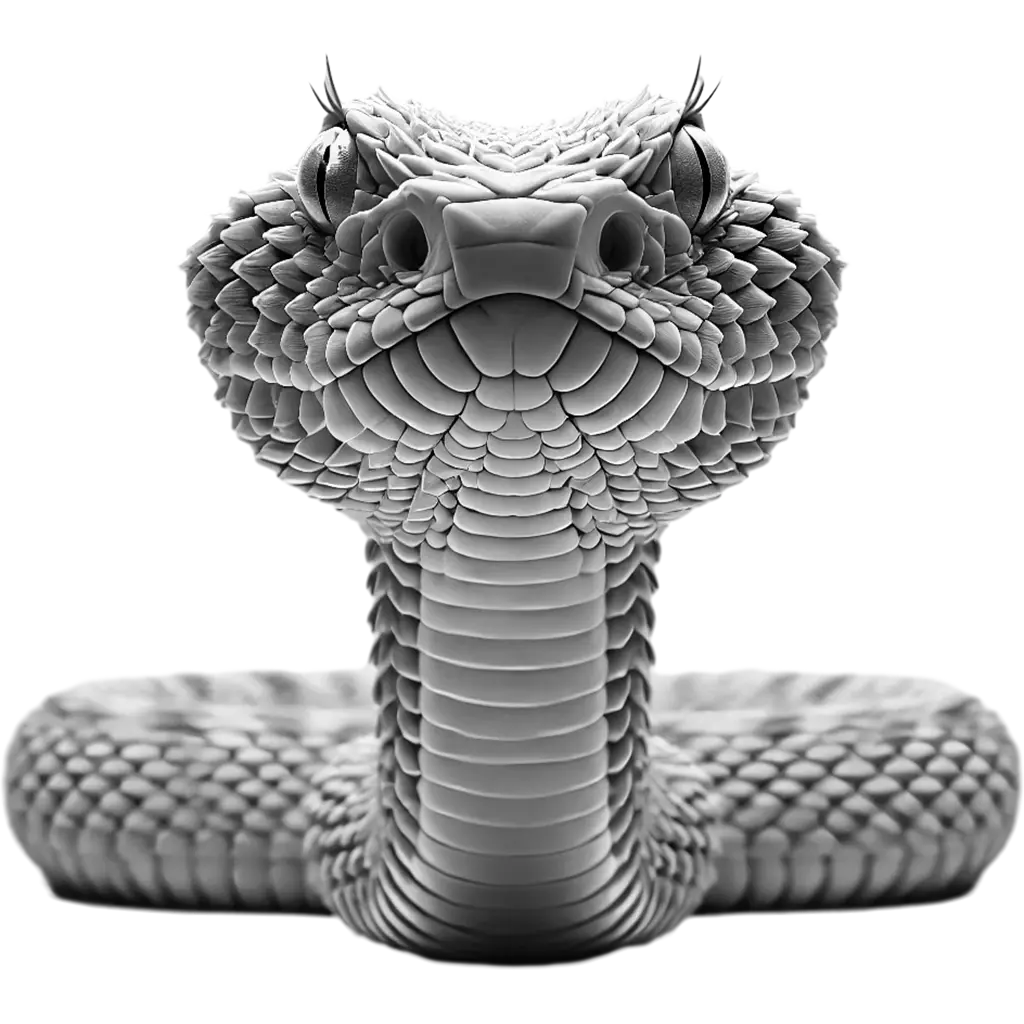
Bothriechis schlegelii, known as the Eyelash Viper, exhibits a striking appearance with its slender, elongated body and vibrant coloration. Its most distinctive feature is the raised supraocular scales that resemble delicate eyelashes framing its intense, vertical pupils. The snake's body displays a mosaic of vivid greens, browns, or yellows accented
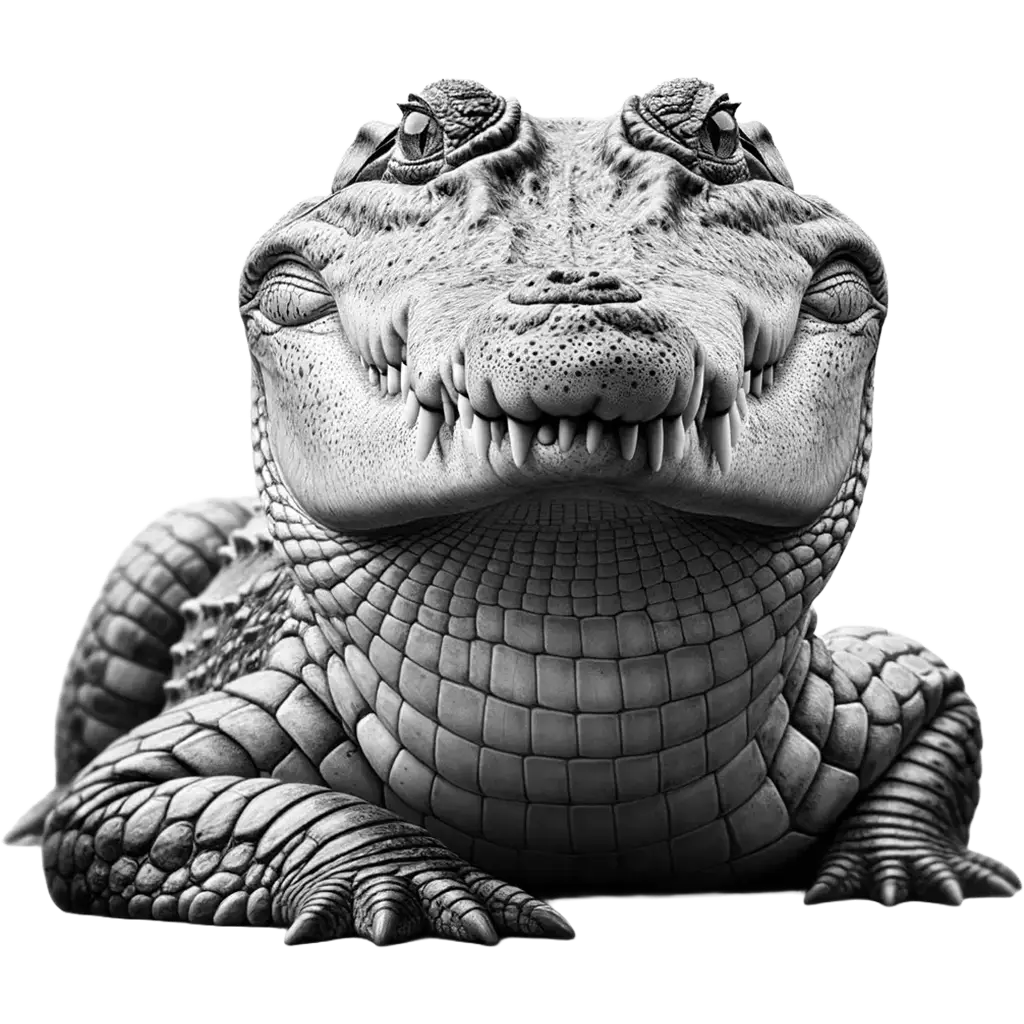
The Saltwater Crocodile, crocodylus porosus, is the largest of all living reptiles, as well as the largest terrestrial and riparian predator in the world. Males of this species can reach lengths of more than 6 meters (20 feet), with exceptional individuals exceeding 7 meters (23 feet) and weighing over 1,000
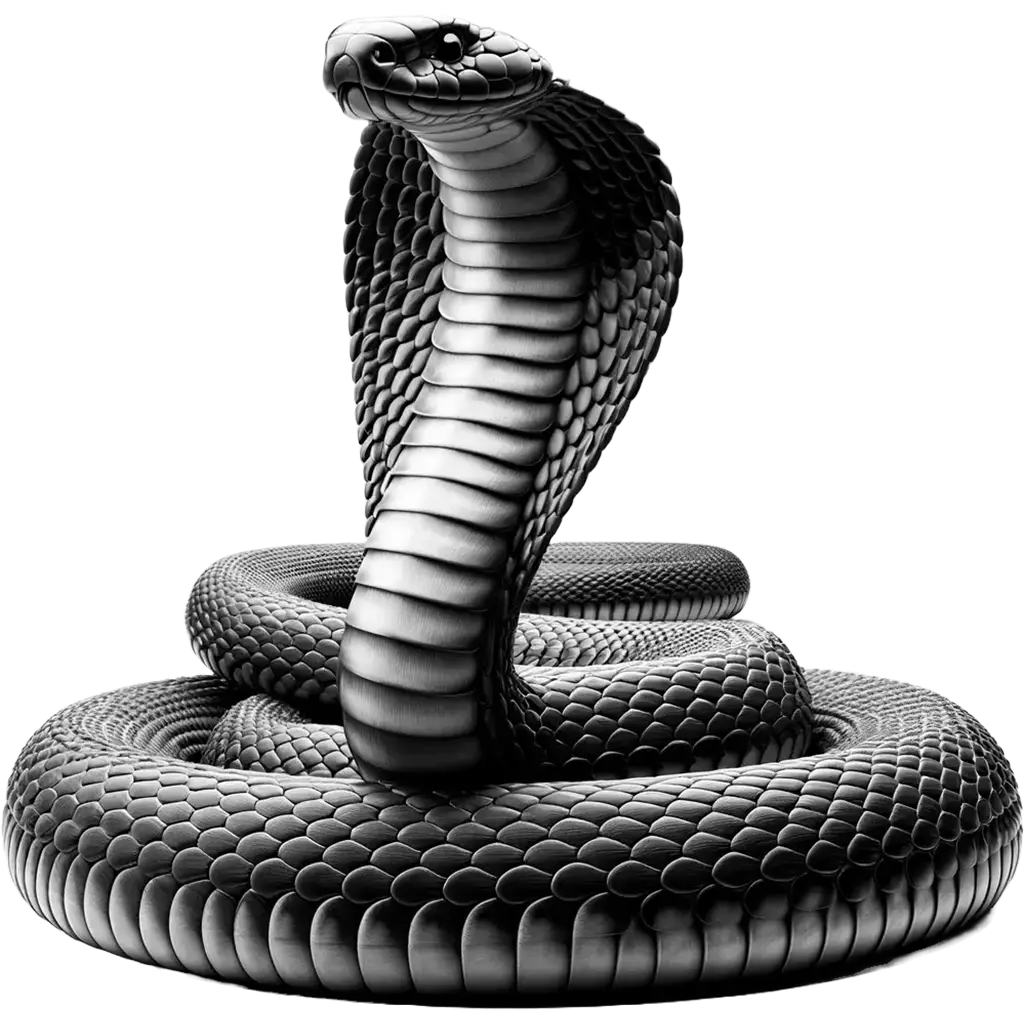
The King Cobra, ophiophagus hannah, stands as the world's longest venomous snake, with adults typically reaching 3 to 4 meters in length, though specimens exceeding 5 meters have been recorded. Its skin color varies from dark olive to black, with light yellow bands crossing over the body, providing camouflage in
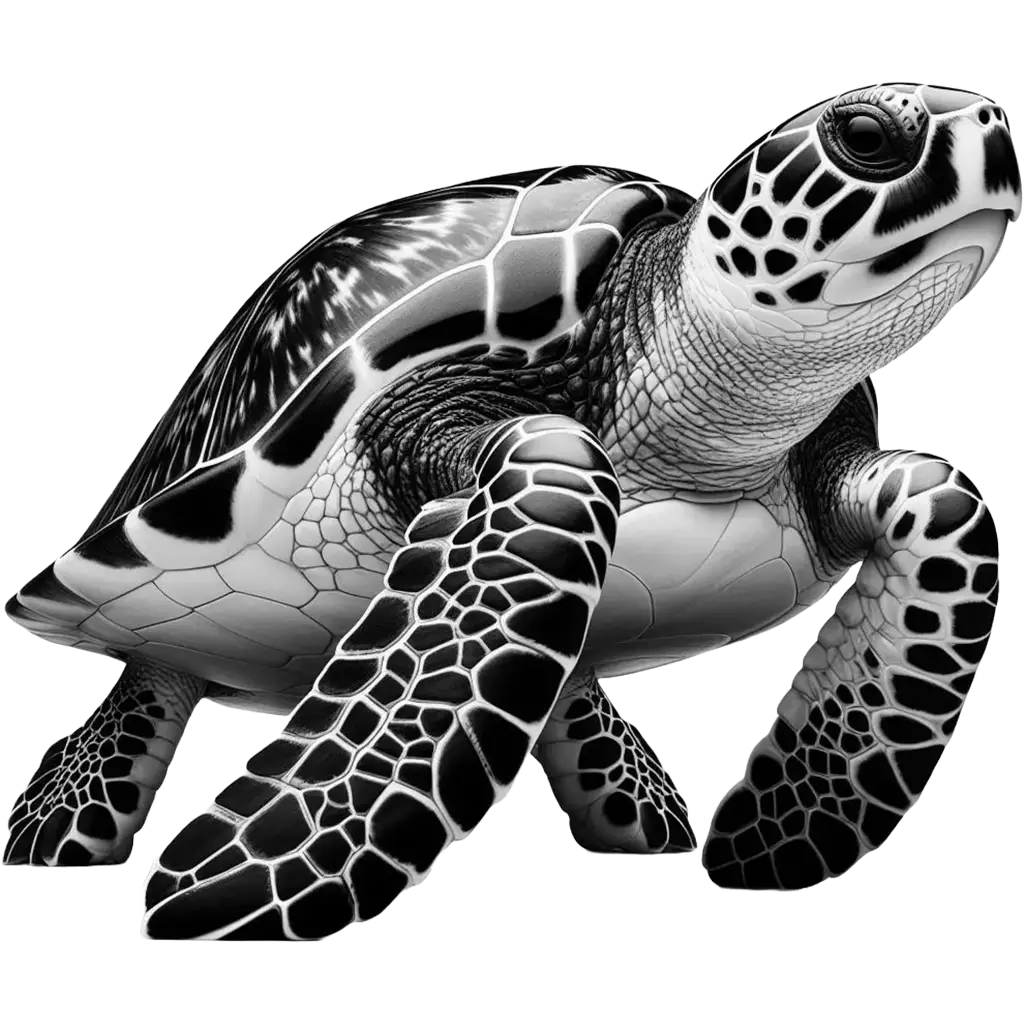
The Hawksbill Sea Turtle, eretmochelys imbricata, is a critically endangered marine turtle known for its distinctive hawk-like beak and beautifully patterned shell of overlapping scales, or scutes, which are sought after for their use in decorative arts, leading to the species' decline. Adults typically measure about 90 centimeters (35 inches)