

Malaclemys Terrapin
Diamondback Terrapin
Brackish coastal wetlands, estuaries, tidal creeks, and salt marshes
The Diamondback Terrapin, malaclemys terrapin, is a distinctive species of turtle known for its uniquely patterned shell, which resembles the diamond-shaped markings of a terrapin's back. Adults can vary significantly in size depending on their sex and subspecies, generally measuring between 12 to 20 cm in shell length, with females typically larger than males. The terrapin's skin ranges from gray to white, adorned with dark spots, streaks, or blotches, which helps camouflage them in their brackish water habitats. Their shell colors can vary from grayish-green to brown, often with concentric, diamond-like rings on the scutes.
| Population: | Listed as Vulnerable due to habitat loss, predation, and human impact |
| Generation Length: | 10-15 years |
| Average Weight: | 0.3-1.0 kg |
| Average Length: | 12-17 cm for males, 15-23 cm for females |
| Lifespan: | 25-40 years in the wild |
| Diet: | Diverse, including marine invertebrates, small fish, and plant matter |
| Conservation Status: | Vulnerable (VU) |
Native to the tidal marshes and estuaries of the eastern and southern United States, Diamondback Terrapins are the only species of turtle in North America that live exclusively in brackish water - a mix of salt and fresh water. This habitat preference makes them uniquely adapted to life in coastal marshes, where they play a vital role in the ecosystem. Terrapins are known for their strong swimming ability, using webbed feet to navigate the fluctuating waters of their habitats.
The diet of the Diamondback Terrapin mainly consists of mollusks, crustaceans, and small fish, which they forage from the muddy bottoms of marshes and shallow waters. Their strong, muscular jaws are well adapted for crushing the shells of their prey, particularly snails and clams, which constitute a significant part of their diet. This feeding behavior helps control the population of these invertebrates, maintaining a balanced ecosystem.
Reproduction for Diamondback Terrapins involves nesting on sandy or gravelly beaches adjacent to their marsh habitats, where females lay clutches of 4 to 18 eggs. The nesting season typically occurs from May to July, with eggs hatching after 60 to 90 days. Hatchlings are independent from birth and must make their way to the water while avoiding a host of predators.
The population of the Diamondback Terrapin is considered near threatened, facing pressures from habitat loss, road mortality, predation of eggs and juveniles, and incidental capture in crab traps. Conservation efforts include habitat restoration, protective legislation, and the use of bycatch reduction devices in fishing gear to prevent accidental captures. These measures aim to preserve the unique ecological niche of the Diamondback Terrapin and ensure its survival in the face of increasing environmental challenges.
Classifications
The Key Attributes
Features
- Movement:
Swimming, walking
- Territorial Behavior:
Somewhat territorial, especially during nesting season
- Speed:
Adept swimmer in water; slower on land
- Diet:
Omnivore
- Physical Features:
- Unique diamond-shaped carapace patterns
- Strong, webbed feet for swimming
- Sharp beak for tearing food
- Sexual dimorphism with females larger than males
- Primary Senses:
- Sight
- Smell
- Tactile
Understanding Habitat and Range
Geography
- Habitat:
Brackish coastal wetlands, estuaries, tidal creeks, and salt marshes
- Migration Patterns:
Non-migratory, but may move locally between brackish and freshwater habitats
- Geographical Range:
Eastern and southern United States, particularly along the Atlantic coast and Gulf of Mexico
- Climate Preferences:
Prefers temperate to subtropical climates
Navigating the Wilderness
In the wild
- Predators:
Raccoons, birds, crabs, and fish prey on eggs and juveniles
- Prey:
Mollusks, crustaceans, fish, and aquatic plants
- Feeding Behavior:
Feeds on a variety of marine organisms such as fish, mollusks, and crustaceans, as well as some plant material
- Diet:
Diverse, including marine invertebrates, small fish, and plant matter
- Defensive Mechanisms:
- Hard shell provides protection
- Camouflage coloring
- Retreating into shell when threatened
- Preferred Food Sources:
- Estuarine environments rich in aquatic life
Insights Into Reproduction
Mating
- Mating System:
Polygynous
- Number of Offspring:
4-18 eggs per clutch
- Incubation Period:
60-90 days
- Parental Involvement:
- Females lay eggs in nests and then provide no further care
Youngsters Section
Diamondback Terrapin
Fun Fact
Diamondback terrapins have unique diamond-shaped patterns on their shells, giving them their distinctive name.
These turtles inhabit brackish coastal tidal marshes of the eastern and southern United States. They are the only turtle species that live exclusively in brackish water. Their diet consists mainly of mollusks, crustaceans, and fish, using their powerful jaws to crush shells.

Download word search puzzles
Word Search Puzzles


Check Out Other Reptiles
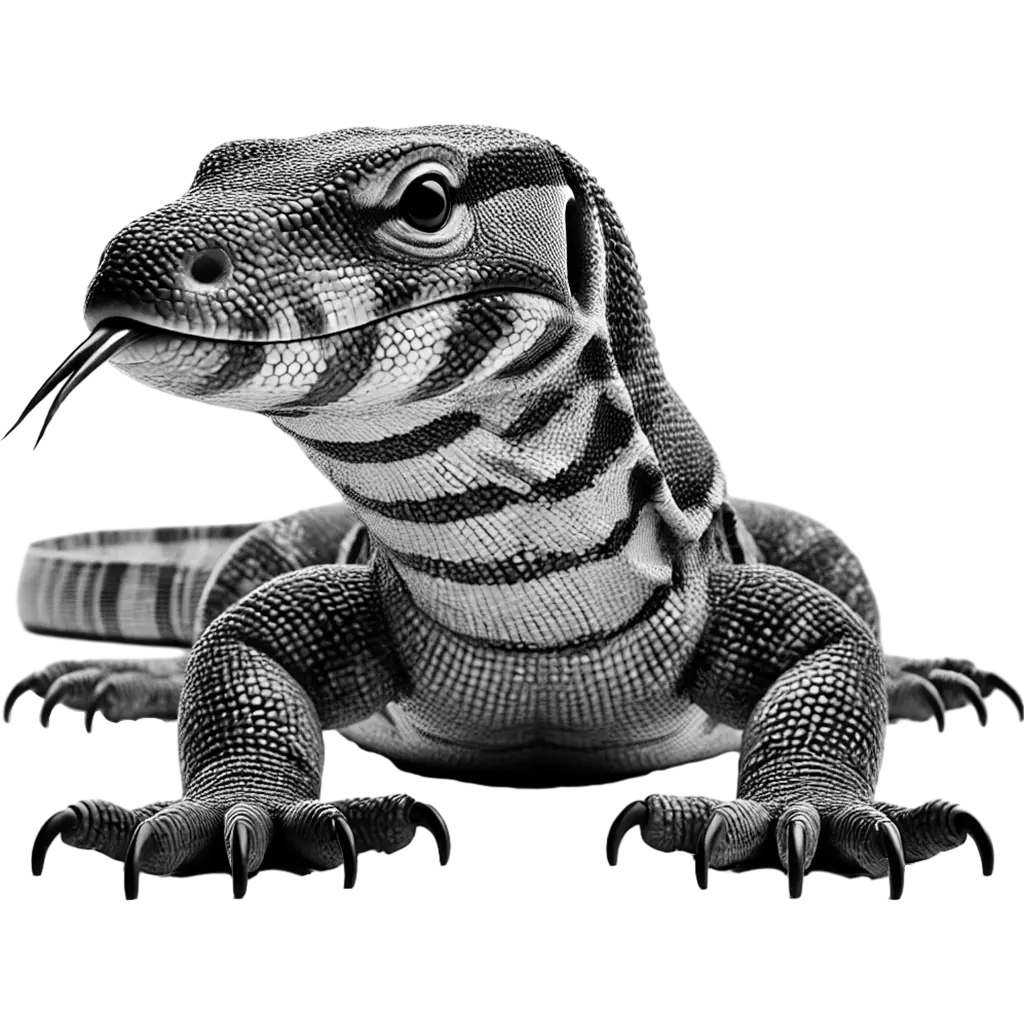
The Savannah Monitor is a medium-sized, robust reptile distinguished by its elongated body covered in rough, dark scales that blend seamlessly with the dusty savannah. Its strong, well-muscled limbs and long, tapering tail provide excellent balance and agility, while a flattened head with a prominent snout and keen, alert eyes
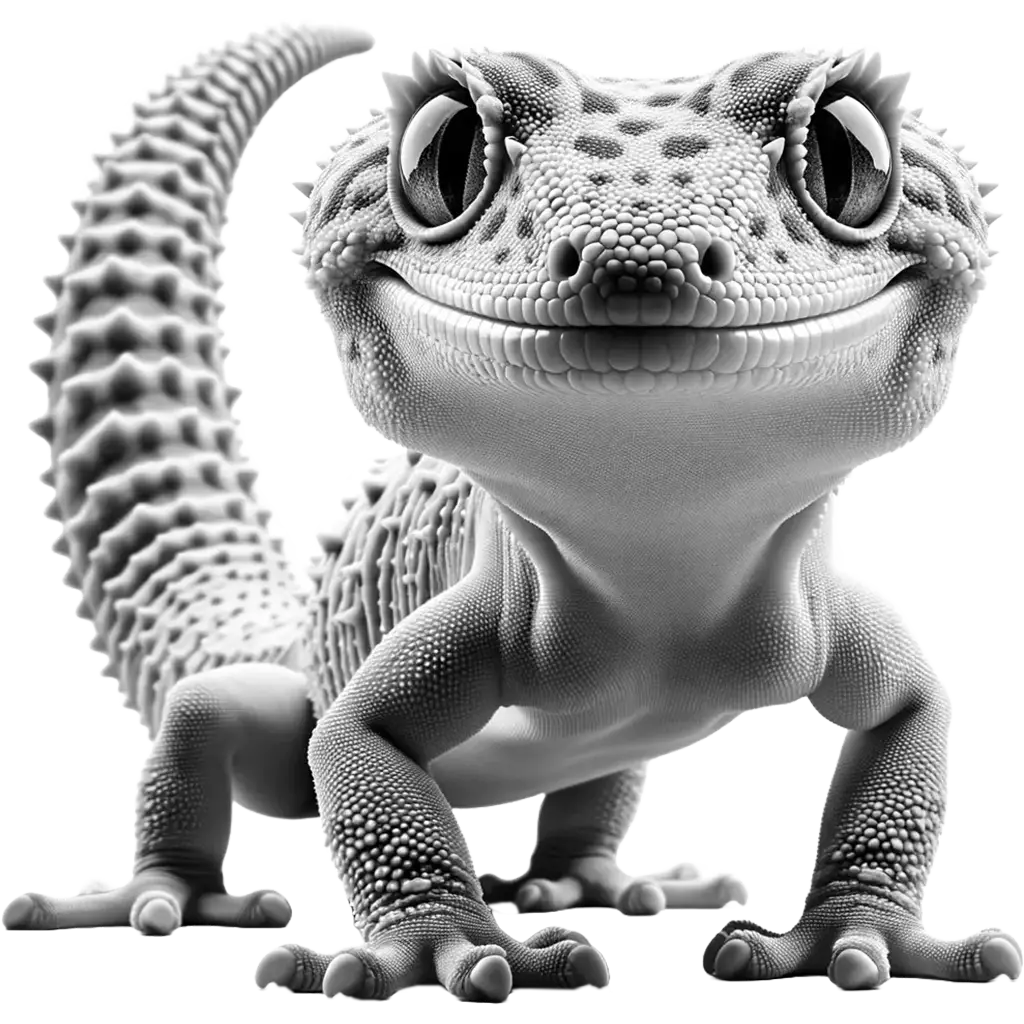
The Northern Spiny-Tailed Gecko, strophurus ciliaris, is a distinctive lizard known for its unique defense mechanism and striking appearance. Native to Australia, this species is characterized by a row of spiny scales along the sides of its tail and body, giving it its common name. Adults can reach lengths of
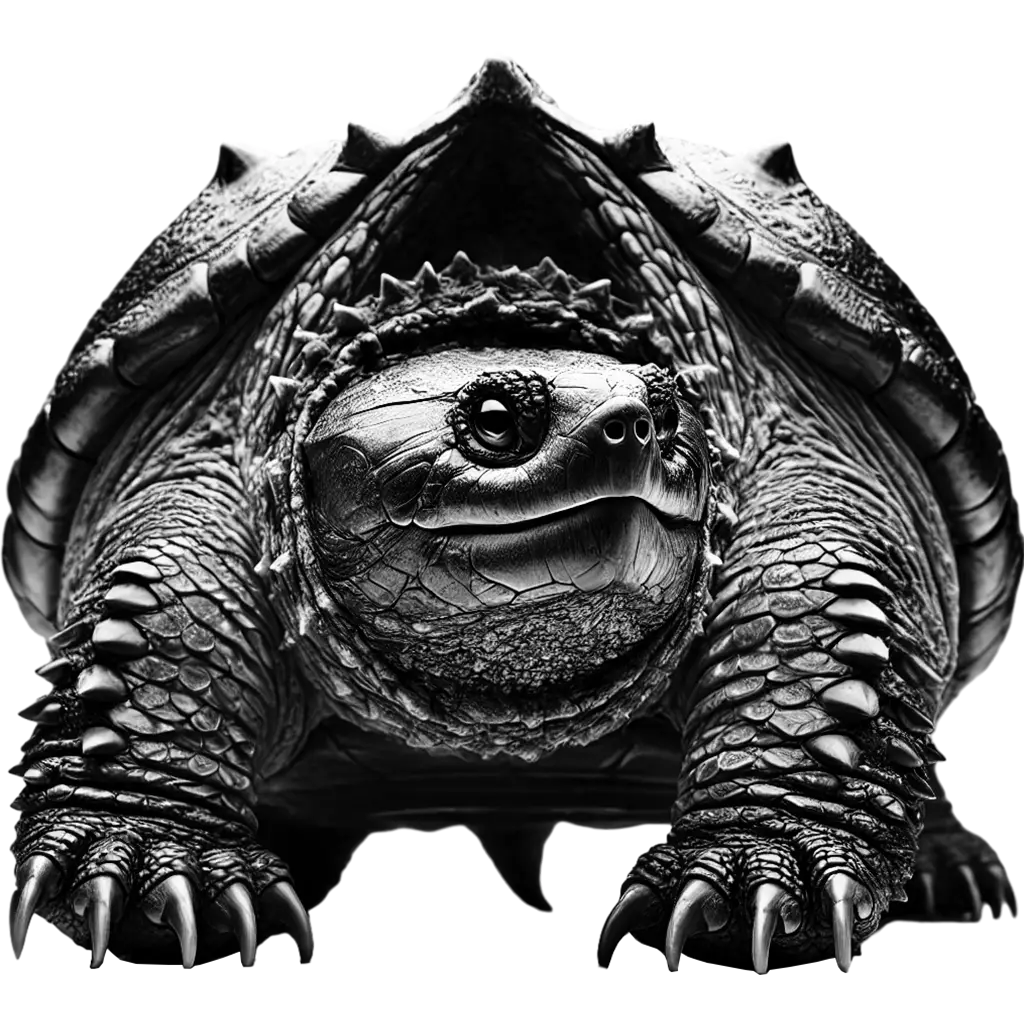
The Alligator Snapping Turtle is the largest freshwater turtle in North America, recognized for its prehistoric, rugged appearance. Its shell is covered in ridged, bony scutes that resemble an alligator's skin, helping it blend into its environment. The turtle has an enormous head with powerful, hooked jaws capable of exerting
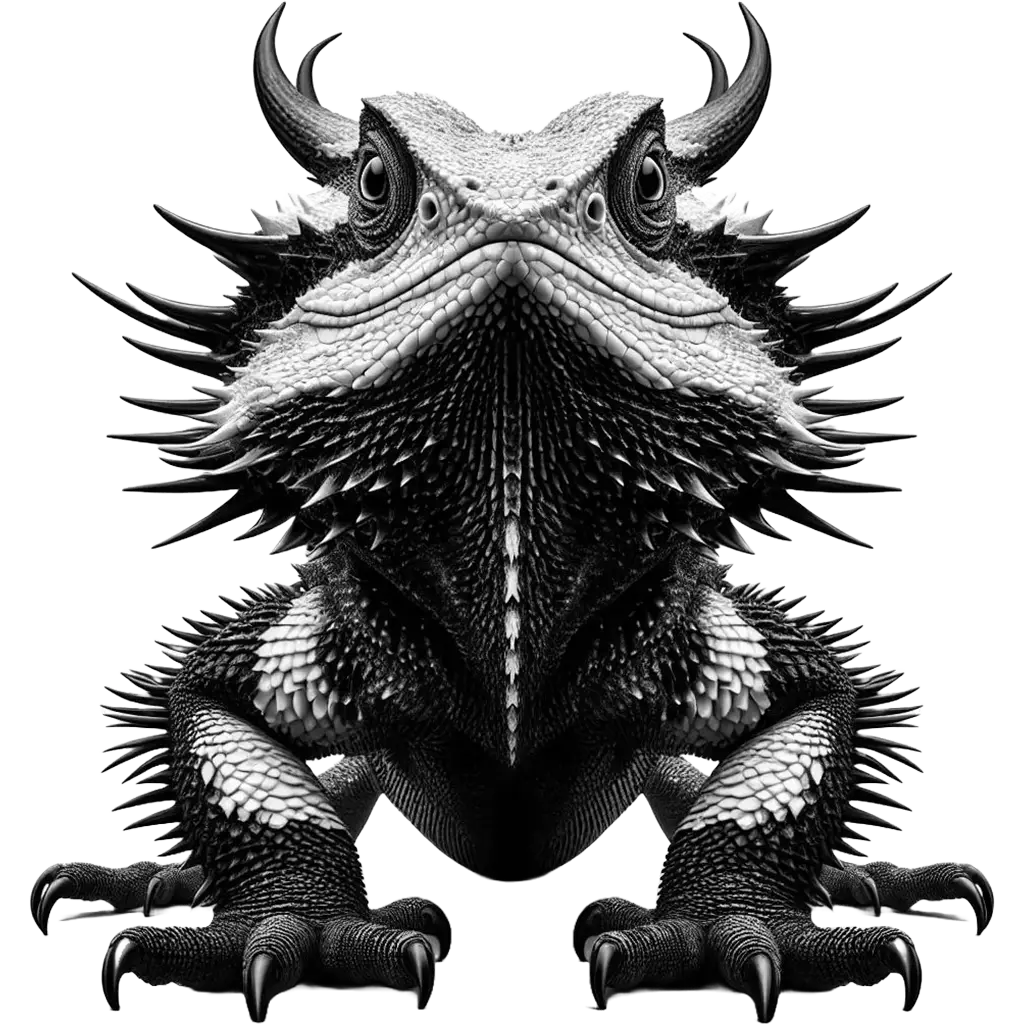
The Giant Horned Lizard, phrynosoma asio, is a remarkable reptile known for its distinctive appearance, featuring an array of sharp horns that adorn its head and sides, providing an effective deterrent against predators. This species is the largest of the horned lizards, with adults reaching lengths of up to 15