
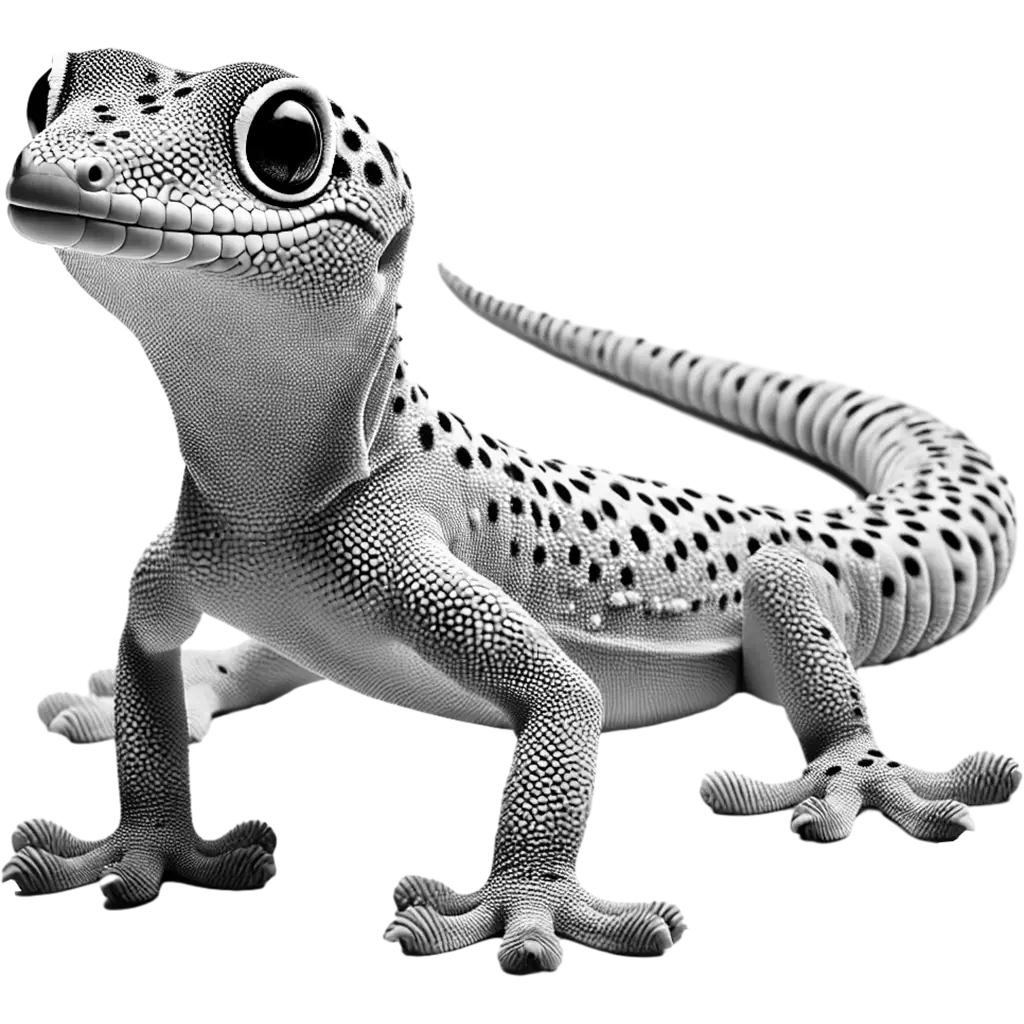
Gonatodes Ceciliae
Brilliant South American Gecko
Tropical forests, shrublands, and rocky outcrops in South America
The Brilliant South American Gecko is a small, striking reptile characterized by its vibrant, iridescent scales that shimmer in hues of blue, green, and orange. Its slender, elongated body and flat head, accentuated by large, expressive eyes, create a captivating mosaic of colors that distinguishes it from other geckos. The vivid color patches along its flanks and delicate limbs enhance its overall elegance, making it a true jewel of the tropical forest.
| Population: | Common in South America's tropical forests, stable in preserved habitats, but threatened by deforestation and the pet trade |
| Generation Length: | 3-4 years |
| Average Weight: | Approximately 15-20 grams |
| Average Length: | Approximately 5-7 cm |
| Lifespan: | Approximately 5-8 years in the wild; up to 10 years in captivity |
| Diet: | Strictly insectivorous, contributing to natural pest control in its ecosystem |
| Conservation Status: | Least Concern (LC) |
Living in the dense, humid understory of South American forests and among rocky outcrops, this gecko is highly active during the day. It flits nimbly among branches and crevices, skillfully navigating the complex terrain in search of food and shelter. Males often patrol and defend small territories, using visual displays and subtle body movements to communicate with rivals and potential mates. Their behavior is marked by rapid, darting movements interspersed with quiet periods of rest, reflecting a balance between energy expenditure and cautious vigilance.
The diet of the Brilliant South American Gecko is strictly insectivorous. It forages among leaves and bark, using its keen eyesight and rapid reflexes to capture small insects such as ants, beetles, and spiders. This high-protein diet supports its energetic lifestyle and contributes to the natural control of insect populations within its ecosystem. The gecko's efficient hunting techniques and specialized tongue allow it to secure food quickly, ensuring that it meets its nutritional needs in a competitive environment.
During the breeding season, males display intensified coloration and perform brief, dynamic courtship rituals to attract females. These displays include rapid dashes, head-bobbing, and subtle color shifts that signal their readiness to mate. Once a pair forms, the female lays a small clutch of eggs, which incubate in secure, hidden crevices until they hatch, ensuring a swift transition from egg to independent hatchling.
Populations of the Brilliant South American Gecko remain stable in undisturbed tropical habitats, though they are vulnerable to deforestation and overcollection for the pet trade. While widespread in suitable environments, localized declines underscore the importance of habitat conservation and sustainable management practices to secure the future of this dazzling species.
Classifications
The Key Attributes
Features
- Movement:
Agile climbers that move swiftly along branches and rocks, with quick dashes when evading predators.
- Territorial Behavior:
Males are territorial and defend small areas with visual displays, while females tend to be more secretive.
- Speed:
Moderate, with rapid bursts during escapes or territorial displays.
- Diet:
Insectivorous; feeds on small insects and arthropods encountered while foraging among foliage.
- Physical Features:
- Bright, iridescent scales displaying vivid hues of blue, green, and orange
- Slender, elongated body with a flat head and large, expressive eyes
- Distinctive color patches along the flanks that add to its striking appearance
- Primary Senses:
- Sight
- Smell
- Touch
Understanding Habitat and Range
Geography
- Habitat:
Tropical forests, shrublands, and rocky outcrops in South America
- Migration Patterns:
Non-migratory; individuals maintain localized territories.
- Geographical Range:
Endemic to parts of the Amazon Basin and adjacent regions.
- Climate Preferences:
Tropical, humid climates with warm temperatures and dense vegetation.
Navigating the Wilderness
In the wild
- Predators:
Small birds, larger lizards, and snakes may prey on juveniles.
- Prey:
Ants, beetles, spiders, and other minute arthropods.
- Feeding Behavior:
Actively forages by darting among tree trunks and leaves, using rapid movements to capture insects.
- Diet:
Strictly insectivorous, contributing to natural pest control in its ecosystem
- Defensive Mechanisms:
- Quick, evasive movements and agile climbing to escape predators
- Effective camouflage among the colorful foliage
- Preferred Food Sources:
- Small insects and arthropods found on foliage and in crevices
Insights Into Reproduction
Mating
- Mating System:
Polygynous; males display vivid coloration and perform short, aggressive displays to attract females.
- Number of Offspring:
Typically 2-4 eggs per clutch
- Incubation Period:
Eggs hatch after approximately 45-60 days.
- Parental Involvement:
- Females provide all parental care until the hatchlings are independent.
Youngsters Section
Brilliant South American Gecko
Fun Fact
The brilliant South American gecko is a small but stunning reptile! With its bright, colorful patterns, it's a true beauty of the rainforest.
This gecko lives in the forests of South America and is known for its vibrant, multicolored scales that help it blend into the environment. It's nocturnal, meaning it comes out at night to hunt insects. Despite its small size, it's a quick and agile climber, easily navigating tree trunks and leaves.

Download word search puzzles
Word Search Puzzles


Check Out Other Reptiles

The Yellow-red Rat Snake is a visually striking reptile with a sleek, elongated body adorned in a vibrant blend of yellow and red scales. Its slightly triangular head, accentuated by bright, alert eyes and a glossy texture, gives it an elegant yet formidable appearance. The intricate patterning on its scales

The Savannah Monitor is a medium-sized, robust reptile distinguished by its elongated body covered in rough, dark scales that blend seamlessly with the dusty savannah. Its strong, well-muscled limbs and long, tapering tail provide excellent balance and agility, while a flattened head with a prominent snout and keen, alert eyes

The Hawksbill Sea Turtle, eretmochelys imbricata, is a critically endangered marine turtle known for its distinctive hawk-like beak and beautifully patterned shell of overlapping scales, or scutes, which are sought after for their use in decorative arts, leading to the species' decline. Adults typically measure about 90 centimeters (35 inches)
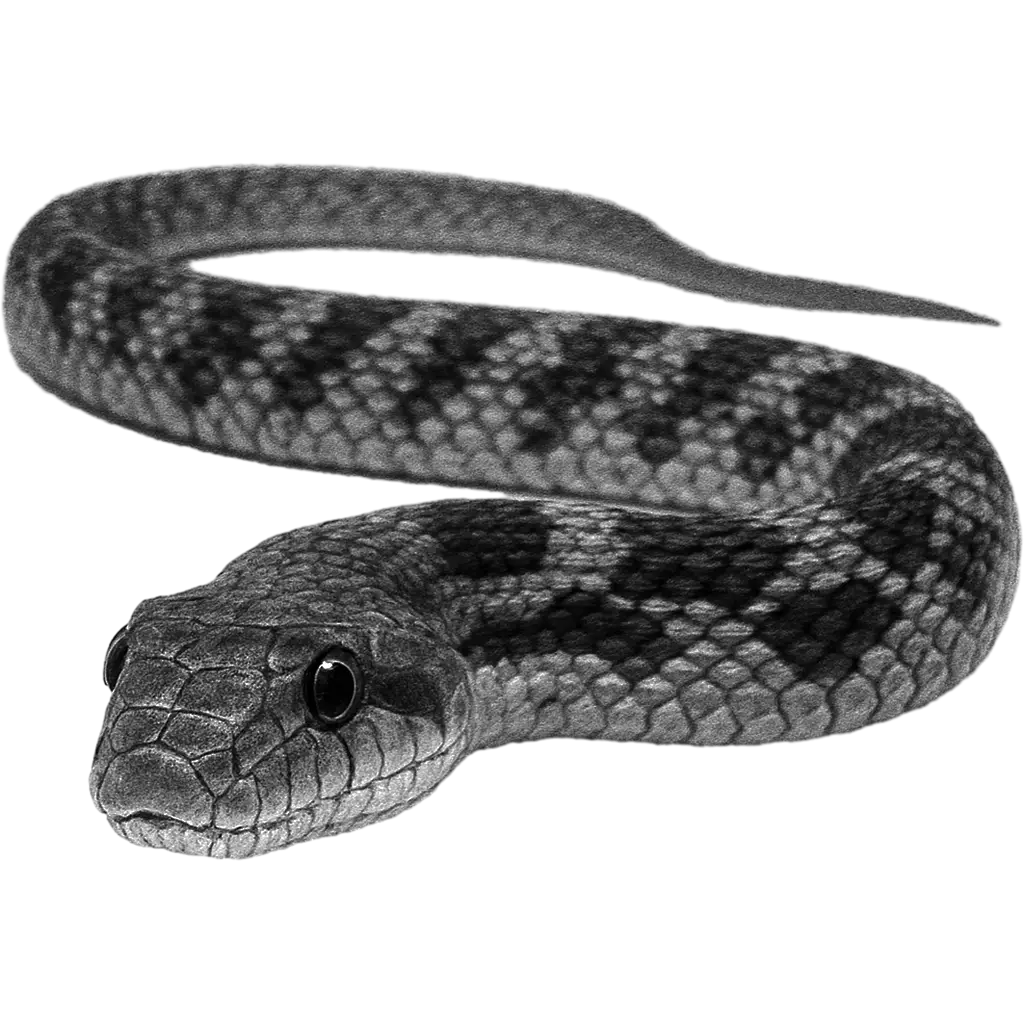
The Texas Rat Snake exhibits a slender, muscular body typically measuring between 90 and 160 centimeters in length. Its smooth, keeled scales display background hues from light gray to tan, overlaid with irregular dark blotches along the dorsum that may form crossbands. The head is slightly wider than the neck,