
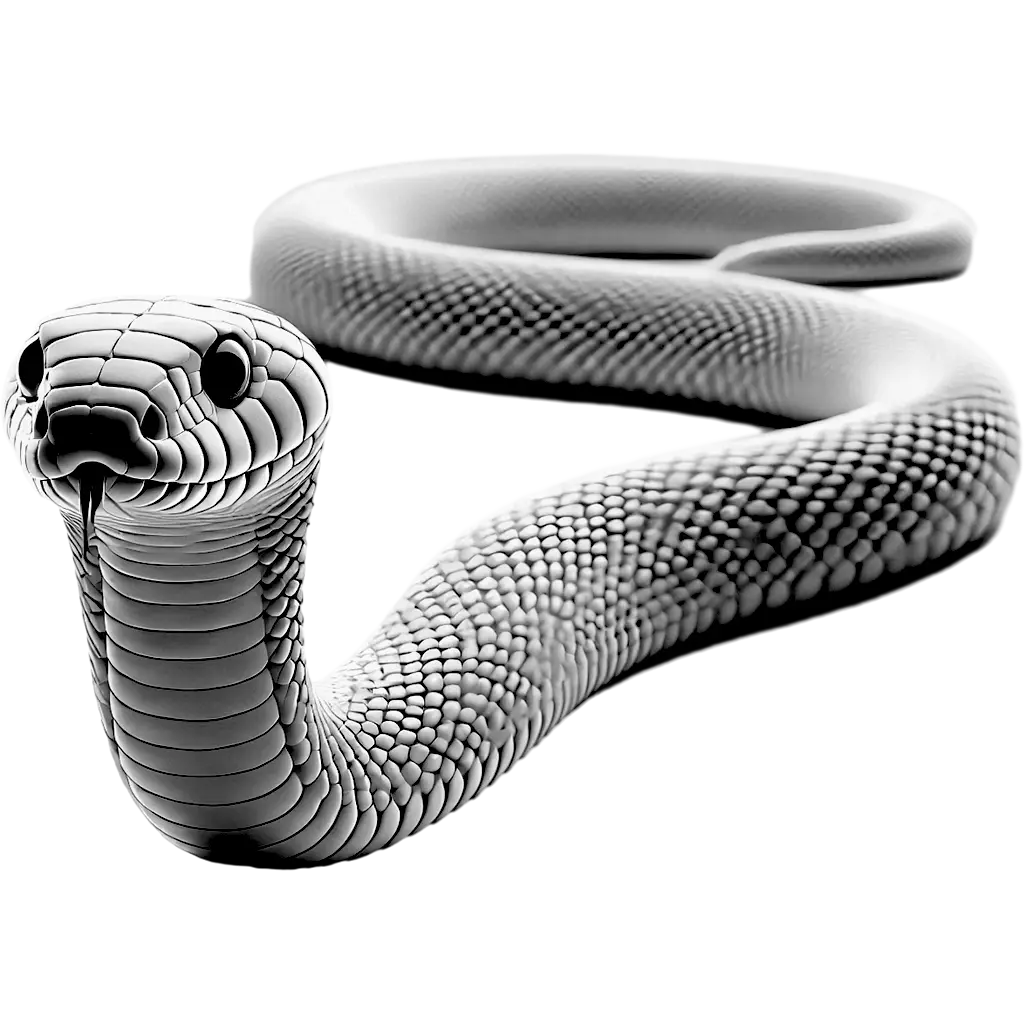
Pseudelaphe Flavirufa
Yellow-Red Rat Snake
Dry forests, scrublands, and rocky outcrops
The Yellow-red Rat Snake is a visually striking reptile with a sleek, elongated body adorned in a vibrant blend of yellow and red scales. Its slightly triangular head, accentuated by bright, alert eyes and a glossy texture, gives it an elegant yet formidable appearance. The intricate patterning on its scales not only enhances its beauty but also provides effective camouflage in its natural, rocky habitat.
| Population: | Populations appear stable in many areas despite localized declines from habitat loss and human activities |
| Generation Length: | About 6 years |
| Average Weight: | 0.5 to 1 kilogram |
| Average Length: | Approximately 1.2-1.8 meters |
| Lifespan: | Approximately 10-15 years in captivity; unknown in the wild |
| Diet: | Carnivorous, relying on a swift, ambush-based feeding strategy |
| Conservation Status: | Least Concern (LC) |
In the wild, this snake leads a largely solitary lifestyle, being most active during the cooler parts of the day and at night. It is typically observed gliding silently over dry forest floors and rocky outcrops, where its agile movements help it navigate complex terrain. The snake employs stealth and patience as it surveys its surroundings, often pausing motionless before launching a rapid, decisive strike on unsuspecting prey. Its behavior reflects a finely tuned adaptation to the arid environments it inhabits, where every movement is crucial for survival.
Feeding is a vital aspect of its life, as the Yellow-red Rat Snake is an efficient carnivore that preys on small mammals, lizards, and birds. It relies on its keen senses to detect even subtle movements in its vicinity, then uses a burst of speed to ambush and capture its quarry. In addition to live prey, the snake occasionally scavenges, supplementing its diet when necessary. This feeding strategy not only sustains its high metabolism but also plays an important role in controlling local populations of its prey species, maintaining ecological balance.
Mating in the Yellow-red Rat Snake typically occurs during the warmer months. Males engage in vigorous combat displays to establish dominance before cautiously approaching potential mates. Following a brief courtship period, females lay a clutch of 4-8 eggs in secure, hidden locations. There is no parental care after laying, with hatchlings emerging fully independent and immediately equipped to survive on their own in the wild.
Observations suggest that while the species is not widely studied, its populations remain stable in many regions despite localized declines due to habitat loss and other human impacts. The snake exhibits notable resilience by adapting to varied environments, though ongoing conservation monitoring is essential to mitigate emerging threats and ensure its long-term survival in the wild.
Classifications
The Key Attributes
Features
- Movement:
Slithers efficiently on the ground and can climb low vegetation when necessary
- Territorial Behavior:
Non-territorial and generally solitary in nature
- Speed:
Moderate, with bursts of rapid movement when striking prey
- Diet:
Carnivore; primarily preys on small mammals, lizards, and birds
- Physical Features:
- Vibrant yellow and red patterned body with distinct, glossy scales
- Sleek, elongated body with a slightly triangular head
- Bright, alert eyes that enhance its predatory gaze
- Smooth scales that create a glossy, almost iridescent finish
- Primary Senses:
- Sight
- Smell
- Thermoreception
Understanding Habitat and Range
Geography
- Habitat:
Dry forests, scrublands, and rocky outcrops
- Migration Patterns:
Non-migratory; remains within a localized range
- Geographical Range:
Found in parts of Central America and northern South America
- Climate Preferences:
Tropical and subtropical, favoring warm, arid to semi-arid environments
Navigating the Wilderness
In the wild
- Predators:
Birds of prey, larger snakes, and small mammals
- Prey:
Small mammals, lizards, and occasionally birds
- Feeding Behavior:
An active hunter that uses stealth and rapid strikes to capture prey
- Diet:
Carnivorous, relying on a swift, ambush-based feeding strategy
- Defensive Mechanisms:
- Effective camouflage among rocky substrates
- Rapid escape by slithering away quickly
- Occasionally feigning death to avoid detection
- Preferred Food Sources:
- Small mammals
- Lizards
- Birds
Insights Into Reproduction
Mating
- Mating System:
Oviparous; typically solitary outside the breeding season
- Number of Offspring:
Clutch size typically ranges from 4-8 eggs
- Incubation Period:
Eggs hatch after approximately 60-70 days
- Parental Involvement:
- No parental care; eggs develop independently after being laid
Youngsters Section
Yellow-Red Rat Snake
Fun Fact
The Yellow-red Rat Snake boasts an eye-catching blend of yellow and red scales that make it one of nature's most vividly patterned snakes.
Its vivid coloration not only enhances its camouflage among rocky outcrops but also makes it a favorite among reptile enthusiasts and wildlife photographers, symbolizing nature's brilliant artistry.

Download word search puzzles
Word Search Puzzles
Check Out Other Reptiles
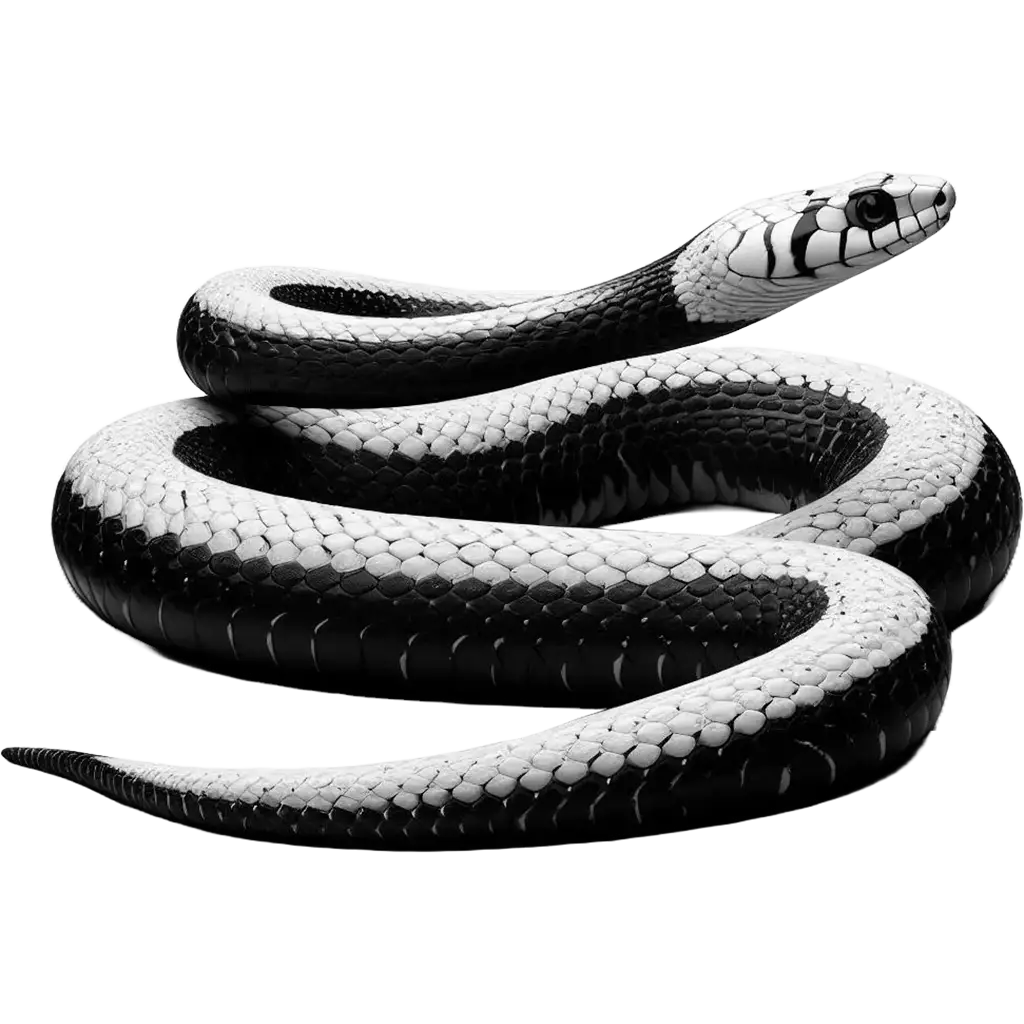
The Eastern Coral Snake, micrurus fulvius, is a highly venomous snake native to the southeastern United States. Characterized by its distinctive color pattern of black, yellow, and red bands, this slender snake can reach lengths of up to 30 inches (76 cm), though most are smaller. The vivid bands serve
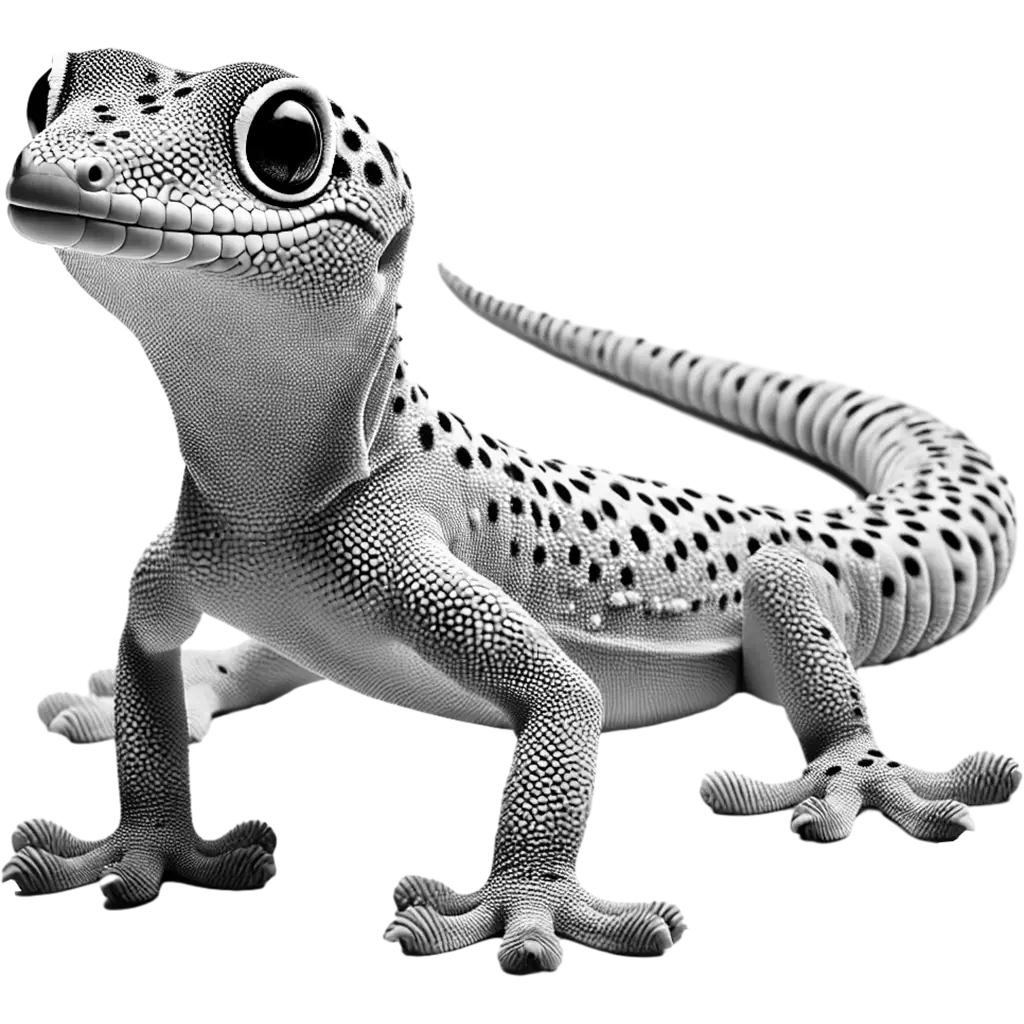
The Brilliant South American Gecko is a small, striking reptile characterized by its vibrant, iridescent scales that shimmer in hues of blue, green, and orange. Its slender, elongated body and flat head, accentuated by large, expressive eyes, create a captivating mosaic of colors that distinguishes it from other geckos. The

The Diamondback Terrapin, malaclemys terrapin, is a distinctive species of turtle known for its uniquely patterned shell, which resembles the diamond-shaped markings of a terrapin's back. Adults can vary significantly in size depending on their sex and subspecies, generally measuring between 12 to 20 cm in shell length, with females
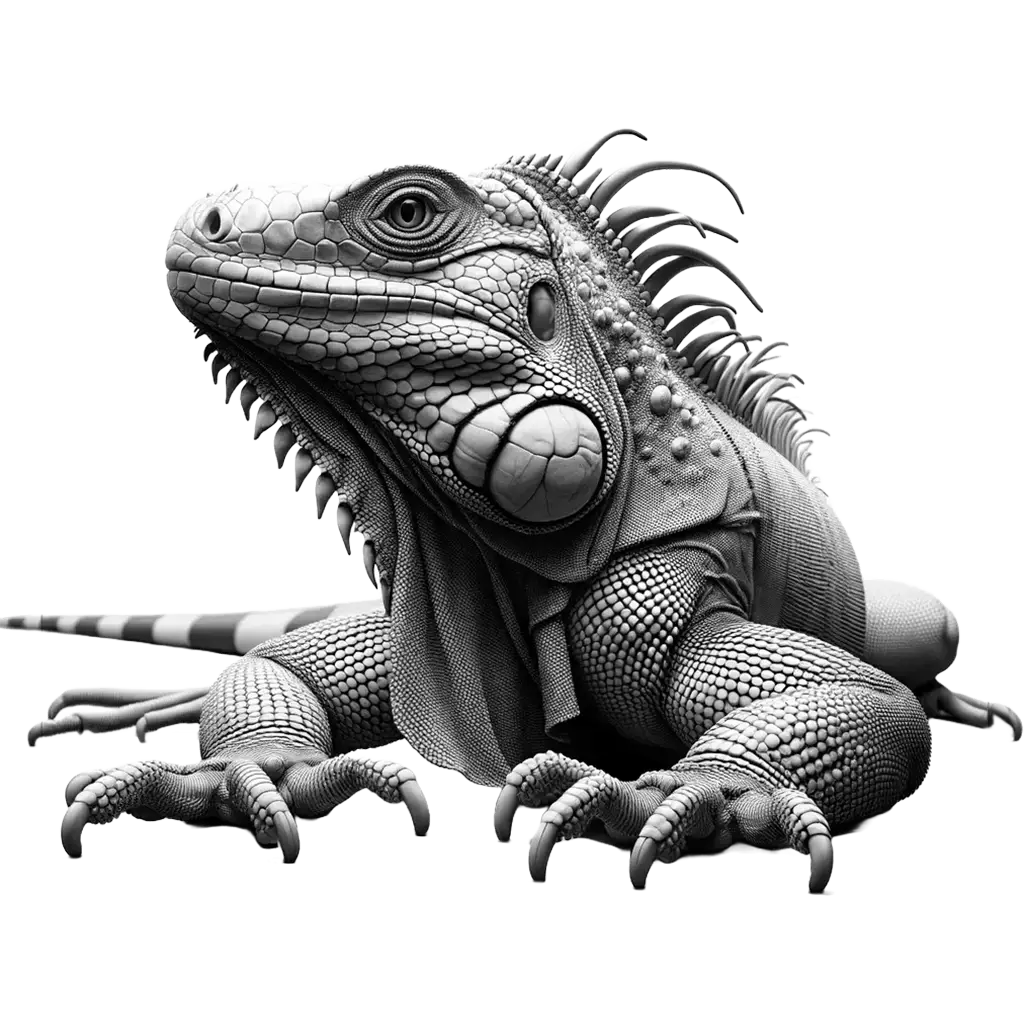
The Green Iguana, iguana iguana, is a large, arboreal lizard native to Central and South America. Recognizable by its vibrant green scales, this reptile can grow up to 2 meters in length, including its tail, which it uses as a defense mechanism against predators. The Green Iguana has a row