
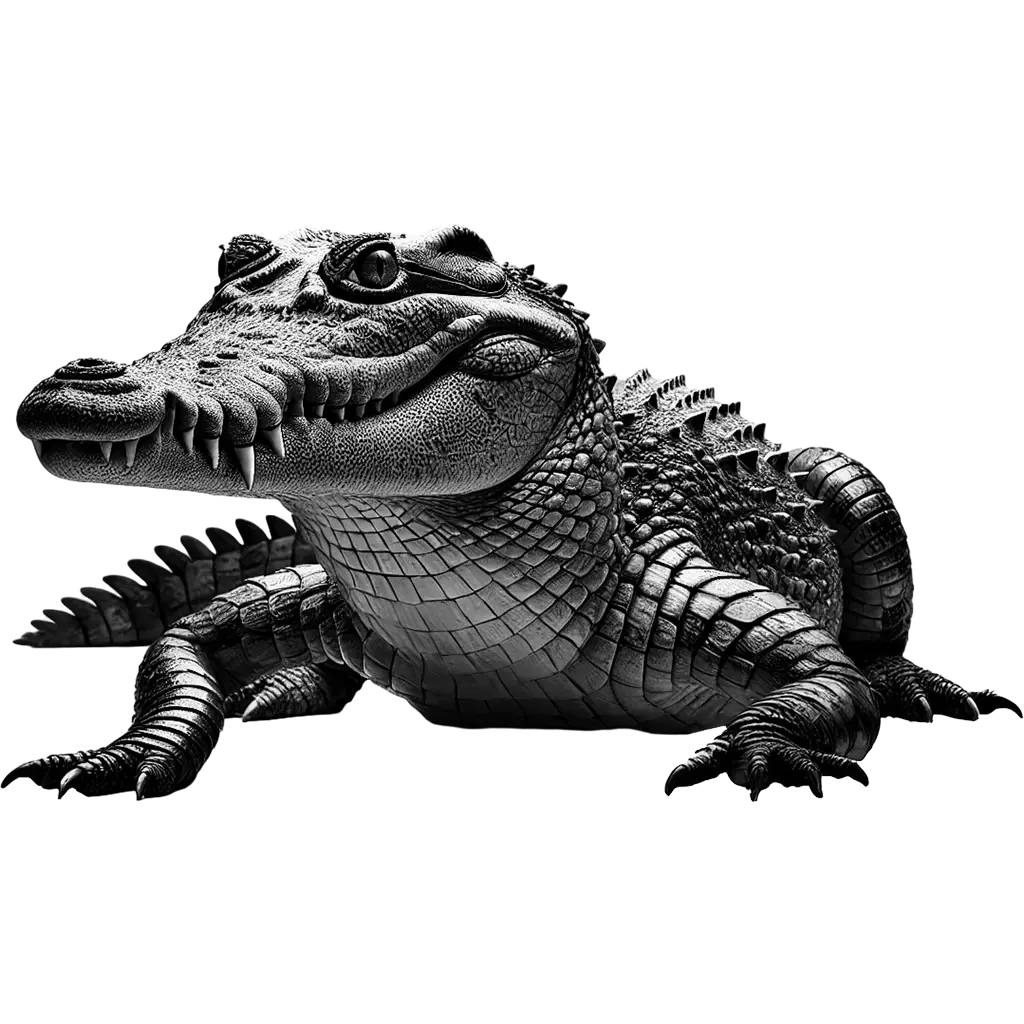
Crocodylus Acutus
American Crocodile
Coastal wetlands, rivers, brackish lakes, and estuaries
The American Crocodile is a large reptilian predator that inhabits coastal wetlands, rivers, and estuaries in the Americas. It is easily distinguished from its close relative, the American Alligator, by its long, V-shaped snout and lighter grayish-green coloration. Adults range between 3 to 5 meters in length, with some exceptional individuals exceeding 6 meters. Their streamlined body, webbed feet, and powerful tail allow them to be highly efficient swimmers, making them formidable aquatic predators.
| Population: | Estimated 5,000-10,000 mature individuals |
| Generation Length: | 20-25 years |
| Average Weight: | 180-500 kg |
| Average Length: | 3-5 meters |
| Lifespan: | 50-70 years in the wild |
| Diet: | Strictly carnivorous, opportunistic feeder |
| Conservation Status: | Vulnerable (VU) |
This species is mostly solitary and highly territorial, particularly during the breeding season. American Crocodiles prefer warm coastal habitats and are one of the few crocodilian species capable of tolerating brackish and saltwater environments. They regulate body temperature by basking in the sun during the day and retreating to shaded areas or water when temperatures rise too high. Although primarily nocturnal hunters, they can also be active during the day, particularly in cooler weather.
American Crocodiles are strict carnivores and rely on an ambush strategy to capture prey. They wait motionless in the water, striking with extreme speed when unsuspecting fish, birds, or mammals come within reach. Their diet varies with age; juveniles primarily consume small fish, crustaceans, and amphibians, while adults target larger prey, including turtles and mammals. They are also known to scavenge carcasses, taking advantage of any available food source.
Mating occurs in the dry season, with males engaging in displays of dominance to attract females. After fertilization, the female constructs a nest of sand and vegetation, where she lays between 30 and 60 eggs. She remains close to the nest, guarding it from predators such as raccoons and monitor lizards. Once the eggs hatch after 75-85 days, she carefully transports the hatchlings to the water, offering them some level of protection during their early vulnerable weeks.
Although once heavily hunted for their skin, American Crocodile populations have stabilized in some regions due to conservation efforts and legal protections. However, they remain vulnerable due to habitat destruction, human encroachment, and conflicts with coastal communities. Conservation programs focus on habitat preservation, reducing poaching, and educating the public about coexistence with these ancient reptiles.
Classifications
The Key Attributes
Features
- Movement:
Quadrupedal on land, powerful swimmer in water
- Territorial Behavior:
Solitary, highly territorial
- Speed:
Up to 32 km/h in water, slower on land
- Diet:
Carnivore
- Physical Features:
- Long, V-shaped snout
- Grayish-green body with a lighter underbelly
- Webbed feet for swimming
- Powerful tail for propulsion
- Primary Senses:
- Sight
- Smell
- Hearing
Understanding Habitat and Range
Geography
- Habitat:
Coastal wetlands, rivers, brackish lakes, and estuaries
- Migration Patterns:
Non-migratory but may travel between freshwater and saltwater
- Geographical Range:
Southern Florida, Mexico, Central and South America, Caribbean islands
- Climate Preferences:
Tropical and subtropical climates
Navigating the Wilderness
In the wild
- Predators:
Few natural predators; juveniles vulnerable to birds, large fish, and other crocodiles
- Prey:
Fish, birds, small mammals, crustaceans
- Feeding Behavior:
Ambush predator, waiting for prey near the water's edge
- Diet:
Strictly carnivorous, opportunistic feeder
- Defensive Mechanisms:
- Camouflage in murky water
- Powerful bite force exceeding 3,000 psi
- Aggressive territorial defense
- Preferred Food Sources:
- Fish
- Crabs
- Turtles
- Small deer
Insights Into Reproduction
Mating
- Mating System:
Polygynous
- Number of Offspring:
30-60 eggs per clutch
- Incubation Period:
75-85 days
- Parental Involvement:
- Females guard nests and assist hatchlings to water
Youngsters Section
American Crocodile
Fun Fact
American Crocodiles can tolerate saltwater, making them one of the few crocodilians found in coastal habitats.
They have one of the strongest bite forces of any animal, capable of crushing bones and turtle shells with ease. Their jaws are designed for extreme power, allowing them to catch and overpower large prey with a single snap.

Download word search puzzles
Word Search Puzzles
Check Out Other Reptiles
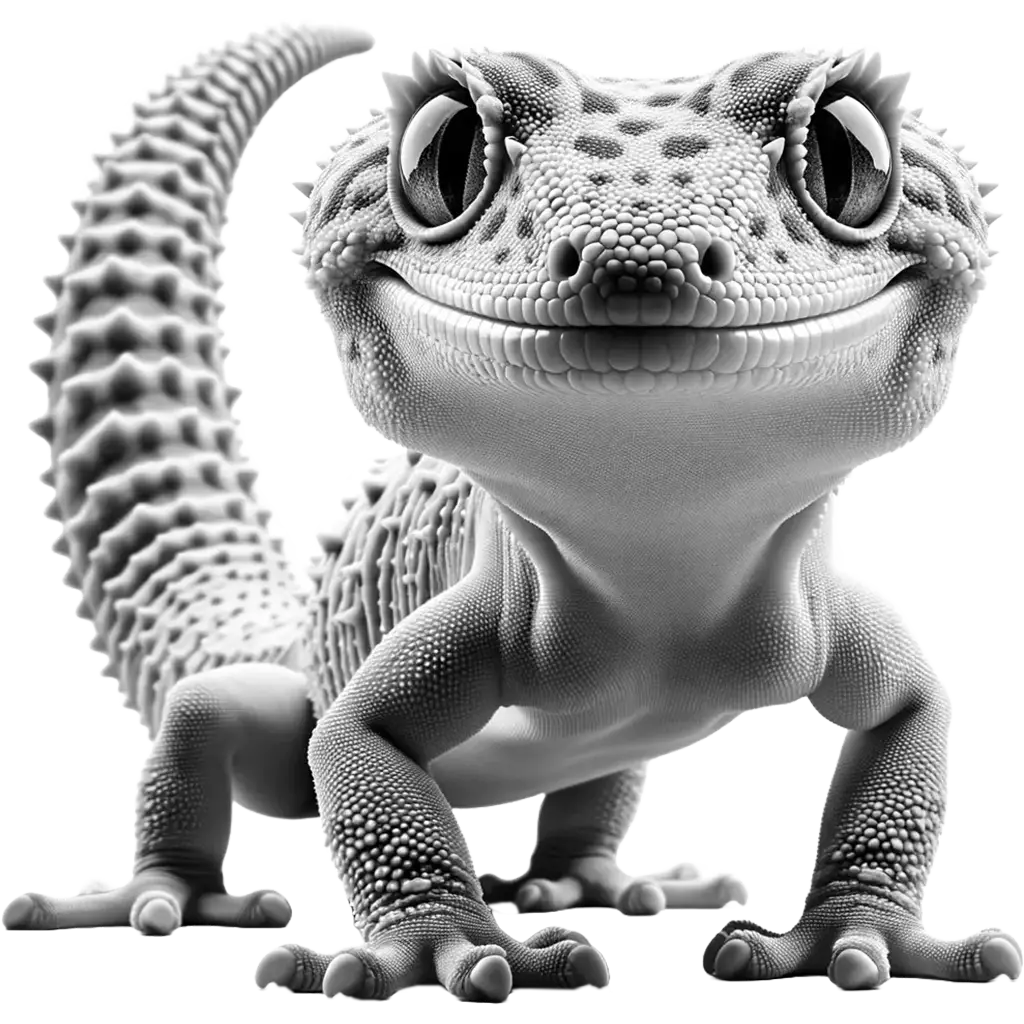
The Northern Spiny-Tailed Gecko, strophurus ciliaris, is a distinctive lizard known for its unique defense mechanism and striking appearance. Native to Australia, this species is characterized by a row of spiny scales along the sides of its tail and body, giving it its common name. Adults can reach lengths of
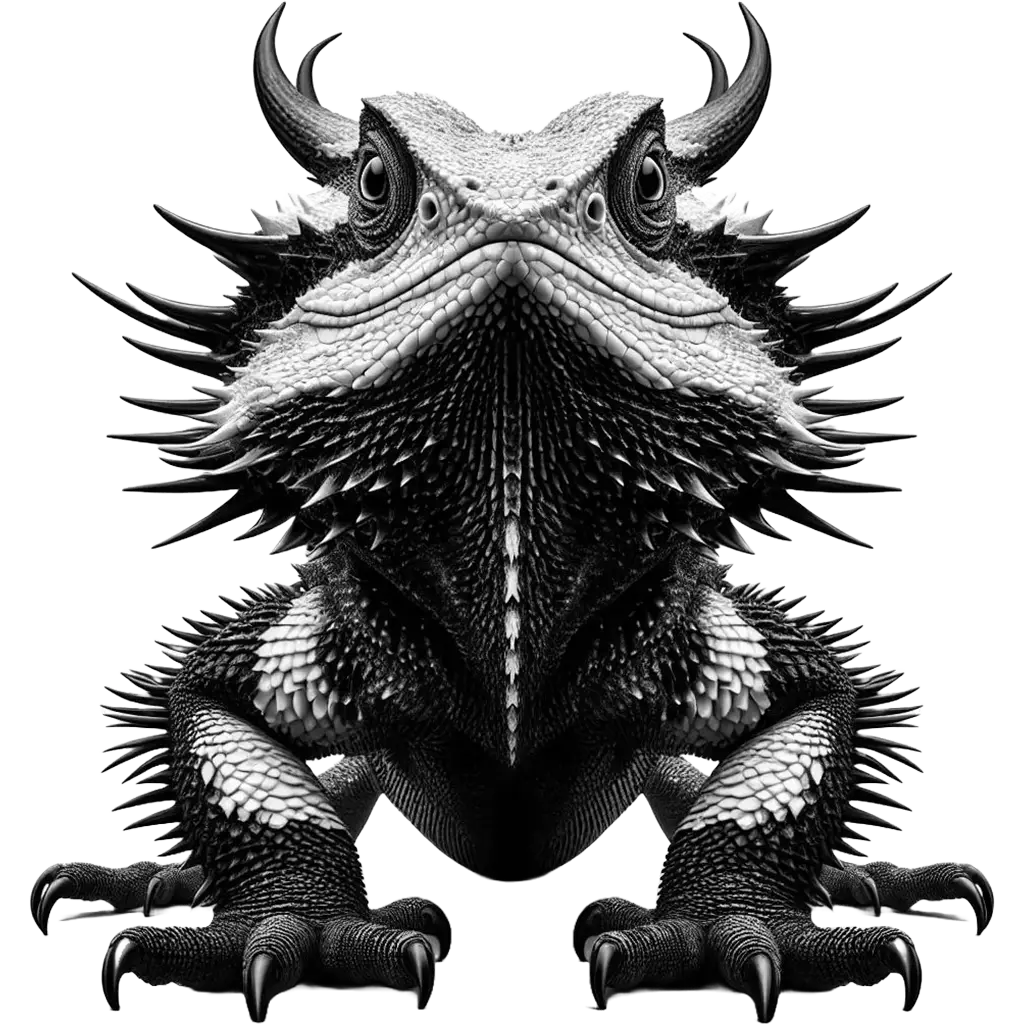
The Giant Horned Lizard, phrynosoma asio, is a remarkable reptile known for its distinctive appearance, featuring an array of sharp horns that adorn its head and sides, providing an effective deterrent against predators. This species is the largest of the horned lizards, with adults reaching lengths of up to 15
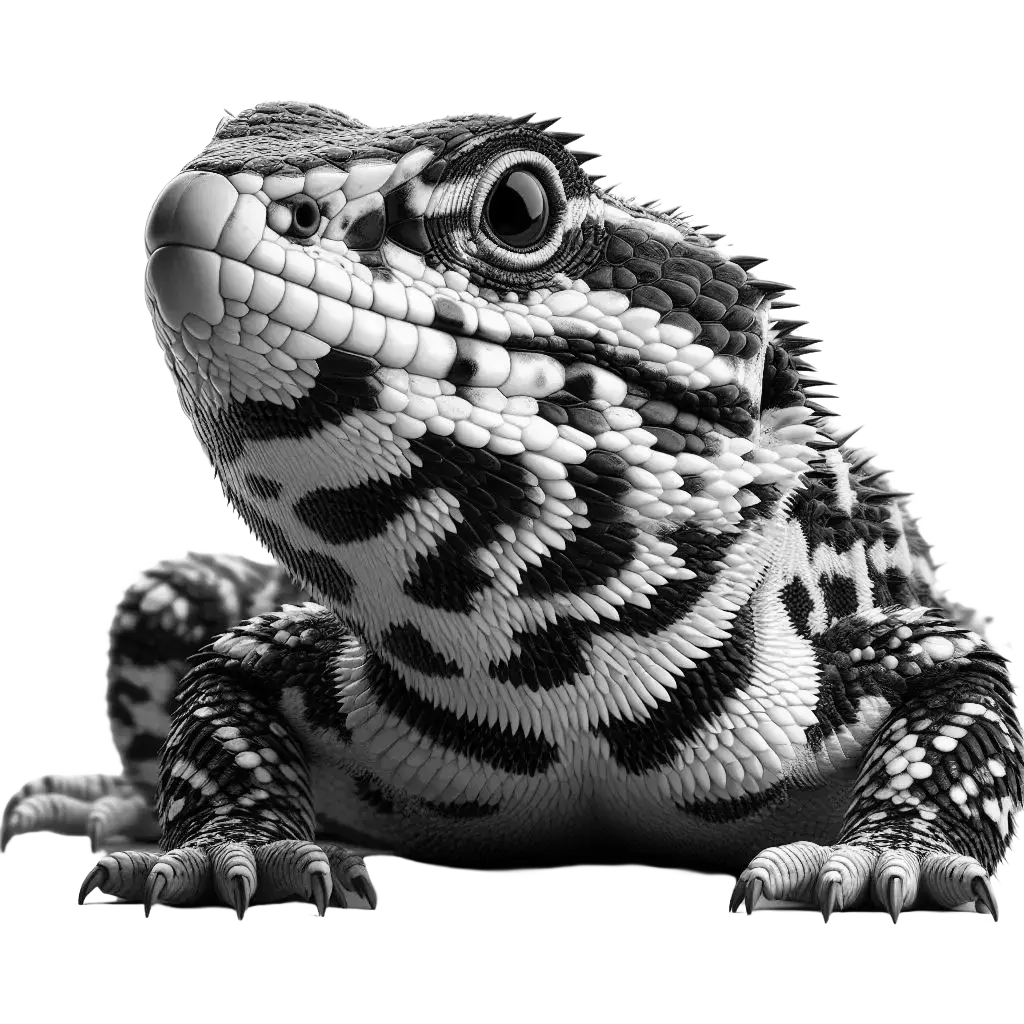
The Tuatara, sphenodon punctatus, is an extraordinary reptile endemic to New Zealand, representing the last living member of an ancient lineage that dates back over 200 million years. These creatures bear a superficial resemblance to lizards but are part of a distinct order, Rhynchocephalia, which thrived during the age of

The Yellow-bellied Slider is a medium-sized freshwater turtle, easily recognized by its smooth, domed carapace colored in dark greens and browns, and its striking, bright yellow plastron that stands out when basking. Its streamlined body, webbed feet, and slightly elongated head are perfectly adapted for an aquatic lifestyle. The overall