
Iguana Iguana
Green Iguana
Rainforests, mangroves, and along riverbanks
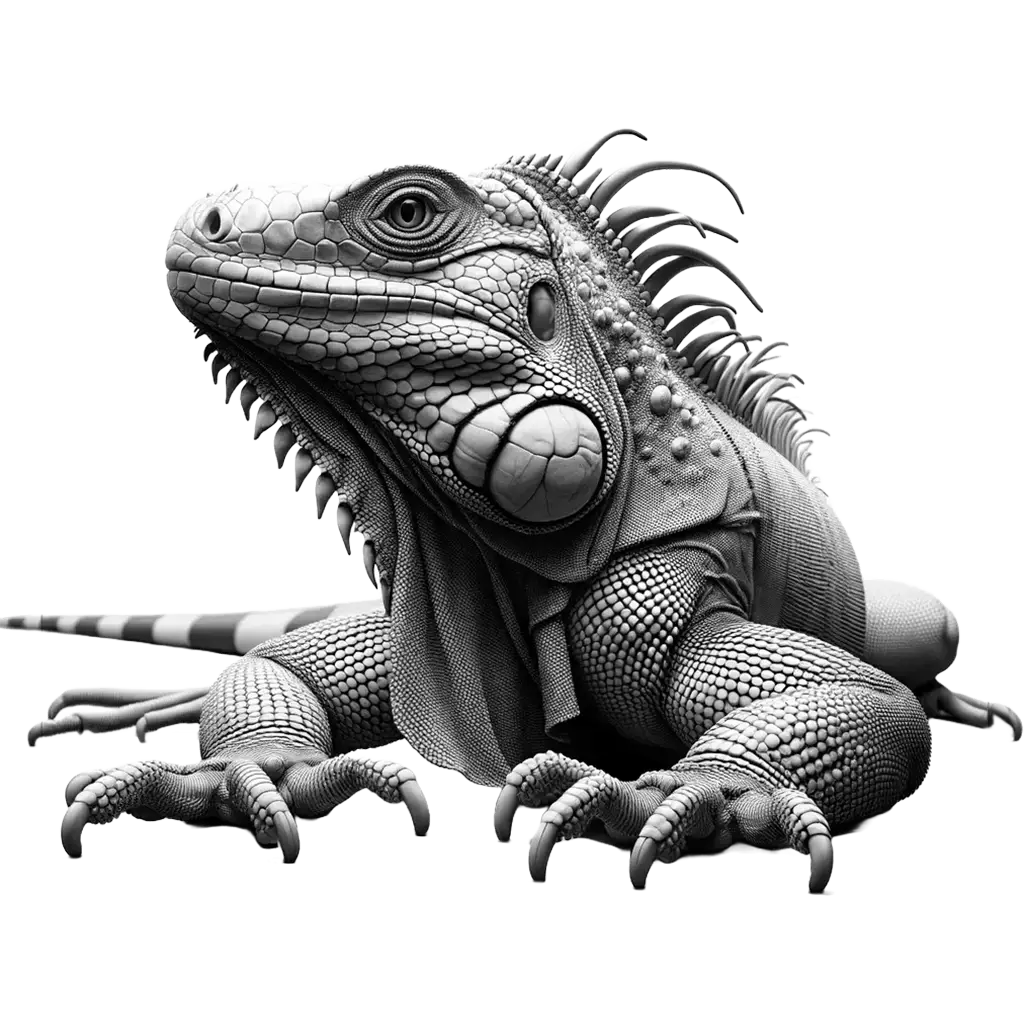
The Green Iguana, iguana iguana, is a large, arboreal lizard native to Central and South America. Recognizable by its vibrant green scales, this reptile can grow up to 2 meters in length, including its tail, which it uses as a defense mechanism against predators. The Green Iguana has a row of spines along its back to the tail, aiding in protection and thermoregulation, and a dewlap under its chin, which can be expanded to appear more imposing or to help with body temperature regulation. Males are generally larger than females and have more pronounced dewlaps.
| Population: | Listed as Least Concern, but faces threats from habitat loss and the pet trade |
| Generation Length: | 4-8 years |
| Average Weight: | 4-5 kg |
| Average Length: | 1.5-2 meters, including the tail |
| Lifespan: | 10-20 years in the wild |
| Diet: | Herbivorous, with a preference for tender leaves, shoots, and fruits |
| Conservation Status: | Least Concern (LC) |
Green Iguanas are primarily found in rainforest canopies near water sources like rivers or lakes. They are adept swimmers and will plunge into the water to escape from danger. These reptiles are diurnal, spending most of their daylight hours sunbathing to regulate their body temperature, and are known for their excellent climbing abilities, which allow them to navigate through their arboreal habitats.
The diet of the Green Iguana is herbivorous, consisting mainly of leaves, flowers, and fruits. This feeding behavior is crucial for the ecosystem as it helps in seed dispersal and maintaining the balance of vegetation in their habitats. Young iguanas may consume insects or other small animals, but as they grow, their diet shifts entirely to plants.
Reproduction in Green Iguanas involves elaborate courtship displays by males to attract females. They are oviparous, with females laying clutches of 20 to 70 eggs once a year in burrows or other protected ground areas. The eggs are left to incubate for about 90 days, and the hatchlings are entirely independent upon emergence, receiving no parental care.
The population of the Green Iguana is considered stable in the wild, though it faces threats from habitat destruction, hunting for the pet trade, and as a food source. In some regions, they are considered invasive species, impacting local ecosystems. Conservation efforts focus on habitat preservation and regulating trade to ensure their survival. The Green Iguana's striking appearance and behavior have made it a popular subject in research and a favored pet in the exotic animal trade, though they require careful management to thrive in captivity.
Classifications
The Key Attributes
Features
- Movement:
Climbing, swimming, walking
- Territorial Behavior:
Solitary, especially males which are territorial
- Speed:
Agile climber and capable swimmer; can move quickly over short distances
- Diet:
Herbivore
- Physical Features:
- Bright green color with spiny scales along the back
- Long tail, which can be used for defense
- Strong, well-developed limbs for climbing
- Dewlap under the throat used for thermoregulation and communication
- Primary Senses:
- Sight
- Hearing
- Smell
Understanding Habitat and Range
Geography
- Habitat:
Rainforests, mangroves, and along riverbanks
- Migration Patterns:
Non-migratory, but can disperse to new areas, especially when young
- Geographical Range:
Native to Central and South America, but has been introduced to other regions like Florida and the Caribbean
- Climate Preferences:
Prefers tropical and subtropical climates
Navigating the Wilderness
In the wild
- Predators:
Birds of prey, snakes, and large mammals
- Prey:
Not applicable, as it is herbivorous
- Feeding Behavior:
Feeds primarily on leaves, flowers, and fruit
- Diet:
Herbivorous, with a preference for tender leaves, shoots, and fruits
- Defensive Mechanisms:
- Tail whip to defend against predators
- Camouflage in foliage
- Ability to drop from trees into water to escape
- Preferred Food Sources:
- Areas with abundant leafy vegetation and fruit
Insights Into Reproduction
Mating
- Mating System:
Polygynous
- Number of Offspring:
20-70 eggs
- Incubation Period:
About 90 days
- Parental Involvement:
- Females lay eggs in burrows and provide no parental care after laying
Youngsters Section
Green Iguana
Fun Fact
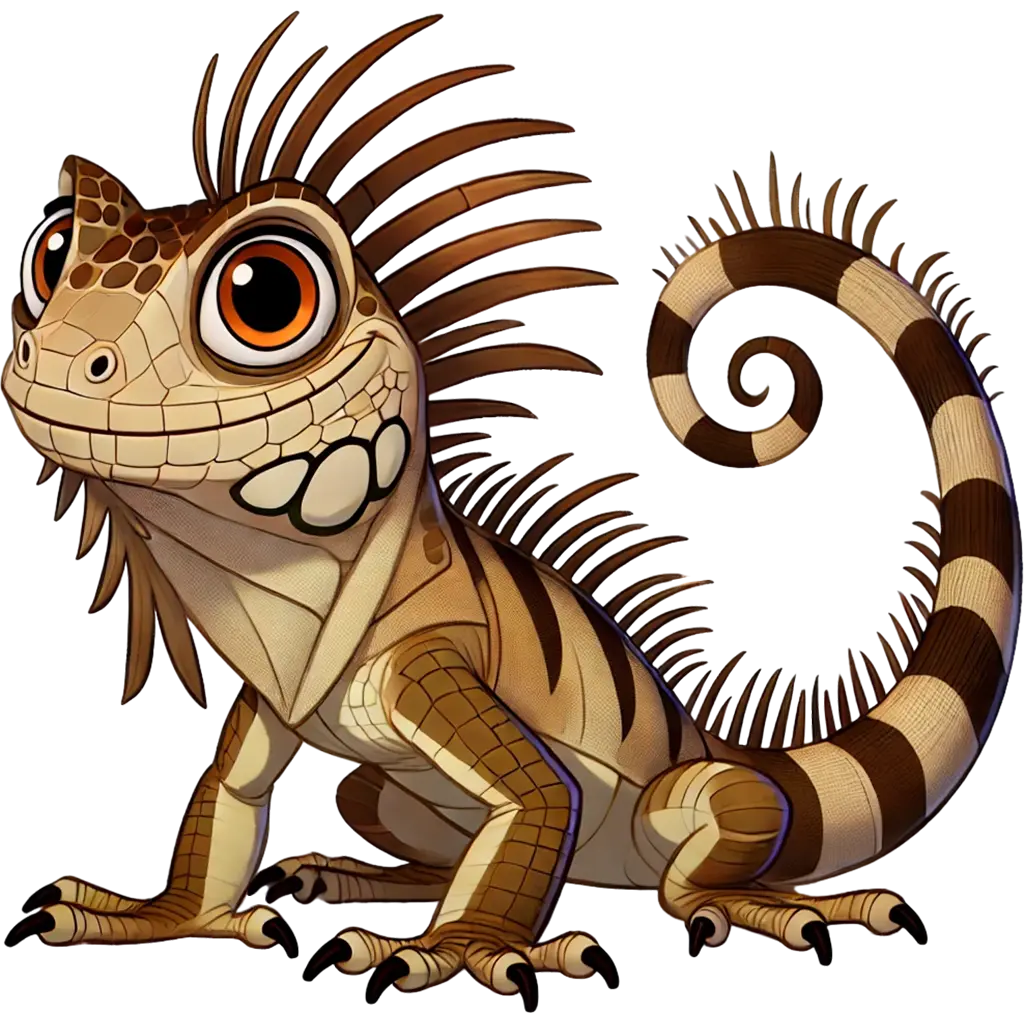
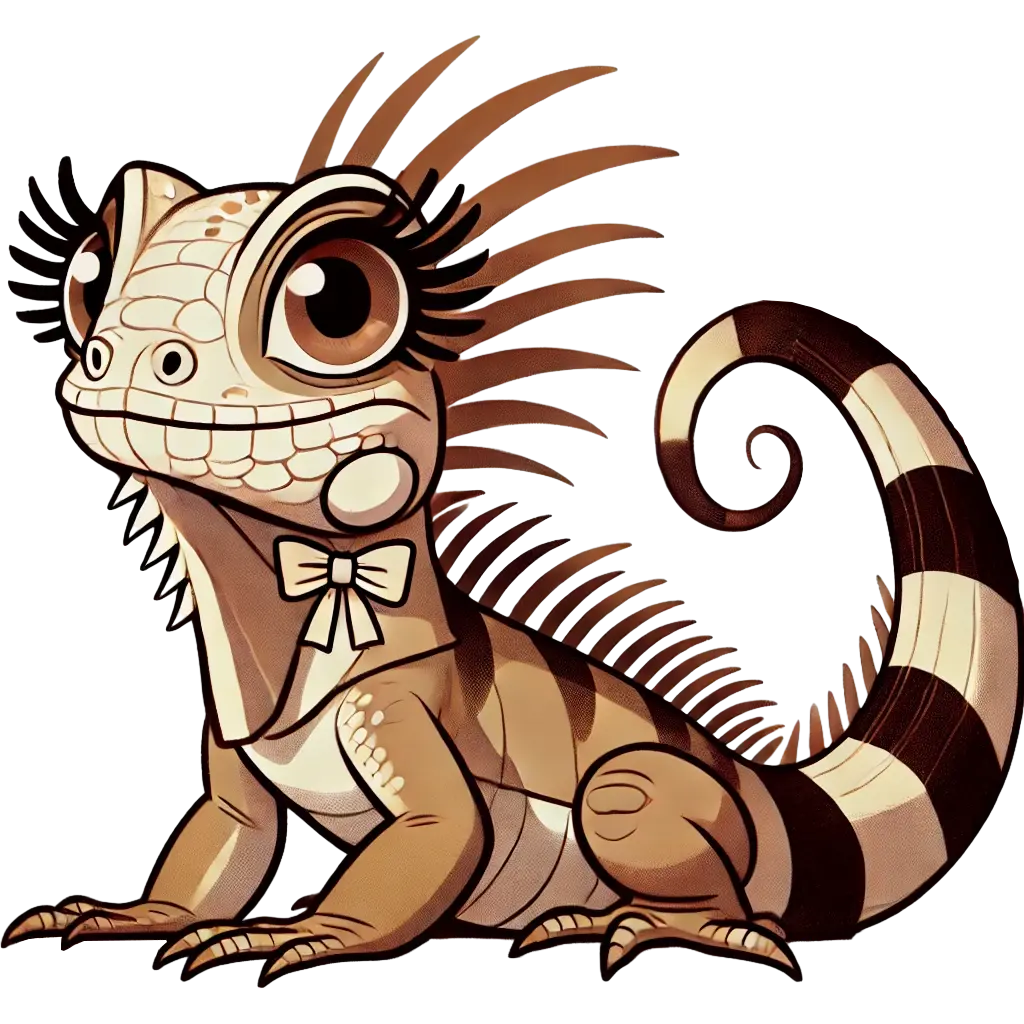
Green iguanas can fall up to 50 feet without getting hurt. They are excellent climbers and swimmers.
These reptiles have a unique ability called autotomy, allowing them to shed their tails to escape predators. They can regrow the tail over time. Green iguanas are also herbivores and primarily eat leaves, flowers, and fruit. They rely on the sun for thermoregulation, often basking on tree branches.

Download word search puzzles
Word Search Puzzles
Check Out Other Reptiles

The Eastern Box Turtle, terrapene carolina carolina, is a subspecies of the common box turtle and is native to the eastern United States. This small, land-dwelling turtle is known for its highly domed carapace, which can range in color from brown to black, often adorned with bright yellow, orange, or
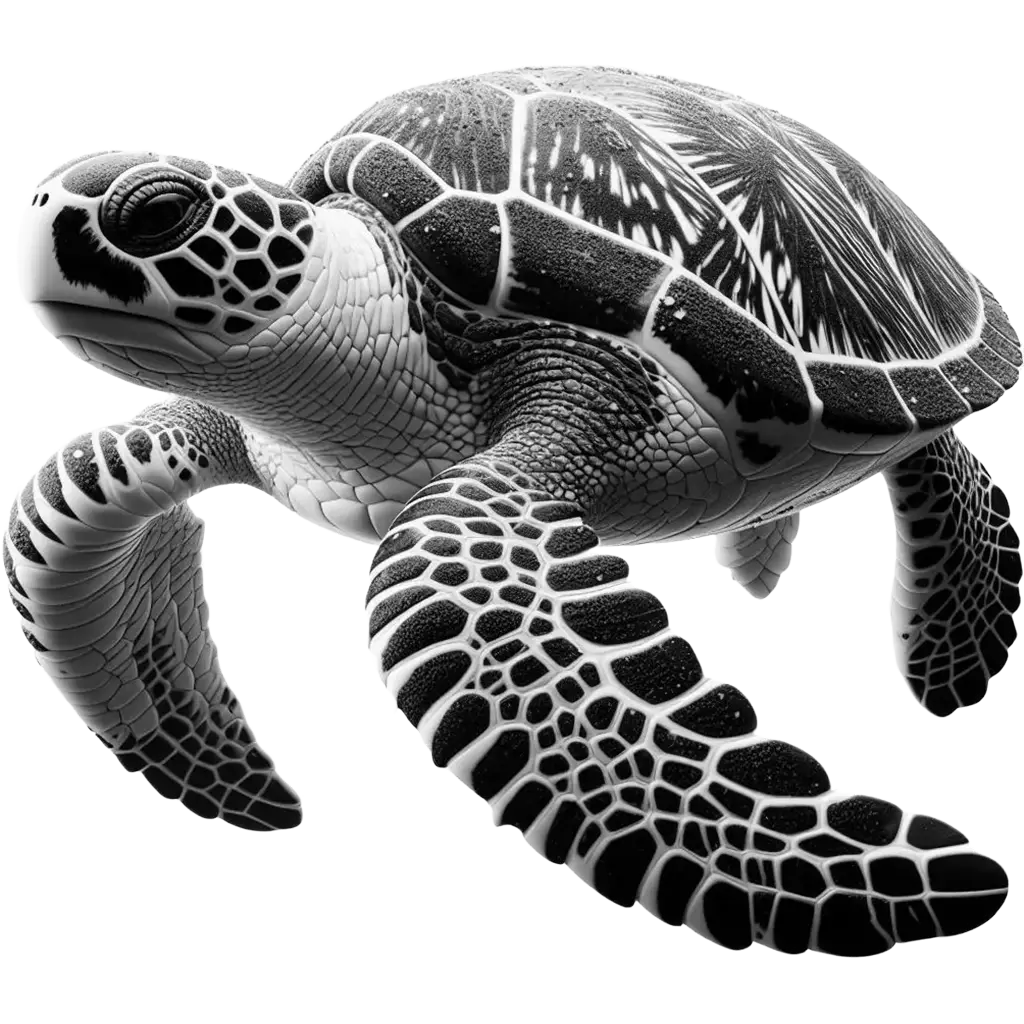
The Leatherback Sea Turtle, dermochelys coriacea, stands out as the largest of all living turtles and is the only existing species in the genus Dermochelys. Unlike other sea turtles, the Leatherback lacks a hard, bony shell and instead boasts a flexible, rubbery skin overlaying bony plates, with distinctive longitudinal ridges
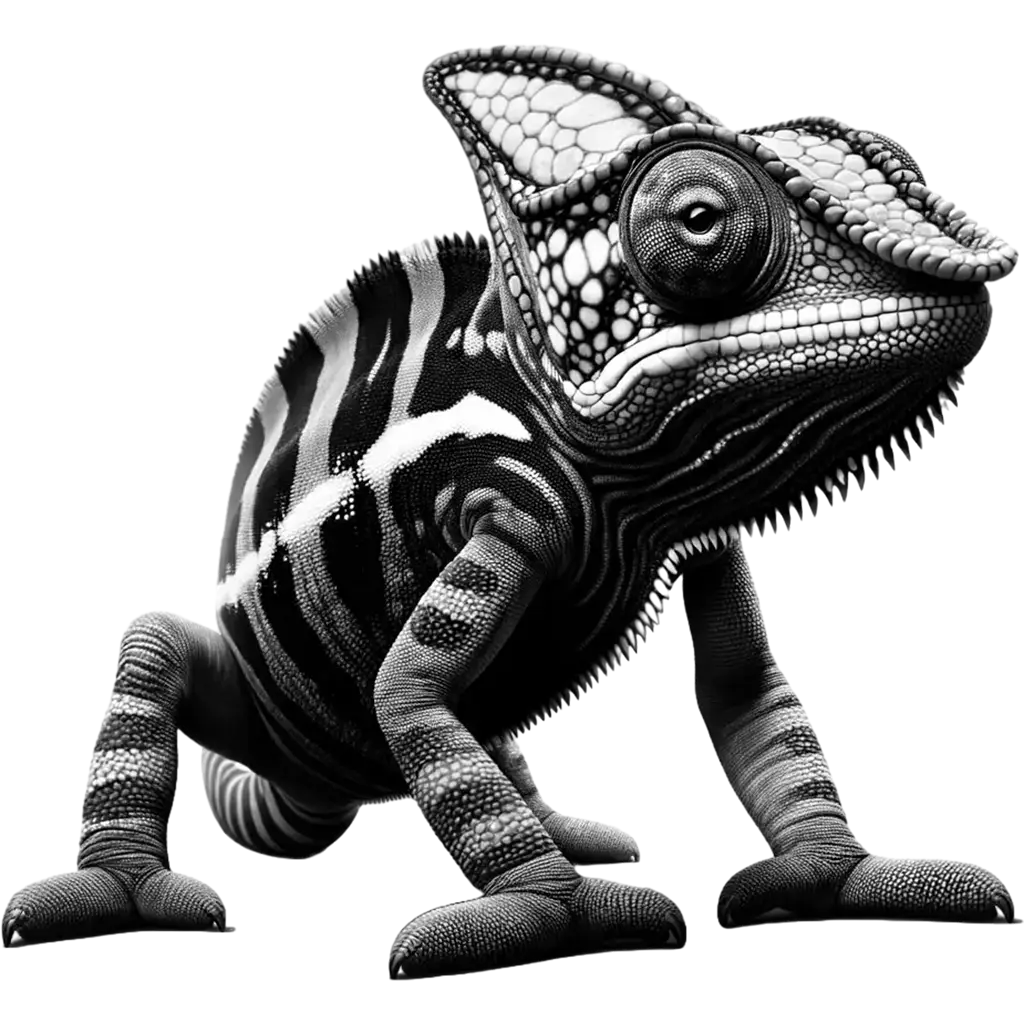
The Namaqua Chameleon, chamaeleo namaquensis, is a distinctive species of chameleon found primarily in the arid regions of southern Africa, including the Namib Desert. This species is particularly notable for its large size, with adults reaching up to 25 cm in length, making it one of the larger chameleon species.
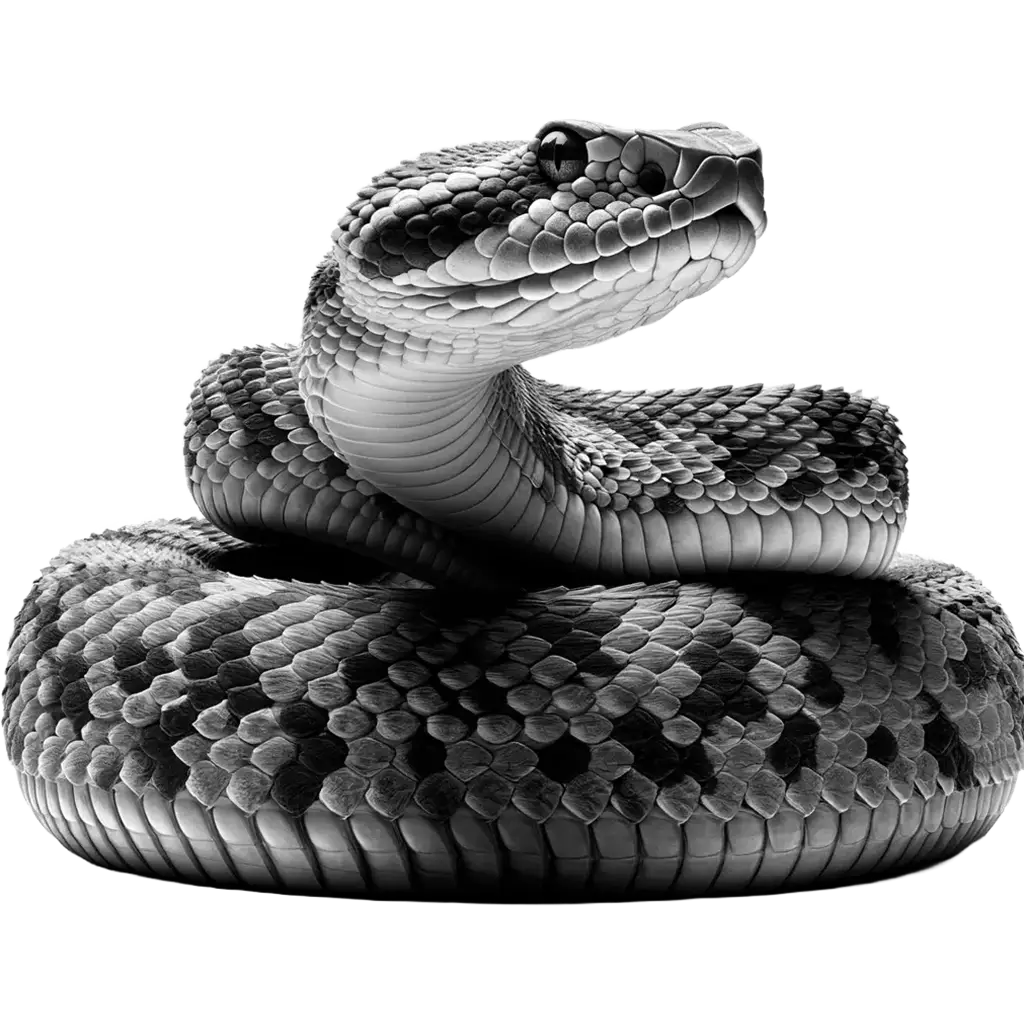
The Mojave Rattlesnake, crotalus scutulatus, often referred to as the 'Mojave Green' due to the greenish hue of its scales, is a highly venomous snake native to the desert regions of the southwestern United States and central Mexico. This rattlesnake is recognized by its distinctive diamond-shaped pattern along its back,