
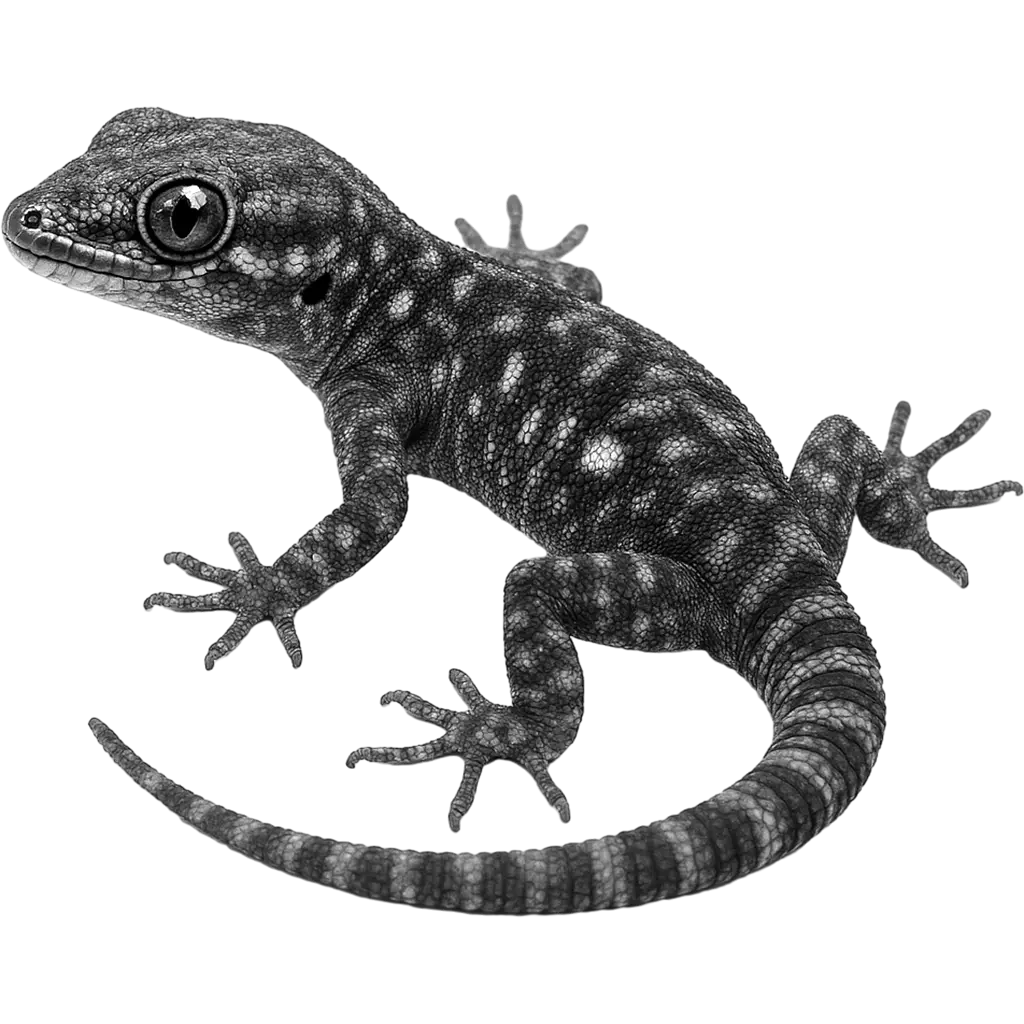
Gonatodes Ocellatus
Eyespot Gecko
Tropical rainforests, rocky outcrops, and urban gardens
The Eyespot Gecko displays a compact, sturdy body with smooth, textured skin that shows a vibrant pattern of contrasting colors. Its most striking feature is the prominent eyespots on its dorsal surface, which appear almost like painted circles and enhance its distinctive look. The gecko's enlarged toe pads enable agile climbing, while its subtle markings blend seamlessly with its natural surroundings. Overall, its appearance is both functional and visually captivating, making it a standout among small reptiles.
| Population: | Common and widely distributed in tropical rainforests and urban gardens; population considered stable |
| Generation Length: | 1 year |
| Average Weight: | 15-25 g |
| Average Length: | 10-12 cm |
| Lifespan: | 5-7 years in the wild, up to 10 years in captivity |
| Diet: | Primarily insectivorous, targeting minute prey on surfaces |
| Conservation Status: | Least Concern (LC) |
Eyespot Geckos are primarily diurnal and highly active, often seen scurrying along rocky surfaces, tree trunks, and even urban walls during the warm daylight hours. They spend a great deal of time basking in the sun to regulate their body temperature and boost alertness while searching for food. Agile and curious, these geckos navigate diverse microhabitats with ease, taking advantage of crevices and leaf litter as hiding spots from predators. Their behavior is marked by rapid, sudden movements that allow quick escapes, and they maintain defined territories while occasionally interacting during foraging or brief mating encounters.
Feeding primarily on a variety of small insects, spiders, and other tiny arthropods, the Eyespot Gecko plays a crucial role in controlling pest populations in its habitat. It employs stealth and speed to capture prey, using quick reflexes and keen eyesight to detect movement even in dim light. This gecko typically forages by darting from one hiding spot to another, meticulously scanning leaves, crevices, and ground surfaces for food. Its high-protein diet supports energy demands and helps maintain its vibrant color patterns, contributing to overall ecological balance.
During the breeding season, male Eyespot Geckos display vibrant behaviors by positioning themselves on exposed perches and performing subtle head bobs to attract females. Courtship is brief and competitive, with males often engaging in territorial disputes. Mating occurs quickly once a female is approached, ensuring genetic diversity among offspring. These displays are accompanied by soft vocalizations and subtle scent markings, which further signal readiness and encourage a swift union between partners.
Field observations indicate that Eyespot Geckos maintain a stable population across their natural range. They are frequently encountered in both undisturbed forest areas and urban settings, where adaptability supports their survival. Although localized declines may occur due to habitat modification, overall numbers remain robust, ensuring that this species continues to thrive in diverse environments. Recent studies consistently confirm their enduring resilience.
Classifications
The Key Attributes
Features
- Movement:
Climbing and sprinting
- Territorial Behavior:
Territorial, especially among males during the breeding season
- Speed:
Quick bursts
- Diet:
Insectivorous; feeds on small insects and arthropods
- Physical Features:
- Small, robust body
- Distinctive eyespots on dorsal side
- Smooth, textured skin
- Enlarged toe pads
- Crisp patterning with contrasting colors
- Primary Senses:
- Sight
- Smell
Understanding Habitat and Range
Geography
- Habitat:
Tropical rainforests, rocky outcrops, and urban gardens
- Migration Patterns:
Non-migratory
- Geographical Range:
Found across Central and South America
- Climate Preferences:
Prefers warm, humid climates
Navigating the Wilderness
In the wild
- Predators:
Birds, larger lizards, and snakes
- Prey:
Small insects, spiders, and other arthropods
- Feeding Behavior:
Active forager mainly during the day
- Diet:
Primarily insectivorous, targeting minute prey on surfaces
- Defensive Mechanisms:
- Camouflage
- Rapid escape responses
- Tail autotomy
- Preferred Food Sources:
- Ants
- Beetles
- Termites
Insights Into Reproduction
Mating
- Mating System:
Polygamous
- Number of Offspring:
2-5 eggs per clutch
- Incubation Period:
30-35 days
- Parental Involvement:
- Little to no parental care; eggs hatch unattended
Youngsters Section
Eyespot Gecko
Fun Fact
Eyespot Geckos are famed for their distinctive eyespot markings that mimic larger predators.
These clever reptiles use their unique markings to startle predators and communicate during territorial displays, making them one of the most intriguing small reptiles in the wild.

Download word search puzzles
Word Search Puzzles
Check Out Other Reptiles

The Yellow-red Rat Snake is a visually striking reptile with a sleek, elongated body adorned in a vibrant blend of yellow and red scales. Its slightly triangular head, accentuated by bright, alert eyes and a glossy texture, gives it an elegant yet formidable appearance. The intricate patterning on its scales
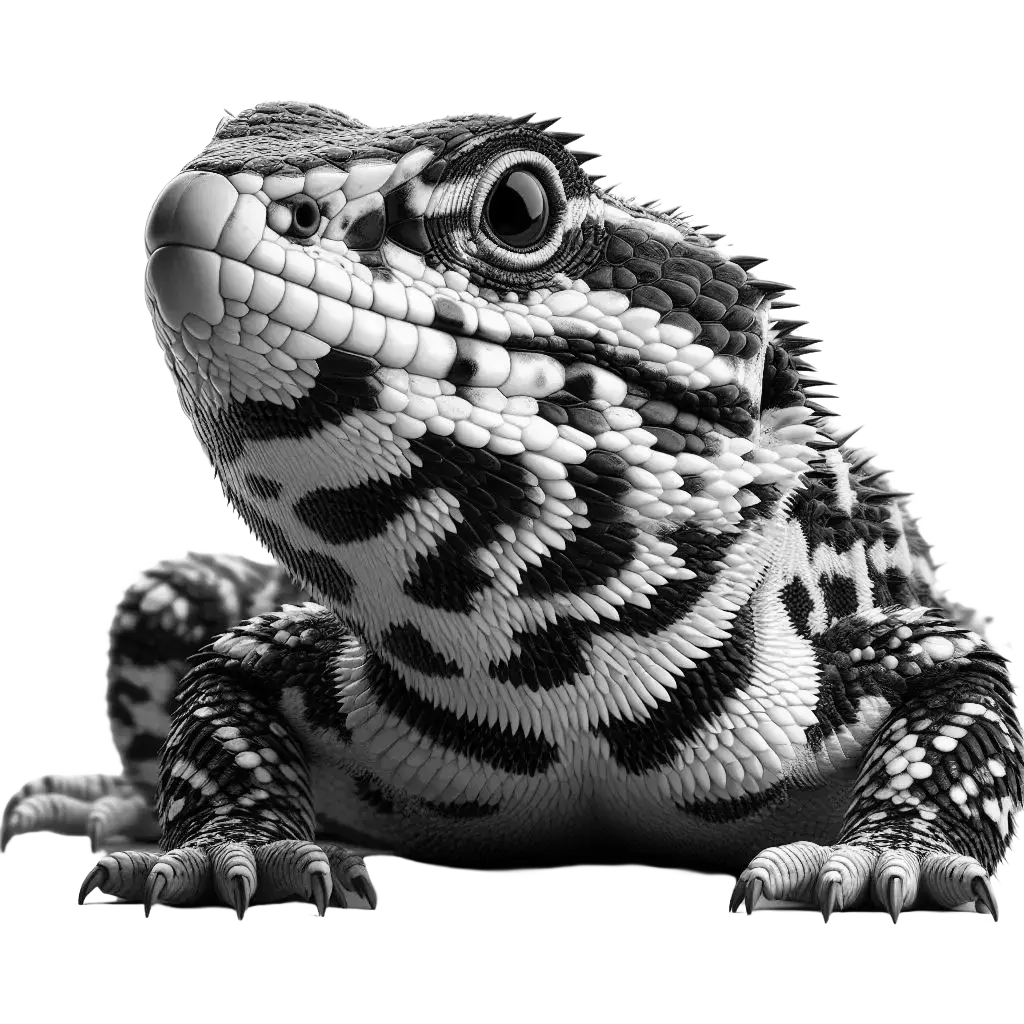
The Tuatara, sphenodon punctatus, is an extraordinary reptile endemic to New Zealand, representing the last living member of an ancient lineage that dates back over 200 million years. These creatures bear a superficial resemblance to lizards but are part of a distinct order, Rhynchocephalia, which thrived during the age of
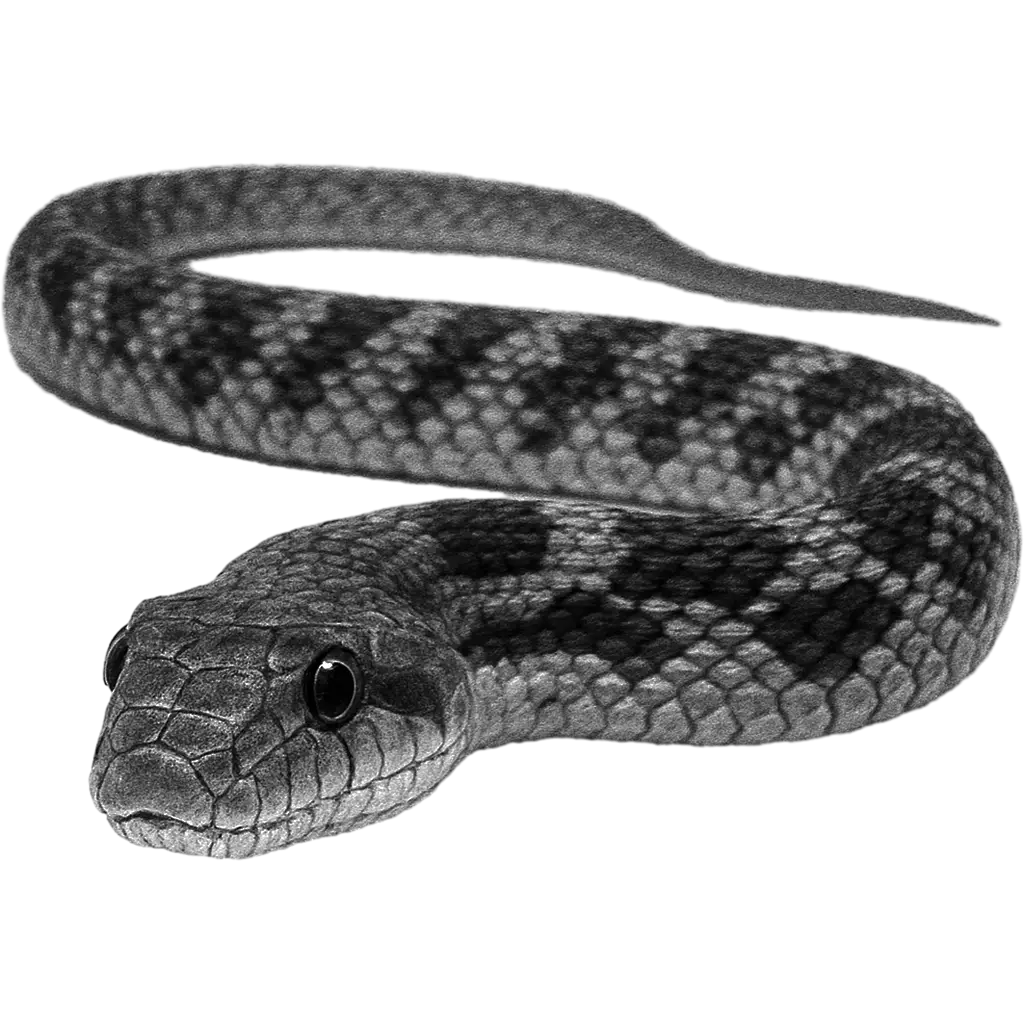
The Texas Rat Snake exhibits a slender, muscular body typically measuring between 90 and 160 centimeters in length. Its smooth, keeled scales display background hues from light gray to tan, overlaid with irregular dark blotches along the dorsum that may form crossbands. The head is slightly wider than the neck,

The King Cobra, ophiophagus hannah, stands as the world's longest venomous snake, with adults typically reaching 3 to 4 meters in length, though specimens exceeding 5 meters have been recorded. Its skin color varies from dark olive to black, with light yellow bands crossing over the body, providing camouflage in