
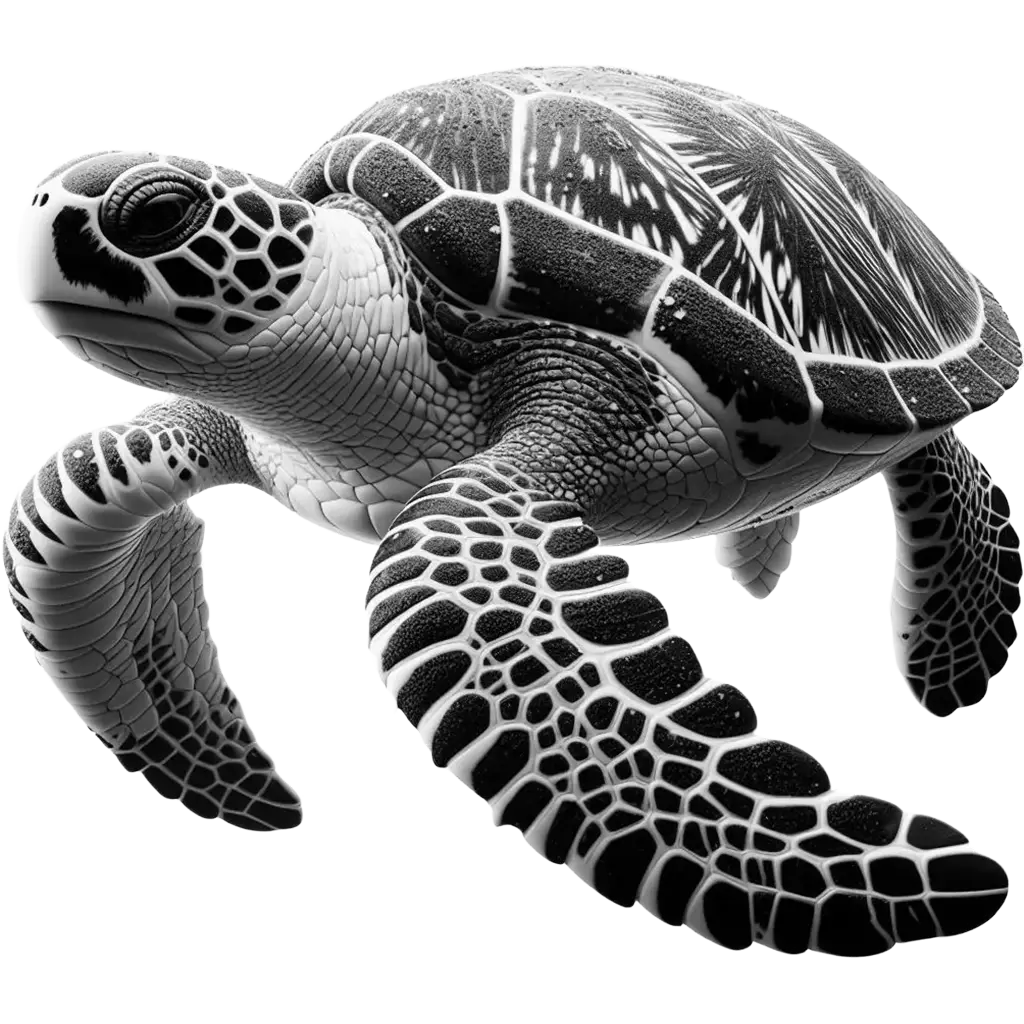
Dermochelys Coriacea
Leatherback Sea Turtle
Open ocean, coastal areas for nesting
The Leatherback Sea Turtle, dermochelys coriacea, stands out as the largest of all living turtles and is the only existing species in the genus Dermochelys. Unlike other sea turtles, the Leatherback lacks a hard, bony shell and instead boasts a flexible, rubbery skin overlaying bony plates, with distinctive longitudinal ridges on its carapace, giving it a unique, leathery appearance. This giant can reach lengths of up to 2 meters (6.6 feet) and weigh as much as 900 kg (2,000 pounds), making it one of the heaviest reptiles in the world. Its predominantly black skin is peppered with white or pale spots, providing some camouflage in the open ocean.
| Population: | Listed as Vulnerable, with some populations critically endangered due to various threats |
| Generation Length: | 30 years |
| Average Weight: | 250-700 kg |
| Average Length: | 1.8-2.2 meters in length |
| Lifespan: | 45-50 years in the wild, potentially longer |
| Diet: | Almost exclusively gelatinous zooplankton, particularly jellyfish |
| Conservation Status: | Vulnerable (VU) |
Leatherback Sea Turtles are highly migratory, traversing the Atlantic, Pacific, and Indian Oceans. Adapted to a pelagic life, they are capable of diving to depths of over 1,000 meters (3,280 feet) in search of their jellyfish prey, enduring the pressure and cold that such depths entail. This diet of jellyfish makes them vulnerable to ingesting plastic debris, which can be mistaken for their gelatinous prey.
The reproductive cycle of the Leatherback Sea Turtle is marked by the females' return to lay their eggs on the sandy beaches where they themselves hatched. After a gestation period of about two months, females lay clutches of 60 to 100 eggs, which they bury in the sand before returning to the ocean. Hatchlings emerge after about 60 to 70 days and make their perilous journey to the sea, facing numerous predators.
The population of the Leatherback Sea Turtle is currently classified as Vulnerable globally, with some populations critically endangered due to threats including habitat loss, egg poaching, fisheries bycatch, and marine pollution. Conservation efforts are focused on protecting nesting beaches, regulating fisheries to reduce bycatch, and increasing public awareness about the threats these ancient mariners face.
Despite the challenges, the Leatherback Sea Turtle remains a symbol of the fragility and resilience of marine ecosystems. Its survival is intricately linked to the health of the ocean, underscoring the importance of global conservation initiatives to protect the world's largest sea turtle and the environments it inhabits.
Classifications
The Key Attributes
Features
- Movement:
Swimming
- Territorial Behavior:
Not territorial; migratory with vast ranges across oceans
- Speed:
Capable of speeds up to 35 km/h in short bursts
- Diet:
Carnivore
- Physical Features:
- Largest of all sea turtles with a flexible, leathery shell
- Lacks the hard shell of other sea turtles
- Front flippers are long and paddle-like, enabling long-distance migrations
- Dark, rubbery skin with white or pinkish spots
- Primary Senses:
- Sight
- Taste
- Touch
Understanding Habitat and Range
Geography
- Habitat:
Open ocean, coastal areas for nesting
- Migration Patterns:
Highly migratory, known for extensive travels between feeding grounds in the jellyfish-abundant waters and nesting beaches
- Geographical Range:
Global distribution in all tropical and subtropical oceans, with nesting sites on tropical sandy beaches
- Climate Preferences:
Prefers warmer waters but uniquely capable of surviving in cooler temperatures due to its ability to regulate body temperature
Navigating the Wilderness
In the wild
- Predators:
Sharks and orcas predate on adults; eggs and hatchlings are vulnerable to birds, mammals, and crabs
- Prey:
Jellyfish, soft-bodied marine invertebrates
- Feeding Behavior:
Feeds primarily on jellyfish and other soft-bodied marine organisms, using its papillae-lined throat to help swallow slippery prey
- Diet:
Almost exclusively gelatinous zooplankton, particularly jellyfish
- Defensive Mechanisms:
- Large size deters most predators
- Fast swimming can escape certain threats
- Preferred Food Sources:
- Open ocean areas rich in jellyfish populations
Insights Into Reproduction
Mating
- Mating System:
Polygamous
- Number of Offspring:
Can lay hundreds of eggs across several nests in one nesting season
- Incubation Period:
About 60-70 days
- Parental Involvement:
- No parental care post-hatching; hatchlings must reach the ocean and survive independently
Youngsters Section
Leatherback Sea Turtle
Fun Fact
Leatherback sea turtles are the largest turtles on Earth, growing up to 7 feet long and weighing over 2,000 pounds.
Unlike other sea turtles, leatherbacks have a soft, rubbery shell instead of a hard one. This unique adaptation allows them to dive to incredible depths of up to 4,200 feet in search of their favorite food: jellyfish. Their shell is also lined with a thick layer of fat, helping them to withstand cold waters.

Download word search puzzles
Word Search Puzzles


Check Out Other Reptiles
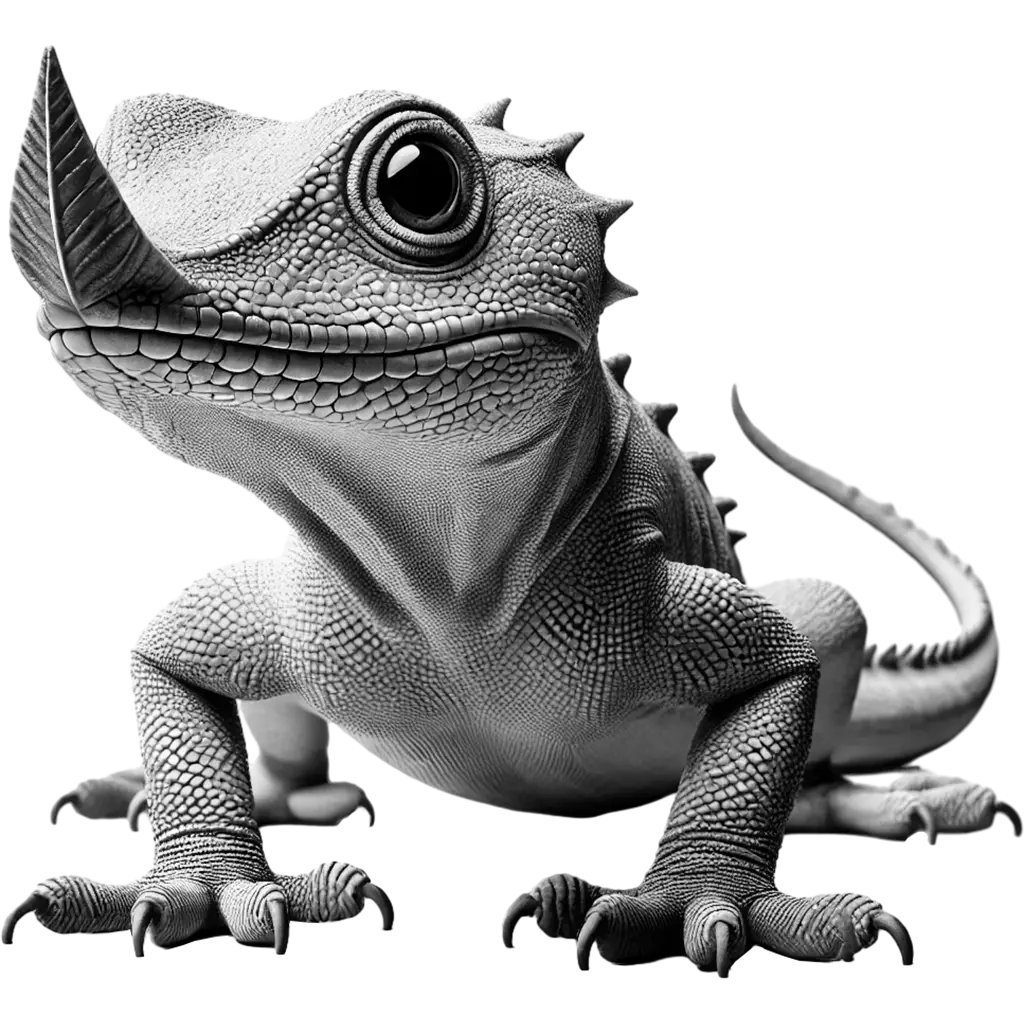
The Leaf-nosed Lizard, Ceratophora tennentii, is a small reptile endemic to Sri Lanka, notable for the distinctive leaf-like appendage on its snout. This fleshy, laterally compressed structure is present in both sexes, though it is somewhat smaller in females. Adults typically reach a total length of approximately 18.5 centimeters, including
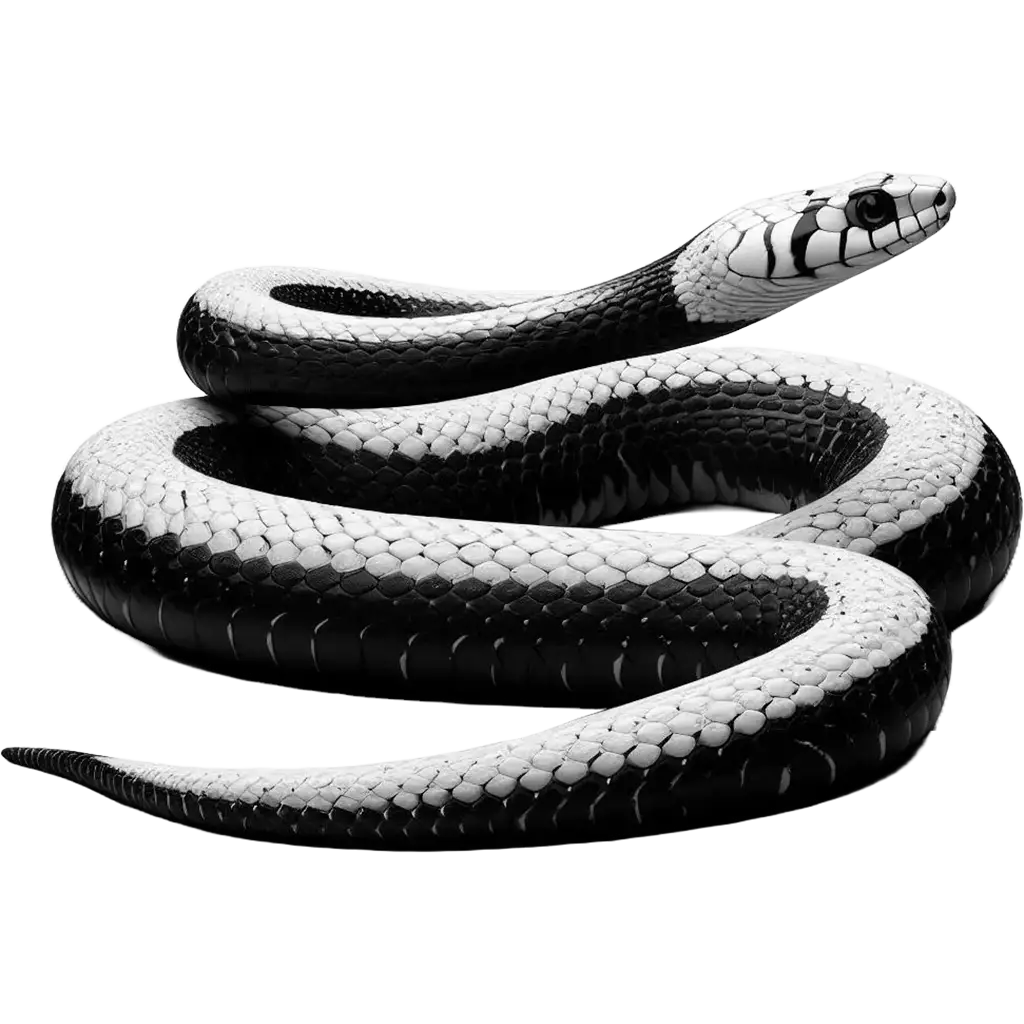
The Eastern Coral Snake, micrurus fulvius, is a highly venomous snake native to the southeastern United States. Characterized by its distinctive color pattern of black, yellow, and red bands, this slender snake can reach lengths of up to 30 inches (76 cm), though most are smaller. The vivid bands serve
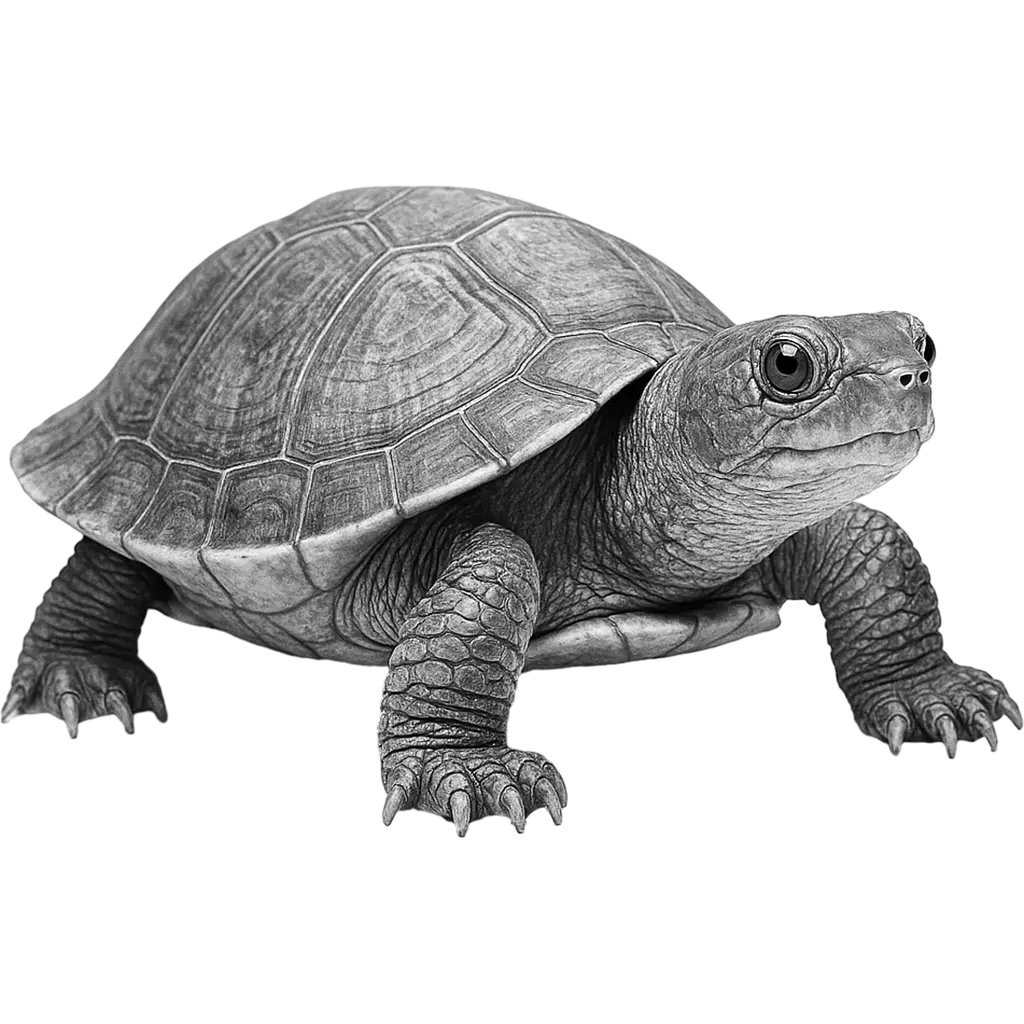
The Fitzroy River Turtle is characterized by a streamlined, pale carapace with smooth, fluted margins that provide natural camouflage in sunlit riverbeds. Its robust body, adapted for an aquatic lifestyle, is complemented by sturdy, webbed limbs that aid in efficient swimming. The turtle's subtle coloration and sensitive eyes blend seamlessly
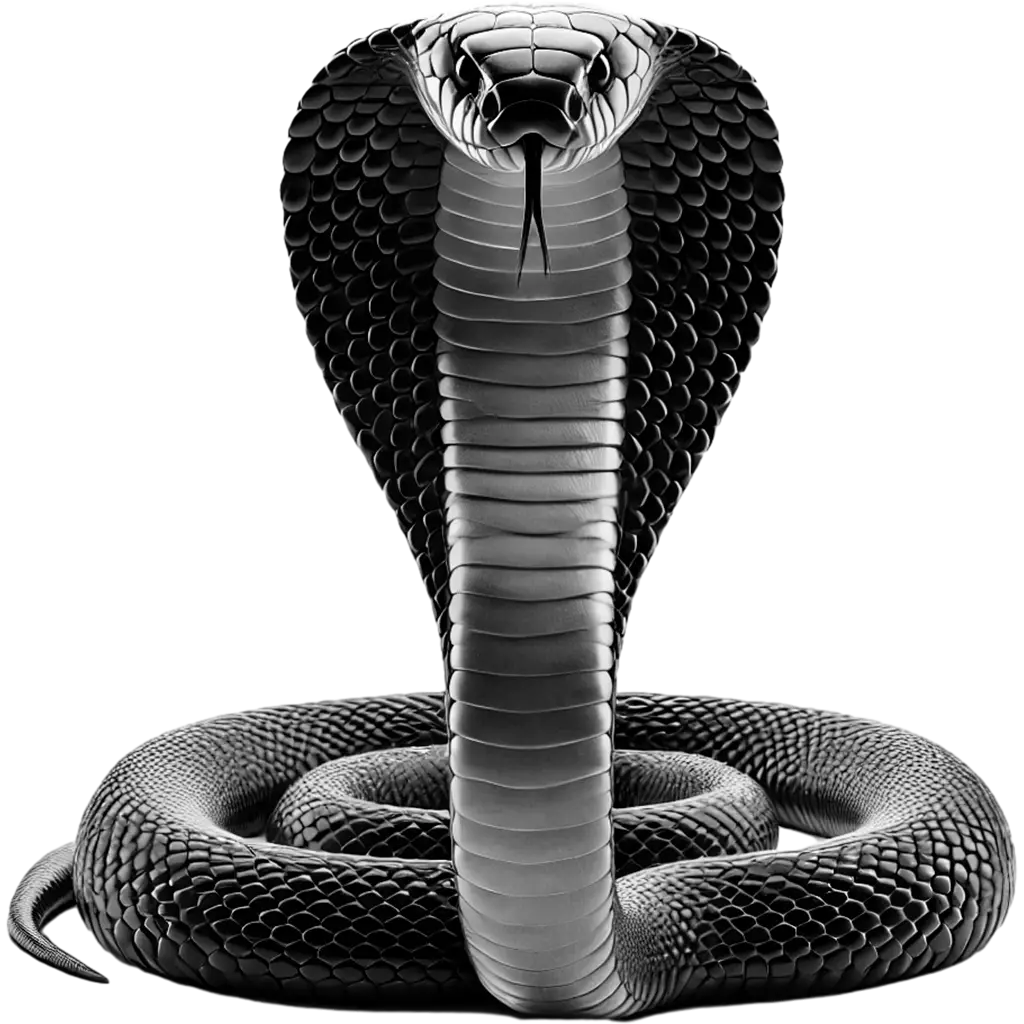
The Black-Necked Spitting Cobra displays a sleek, matte dark body accentuated by a striking glossy black band encircling its neck. Its broad, flattened head features prominent, piercing eyes and an extendable hood that flares impressively when threatened. The snake's smooth, well-defined scales and slender, muscular build give it an elegant