
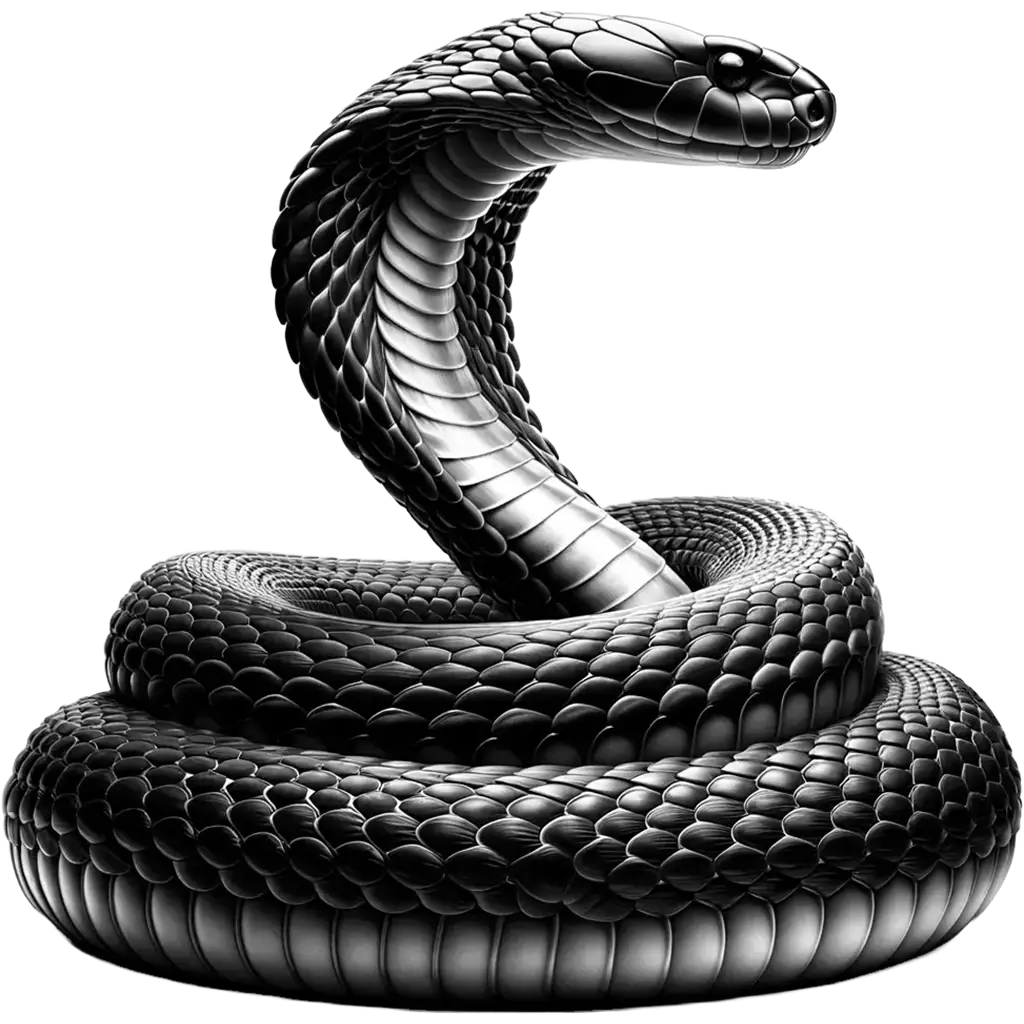
Naja Haje
Egyptian Cobra
Deserts, savannas, and agricultural areas near water sources
The Egyptian Cobra, naja haje, is a highly venomous snake native to Africa, renowned for its imposing size and potent venom. Adults can reach lengths of up to 2 meters, making it one of the largest cobra species. The Egyptian Cobra has a broad and rounded head, distinct from its neck, with a typical cobra hood that it expands when threatened. Its coloration varies from brown to black, often with lighter or darker mottling, allowing it to blend seamlessly into its environment.
| Population: | Not precisely quantified, but considered to be facing habitat loss and persecution |
| Generation Length: | 5-7 years |
| Average Weight: | 1-2 kg |
| Average Length: | 1-2 meters |
| Lifespan: | Up to 20 years in the wild |
| Diet: | Carnivorous, relying on stealth and potent venom to capture prey |
| Conservation Status: | Least Concern (LC) |
This species inhabits a wide range of environments, from arid deserts to fertile plains and agricultural lands, demonstrating its adaptability. The Egyptian Cobra is primarily nocturnal, hunting in the cooler hours of the night. It preys on a variety of animals, including small mammals, birds, amphibians, and other snakes. When confronted, it assumes a defensive posture, raising its body off the ground and spreading its hood, ready to strike if necessary.
The diet of the Egyptian Cobra consists mainly of small mammals, birds, and occasionally other reptiles. It uses its potent neurotoxic venom to subdue prey, which acts quickly to immobilize and digest the victim. This cobra's hunting and feeding habits underscore its role as a top predator in its ecosystem, controlling the populations of its prey species.
Reproduction in Egyptian Cobras involves oviparity, with females laying 12 to 20 eggs in a secluded, moist location such as a burrow or beneath rocks. The eggs incubate for about two to three months before hatching. The hatchlings are independent from birth, equipped with venom and hunting instincts crucial for survival.
The population of the Egyptian Cobra is not currently listed as endangered, but it faces threats from habitat destruction, persecution due to fear, and collection for the pet trade. Conservation efforts are focused on habitat preservation and raising awareness to mitigate human-snake conflicts. The Egyptian Cobra remains an emblematic species in its native range, respected and feared for its venomous bite and majestic presence.
Classifications
The Key Attributes
Features
- Movement:
Slithering
- Territorial Behavior:
Solitary and territorial
- Speed:
Fast and agile when threatened
- Diet:
Carnivore
- Physical Features:
- Long, slender body with smooth scales
- Distinguished by its hood, which it expands when threatened
- Sharp fangs with a potent neurotoxic venom
- Variable color, often with darker markings on the back and hood
- Primary Senses:
- Sight
- Smell
- Heat sensing pits for detecting warm-blooded prey
Understanding Habitat and Range
Geography
- Habitat:
Deserts, savannas, and agricultural areas near water sources
- Migration Patterns:
Non-migratory, but may move in response to environmental conditions and prey availability
- Geographical Range:
North Africa through the Middle East to the Arabian Peninsula
- Climate Preferences:
Prefers arid and semi-arid environments but adaptable to various habitats
Navigating the Wilderness
In the wild
- Predators:
Large birds of prey, mongooses, and other large carnivores
- Prey:
Rodents, birds, amphibians, and occasionally small mammals
- Feeding Behavior:
Ambush predator, using its venom to subdue prey such as rodents, birds, and occasionally small mammals
- Diet:
Carnivorous, relying on stealth and potent venom to capture prey
- Defensive Mechanisms:
- Venomous bite as a primary defense mechanism
- Hood expansion and hissing as a threat display to deter predators and threats
- Preferred Food Sources:
- Areas with abundant prey and cover for ambushing
Insights Into Reproduction
Mating
- Mating System:
Polygynous
- Number of Offspring:
10-20 eggs
- Incubation Period:
About 60-90 days
- Parental Involvement:
- Females lay eggs and may guard them until hatching, but no further parental care
Youngsters Section
Egyptian Cobra
Fun Fact
The Egyptian Cobra is one of Africa's largest and most venomous snakes.
This snake can grow up to 8 feet long and is known for its distinctive hood. Its venom contains neurotoxins that can paralyze, making it a formidable predator. Ancient Egyptians revered it, and it often appears in their art and mythology.

Download word search puzzles
Word Search Puzzles
Check Out Other Reptiles
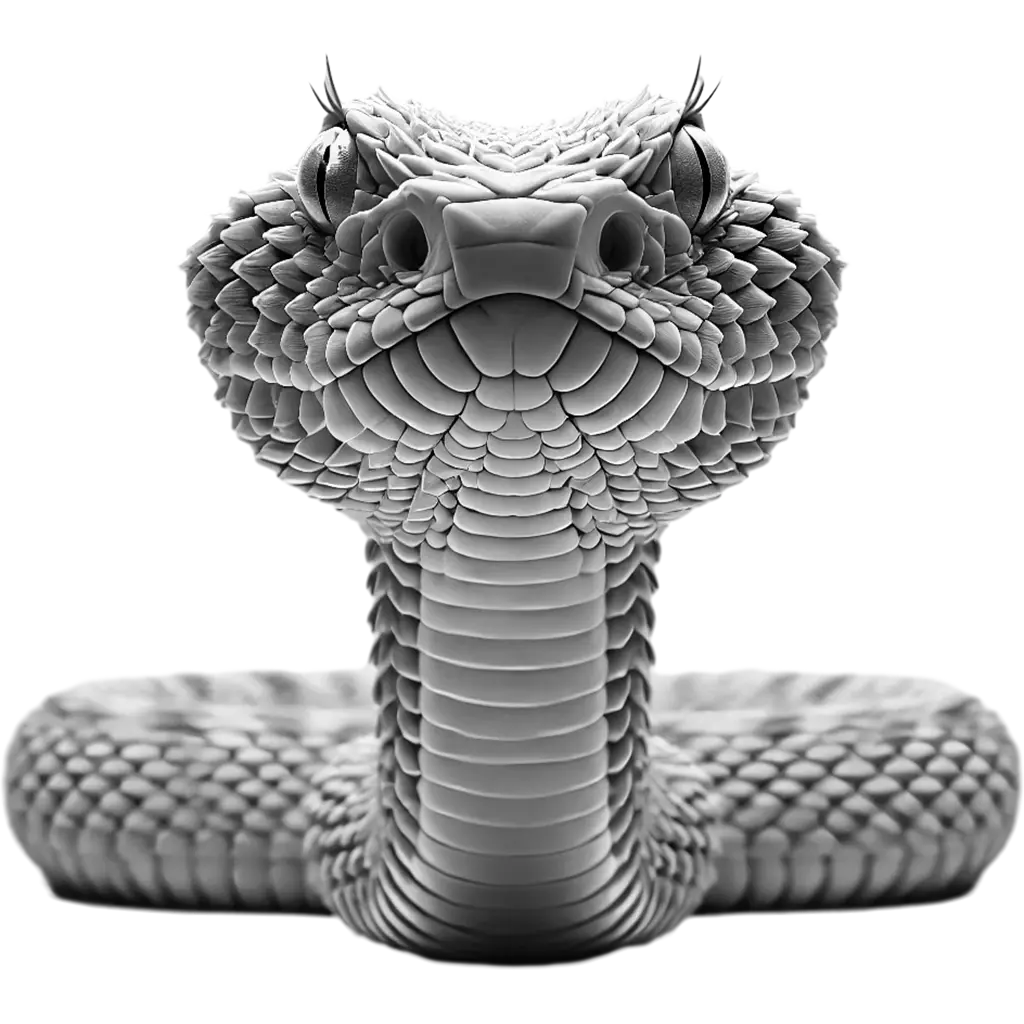
Bothriechis schlegelii, known as the Eyelash Viper, exhibits a striking appearance with its slender, elongated body and vibrant coloration. Its most distinctive feature is the raised supraocular scales that resemble delicate eyelashes framing its intense, vertical pupils. The snake's body displays a mosaic of vivid greens, browns, or yellows accented
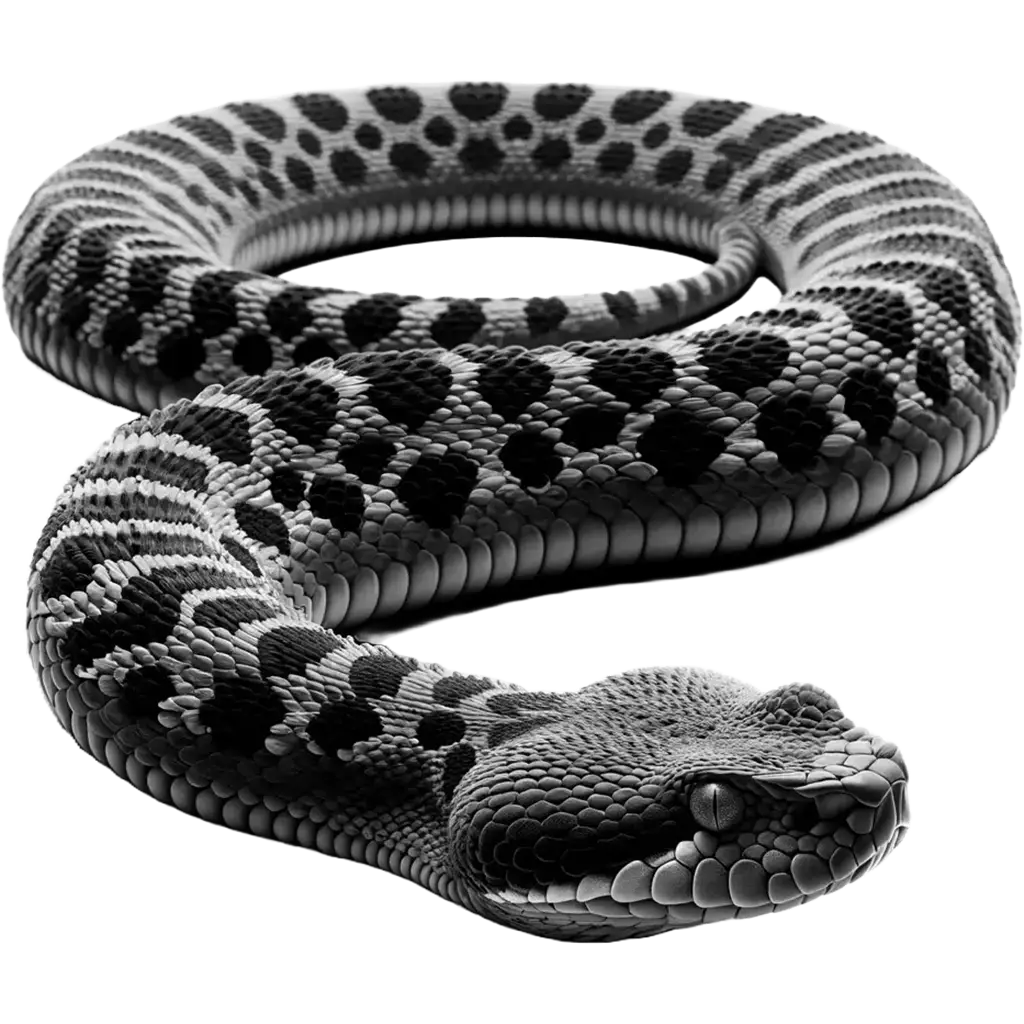
The Siberian Pit Viper, gloydius halys, is a venomous snake native to the mountainous regions and forests of Eastern Europe and Asia, extending from Eastern Russia through Mongolia to Northern China and Korea. This medium-sized viper typically reaches lengths of 60 to 80 cm, characterized by its stocky build and
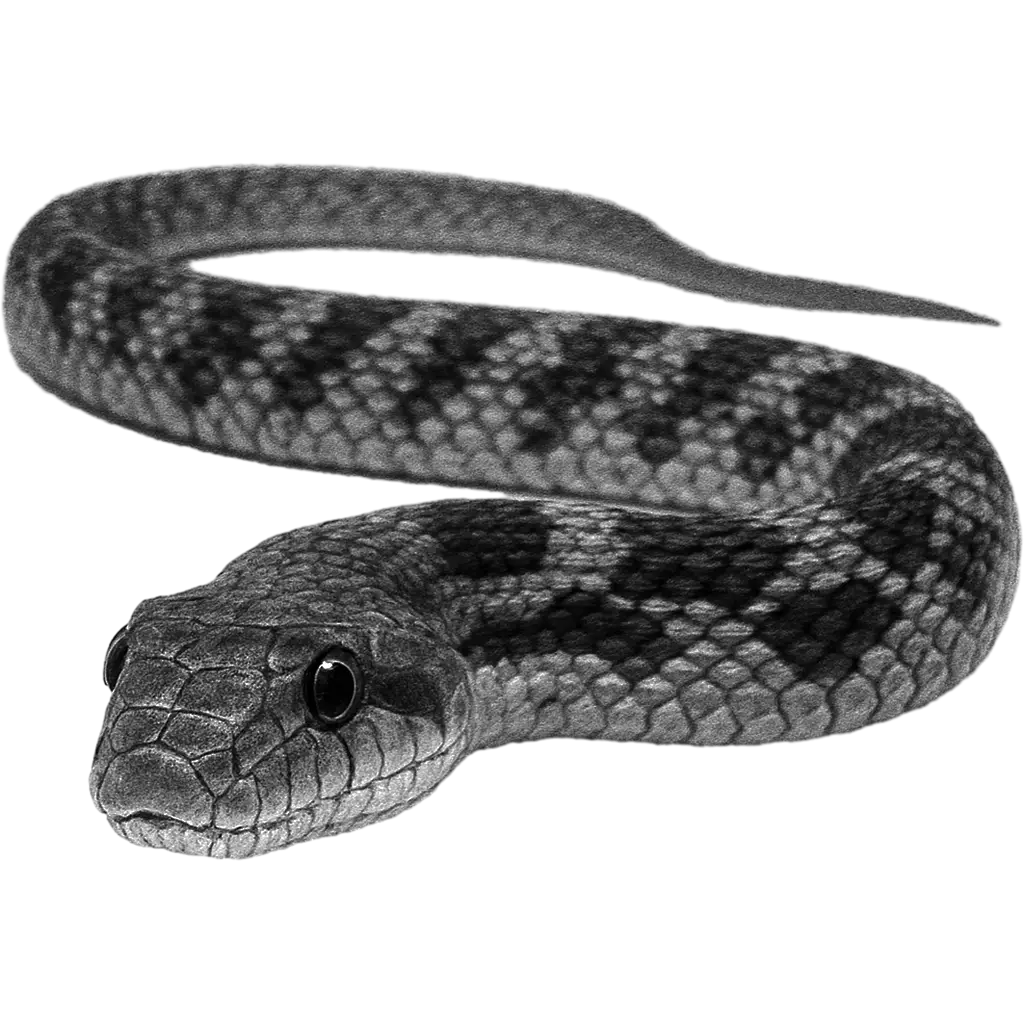
The Texas Rat Snake exhibits a slender, muscular body typically measuring between 90 and 160 centimeters in length. Its smooth, keeled scales display background hues from light gray to tan, overlaid with irregular dark blotches along the dorsum that may form crossbands. The head is slightly wider than the neck,
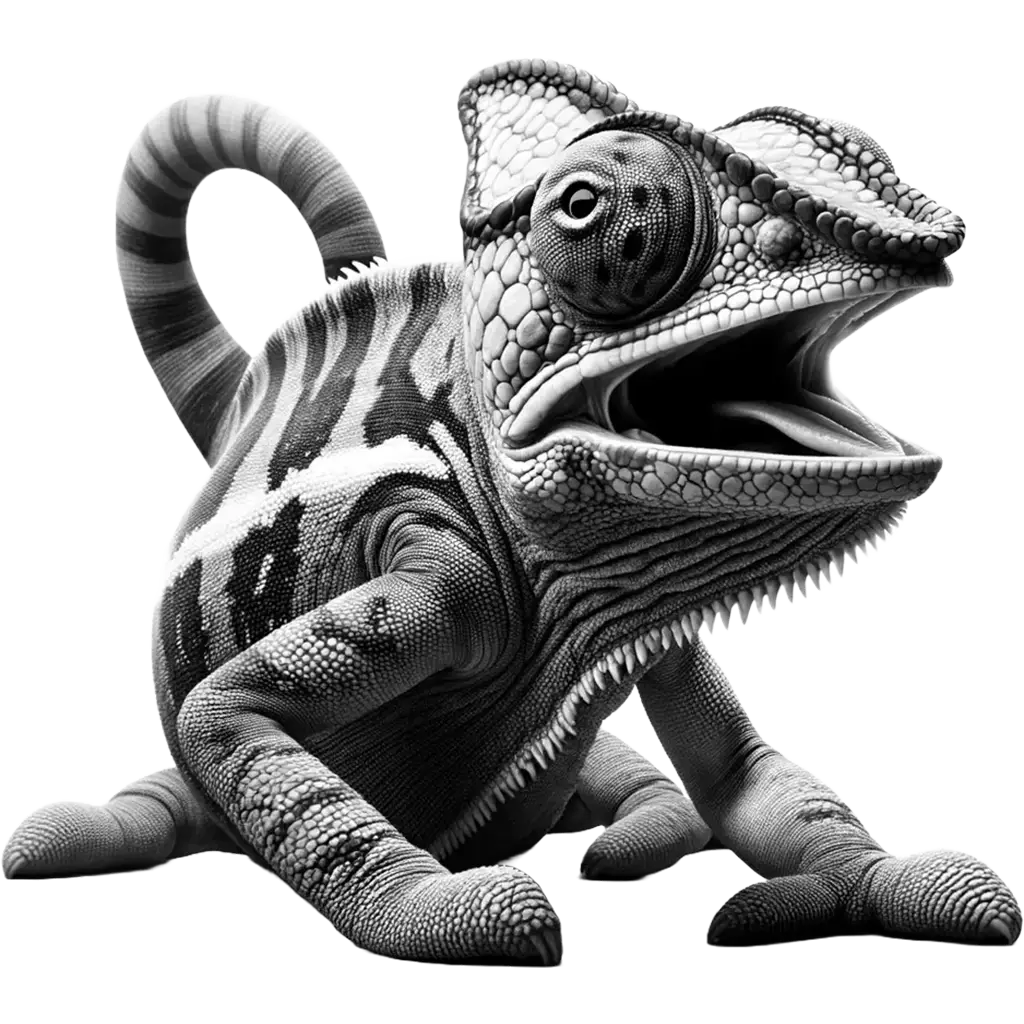
The Jewelled Chameleon, furcifer campani, is a striking species of chameleon endemic to the central highlands of Madagascar, particularly known for its vibrant colors and ornate appearance. Adults can grow to a length of approximately 20 to 23 centimeters, including the tail. This species exhibits a remarkable array of colors,