
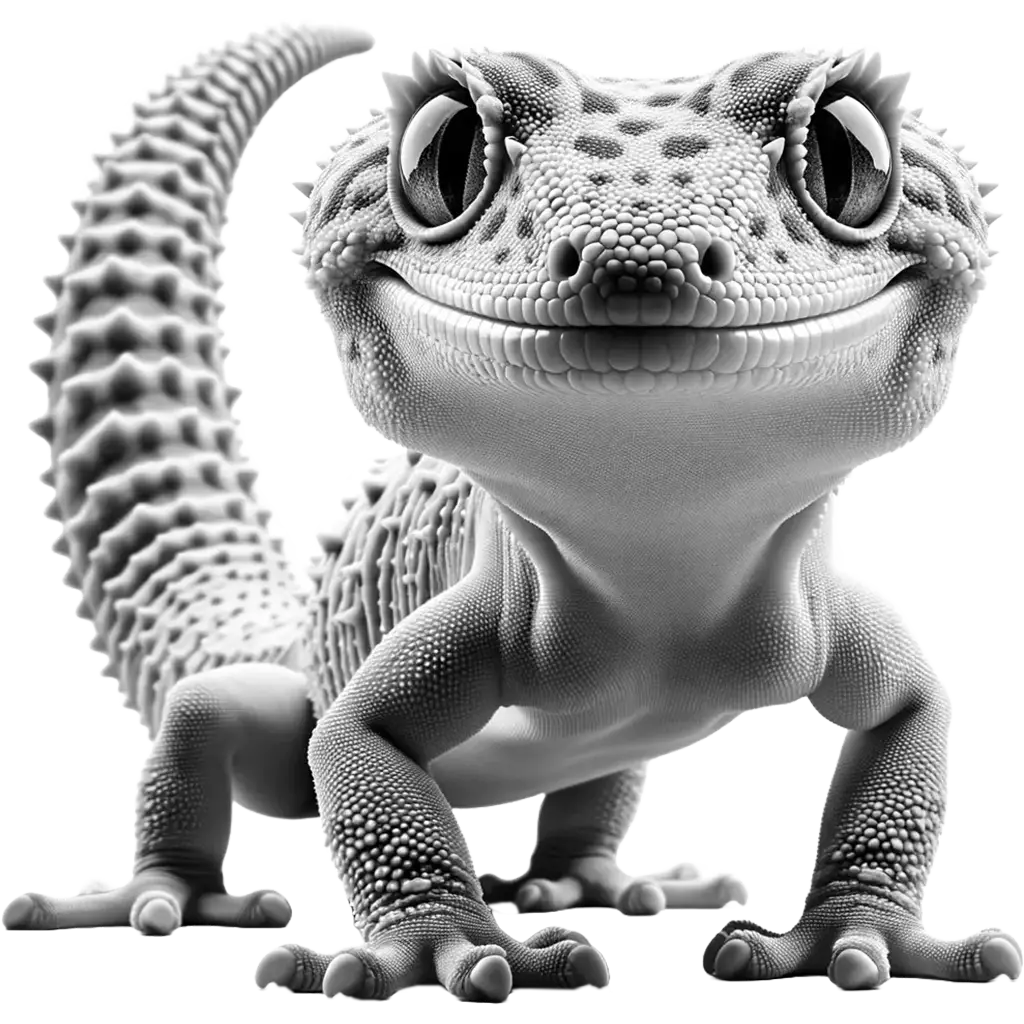
Strophurus Ciliaris
Northern Spiny-Tailed Gecko
Arid regions, often in trees, on rocks, and near termite mounds
The Northern Spiny-Tailed Gecko, strophurus ciliaris, is a distinctive lizard known for its unique defense mechanism and striking appearance. Native to Australia, this species is characterized by a row of spiny scales along the sides of its tail and body, giving it its common name. Adults can reach lengths of up to 10 to 15 cm, including the tail, with a body that is generally light brown or gray, featuring darker bands or blotches. The spines themselves are not sharp but serve as a visual deterrent to predators. Their eyes are large and prominent, with vertical pupils, adapted for nocturnal activities.
| Population: | Not widely studied, but currently not considered endangered |
| Generation Length: | 2-3 years |
| Average Weight: | 10-15 grams |
| Average Length: | 10-15 cm, including the tail |
| Lifespan: | 5-10 years in the wild |
| Diet: | Insectivorous, catching prey with stealth and speed |
| Conservation Status: | Least Concern (LC) |
This gecko species inhabits a range of environments, from arid desert landscapes to woodland and grassland areas, demonstrating a remarkable adaptability to different habitats. They are arboreal, spending much of their time in trees and bushes, where they can be found hiding under bark or within crevices during the day. At night, they emerge to hunt, displaying their nocturnal lifestyle.
The diet of the Northern Spiny-Tailed Gecko primarily consists of insects and other small invertebrates. They are opportunistic feeders, using their keen eyesight and stealth to ambush prey. This diet plays a crucial role in controlling insect populations in their native habitats, highlighting their importance in the ecosystem.
Reproduction in this species involves the female laying clutches of two eggs, which are often deposited in secure locations like tree hollows or under rocks. These eggs are relatively large in comparison to the size of the female and require a period of incubation before hatching. The geckos exhibit a level of parental care, with females sometimes guarding the eggs until they hatch.
The population of the Northern Spiny-Tailed Gecko is considered stable within its native range, though, like many reptiles, it faces threats from habitat destruction and the pet trade. Conservation efforts are focused on habitat preservation and regulating trade to ensure sustainable populations. Their unique appearance and behavior make them a subject of interest for herpetologists and reptile enthusiasts alike, underscoring the need for continued study and conservation.
Classifications
The Key Attributes
Features
- Movement:
Climbing, crawling
- Territorial Behavior:
Solitary, with territorial tendencies
- Speed:
Quick and agile in its arboreal habitat
- Diet:
Insectivore
- Physical Features:
- Spiny tail used as a defensive mechanism
- Camouflaged coloration with banded patterns
- Sticky toe pads for climbing
- Eyelids that can close, which is unusual for geckos
- Primary Senses:
- Sight
- Hearing
- Touch
Understanding Habitat and Range
Geography
- Habitat:
Arid regions, often in trees, on rocks, and near termite mounds
- Migration Patterns:
Sedentary, with limited home ranges
- Geographical Range:
Northern Australia, particularly in arid and semi-arid regions
- Climate Preferences:
Prefers hot, dry environments
Navigating the Wilderness
In the wild
- Predators:
Birds, larger reptiles, and mammals
- Prey:
Insects, spiders, and other small arthropods
- Feeding Behavior:
Nocturnal hunter, feeding primarily on insects and other small invertebrates
- Diet:
Insectivorous, catching prey with stealth and speed
- Defensive Mechanisms:
- Using its spiny tail to block crevice entrances against predators
- Camouflage to avoid detection
- Preferred Food Sources:
- Areas with abundant insect activity and suitable hiding spots
Insights Into Reproduction
Mating
- Mating System:
Polygynous
- Number of Offspring:
2-4 eggs per clutch
- Incubation Period:
Around 60-70 days
- Parental Involvement:
- Females lay eggs in protected sites, with no further parental care after laying
Youngsters Section
Northern Spiny-Tailed Gecko
Fun Fact
The Northern Spiny-Tailed Gecko can shoot a harmless, sticky fluid from its tail to deter predators.
This fluid defense mechanism is unique among geckos, providing an effective way to escape threats. The fluid can be sticky and noxious, which surprises and deters predators. These geckos are found in Australia, preferring arid and semi-arid environments. Their spiny tails contribute to their unique appearance and help in camouflage.

Download word search puzzles
Word Search Puzzles

Check Out Other Reptiles
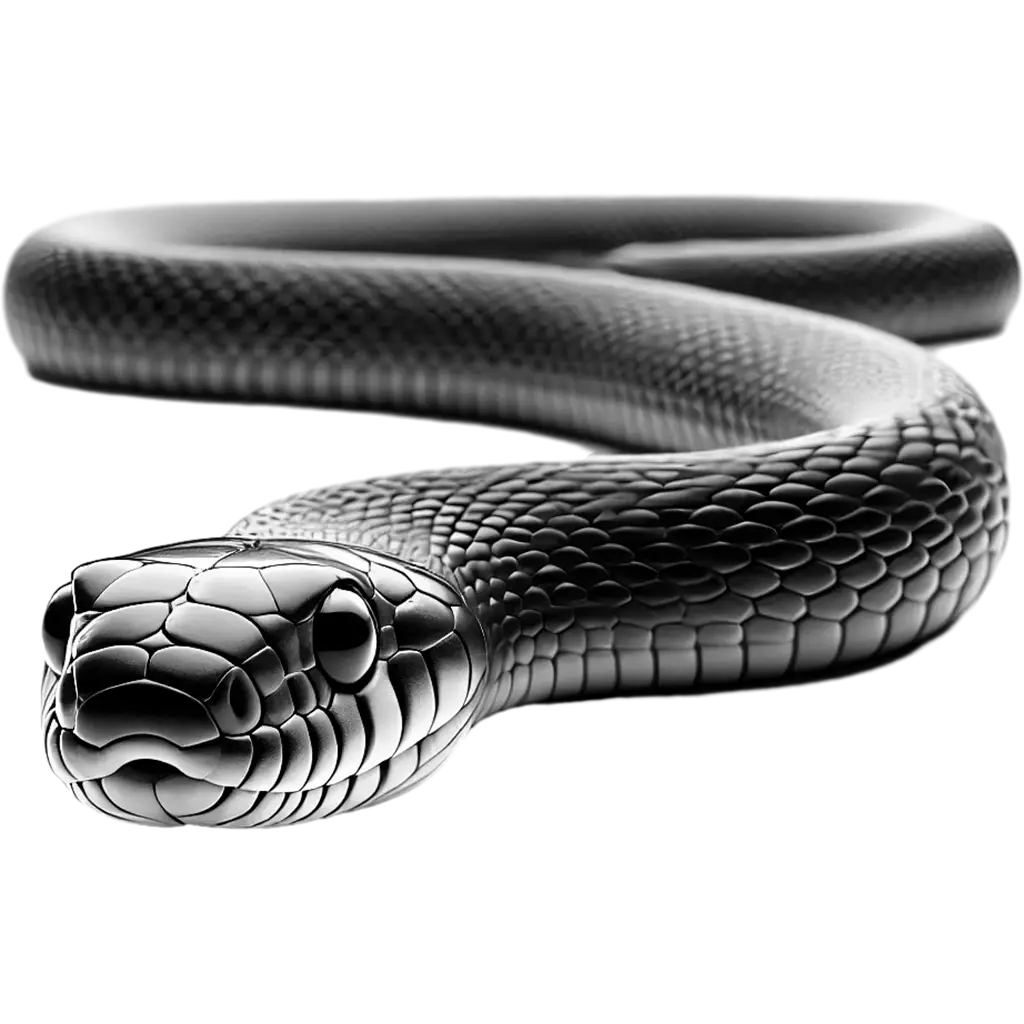
The Short-nosed Snake is a slender reptile defined by its unusually short, blunt snout and smooth, dark scales that provide exceptional camouflage among rocky outcrops. Its streamlined, agile body is perfectly adapted for a life in harsh, arid landscapes, making it appear both cryptic and striking in appearance. Active primarily

The Black-Necked Spitting Cobra displays a sleek, matte dark body accentuated by a striking glossy black band encircling its neck. Its broad, flattened head features prominent, piercing eyes and an extendable hood that flares impressively when threatened. The snake's smooth, well-defined scales and slender, muscular build give it an elegant
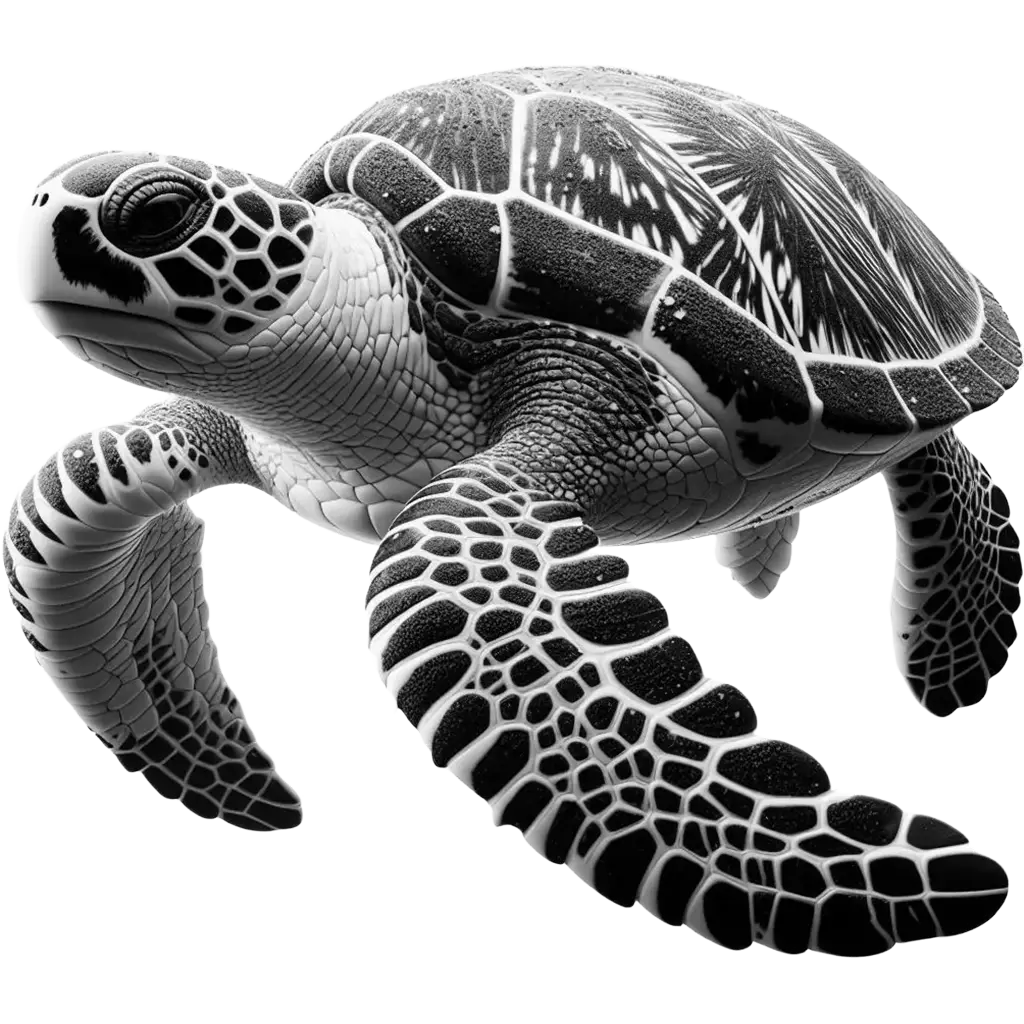
The Leatherback Sea Turtle, dermochelys coriacea, stands out as the largest of all living turtles and is the only existing species in the genus Dermochelys. Unlike other sea turtles, the Leatherback lacks a hard, bony shell and instead boasts a flexible, rubbery skin overlaying bony plates, with distinctive longitudinal ridges
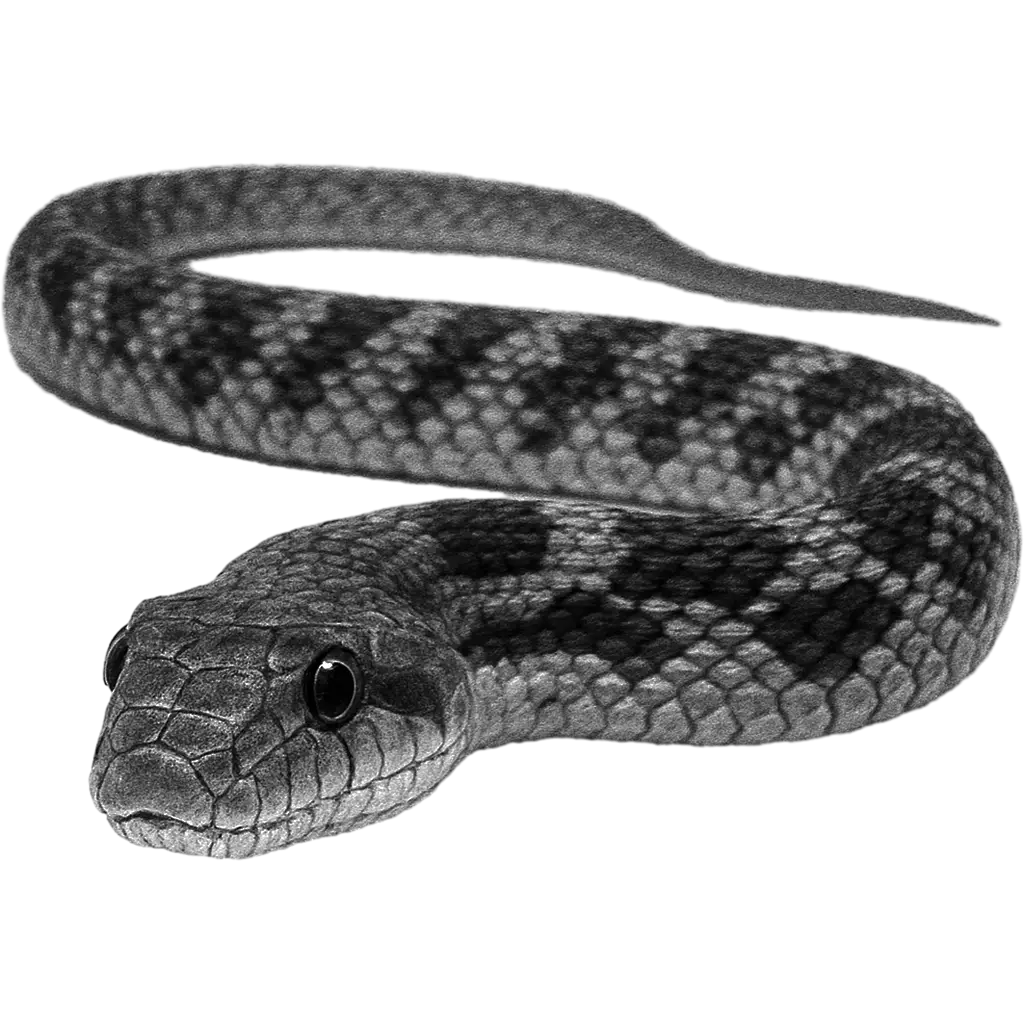
The Texas Rat Snake exhibits a slender, muscular body typically measuring between 90 and 160 centimeters in length. Its smooth, keeled scales display background hues from light gray to tan, overlaid with irregular dark blotches along the dorsum that may form crossbands. The head is slightly wider than the neck,