
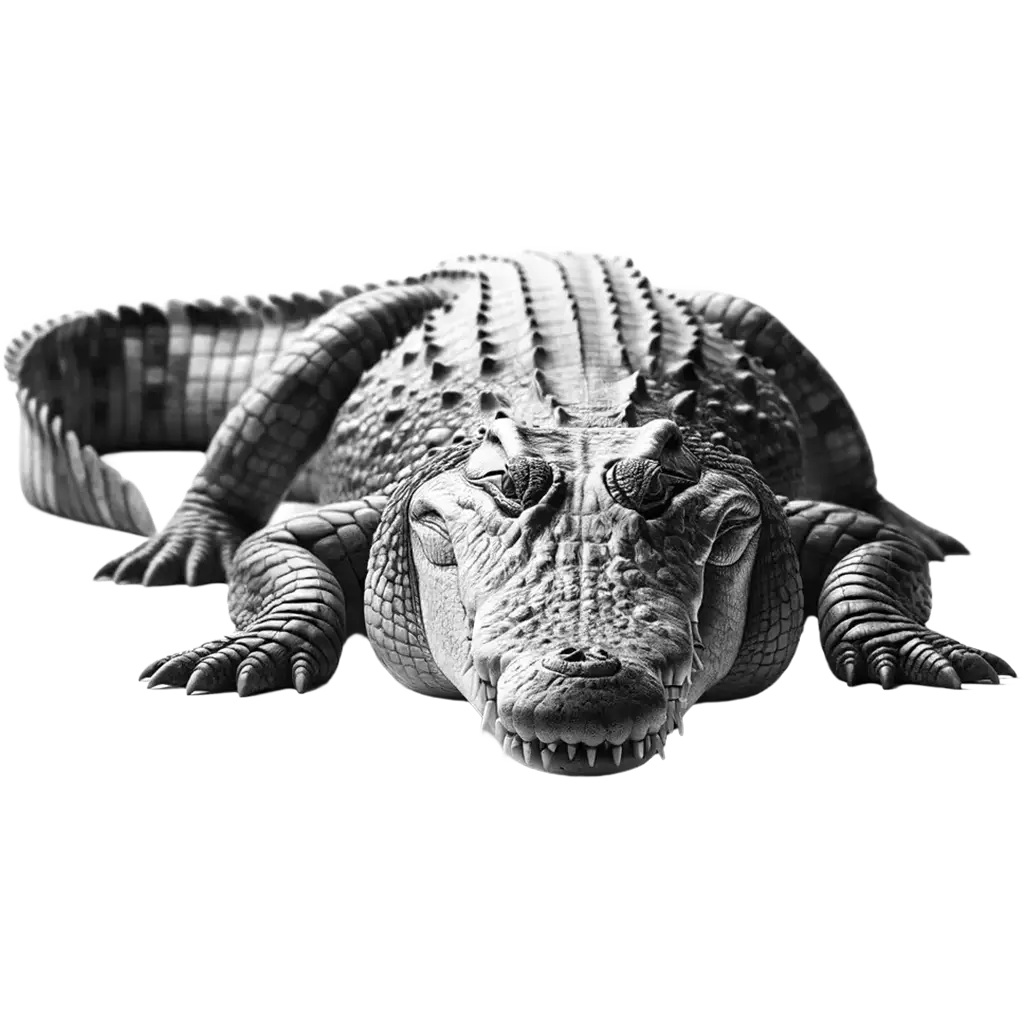
Crocodylus Niloticus
Nile Crocodile
Freshwater environments like rivers, lakes, and marshlands; also found in brackish water
The Nile Crocodile, crocodylus niloticus, is a formidable apex predator native to freshwater habitats across Sub-Saharan Africa. This species is one of the largest crocodile species, with adult males commonly reaching lengths of up to 5 meters (16 feet) and sometimes even exceeding 6 meters (20 feet). They have a robust body, a powerful tail, and a distinctive broad snout filled with sharp teeth, designed for their role as predators. Their skin is thick and rugged, with a pattern of dark olive or brownish scales that provide camouflage in their aquatic environments.
| Population: | Listed as Least Concern, but some local populations are threatened by habitat loss and unregulated hunting |
| Generation Length: | 12-15 years |
| Average Weight: | 200-500 kg, can exceed 700 kg in large males |
| Average Length: | 3.5-5 meters, can grow up to 6 meters |
| Lifespan: | Up to 70-100 years |
| Diet: | Opportunistic feeder with a diet based on available prey |
| Conservation Status: | Least Concern (LC) |
Nile Crocodiles are highly adaptable and can be found in a range of aquatic environments, including rivers, lakes, marshlands, and even man-made reservoirs. They are capable of living in saline environments but prefer fresh water. These crocodiles are known for their exceptional hunting skills, using both water and land to ambush their prey, which includes fish, birds, and mammals, even large ungulates that come to drink at the water's edge.
The diet of the Nile Crocodile is opportunistic and varied, allowing it to take advantage of the available food sources in its environment. It plays a crucial role in maintaining the ecological balance, acting as a population control for many species and removing weak or sick individuals from the populations of their prey.
Reproduction for the Nile Crocodile involves elaborate courtship rituals and territorial battles among males. Females lay 25 to 80 eggs in sandy nests near water bodies. The temperature of the nest determines the sex of the offspring. Females fiercely guard the nests and later assist the hatchlings to reach the water, showing a level of parental care that is unusual among reptiles.
The population of the Nile Crocodile has faced significant challenges, including habitat loss, hunting for their skin, and human conflict. However, conservation measures and crocodile farming for commercial use have helped stabilize some populations. The Nile Crocodile remains listed as Least Concern by the IUCN, but its status varies significantly across its range, highlighting the importance of continued conservation efforts to ensure the survival of this iconic African predator.
Classifications
The Key Attributes
Features
- Movement:
Swimming, walking
- Territorial Behavior:
Highly territorial, especially males during the breeding season
- Speed:
Can swim up to 30-35 km/h; slower on land but can run rapidly over short distances
- Diet:
Carnivore
- Physical Features:
- Strong, elongated body with a powerful tail for swimming
- Armor-like scales with bony plates (osteoderms) on the back
- Powerful jaws with conical teeth
- Eyes, ears, and nostrils on top of the head for submersion
- Primary Senses:
- Sight
- Hearing
- Smell
- Vibration sensing
Understanding Habitat and Range
Geography
- Habitat:
Freshwater environments like rivers, lakes, and marshlands; also found in brackish water
- Migration Patterns:
Non-migratory but can travel long distances following water channels
- Geographical Range:
Sub-Saharan Africa, the Nile Basin, and Madagascar
- Climate Preferences:
Prefers warm, tropical to subtropical climates
Navigating the Wilderness
In the wild
- Predators:
Humans are the primary threat; young are vulnerable to various predators including birds of prey and other crocodiles
- Prey:
Wide range of vertebrates from small fish to large mammals
- Feeding Behavior:
Ambush predator, preying on a variety of animals such as fish, birds, mammals, and sometimes carrion
- Diet:
Opportunistic feeder with a diet based on available prey
- Defensive Mechanisms:
- Camouflage within the water
- Powerful bite and strength for defense and capturing prey
- Aggressive territorial displays
- Preferred Food Sources:
- Areas rich in wildlife, near water bodies where animals come to drink or live
Insights Into Reproduction
Mating
- Mating System:
Polygynous
- Number of Offspring:
20-100 eggs per clutch
- Gestation Period:
Egg incubation period is about 90 days
- Incubation Period:
Eggs hatch within 80-90 days
- Parental Involvement:
- Females guard the nest and assist the hatchlings to water, showing some degree of parental care
Youngsters Section
Nile Crocodile
Fun Fact
Nile crocodiles are capable of holding their breath underwater for up to two hours when necessary.
This remarkable adaptation allows them to stay submerged while waiting for prey or avoiding threats. They achieve this by slowing their heart rate and diverting blood flow to essential organs. These efficient hunters often ambush their prey by lurking just beneath the water's surface.

Download word search puzzles
Word Search Puzzles

Check Out Other Reptiles
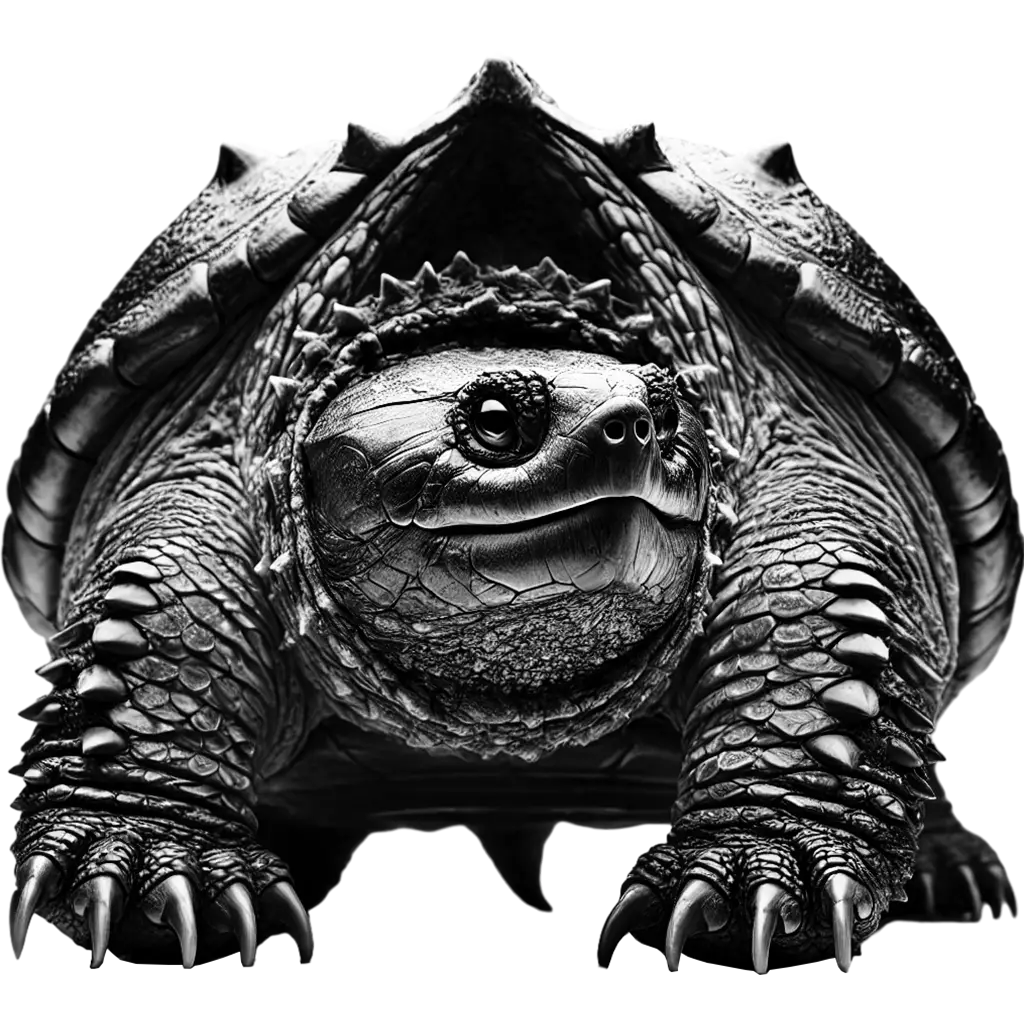
The Alligator Snapping Turtle is the largest freshwater turtle in North America, recognized for its prehistoric, rugged appearance. Its shell is covered in ridged, bony scutes that resemble an alligator's skin, helping it blend into its environment. The turtle has an enormous head with powerful, hooked jaws capable of exerting
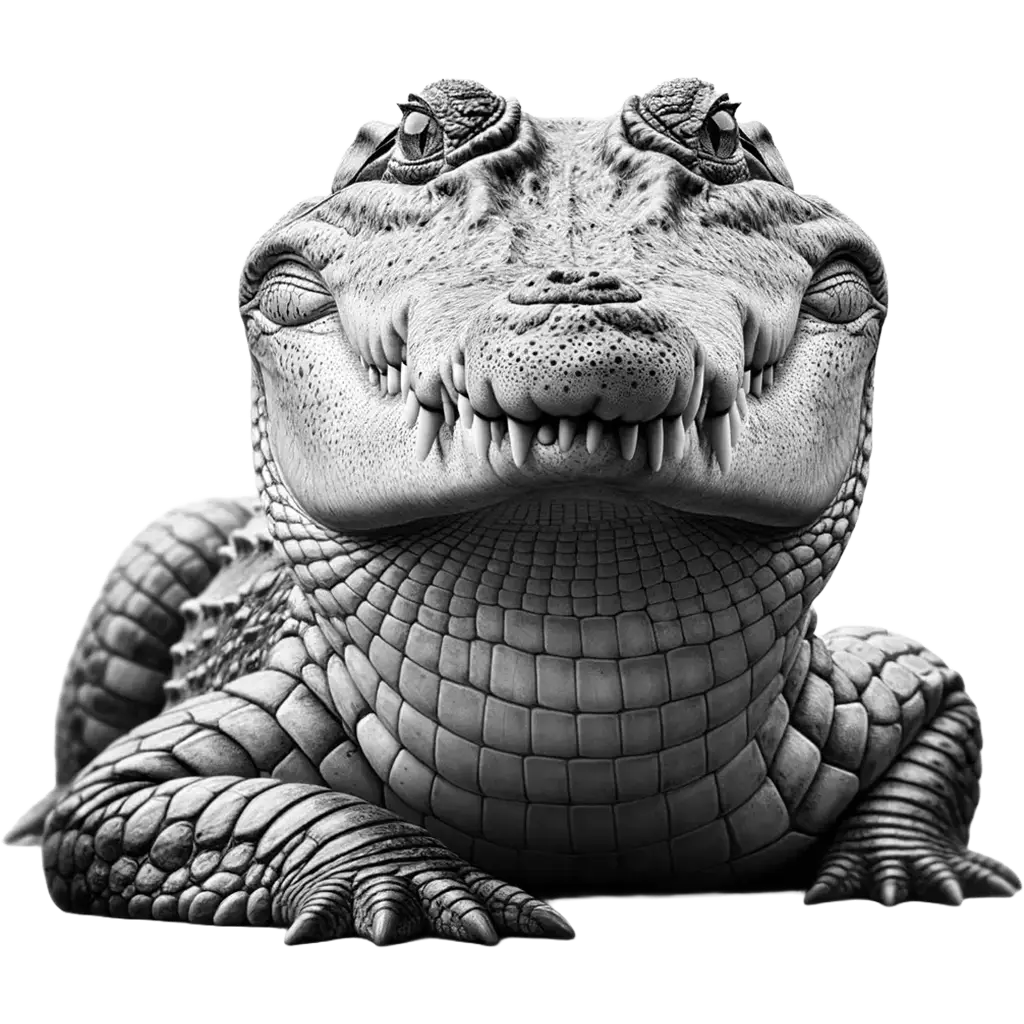
The Saltwater Crocodile, crocodylus porosus, is the largest of all living reptiles, as well as the largest terrestrial and riparian predator in the world. Males of this species can reach lengths of more than 6 meters (20 feet), with exceptional individuals exceeding 7 meters (23 feet) and weighing over 1,000
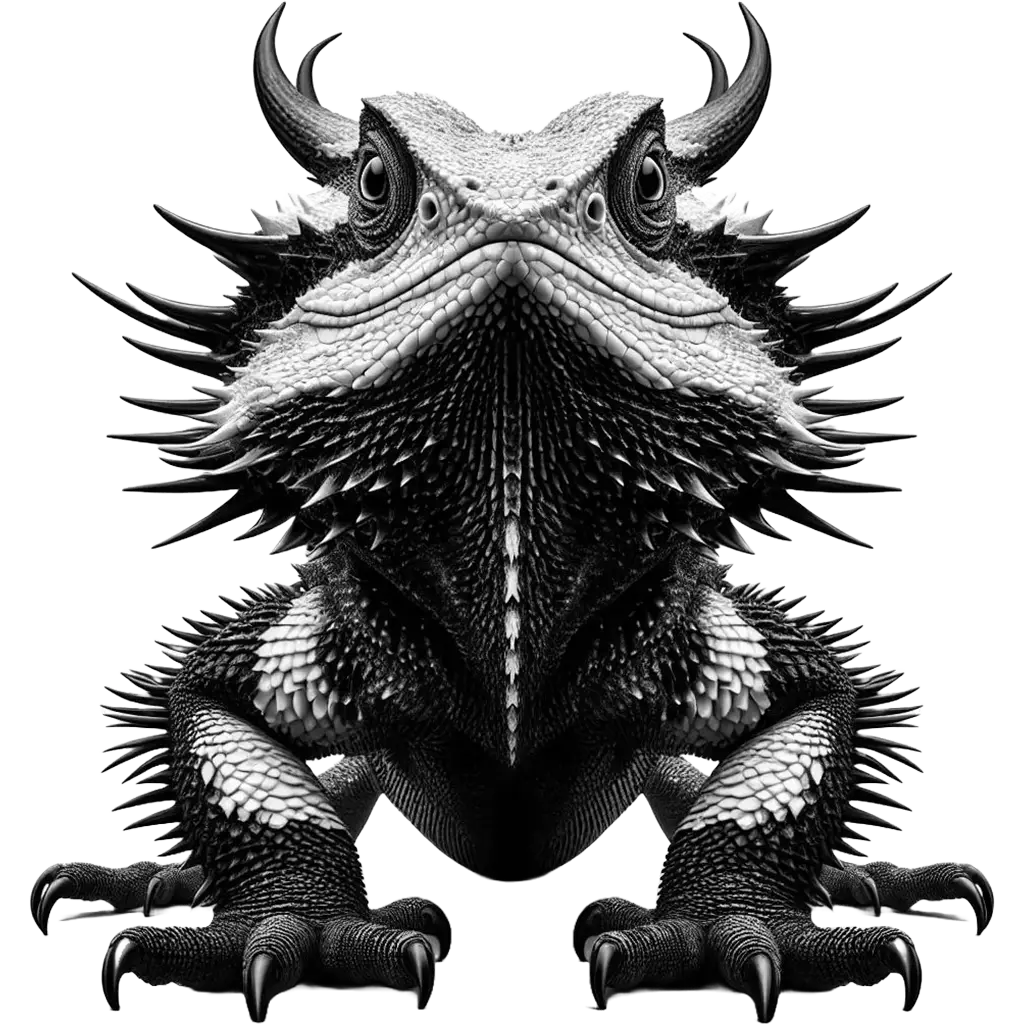
The Giant Horned Lizard, phrynosoma asio, is a remarkable reptile known for its distinctive appearance, featuring an array of sharp horns that adorn its head and sides, providing an effective deterrent against predators. This species is the largest of the horned lizards, with adults reaching lengths of up to 15
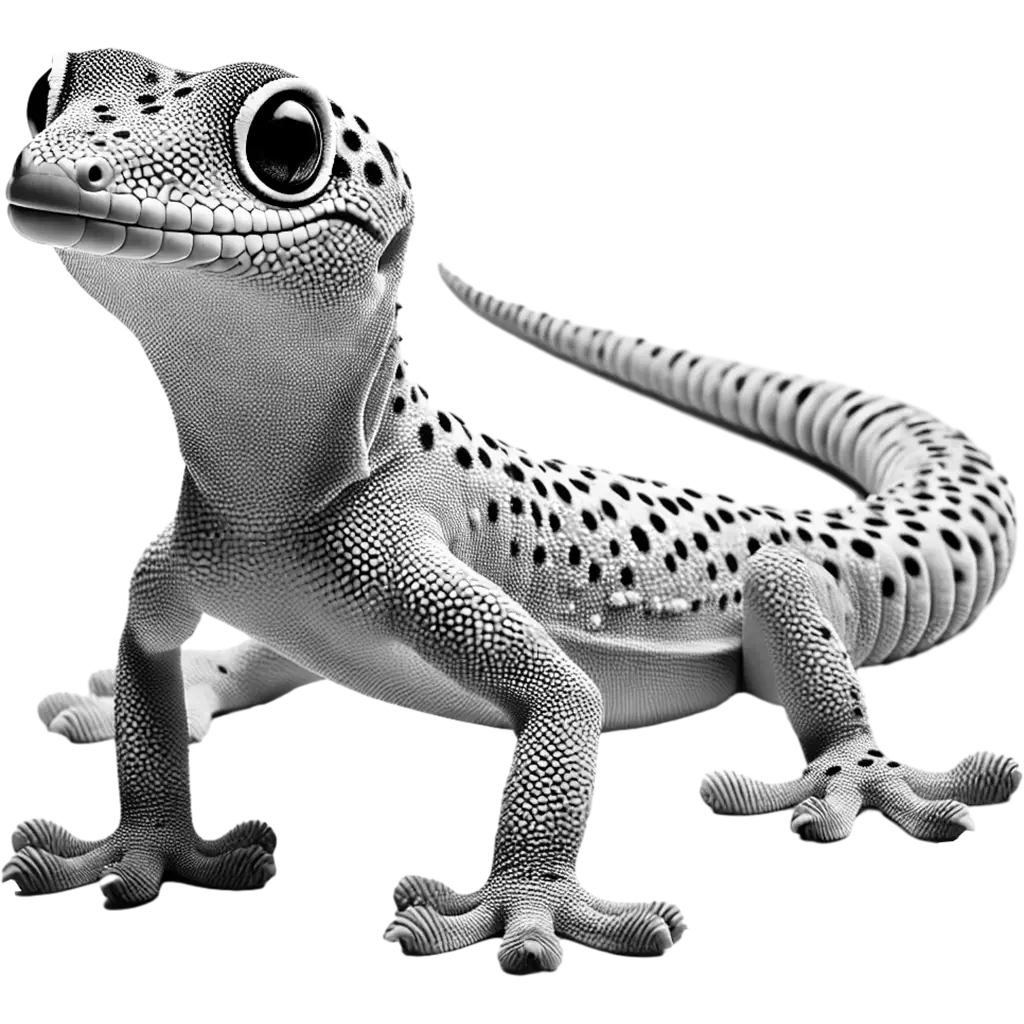
The Brilliant South American Gecko is a small, striking reptile characterized by its vibrant, iridescent scales that shimmer in hues of blue, green, and orange. Its slender, elongated body and flat head, accentuated by large, expressive eyes, create a captivating mosaic of colors that distinguishes it from other geckos. The