
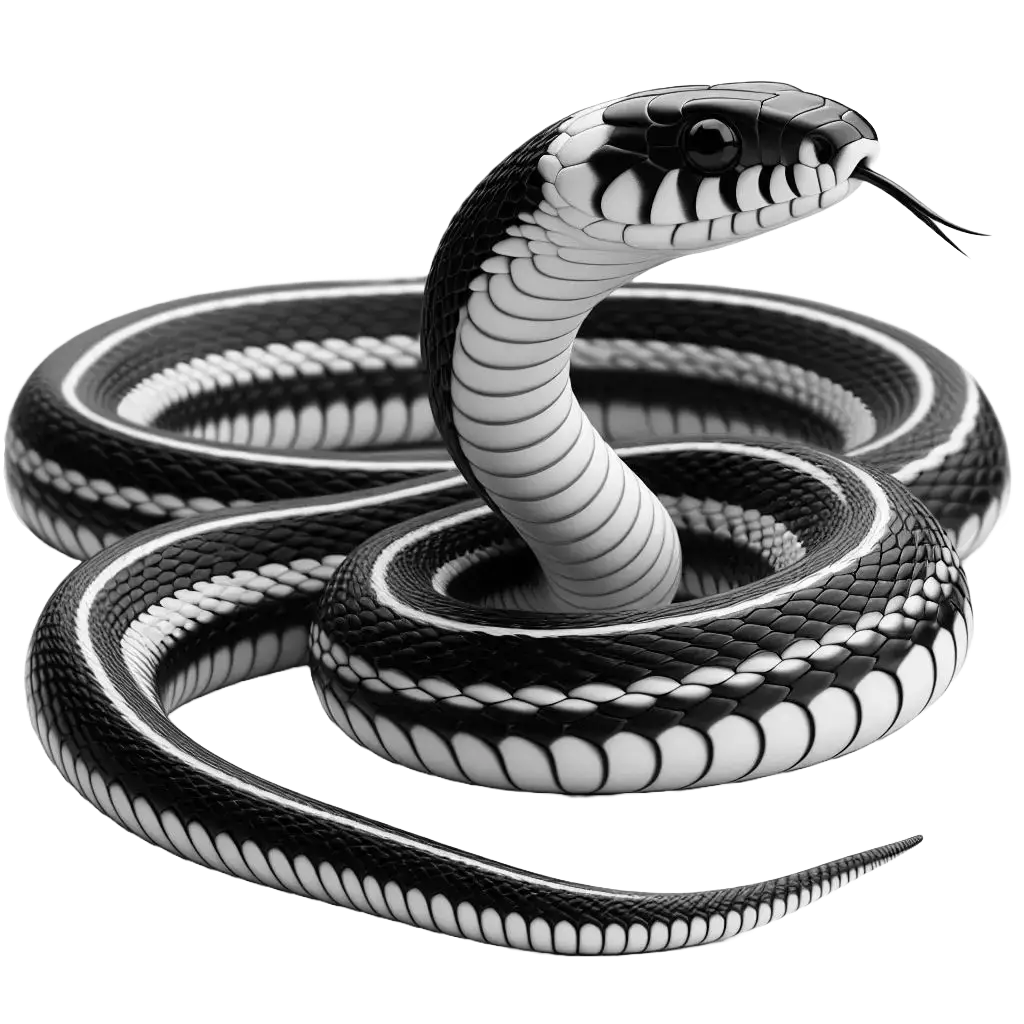
Elaphe Quatuorlineata
Four-Lined Snake
Open woodlands, forest edges, sunny glades, and often near water sources
The Four-Lined Snake, elaphe quatuorlineata, is one of the largest European snake species, known for its distinctive pattern and coloration. Adults can reach impressive lengths of up to 2 meters (about 6.5 feet), making them formidable predators in their natural habitats. Their name derives from the four dark stripes that run longitudinally down their yellowish or cream-colored body, starting from the head and fading towards the tail. This striking appearance not only provides camouflage among the grasses and low vegetation but also makes them easily recognizable.
| Population: | Not precisely quantified; considered Near Threatened due to habitat loss and fragmentation |
| Generation Length: | 3-4 years |
| Average Weight: | Not widely documented; large individuals can weigh over 1 kg |
| Average Length: | 140-180 cm, can reach up to 250 cm |
| Lifespan: | Up to 20 years in the wild, potentially longer in captivity |
| Diet: | Predominantly rodents and birds |
| Conservation Status: | Near Threatened (NT) |
Native to Southern Europe and parts of the Balkans, the Four-Lined Snake prefers habitats with ample sun exposure such as open woodlands, forest edges, and grasslands. These snakes are adept climbers and swimmers, but they spend much of their time on the ground, hunting and basking in the sun. They are diurnal, most active during the day when they hunt for their prey.
The diet of the Four-Lined Snake primarily consists of small mammals, birds, and occasionally eggs, which they overpower with their strength and constrict before consumption. This diet reflects their role as apex predators within their ecosystem, controlling the populations of their prey species and maintaining the ecological balance.
Reproduction for the Four-Lined Snake occurs in the spring, with females laying clutches of 5 to 15 eggs in warm, humid locations such as compost heaps or under rocks. The eggs incubate for approximately two to three months before hatching. The young snakes are independent from birth, equipped with the instincts and abilities needed for survival in the wild.
The Four-Lined Snake is considered Near Threatened due to habitat loss, agricultural expansion, and human persecution. Their habitats are increasingly fragmented by agricultural and urban development, which not only reduces their living space but also their access to prey. Conservation efforts for the Four-Lined Snake include habitat protection, research to better understand their ecological needs, and efforts to mitigate human-wildlife conflict. Preserving the populations of the Four-Lined Snake is crucial for maintaining the biodiversity and ecological health of their habitats.
Classifications
The Key Attributes
Features
- Movement:
Slithering
- Territorial Behavior:
Somewhat territorial, especially males during mating season
- Speed:
Not specifically quantified; capable of quick movements when threatened or capturing prey
- Diet:
Carnivore
- Physical Features:
- Four dark stripes running along the length of the body on a yellowish to greenish-brown background
- Large and robust body
- Smooth scales
- Primary Senses:
- Sight
- Smell
- Vibration detection
Understanding Habitat and Range
Geography
- Habitat:
Open woodlands, forest edges, sunny glades, and often near water sources
- Migration Patterns:
Non-migratory, but may roam widely in search of food or mates
- Geographical Range:
Southern Europe and parts of the Middle East, including Italy, the Balkans, Greece, and Turkey
- Climate Preferences:
Prefers warm, temperate to subtropical climates
Navigating the Wilderness
In the wild
- Predators:
Birds of prey, wild cats
- Prey:
Rodents, birds, lizards, other snakes
- Feeding Behavior:
Feeds on a variety of prey including rodents, birds, and occasionally lizards and other snakes
- Diet:
Predominantly rodents and birds
- Defensive Mechanisms:
- Camouflage
- Fleeing into hiding spots
- Can become aggressive if cornered
- Preferred Food Sources:
- Rodents
- Birds
Insights Into Reproduction
Mating
- Mating System:
Polygynous
- Number of Offspring:
5-20 eggs
- Incubation Period:
About 2 months
- Parental Involvement:
- No parental care after laying eggs; eggs are laid in warm, humid places to incubate
Youngsters Section
Four-Lined Snake
Fun Fact
The Four-Lined Snake is a non-venomous snake native to southern Europe.
It is named for the distinctive four dark longitudinal stripes running down its body. This snake can grow quite large, reaching lengths of up to 7 feet. Despite its size, the Four-Lined Snake is shy and primarily feeds on small mammals and birds.
Download word search puzzles
Word Search Puzzles


Check Out Other Reptiles
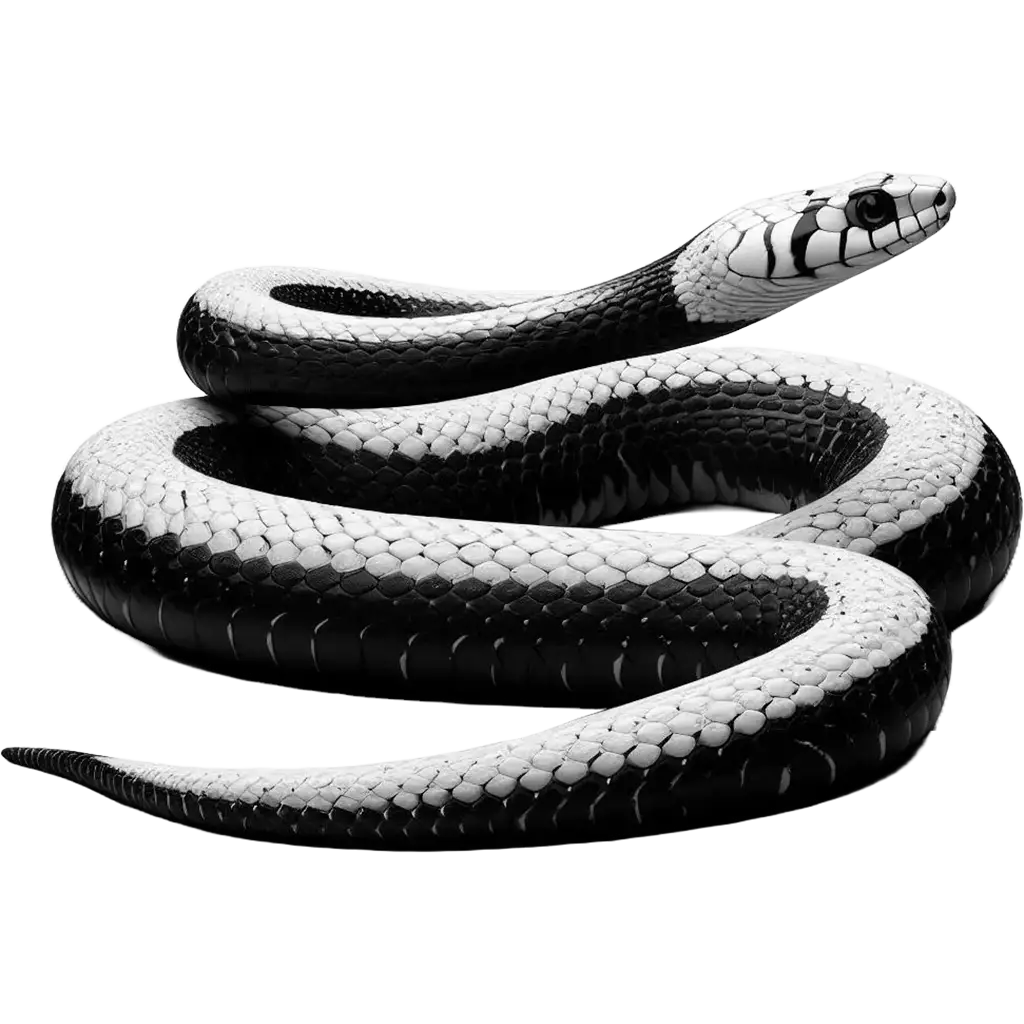
The Eastern Coral Snake, micrurus fulvius, is a highly venomous snake native to the southeastern United States. Characterized by its distinctive color pattern of black, yellow, and red bands, this slender snake can reach lengths of up to 30 inches (76 cm), though most are smaller. The vivid bands serve
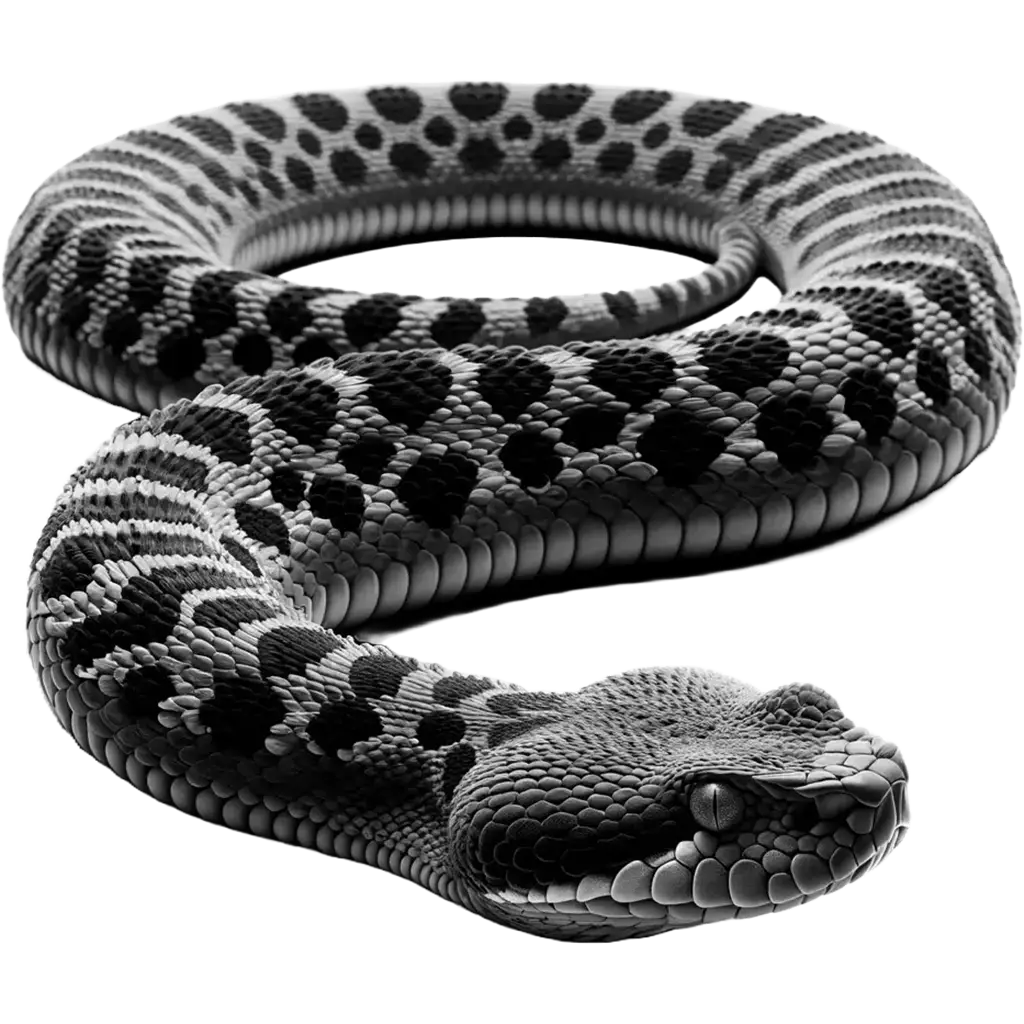
The Siberian Pit Viper, gloydius halys, is a venomous snake native to the mountainous regions and forests of Eastern Europe and Asia, extending from Eastern Russia through Mongolia to Northern China and Korea. This medium-sized viper typically reaches lengths of 60 to 80 cm, characterized by its stocky build and
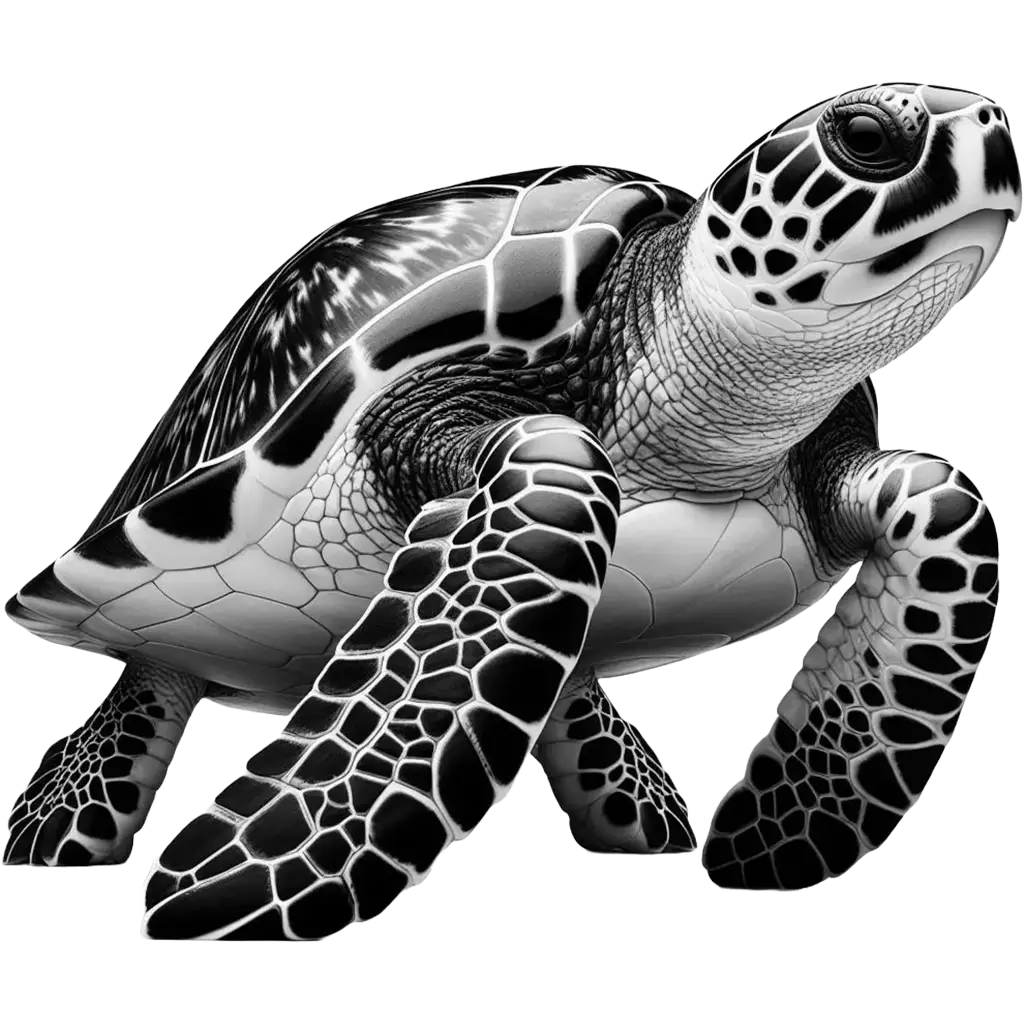
The Hawksbill Sea Turtle, eretmochelys imbricata, is a critically endangered marine turtle known for its distinctive hawk-like beak and beautifully patterned shell of overlapping scales, or scutes, which are sought after for their use in decorative arts, leading to the species' decline. Adults typically measure about 90 centimeters (35 inches)
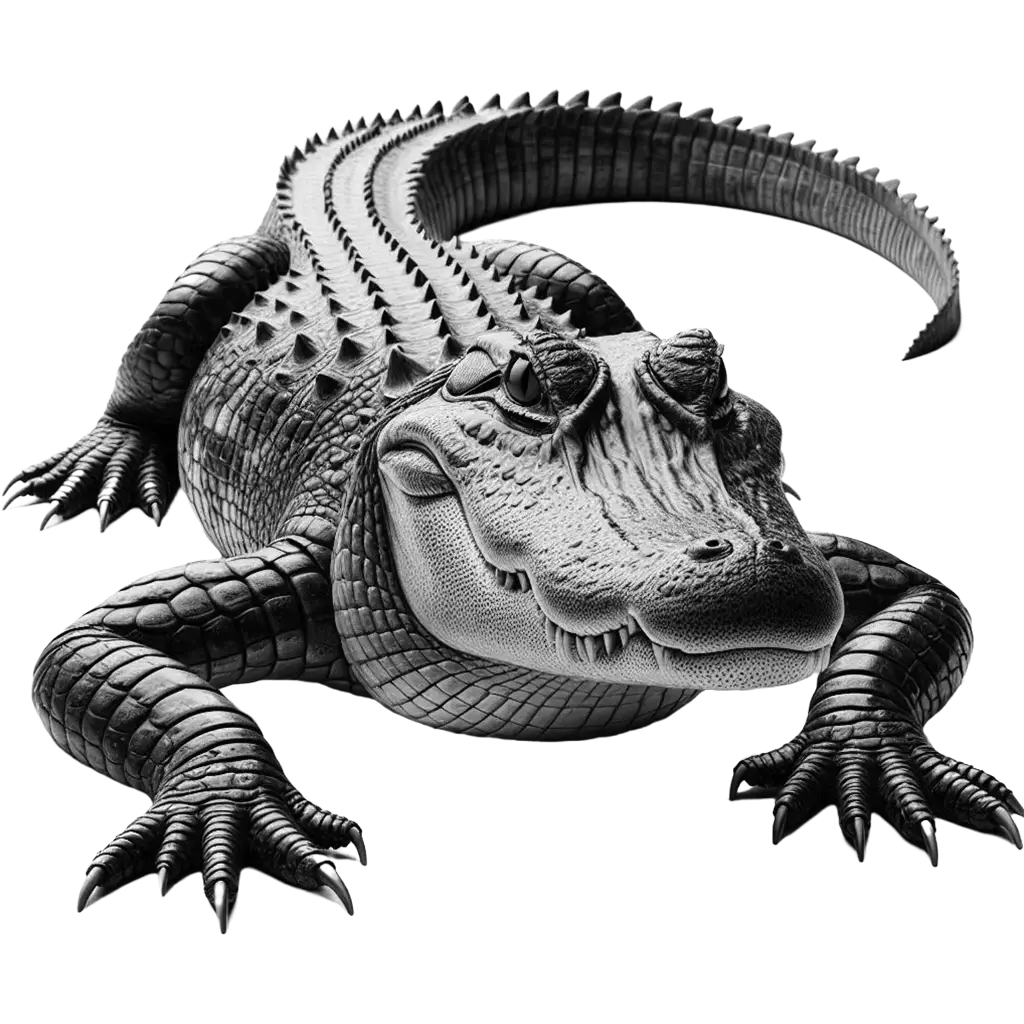
The American Alligator, Alligator mississippiensis, is a formidable reptile native to the southeastern United States, easily recognized by its armored body, strong tail, and powerful jaws. Adults typically measure between 3 to 4.6 meters in length, with males being larger than females. Their skin is a dark, olive-brown color with