
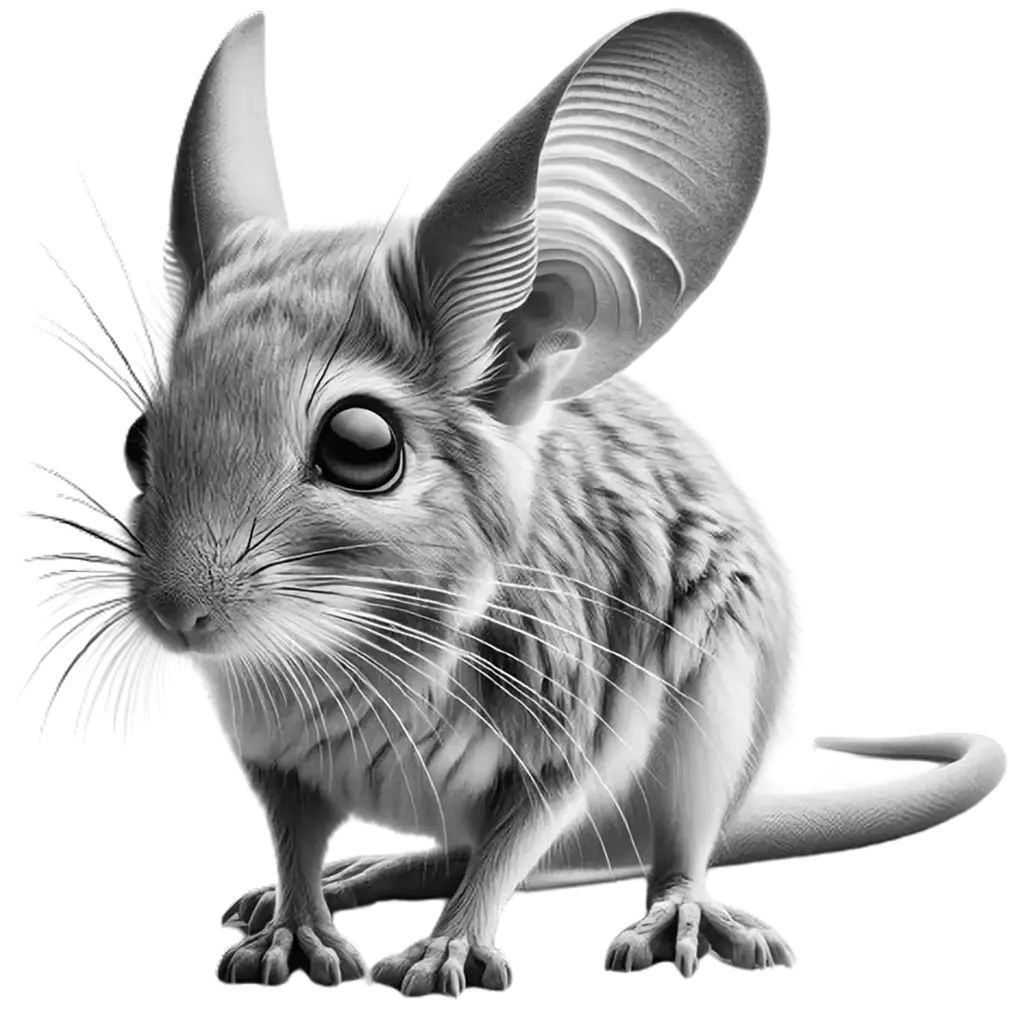
Scarturus Williamsi
Williams's Jerboa
Deserts and semi-arid environments
Williams's Jerboa, scarturus williamsi, is a small, nocturnal rodent known for its distinctive long hind legs and short forelimbs, enabling it to leap significant distances, much like a kangaroo. This adaptation is crucial for escaping predators and traversing its desert habitat. Its coat is typically sandy or pale brown, blending seamlessly with the arid environments of the Middle East, where it is primarily found. The jerboa's long, tufted tail, which can be as long as its body, helps it maintain balance while jumping. Adult Williams's Jerboas typically measure around 10 cm in body length, with a tail extending up to another 20 cm, making their physical appearance quite striking.
| Population: | Data deficient; specific population numbers are not well-documented |
| Generation Length: | 2-3 years |
| Average Weight: | Approximately 20-40 grams |
| Average Length: | Body length: 8-10 cm, Tail length: 10-15 cm |
| Lifespan: | Up to 6 years in the wild |
| Diet: | Primarily seeds and insects |
| Conservation Status: | Least Concern (LC) |
Williams's Jerboa is adapted to a life in harsh desert conditions, displaying remarkable physiological adaptations to minimize water loss and withstand extreme temperatures. They are burrowers, constructing intricate tunnel systems with separate chambers for nesting and food storage. These nocturnal creatures spend the daylight hours in their burrows to avoid the scorching sun, emerging at night to feed when the temperature drops.
The diet of Williams's Jerboa consists primarily of seeds, plants, and insects, making it an omnivore with a preference for vegetation. This diet is well-suited to its desert habitat, where water is scarce, and food sources are primarily dry and fibrous. The jerboa's ability to metabolize water from its food and minimize water loss through its waste products is a key survival mechanism in its arid environment.
Reproduction in Williams's Jerboa typically occurs during the cooler months when food resources are more abundant. Females can give birth to multiple litters per year, each containing two to six offspring. The reproductive strategy of Williams's Jerboa, including having multiple litters and the ability to breed in their first year of life, helps ensure the survival of the species despite the challenges of their environment.
The conservation status of Williams's Jerboa is currently not well-documented, but like many desert species, it faces threats from habitat loss and degradation. Its survival is closely tied to the preservation of desert ecosystems, which are vulnerable to overgrazing, climate change, and human expansion. Conservation efforts aimed at protecting natural habitats are crucial for the continued existence of this and other desert-adapted species.
Classifications
The Key Attributes
Features
- Movement:
Jumping
- Territorial Behavior:
Solitary or small family groups
- Speed:
Not specifically quantified; capable of rapid, long jumps to escape predators
- Diet:
Omnivore
- Physical Features:
- Long hind legs for jumping
- Short front legs
- Long tail for balance during jumps
- Soft, sandy-brown fur for camouflage in desert environments
- Primary Senses:
- Hearing
- Sight
- Smell
Understanding Habitat and Range
Geography
- Habitat:
Deserts and semi-arid environments
- Migration Patterns:
Non-migratory
- Geographical Range:
Endemic to specific regions in Egypt and possibly other parts of North Africa
- Climate Preferences:
Prefers hot, dry climates
Navigating the Wilderness
In the wild
- Predators:
Snakes, birds of prey, and carnivorous mammals
- Prey:
Seeds, vegetation, insects
- Feeding Behavior:
Forages at night for seeds, plants, and insects
- Diet:
Primarily seeds and insects
- Defensive Mechanisms:
- Rapid jumping to escape predators
- Burrowing into sand to hide
- Camouflage with the desert environment
- Preferred Food Sources:
- Desert plants
- Seeds
- Insects
Insights Into Reproduction
Mating
- Mating System:
Likely polygynous
- Number of Offspring:
2-6 young per litter
- Gestation Period:
About 30-35 days
- Parental Involvement:
- Females provide care and protection to the young until they are independent
Youngsters Section
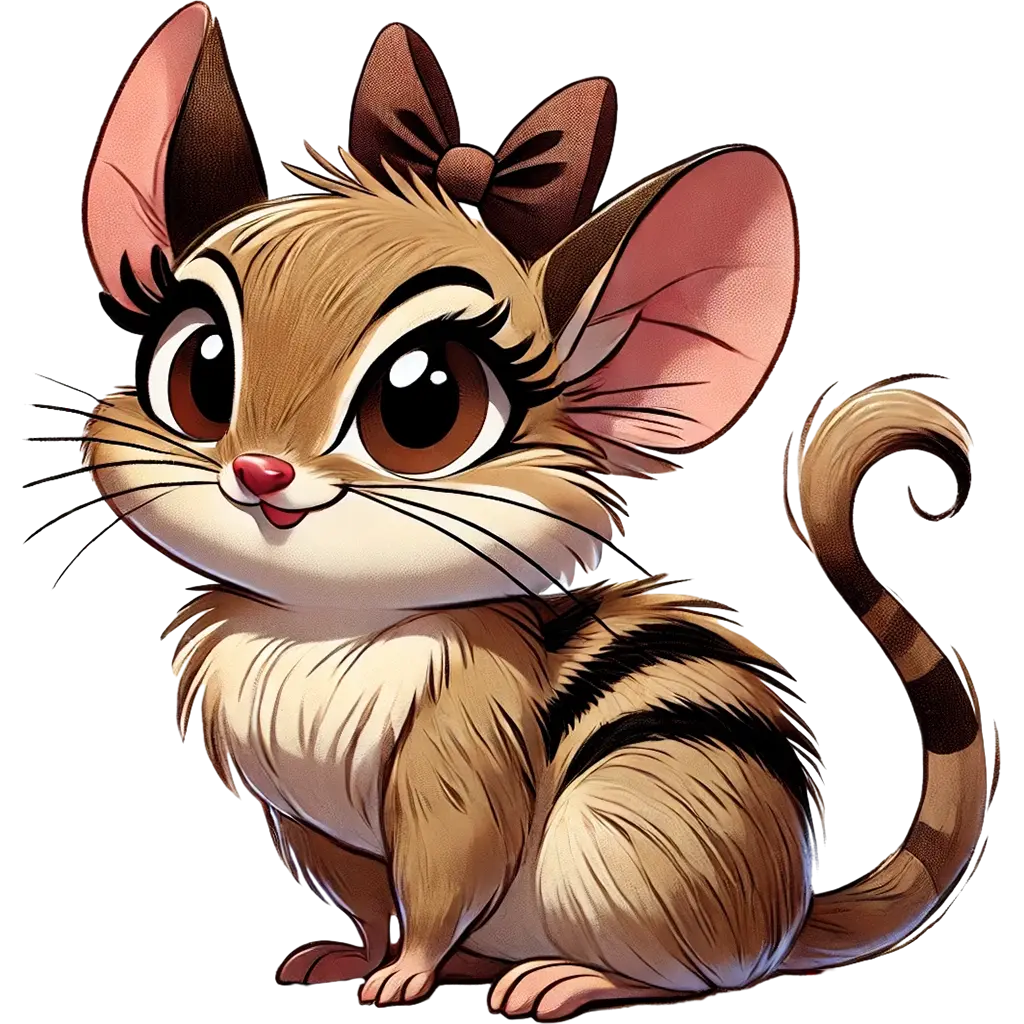
Williams's Jerboa
Fun Fact
Williams's Jerboa is a small rodent known for its impressive jumping ability, reaching distances up to 3 meters.
Found in the deserts of Central Asia, this nocturnal creature has a unique way of conserving energy. It uses its long tail for balance and its powerful hind legs for leaping. This adaptation helps it escape predators and travel quickly in search of food in its arid habitat.

Download word search puzzles
Word Search Puzzles

Check Out Other Mammals
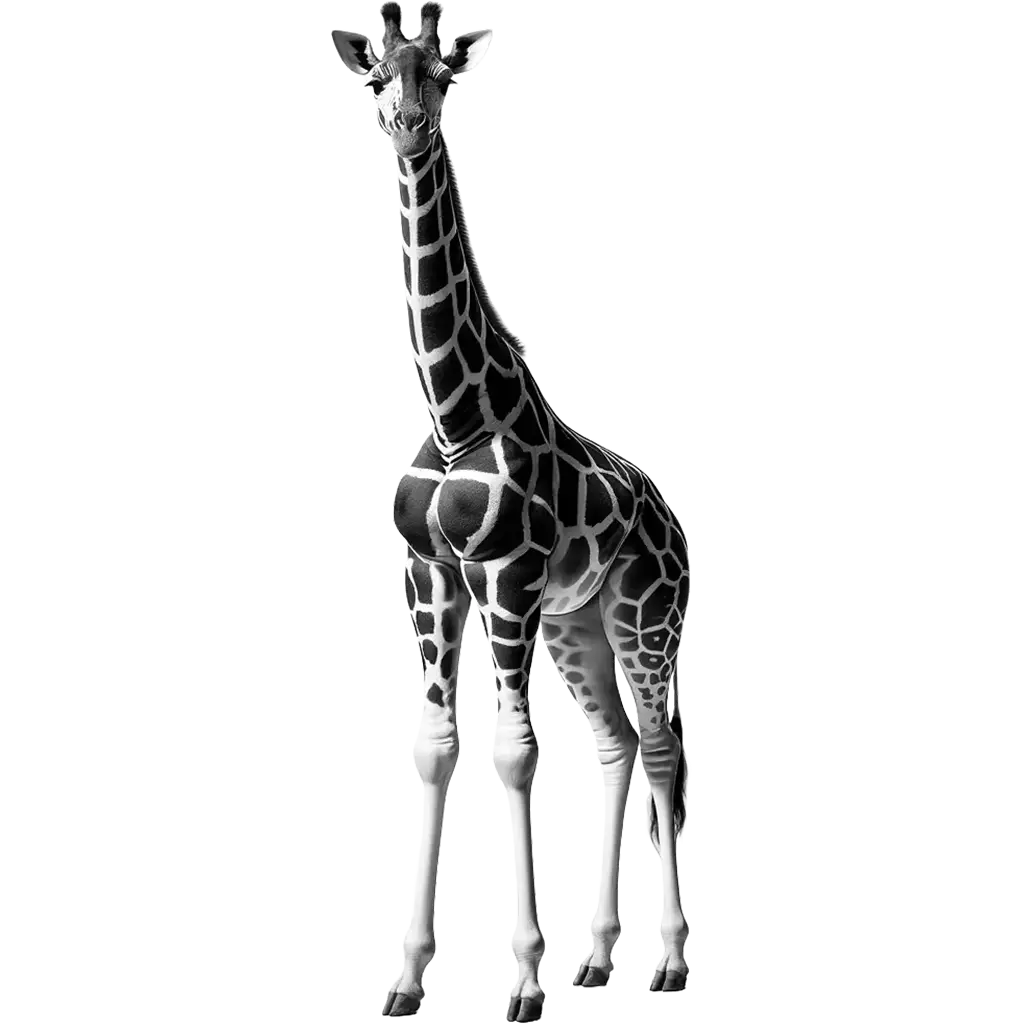
The Giraffe, giraffa camelopardalis, is the tallest land animal, with adult males capable of reaching heights up to 5.5 meters and females slightly shorter. Their most striking features include long necks, which comprise nearly half of their height, and distinctive coat patterns of brown patches separated by lighter lines, unique
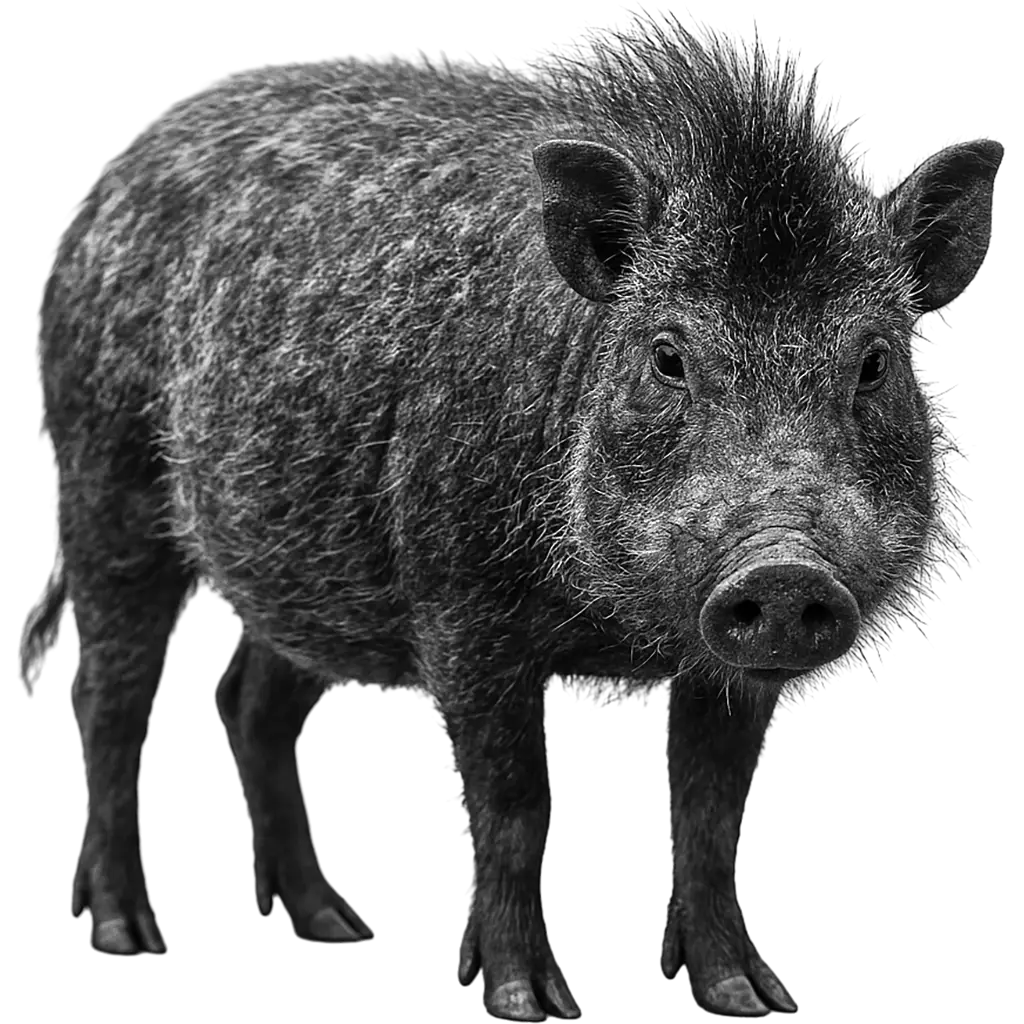
The Flores Warty Pig possesses a distinctive rugged appearance with pronounced warty facial features, a short snout, and curved tusks that give it a formidable look. Its robust body is covered in coarse, bristly hair ranging from dark brown to grey, perfectly camouflaged in forest understories. Compact and muscular, its

The Gray Slender Loris, loris lydekkerianus, is a small, nocturnal primate native to the forests and thickets of Sri Lanka and parts of India. This elusive creature is characterized by its slender body, large forward-facing eyes, and short, rounded ears, which are essential for its nocturnal lifestyle. It possesses a
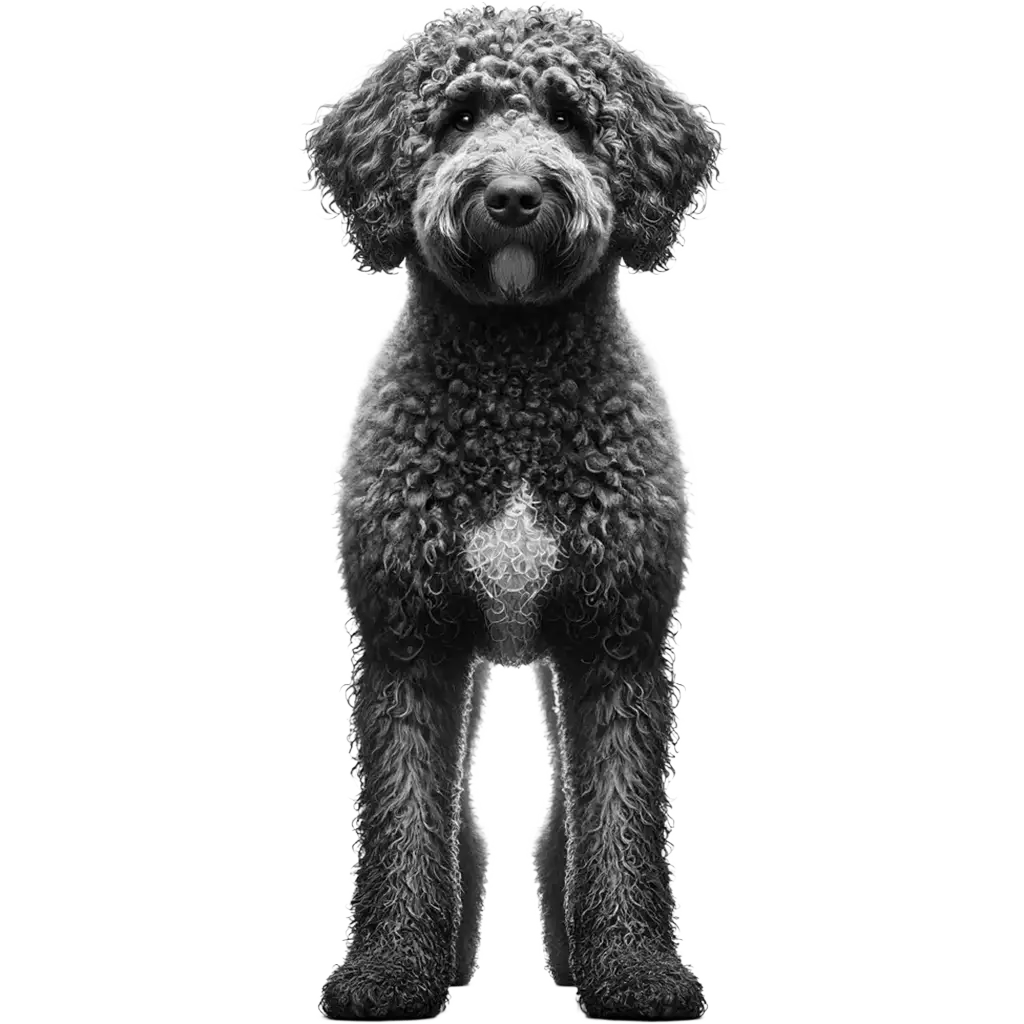
The Spanish Water Dog, a versatile and ancient breed, is known for its distinctive curly coat which is woolly in texture and forms tight curls. Originating from Spain, this medium-sized dog typically weighs between 18 to 22 kg for males and 14 to 18 kg for females, with a height