
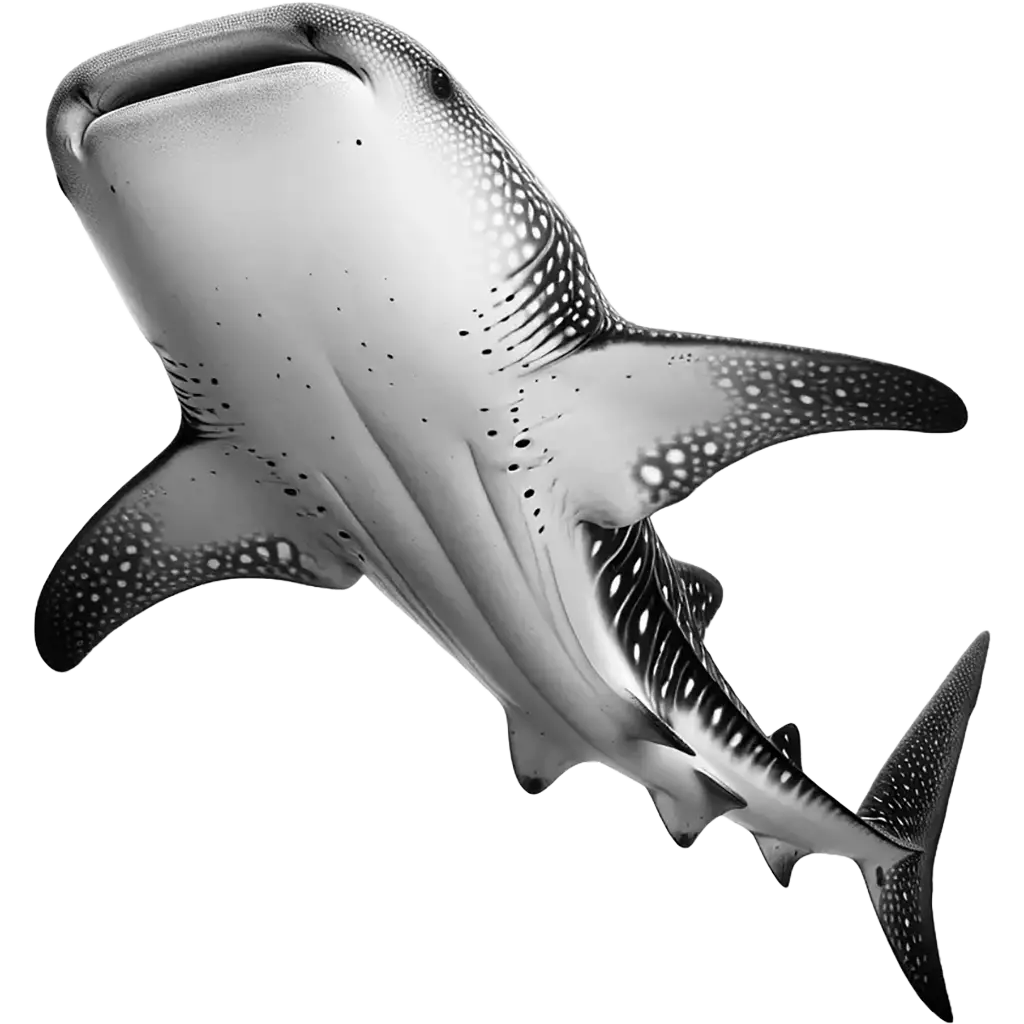
Rhincodon Typus
Whale Shark
Tropical and warm-temperate seas, often near coastal areas and oceanic islands
The Whale Shark, rhincodon typus, is the largest known fish species in existence, recognized for its gentle nature and massive size, with adults commonly reaching lengths of 12 to 18 meters. Characterized by its broad, flat head, wide mouth, and distinctive pattern of white spots and stripes on a dark blue-gray background, the Whale Shark's appearance is unmistakable. Despite their size, they are filter feeders, consuming small plankton, krill, fish eggs, and small fish by filtering vast quantities of water through their gills.
| Population: | Listed as Endangered due to threats from fisheries and marine habitat degradation |
| Generation Length: | 30 years |
| Average Weight: | 15-20 tons |
| Average Length: | 18-32 feet (5.5-10 meters), can grow up to 40 feet (12 meters) |
| Lifespan: | 70-100 years |
| Diet: | Primarily planktivorous, consuming microscopic and small organisms |
| Conservation Status: | Endangered (EN) |
Whale Sharks inhabit warm, tropical oceans worldwide, roaming vast distances to find food and participate in seasonal feeding aggregations. They are highly migratory, found in both coastal and open ocean environments, often near coral reefs, atolls, and deep sea mounts where plankton is abundant. Their gentle nature and slow-moving habits make them a popular attraction for eco-tourists and divers, especially in areas where they regularly aggregate.
The diet of the Whale Shark is primarily composed of plankton, including copepods, krill, fish eggs, and small nektonic life, such as small squids and fish. They feed by swimming with their mouth open, filtering their tiny prey through specialized gill rakers. This feeding behavior is crucial for nutrient cycling in the oceans, contributing to the health of marine ecosystems.
Reproduction in Whale Sharks remains largely a mystery, with very few observations in the wild. They are ovoviviparous, meaning the females give birth to live young that have hatched from eggs within the uterus. The only discovery of a pregnant female revealed that Whale Sharks can carry a large number of embryos - over 300 - indicating a potential for high reproductive output.
The population of Whale Sharks is considered endangered, facing threats from targeted fisheries, bycatch in nets, boat strikes, and impacts on their marine habitats from pollution and climate change. Conservation efforts include international agreements to protect them from fishing, marine protected areas, and research to understand their migratory patterns for better protection. Despite these efforts, much remains to be done to ensure the survival of this iconic marine giant.
Classifications
The Key Attributes
Features
- Movement:
Swimming, slow-moving
- Territorial Behavior:
Solitary, but often seen in feeding aggregations
- Speed:
Capable of long-distance migration, but generally swims slowly
- Diet:
Filter feeder
- Physical Features:
- Massive size and wide mouth used for filter feeding
- Distinctive pattern of white spots and stripes on a blue-gray background
- Flat head with a wide mouth and small eyes on the front of the head
- Large gills for filtering water
- Primary Senses:
- Sight
- Hearing
- Chemoreception
Understanding Habitat and Range
Geography
- Habitat:
Tropical and warm-temperate seas, often near coastal areas and oceanic islands
- Migration Patterns:
Long-distance migrations believed to be connected to food availability and possibly reproduction
- Geographical Range:
Global distribution in tropical and warm seas
- Climate Preferences:
Prefers warm water, often found in areas where surface water temperatures are above 21°C (70°F)
Navigating the Wilderness
In the wild
- Predators:
Very few natural predators due to size; juveniles may be preyed upon by larger marine species like sharks and orcas
- Prey:
Plankton, krill, small fish, and squid
- Feeding Behavior:
Feeds on plankton, small fish, and squid by filter feeding
- Diet:
Primarily planktivorous, consuming microscopic and small organisms
- Defensive Mechanisms:
- Immense size deters most potential predators
- Thick skin and large size provide protection
- Preferred Food Sources:
- Rich feeding grounds in coastal and open ocean areas with high concentrations of plankton
Insights Into Reproduction
Mating
- Mating System:
Not well understood, presumed polygynous
- Number of Offspring:
300-3000 tiny pups, born live
- Gestation Period:
Estimated at 10-12 months
- Parental Involvement:
- No parental care post-birth; pups are independent from birth
Youngsters Section
Whale Shark
Fun Fact
Whale sharks are the largest fish in the ocean, reaching lengths of up to 40 feet or more.
Despite their massive size, whale sharks are filter feeders. They primarily feed on plankton, tiny fish, and other small marine organisms. With their wide mouths, they can filter up to 6,000 liters of water every hour, capturing their tiny prey.

Download word search puzzles
Word Search Puzzles


Check Out Other Fish

The Pool Barb displays a slender, streamlined silver body with a subtle iridescent sheen. Its delicate fins and forked tail enhance its graceful form, while a pair of prominent, expressive eyes add to its attractive, uniform appearance. The overall look is simple yet striking, making it a familiar sight in
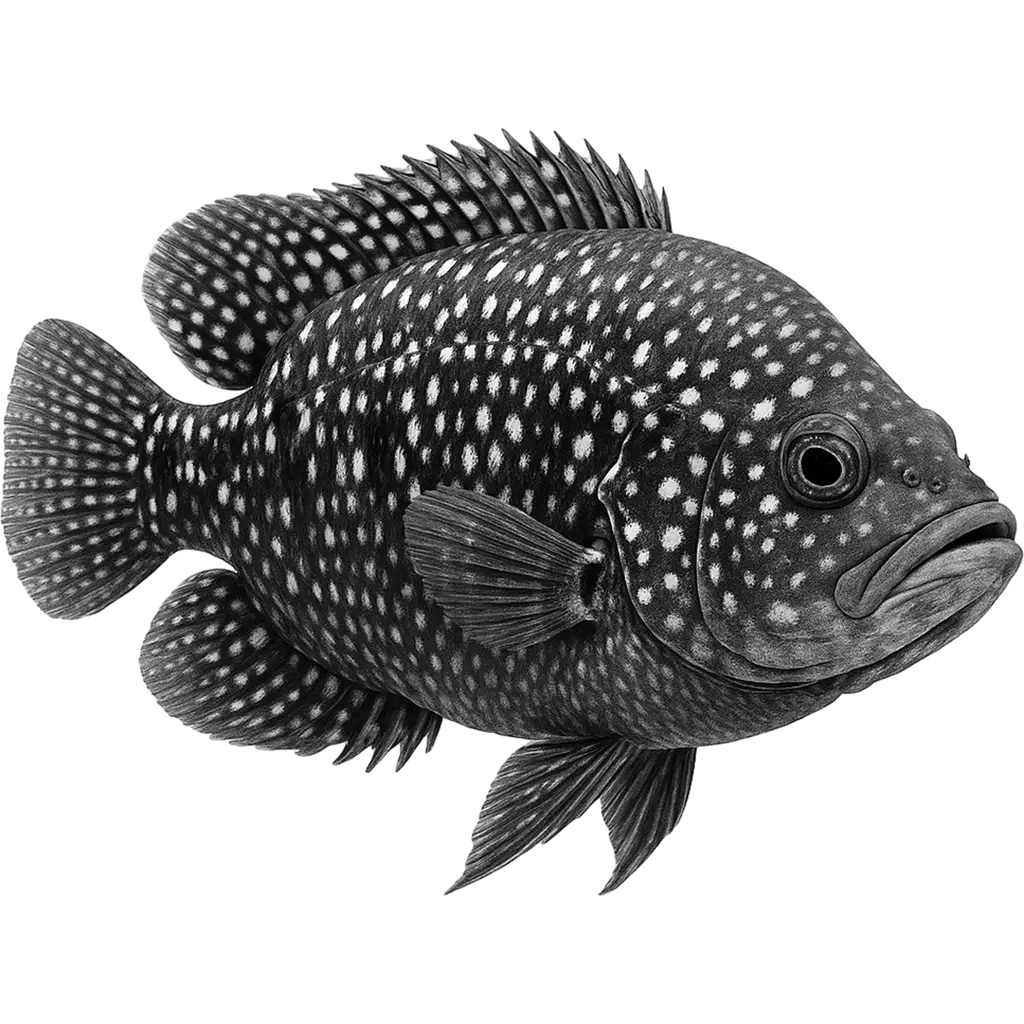
The Jack Dempsey is a robust, laterally compressed cichlid with a rounded body shape and strong muscular profile. Its base coloration ranges from dark olive-green to charcoal, adorned with iridescent blue, green, and gold flecks scattered along its sides and fins. Males often display brighter hues during breeding displays. The
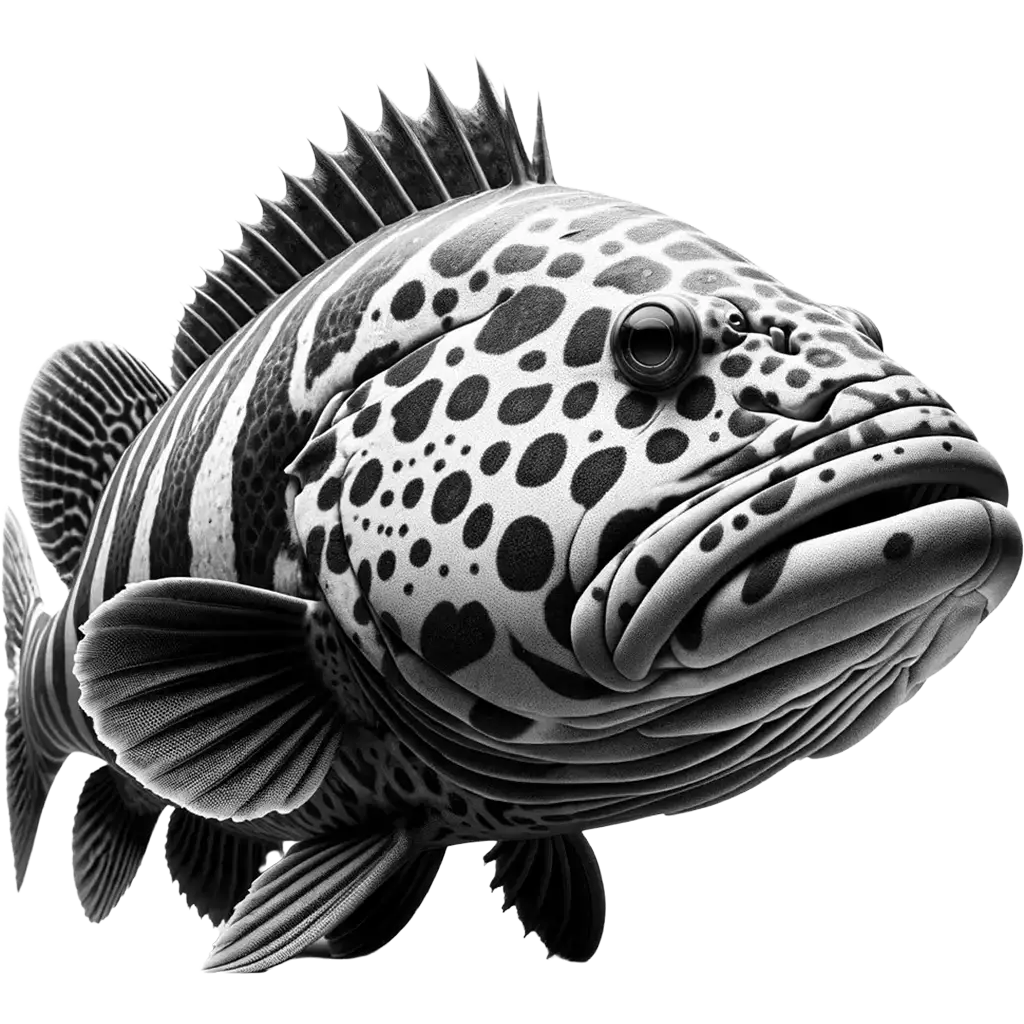
The Humpback Grouper, cromileptes altivelis, also known as the panther grouper or barramundi cod, is a distinctive species of marine fish, notable for its unique body shape and striking appearance. This species has a high, rounded profile that gives the adult fish a humpbacked appearance, from which its common name
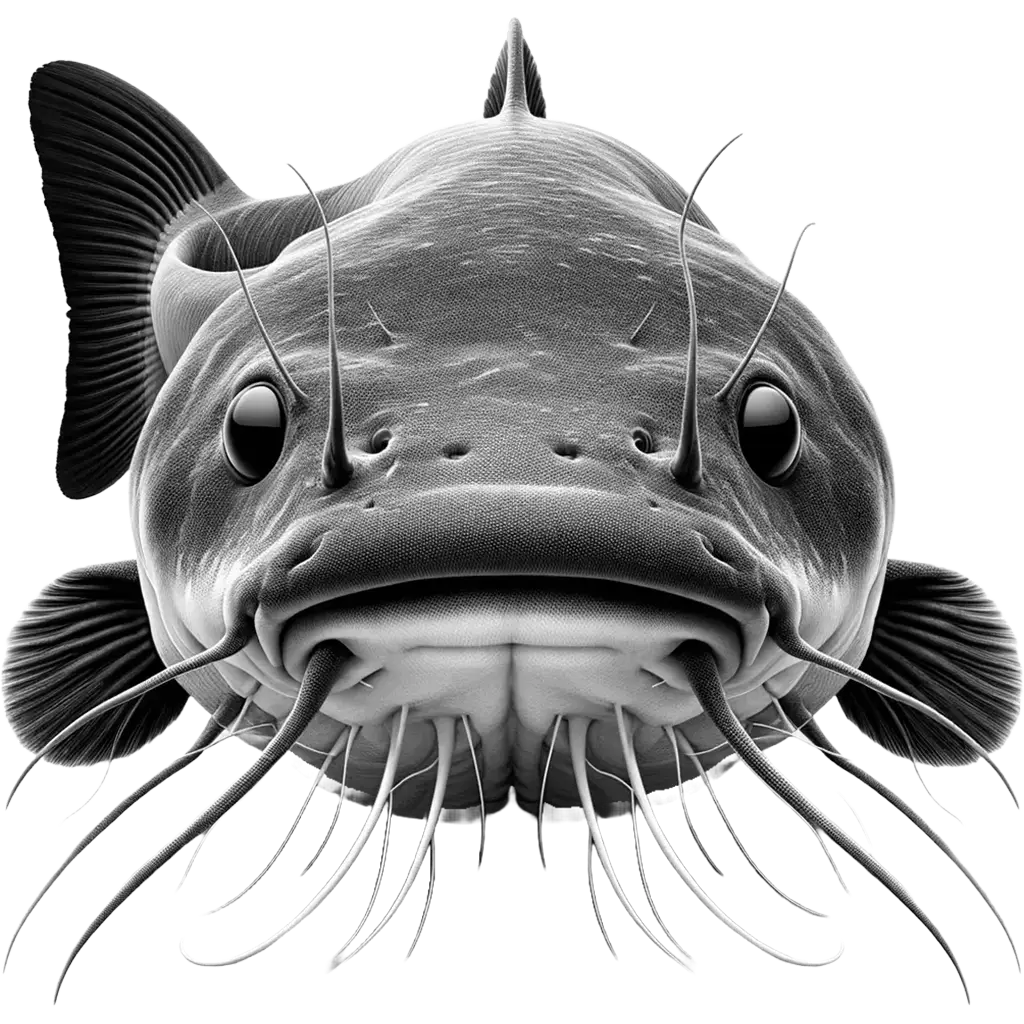
The Wels Catfish, silurus glanis, is one of the largest freshwater fish in Europe and parts of western Asia, renowned for its impressive size and predatory nature. Adult Wels Catfish can reach lengths of over 2 meters and weigh up to 150 kilograms, though most specimens are significantly smaller. They