
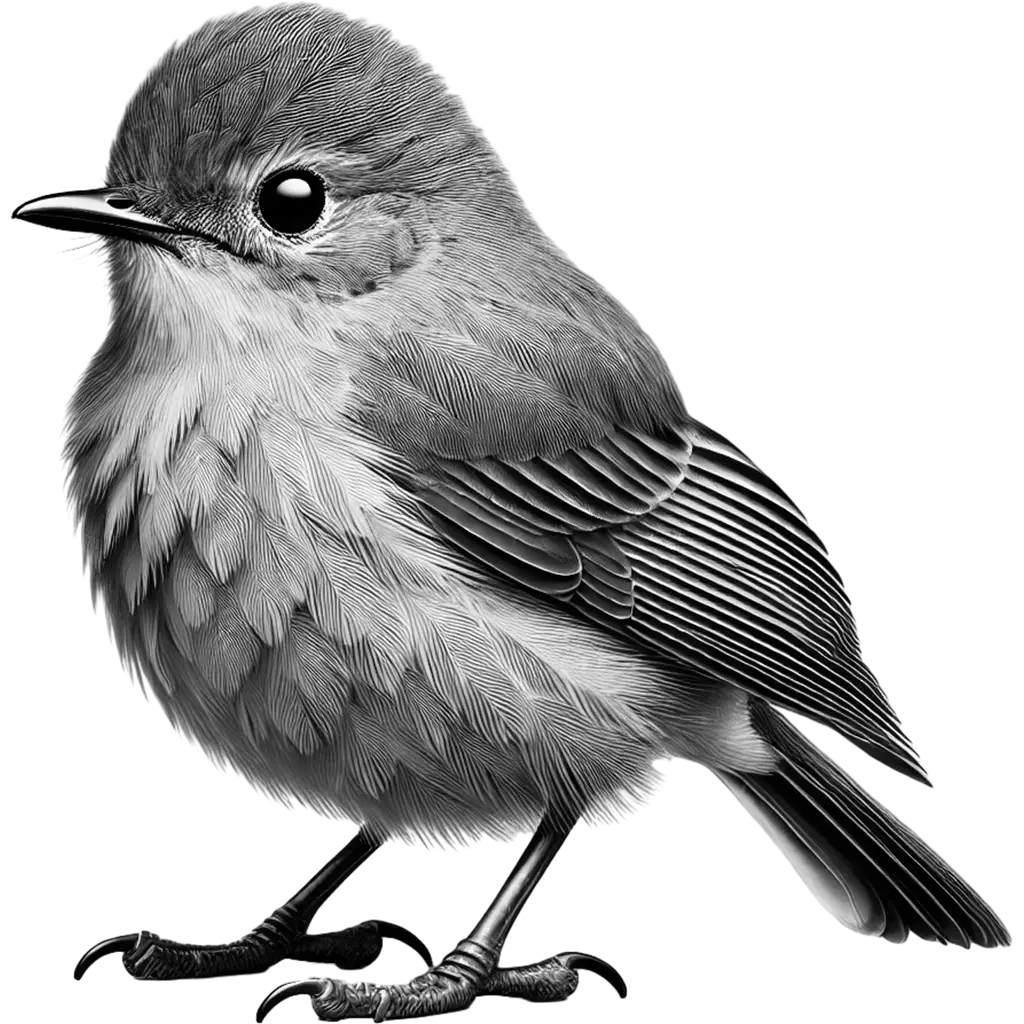
Arizelocichla Tephrolaema
Western Greenbul
Dense, humid tropical forests and secondary woodlands of West Africa
The Western Greenbul is a modest, unassuming bird distinguished by its olive-green upperparts, subtle grayish underparts, and a delicate, slender bill. Its plain head, soft muted plumage, and small, alert eyes enable it to blend naturally into its forest surroundings, lending it a quiet, unobtrusive elegance that is both functional and endearing in the wild.
| Population: | Populations are stable in undisturbed habitats but face threats from deforestation and habitat fragmentation |
| Generation Length: | 3.5 years |
| Average Weight: | Approximately 30-35 grams |
| Average Length: | Approximately 14-16 cm |
| Lifespan: | Approximately 3-5 years in the wild; up to 7 years in captivity |
| Diet: | Omnivorous |
| Conservation Status: | Least Concern (LC) |
Native to the dense, humid forests of West Africa, the Western Greenbul is highly active during the early morning and late afternoon. It flits agilely among low branches and understory vegetation, foraging in small groups or sometimes alone. Its constant, melodious calls help maintain loose social bonds within its habitat, while its movements are characterized by swift, darting flights and careful perching. This behavior is essential for evading predators and efficiently navigating the complex, layered environment of the tropical forest.
The Western Greenbul's diet is a balanced mix of small insects and a variety of fruits and berries, which provides the necessary proteins and sugars to fuel its active lifestyle. It uses its keen eyesight to spot insects on leaves and branches, while also selecting ripe, nutrient-rich fruits. This omnivorous feeding strategy supports both its own growth and the wider ecosystem by aiding in seed dispersal and controlling insect populations. Its efficient, rapid foraging ensures that it meets its high energy demands in a competitive habitat.
During the breeding season, Western Greenbuls engage in brief courtship displays marked by soft, melodious calls and subtle preening. Pairs typically form monogamous bonds, with the female laying a small clutch of eggs in a concealed nest. Both parents contribute to incubating the eggs and later feeding the hatchlings, ensuring the young quickly gain the skills necessary for survival in the dense forest.
While not globally threatened, the Western Greenbul's range is confined to specific forest patches in West Africa. Local populations are relatively stable in undisturbed habitats, but ongoing deforestation and habitat fragmentation pose serious risks. Conservation measures that protect and restore native forest cover are essential to secure the future of this modest yet ecologically important bird.
Classifications
The Key Attributes
Features
- Movement:
Flies with agile, fluttering maneuvers through the forest understory and mid-canopy.
- Territorial Behavior:
Generally non-territorial, though individuals may use soft calls to communicate within loose social groups.
- Speed:
Moderate, with bursts of rapid flight during foraging and escapes.
- Diet:
Omnivorous; primarily feeds on small insects and fruit, playing a role in seed dispersal.
- Physical Features:
- Olive-green upperparts with subtle grayish underparts
- Plain head with soft, muted plumage and small, alert eyes
- A slender, delicate bill and streamlined body suited for agile flight
- Primary Senses:
- Sight
- Hearing
Understanding Habitat and Range
Geography
- Habitat:
Dense, humid tropical forests and secondary woodlands of West Africa
- Migration Patterns:
Non-migratory; individuals remain within localized forest patches.
- Geographical Range:
Restricted to select regions of West Africa, where continuous forest cover supports its existence.
- Climate Preferences:
Tropical climates with high humidity and consistent rainfall.
Navigating the Wilderness
In the wild
- Predators:
Small raptors and arboreal snakes may prey on nestlings; adult greenbuls rely on stealth to avoid detection.
- Prey:
Small insects, caterpillars, and various berries and fruits.
- Feeding Behavior:
Forages actively among low branches and leaves; uses quick, darting flights to catch insects and pick fruit.
- Diet:
Omnivorous
- Defensive Mechanisms:
- Effective camouflage within dense foliage
- Quick, evasive flight to escape predators
- Preferred Food Sources:
- Insects, berries, and small fruits from native forest flora
Insights Into Reproduction
Mating
- Mating System:
Generally monogamous during the breeding season; pairs form briefly for courtship.
- Number of Offspring:
Typically 2-3 eggs per clutch.
- Incubation Period:
Eggs hatch after approximately 14-16 days.
- Parental Involvement:
- Both parents participate in feeding and protecting the chicks.
Youngsters Section
Western Greenbul
Fun Fact
The western greenbul is a lively, bright bird with a greenish-yellow body and a cheerful song that fills the air.
This bird loves to hop around in the trees, searching for fruits and insects to eat. With its vibrant feathers and energetic personality, the western greenbul is often seen flitting through the foliage, adding a pop of color to the forest. It's known for its sweet, whistling calls that echo through its habitat!

Download word search puzzles
Word Search Puzzles


Check Out Other Birds
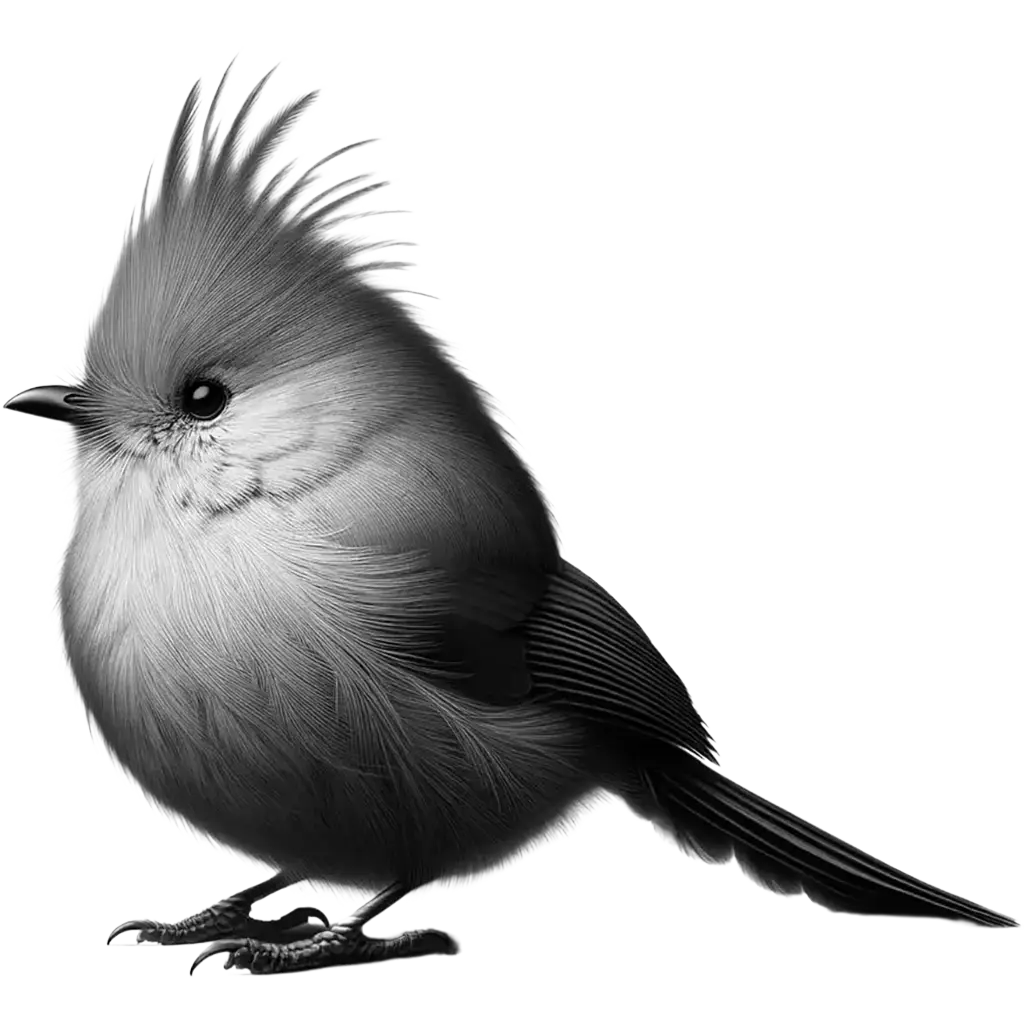
The Speckled Mousebird, colius striatus, is a distinctive bird species native to Sub-Saharan Africa, renowned for its long tail and soft, mouse-like plumage. Adults typically measure between 35 to 40 cm in length, more than half of which is comprised of the tail alone, making it one of the longest-tailed
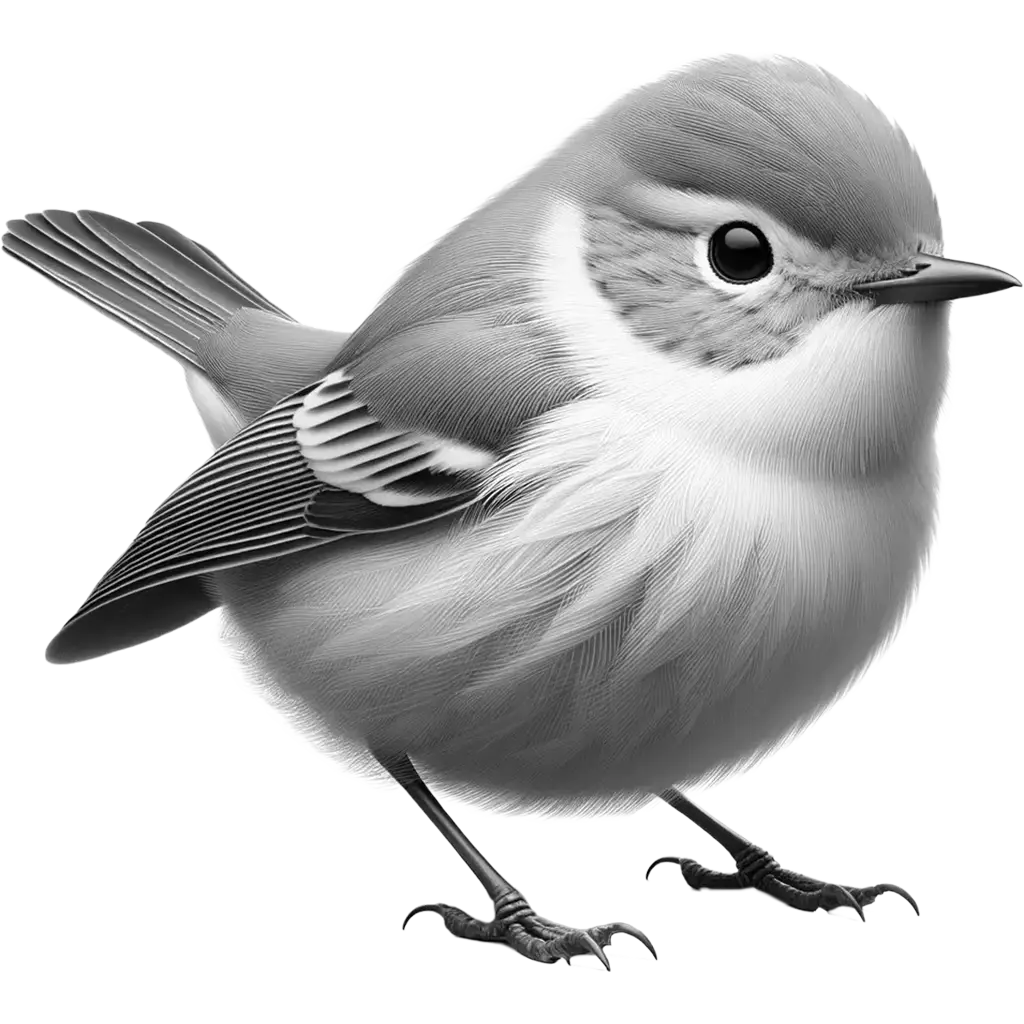
The Pink-Headed Warbler, cardellina versicolor, is a strikingly beautiful bird, notable for its vibrant pink head and chest that contrast sharply with its dark red body. This small bird, measuring approximately 13 to 14 cm in length, possesses a unique coloration among warblers, making it a sought-after species for birdwatchers.
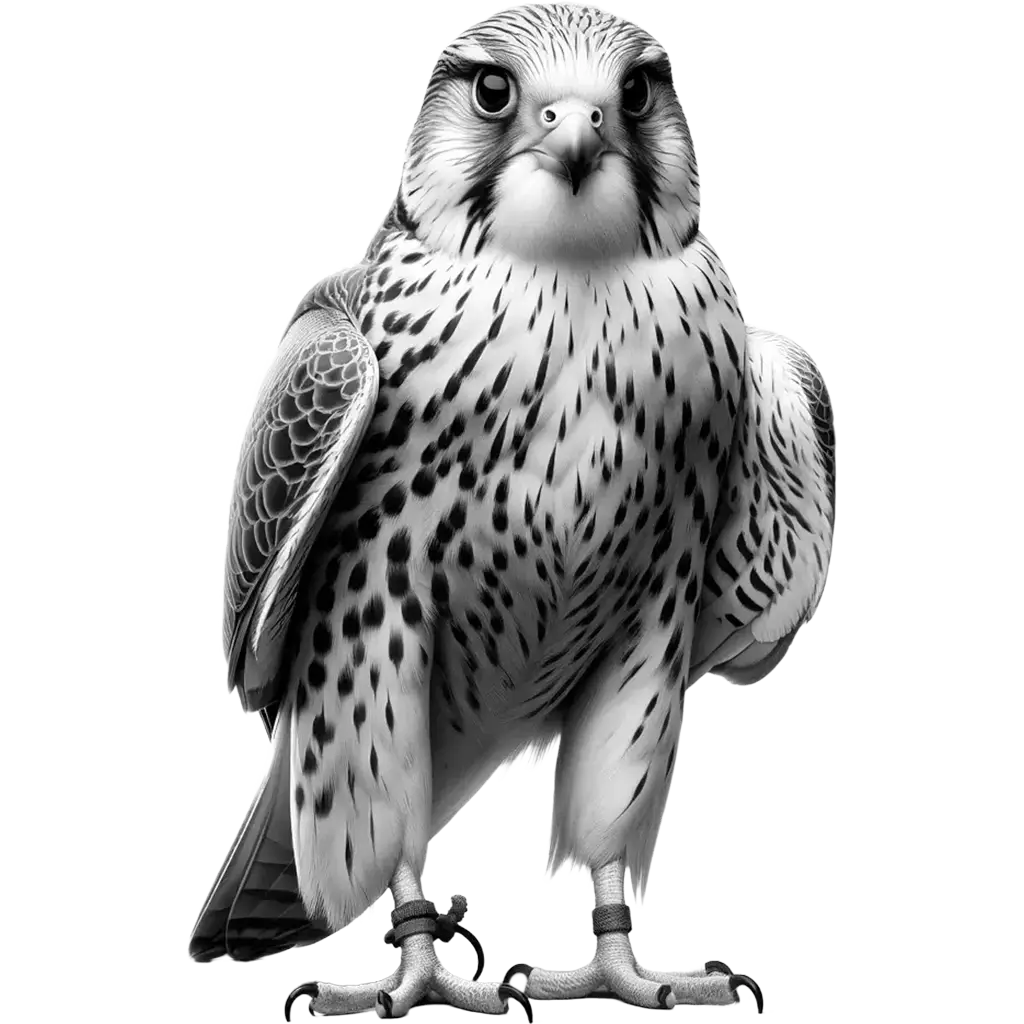
The Saker Falcon, falco cherrug, is a large, powerful bird of prey, renowned for its speed and agility in flight. It is one of the largest falcons, with adults typically measuring 47 to 55 cm in length and boasting a wingspan of 105 to 129 cm. The Saker Falcon's plumage
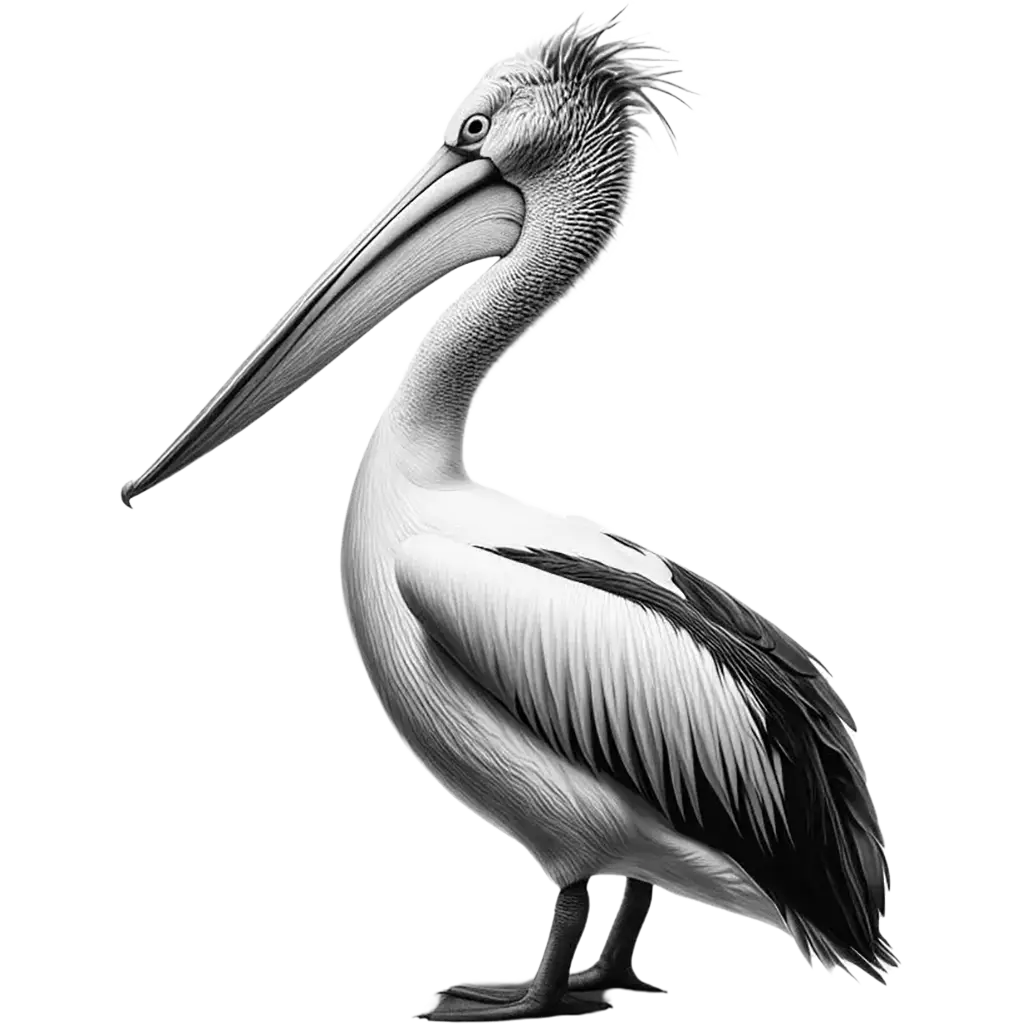
The Dalmatian Pelican, pelecanus crispus, stands as one of the largest freshwater bird species and is distinguished by its impressive wingspan, which can reach up to 3 meters, making it one of the world's largest flying birds. Adults typically weigh between 10 to 15 kilograms, with a notable feature being