

Microtus Oeconomus
Tundra Vole
Arctic tundra, subarctic meadows, and boreal forest edges
The Tundra Vole is a small, robust rodent with a compact body, short limbs, and dense, soft fur that typically displays a brownish-gray coloration with lighter underparts. Its rounded ears, small dark eyes, and very short tail contribute to its distinctly unassuming, yet endearing appearance. Its compact form and carefully evolved features allow it to blend naturally with its snowy surroundings.
| Population: | Common in Arctic tundra and subarctic regions; populations are cyclical with periodic outbreaks but are considered stable overall |
| Generation Length: | Approximately 1 year |
| Average Weight: | Approximately 20-40 grams |
| Average Length: | Approximately 10-12 cm (body) with a very short tail |
| Lifespan: | Approximately 1-2 years in the wild; possibly longer in captivity |
| Diet: | Herbivorous, primarily consuming grasses, sedges, and forbs |
| Conservation Status: | Least Concern (LC) |
Active primarily during the brief Arctic summer, the Tundra Vole is a social creature that inhabits open tundra and subarctic meadows. It is known for its extensive burrowing behavior, constructing complex networks of tunnels that provide shelter from predators and harsh weather. These voles are highly active at dawn and dusk, emerging to forage on the fresh vegetation that springs up during the short growing season. Their social structure is loosely organized, with individuals sometimes forming small colonies that share interconnected burrows. Despite their small size, they display remarkable agility and persistence in the challenging, cold environment, and their constant burrowing activity plays an important role in soil aeration and nutrient recycling across the landscape.
Tundra Voles primarily feed on a diet rich in fibrous grasses, sedges, and forbs, which provide essential nutrients and energy to sustain their active lifestyles. They use their strong incisors to clip tender shoots and roots, and their digestive systems are well-adapted to breaking down tough, fibrous plant material. During the brief summer, when plant growth is abundant, these voles gorge on fresh, nutrient-dense vegetation to build fat reserves for the upcoming winter. In addition to plant material, they occasionally consume seeds and berries, adding variety to their diet and aiding in seed dispersal. This balanced nutritional intake supports rapid growth and reproduction while ensuring energy for burrowing and evading predators.
During the breeding season, tundra voles engage in promiscuous mating behaviors, with both males and females often mating with multiple partners. Courtship is brief and occurs within their burrow networks, where females can produce several litters per year. The offspring are born relatively precocial, quickly developing the ability to forage and navigate the burrows under maternal care, with remarkable efficiency.
Tundra vole populations are known for their cyclical fluctuations, with periodic population booms during favorable conditions. In stable habitats, they maintain a consistent presence across the tundra, contributing significantly to the ecosystem's dynamics. Despite challenges such as predation and harsh winter conditions, overall numbers remain robust, ensuring their role as a keystone species in Arctic environments across vast regions effectively.
Classifications
The Key Attributes
Features
- Movement:
Quadrupedal and agile, the tundra vole scurries quickly across open tundra and burrows into the soil with ease.
- Territorial Behavior:
Generally non-territorial; often seen in groups during population booms with overlapping home ranges.
- Speed:
Capable of quick, erratic bursts over short distances to evade predators.
- Diet:
Herbivorous, feeding on a variety of grasses, sedges, and forbs available in its cold habitat.
- Physical Features:
- Small, robust body with dense, soft fur that provides insulation
- Short, sturdy legs and a very short tail
- Rounded ears and small, dark eyes
- Fur typically brownish-gray with lighter underparts
- Primary Senses:
- Sight
- Hearing
- Smell
Understanding Habitat and Range
Geography
- Habitat:
Arctic tundra, subarctic meadows, and boreal forest edges
- Migration Patterns:
Non-migratory; individuals disperse locally during population booms.
- Geographical Range:
Circumpolar distribution across northern regions of North America, Europe, and Asia.
- Climate Preferences:
Cold, tundra and subarctic climates with short, mild summers and long, harsh winters.
Navigating the Wilderness
In the wild
- Predators:
Foxes, birds of prey, weasels, and other carnivorous mammals often prey on tundra voles.
- Prey:
Not applicable; feeds exclusively on plant material.
- Feeding Behavior:
Forages on the ground in groups; digs shallow burrows for shelter and to access roots and seeds.
- Diet:
Herbivorous, primarily consuming grasses, sedges, and forbs
- Defensive Mechanisms:
- Burrowing rapidly to escape predators
- Exhibiting erratic, zigzag running patterns to confuse attackers
- Preferred Food Sources:
- Grasses
- Sedges
- Forbs
Insights Into Reproduction
Mating
- Mating System:
Polygynous with promiscuous mating; they breed seasonally when vegetation is at its peak.
- Number of Offspring:
Typically 4-6 young per litter, with the potential for multiple litters during favorable conditions.
- Incubation Period:
Gestation lasts about 21-23 days.
- Parental Involvement:
- Females care for the young in underground burrows; males do not participate in rearing.
Youngsters Section
Tundra Vole
Fun Fact
The tundra vole is a small, round-bodied rodent with soft fur and big, dark eyes, making it look extra adorable!
These voles live in cold, grassy areas and are great at digging burrows to stay warm. They're quick and agile, often seen nibbling on plants or scurrying around to collect food. Despite their small size, tundra voles are important in their environment, providing food for predators and helping to maintain the balance of nature!

Download word search puzzles
Word Search Puzzles


Check Out Other Mammals

The Alpaca, lama pacos, is a domesticated species of South American camelid, closely related to the llama. Alpacas are renowned for their soft, luxurious fleece, which comes in a variety of shades, including white, black, brown, and gray, allowing for over 22 recognized colors in total. Standing at an average

The White-Footed Sportive Lemur, lepilemur leucopus, is a small, nocturnal primate endemic to the dry forests of southern Madagascar. Adults typically weigh between 600 to 700 grams and measure around 27 to 28 cm in length, not including their bushy tails which add an additional 25 to 26 cm. This

The Tamaraw, bubalus mindorensis, is a small, critically endangered buffalo species indigenous to the island of Mindoro in the Philippines. Adults stand about 1 to 1.2 meters at the shoulder, making them significantly smaller than the closely related water buffalo. They have a stocky build, with short, V-shaped horns that
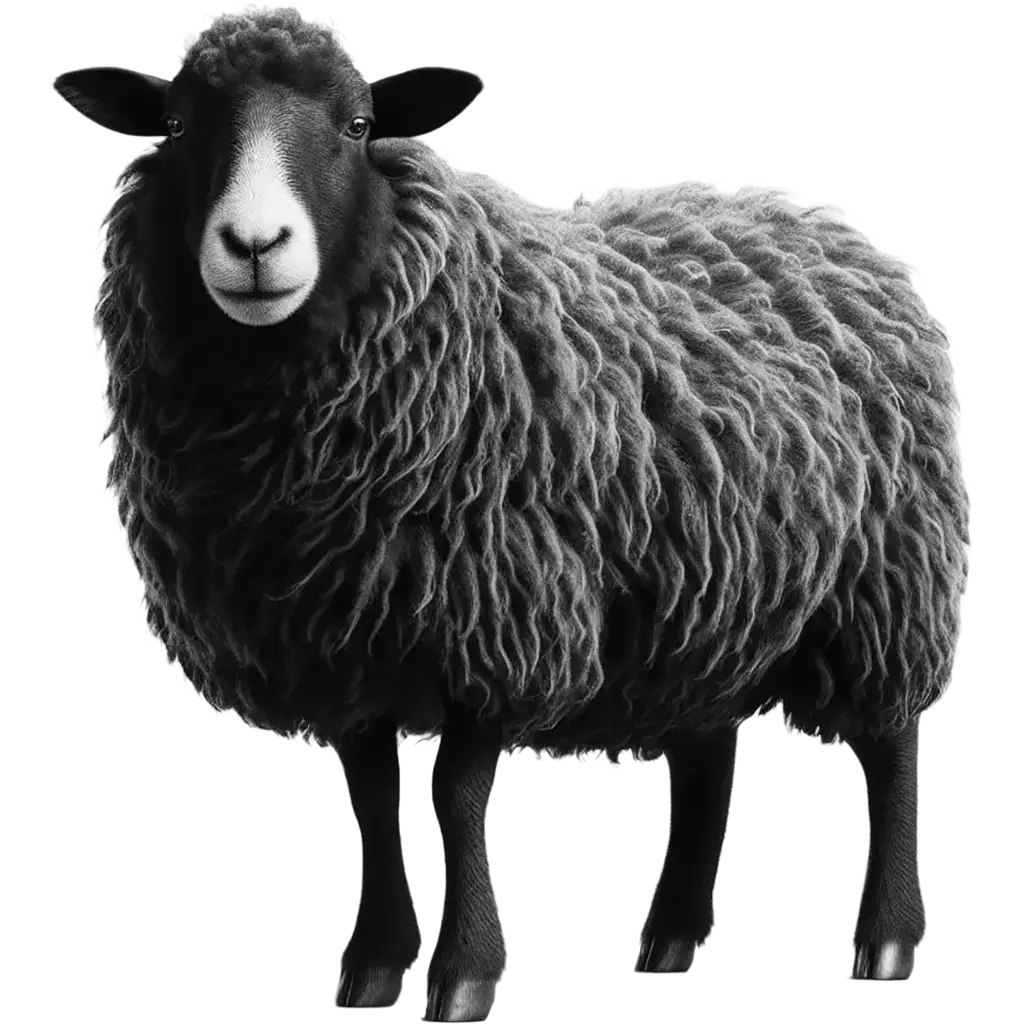
The Leicester Longwool, also known as the English leicester, is a historic breed of sheep renowned for its long, lustrous wool and its significant impact on the wool industry. Originating from Leicestershire, England, in the 18th century, this breed was developed by the pioneering breeder Robert Bakewell during the British