
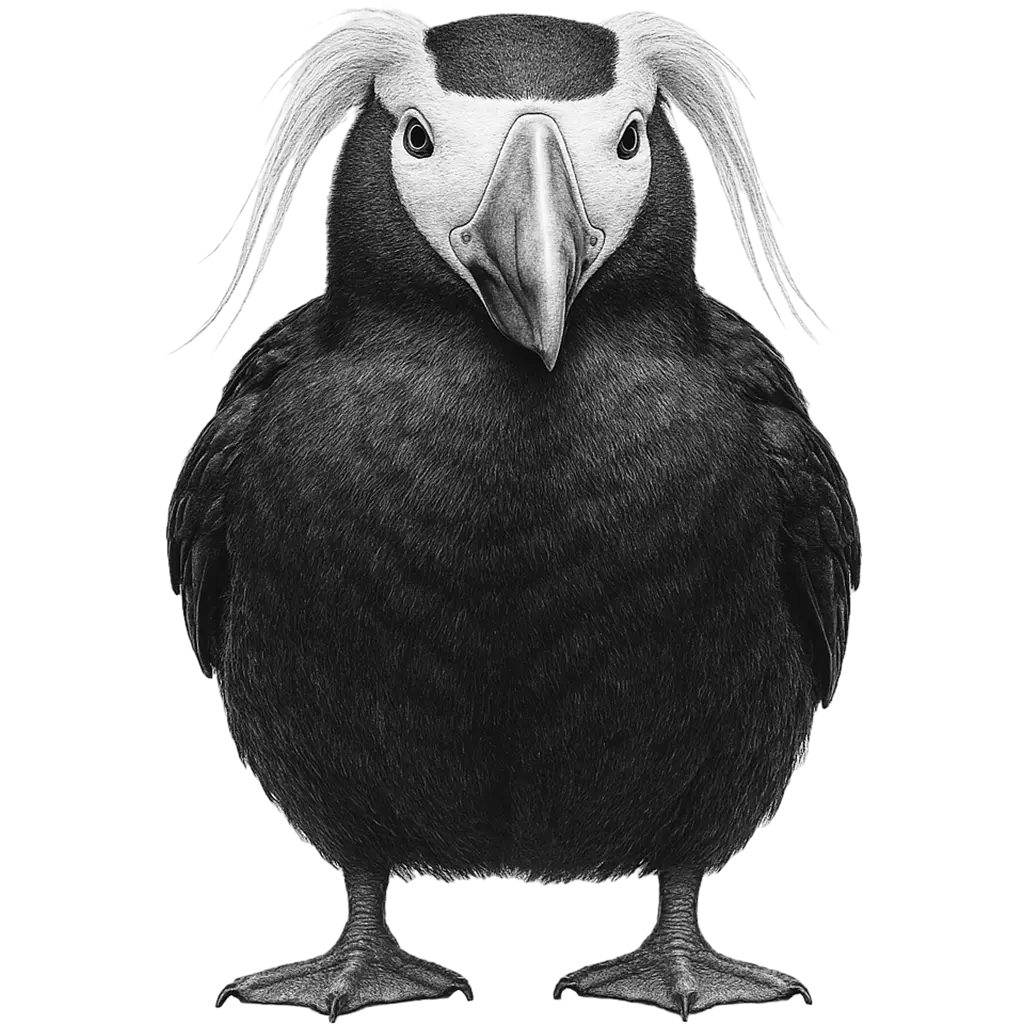
Fratercula Cirrhata
Tufted Puffin
Pelagic waters and coastal cliffs
The Tufted Puffin is a striking seabird distinguished by glossy black plumage covering its body contrasted by a bright white facial mask. It measures between thirty-five and forty centimeters in length, with a robust, triangular red and yellow bill that broadens at the tip. Prominent golden-yellow tufts extend backward from each eye during the breeding season, forming elegant plumes. Its eyes are ringed in red, and its legs and webbed feet are vivid orange, completing its bold, carnival-like appearance.
| Population: | Estimated 3.5 million individuals globally; population trend stable |
| Generation Length: | 8 years |
| Average Weight: | 520-1,000 grams |
| Average Length: | 35-40 cm |
| Lifespan: | Up to 20 years in the wild |
| Diet: | Fish and marine invertebrates captured by diving and wing-driven propulsion |
| Conservation Status: | Least Concern (LC) |
Tufted Puffins spend most of their lives at sea, foraging singly or in loose flocks in the North Pacific Ocean. They dive from the surface at depths up to thirty meters, using powerful wing strokes to chase fish underwater. These birds roost on remote, steep-sided islands and coastal cliffs, nesting in burrows dug into soft soil or rock crevices. Outside the breeding season, they remain pelagic, returning to shore only to moult and breed. Tufted Puffins are skilled flyers, using rapid wing beats and gliding between dives, and they can travel hundreds of kilometers between feeding grounds. While at sea, they are largely silent, but in colonies they produce low growls and soft cooing calls. Juveniles remain offshore for up to three years before reaching sexual maturity.
Tufted Puffins feed primarily on small schooling fish such as sandlance, anchovies, and herring, supplemented by squid and crustaceans. They capture prey by diving feet-first and propelling themselves underwater with their wings, then grasp fish in their strong bills. Puffins may carry multiple fish crosswise in their bills on each trip, maximizing provisioning efficiency for their chicks. Their diet provides high levels of protein and lipids essential for energetic flight and insulation in cold waters. Nutrient-rich squid and crustaceans supply vital minerals and fatty acids. Adults consume an estimated ten to fifteen percent of their body weight daily during the breeding season. Seasonal and regional variations in prey availability lead to dietary shifts, with puffins foraging farther offshore when coastal prey are scarce. Effective foraging strategies support chick growth and adult survival in dynamic marine environments.
Tufted Puffins are monogamous and establish long-term pair bonds, returning to the same island colonies each year. Courtship includes sky-pointing displays, where both birds stretch their necks upward with bills pointed skyward, as well as strutting and billing rituals at nest entrances. Pairs excavate burrows or use crevices lined with grass and feathers. After laying a single egg in June, both parents share incubation duties for approximately forty-five days.
Tufted Puffin populations are broadly distributed across the North Pacific, from California to Japan, with an estimated 3.5 million individuals. Population trends are generally stable, though some colonies decline due to predation by invasive foxes and raptors, oil spills, and climate-driven shifts in prey abundance. Conservation measures include predator control on nesting islands and habitat protection. Continued monitoring of colony sizes and breeding success informs management to maintain these vibrant seabird populations.
Classifications
The Key Attributes
Features
- Movement:
Flight and diving
- Territorial Behavior:
Colonial nesting
- Speed:
Moderate
- Diet:
Carnivore
- Physical Features:
- Glossy black body plumage
- Bright white facial mask
- Robust red and yellow bill
- Long yellow tufts during breeding
- Orange webbed feet
- Primary Senses:
- Sight
- Hearing
- Touch
Understanding Habitat and Range
Geography
- Habitat:
Pelagic waters and coastal cliffs
- Migration Patterns:
Seasonal movements
- Geographical Range:
North Pacific, from California to Japan and Kamchatka
- Climate Preferences:
Tropical to subarctic
Navigating the Wilderness
In the wild
- Predators:
Eagles, gulls, foxes
- Prey:
Fish and marine invertebrates
- Feeding Behavior:
Wing-propelled diving
- Diet:
Fish and marine invertebrates captured by diving and wing-driven propulsion
- Defensive Mechanisms:
- Camouflage against cliffs
- Rapid diving escapes
- Colony mobbing
- Preferred Food Sources:
- Sandlance
- Anchovies
- Herring
- Squid
- Crabs
Insights Into Reproduction
Mating
- Mating System:
Monogamous
- Number of Offspring:
Single egg per season
- Incubation Period:
Approximately 45 days
- Parental Involvement:
- Both parents incubate egg
- Both parents feed chick
Youngsters Section
Tufted Puffin
Fun Fact
Tufted Puffins use their wings as flippers to 'fly' underwater when hunting.
They can carry several fish crosswise in their bills, holding up to twenty small fish at once, and often return to sea between feeding trips to avoid predation near colonies. Juveniles remain at sea for up to three years before returning to breed.

Download word search puzzles
Word Search Puzzles


Check Out Other Birds
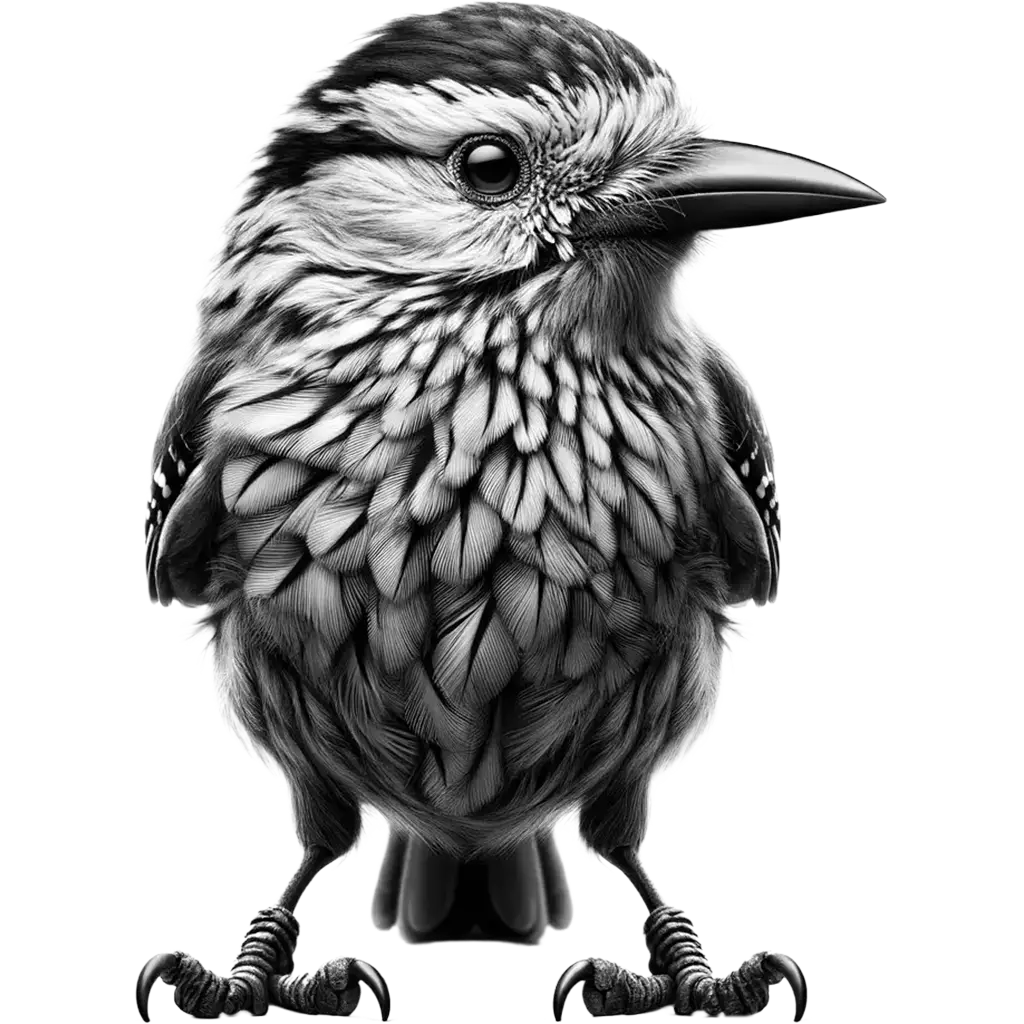
The Spotted Nutcracker, nucifraga caryocatactes, is a robust bird species belonging to the crow family, Corvidae, known for its distinctive spotted plumage and strong bill. Adults typically measure about 32 to 38 cm in length, with a wingspan of approximately 49 to 53 cm. Their plumage is primarily chocolate brown,
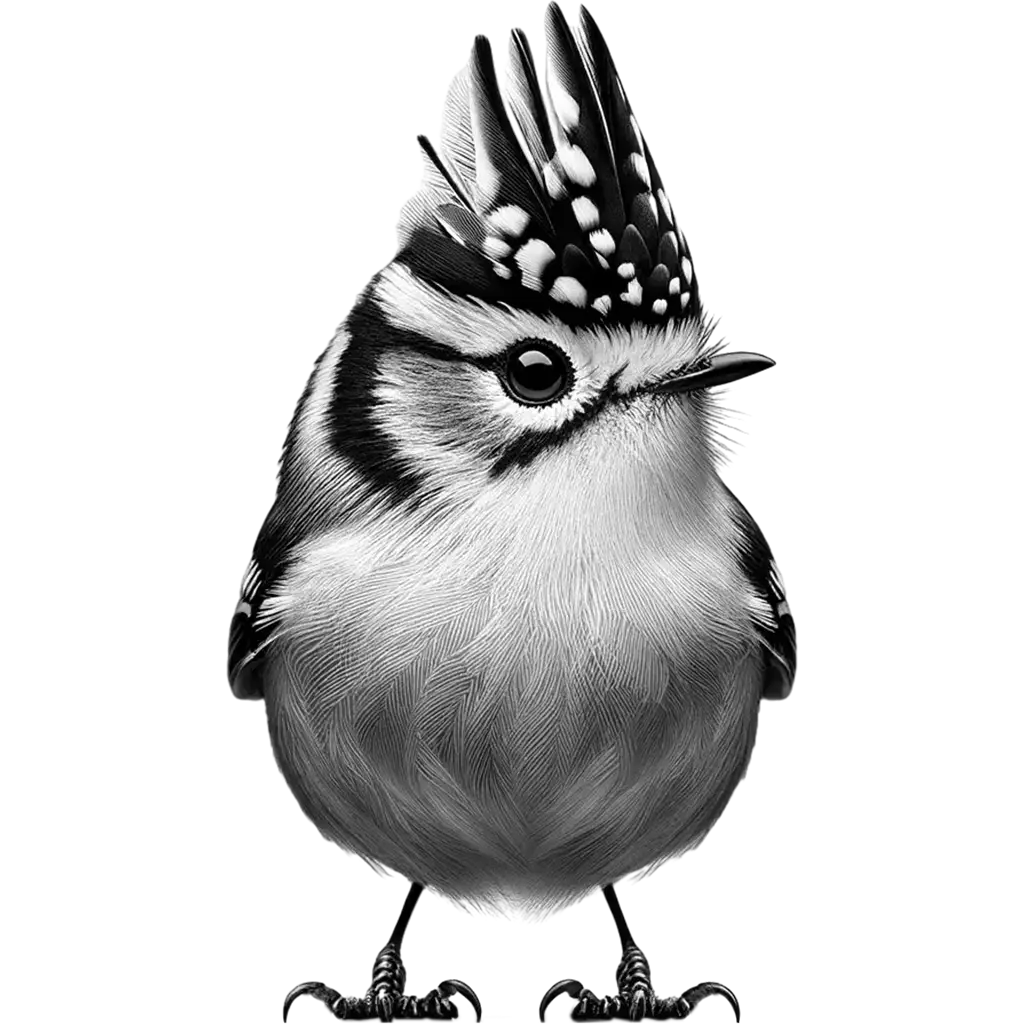
The Flamecrest, regulus goodfellowi, also known as the Taiwan Firecrest, is a tiny, vibrant bird species endemic to the high-altitude forests of Taiwan. This bird is particularly notable for its striking appearance, characterized by a bright orange-red crest on its head, set against a backdrop of olive-green and grey plumage.
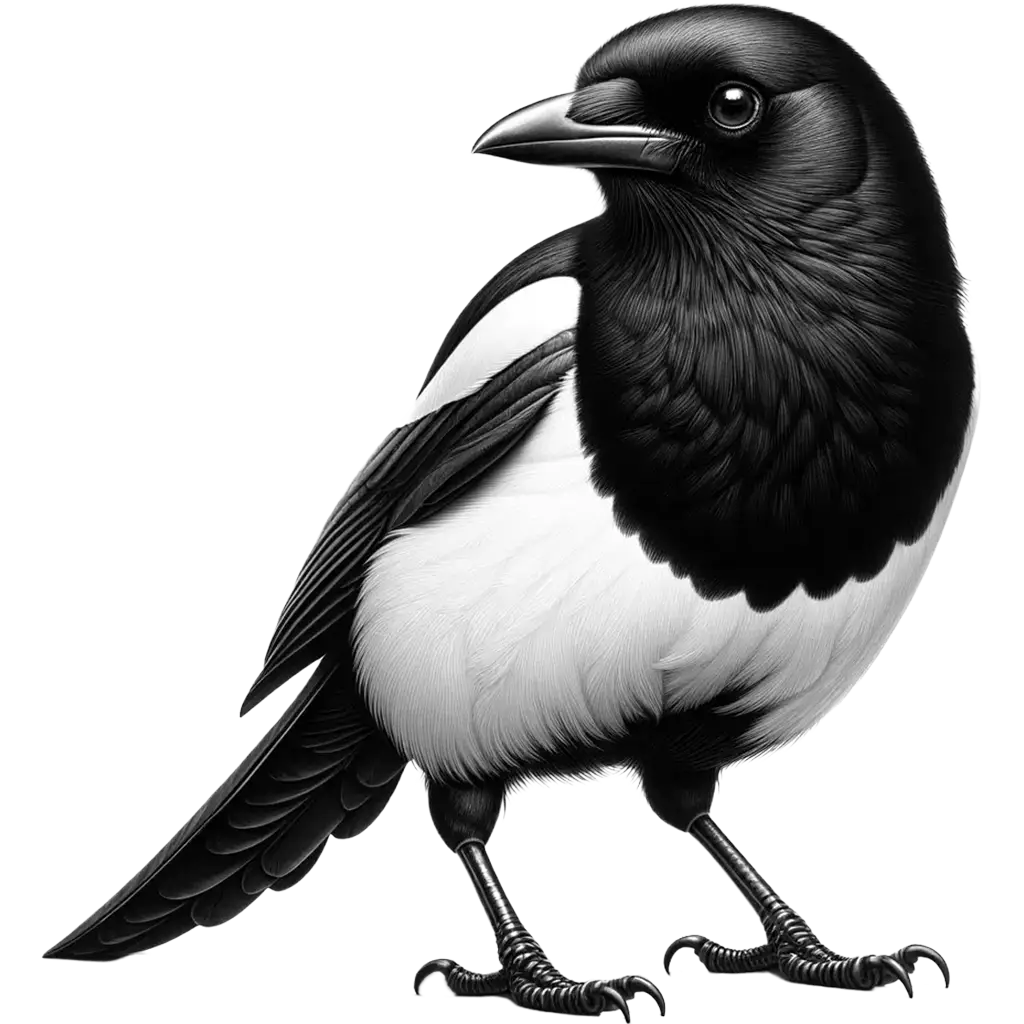
The Magpie Mannikin, spermestes fringilloides, is a small, strikingly patterned bird native to the subtropical and tropical regions of eastern Africa. This species exhibits a distinctive black and white plumage, with a glossy black head, chest, and upperparts contrasted by white underparts and flanks. Measuring approximately 10 to 11 cm
The Speckled Mousebird, colius striatus, is a distinctive bird species native to Sub-Saharan Africa, renowned for its long tail and soft, mouse-like plumage. Adults typically measure between 35 to 40 cm in length, more than half of which is comprised of the tail alone, making it one of the longest-tailed