

Aphrastura Spinicauda
Thorn-Tailed Rayadito
Temperate forests, especially in dense underbrush and bamboo thickets
The Thorn-Tailed Rayadito, aphrastura spinicauda, is a small and agile bird native to the temperate forests of southern South America, particularly in Chile and Argentina. This species is easily recognizable by its distinctive tail, which ends in sharp, spine-like feathers, and its robust, rounded body measuring approximately 15 to 16 cm in length. The rayadito's plumage is primarily brown and gray with lighter underparts, and it features a striking face pattern with a white supercilium and dark malar stripes. Its small size and active foraging behavior make it a delight to observe for birdwatchers.
| Population: | Listed as Least Concern, with stable populations |
| Generation Length: | 2-3 years |
| Average Weight: | 7-11 grams |
| Average Length: | 14-16 cm, including the tail |
| Lifespan: | Estimated 5-6 years in the wild |
| Diet: | Insectivorous, gleaning prey from leaves, bark, and underbrush |
| Conservation Status: | Least Concern (LC) |
Inhabiting dense forest environments, the Thorn-Tailed Rayadito is adept at maneuvering through thick foliage and underbrush, where it searches for insects and other small invertebrates. The bird is often found in pairs or small family groups and is known for its loud, trilling calls and songs that resonate through its forest habitat. It shows a strong preference for old-growth forests, where it nests in tree cavities or builds elaborate nests attached to tree branches.
The diet of the Thorn-Tailed Rayadito consists mainly of insects, spiders, and small invertebrates, which it gleans from bark, leaves, and twigs. During the breeding season, it may also feed on seeds and plant material. This varied diet allows it to thrive in its forested habitat, playing a role in controlling insect populations.
Reproduction for the Thorn-Tailed Rayadito involves monogamous pairs that work together to construct their unique nests. The nests are dome-shaped, made from moss, lichen, and spider webs, and feature a side entrance. Females lay 3 to 5 eggs per clutch, which are incubated for about two weeks. Both parents participate in feeding the chicks, which fledge approximately three weeks after hatching.
The population of the Thorn-Tailed Rayadito is currently considered stable, though habitat loss and degradation pose potential threats to some populations. Conservation efforts focus on preserving the old-growth forests that are crucial for the species' nesting and foraging. The Thorn-Tailed Rayadito's dependence on these habitats highlights the importance of forest conservation in maintaining biodiversity in southern South America.
Classifications
The Key Attributes
Features
- Movement:
Flying, hopping
- Territorial Behavior:
Territorial during breeding season
- Speed:
Agile in flight, quick in underbrush
- Diet:
Insectivore
- Physical Features:
- Small size with a notably long, thorn-like tail
- Brown and rufous plumage with some grey and white
- Sharp beak adapted for insect hunting
- Sturdy legs for hopping and clinging to vertical surfaces
- Primary Senses:
- Sight
- Hearing
Understanding Habitat and Range
Geography
- Habitat:
Temperate forests, especially in dense underbrush and bamboo thickets
- Migration Patterns:
Resident, with limited local movements
- Geographical Range:
Southern Chile and southwestern Argentina
- Climate Preferences:
Prefers temperate forest environments
Navigating the Wilderness
In the wild
- Predators:
Small mammals, birds of prey, and snakes
- Prey:
Insects, spiders, and other small arthropods
- Feeding Behavior:
Feeds primarily on insects, spiders, and small invertebrates
- Diet:
Insectivorous, gleaning prey from leaves, bark, and underbrush
- Defensive Mechanisms:
- Camouflage in the forest underbrush
- Quick movements to evade predators
- Use of dense habitats for protection
- Preferred Food Sources:
- Forests rich in insect life and dense underbrush for cover
Insights Into Reproduction
Mating
- Mating System:
Monogamous
- Number of Offspring:
3-5 eggs
- Incubation Period:
About 14-16 days
- Parental Involvement:
- Both parents participate in nesting, incubation, and feeding of the young
Youngsters Section
Thorn-Tailed Rayadito
Fun Fact
The Thorn-Tailed Rayadito is a small bird found primarily in the temperate forests of southern South America.
This bird is known for its distinctive thorn-like tail feathers, which help it balance on branches as it forages. The Rayadito is an active feeder, often seen moving quickly as it searches for insects and spiders among the trees. Its adaptability to various forest habitats makes it an interesting species for ornithologists.

Download word search puzzles
Word Search Puzzles


Check Out Other Birds

The Great Spotted Cuckoo, clamator glandarius, is a distinctive bird known for its striking appearance and brood parasitism behavior. Adults typically measure 35 to 40 cm in length, making them one of the larger species within the cuckoo family. They boast a predominantly grey body, with a long, dark tail
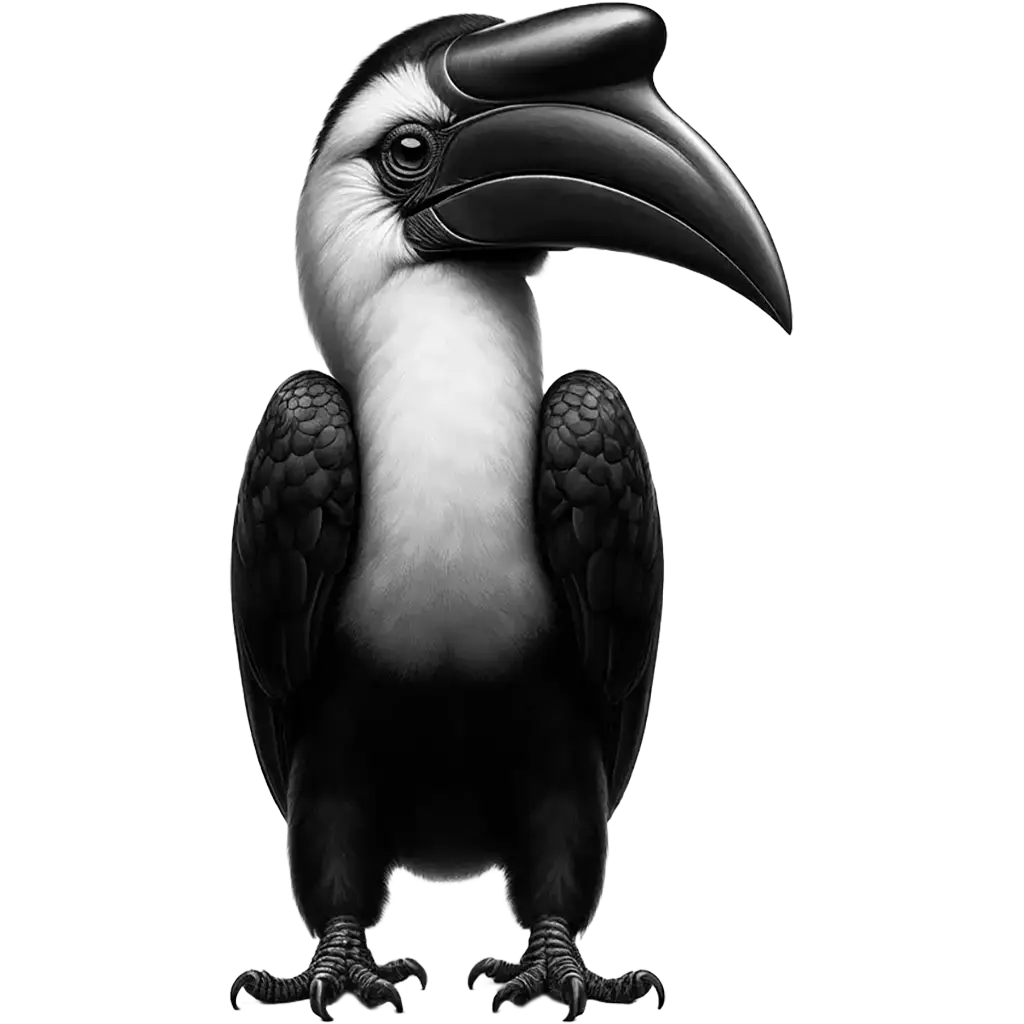
The Helmeted Hornbill, rhinoplax vigil, is a large, distinctive bird found in the rainforests of Southeast Asia, from Thailand and Malaysia to Borneo and Sumatra. This remarkable species is known for its large, solid casque atop its bill, used in aerial jousts among males. The bird measures approximately 110 to
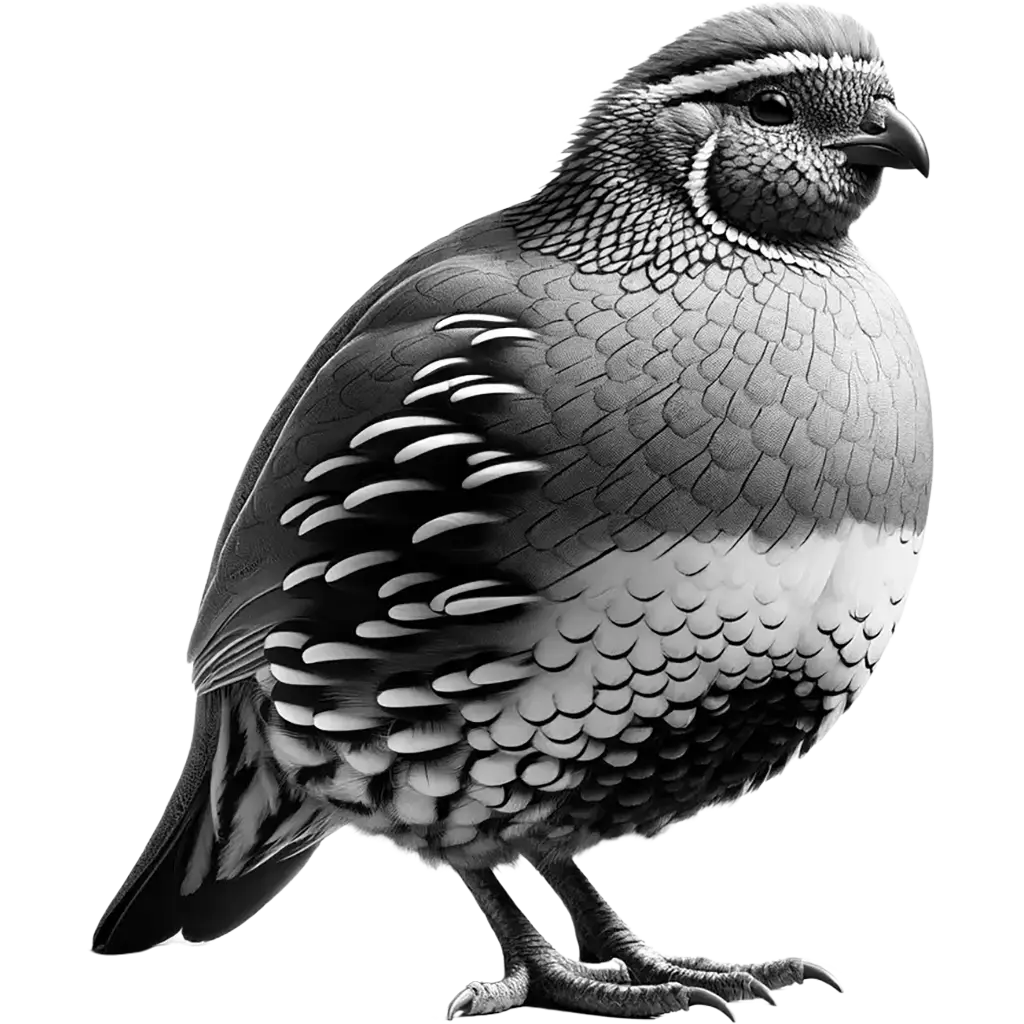
The Scaled Quail, callipepla squamata, also known as the blue quail or cottontop, is a distinctive bird native to the arid and semi-arid regions of the American Southwest and Mexico. Adults are recognized by their blue-grey plumage and the striking, scaled appearance on their breast and back, from which their

The Marabou Stork, leptoptilos crumenifer, is a large wading bird native to sub-Saharan Africa, easily identifiable by its imposing size, bald head, and neck, and a distinctive inflatable throat pouch. Standing up to 150 cm tall with a wingspan reaching over 2.5 meters, it is among the largest flying birds.