
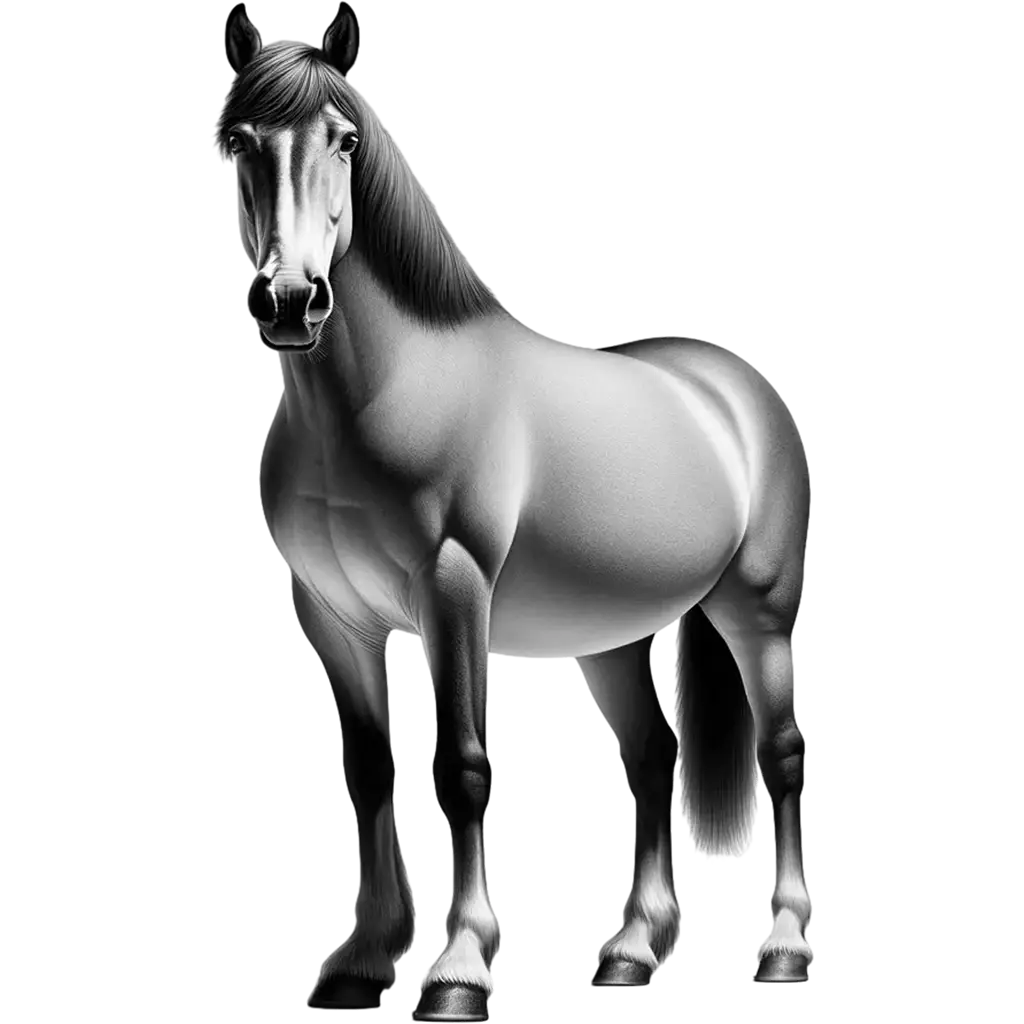
Equus Ferus Ferus
Tarpan
Originally roamed the steppes, forests, and grasslands of Europe and Asia
The Tarpan, equus ferus ferus, was a subspecies of wild horse that once roamed across the steppes, forests, and grasslands of Europe and western Asia. Recognized for its compact, sturdy body, the Tarpan stood approximately 130 to 140 cm at the shoulder, making it smaller than most modern domestic horses. Its coat was typically dun-colored, featuring a dark stripe along the spine and sometimes zebra-like stripes on the legs. The mane was short, upright, and often darker than the body, with a thick, bushy tail. This coloration and patterning provided camouflage in their natural habitats, allowing them to blend with the landscape.
| Population: | Extinct since the late 19th century |
| Generation Length: | 5-7 years |
| Average Weight: | 300-400 kg |
| Average Length: | Height of 130-140 cm at the shoulder |
| Lifespan: | 20-25 years in the wild |
| Diet: | Herbivorous, primarily consuming grasses, leaves, and bark |
| Conservation Status: | Extinct In The Wild (EW) |
Tarpans were adapted to a wide range of environmental conditions, from open grasslands to wooded areas, demonstrating remarkable versatility. They lived in small herds led by a dominant mare, exhibiting social behaviors similar to those observed in modern wild horses, such as the Przewalski's horse. Their diet consisted of grasses, leaves, and bark, allowing them to thrive in diverse ecosystems across their range.
The last known true Tarpan died in captivity in the late 19th century, leading to its classification as extinct. However, efforts to recreate the appearance and traits of the Tarpan have led to the development of several breeds, such as the Heck horse, through selective breeding of domestic horses that exhibit physical characteristics reminiscent of the Tarpan.
The extinction of the Tarpan was primarily due to habitat loss, competition with domestic livestock, and hunting. Their disappearance marked the loss of an integral part of the natural and cultural heritage of Europe and Asia. Conservation efforts for remaining wild horse species and subspecies have been informed by the history of the Tarpan, emphasizing the importance of protecting natural habitats and maintaining genetic diversity.
Today, the legacy of the Tarpan lives on in rewilding projects and conservation programs aimed at restoring the dynamics of grassland ecosystems. These initiatives often involve the introduction of Tarpan-like horses to fill the ecological niche left vacant by their extinction, contributing to the health and biodiversity of these environments.
Classifications
The Key Attributes
Features
- Movement:
Walking, trotting, galloping
- Territorial Behavior:
Herding, with strong social structures
- Speed:
Fast runner, capable of quick acceleration
- Diet:
Herbivore
- Physical Features:
- Compact, sturdy body
- Thick mane and tail
- Hard hooves suitable for rough terrain
- Adapted to a range of environments from steppe to forested areas
- Primary Senses:
- Sight
- Hearing
- Smell
Understanding Habitat and Range
Geography
- Habitat:
Originally roamed the steppes, forests, and grasslands of Europe and Asia
- Migration Patterns:
Seasonal migrations within their territory
- Geographical Range:
Historically found throughout Europe and parts of Asia
- Climate Preferences:
Adaptable to a range of climates, from temperate to colder steppe environments
Navigating the Wilderness
In the wild
- Predators:
Wolves, bears, and humans
- Prey:
Not applicable
- Feeding Behavior:
Grazed on grasses and occasionally browsed on shrubs and trees
- Diet:
Herbivorous, primarily consuming grasses, leaves, and bark
- Defensive Mechanisms:
- Speed to escape predators
- Herding behavior for protection
- Preferred Food Sources:
- Open grasslands, steppes, and light forests
Insights Into Reproduction
Mating
- Mating System:
Polygynous, with stallions leading harems of mares
- Number of Offspring:
Usually one foal
- Gestation Period:
Approximately 11-13 months
- Parental Involvement:
- Mares care for the foals, with herd providing protection
Youngsters Section
Tarpan
Fun Fact
The Tarpan was a wild horse native to Europe, now extinct since the early 20th century.
Efforts to recreate the Tarpan's appearance have led to breeding programs using domestic horses. These programs aim to produce horses that closely resemble the Tarpan, known as "Tarpan-like" horses. While they may look similar, they do not have the same genetic lineage.

Download word search puzzles
Word Search Puzzles

Check Out Other Mammals

The Asiatic Lion, also known as the Asiatic Lion, is a subspecies of lion native to India's Gir Forest and surrounding areas. Slightly smaller than its African counterpart, the Asiatic Lion has a shorter and sparser mane, making its ears more visible. A distinguishing feature is the fold of skin
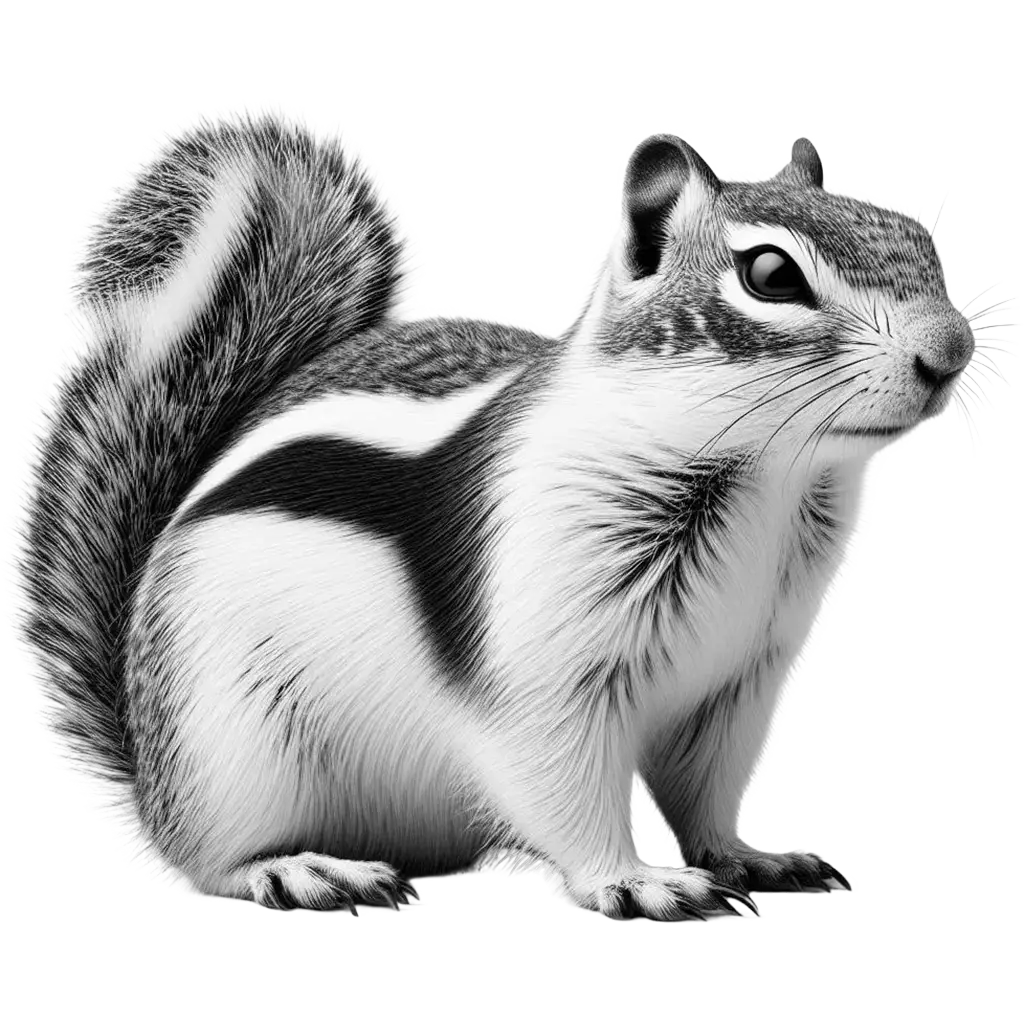
The Golden-Mantled Ground Squirrel, Callospermophilus lateralis, is a small, robust rodent widely distributed across the forests and mountainous regions of western North America. This species is easily recognizable by its distinctive coloring: a rich brown or greyish body adorned with a bold white stripe bordered by black along each side,
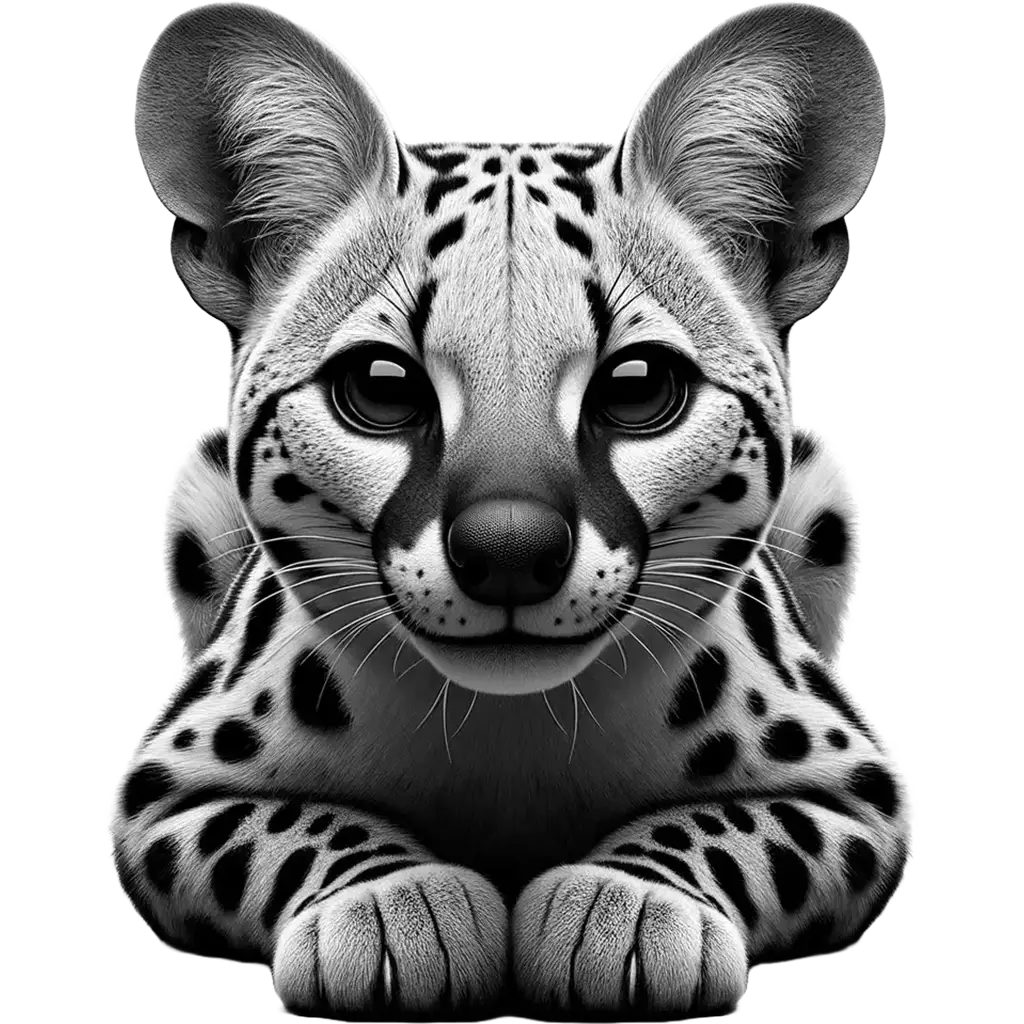
The Common Genet, genetta genetta, is a slender, cat-like mammal, part of the Viverridae family, which also includes civets and mongooses. Characterized by its striking coat pattern, it has a pale, yellowish-grey fur with a series of black stripes running down its back and rows of spots on its sides,
The Iberian Lynx is a medium-sized wildcat standing roughly 60 centimeters at the shoulder and measuring between 85 and 110 centimeters in body length, excluding a short 12 to 30 centimeter tail. Its dense, spotted tawny coat provides effective camouflage in scrubland, with larger spots on the back and smaller