
Cyanocitta Stelleri
Steller's Jay
Coniferous and mixed forests, woodlands, and suburban areas
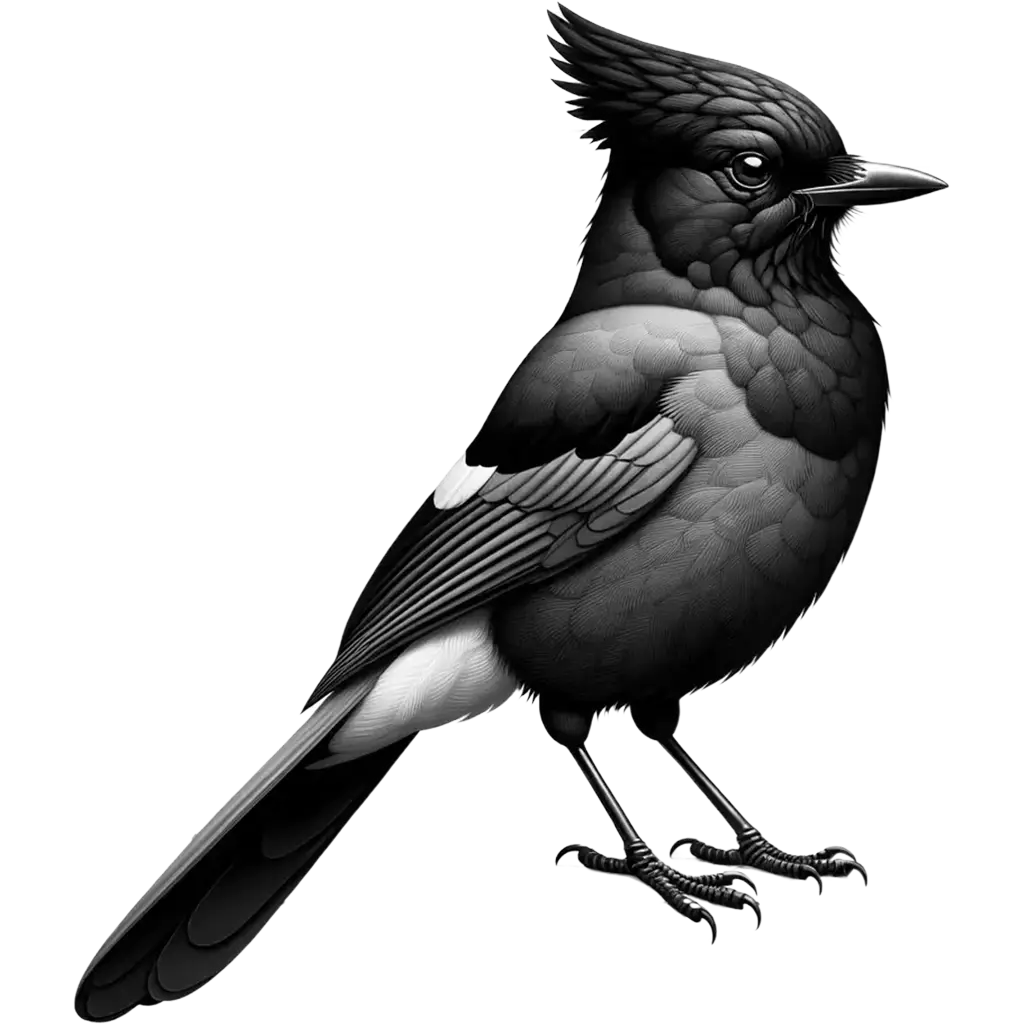
The Steller's Jay, cyanocitta stelleri, is a striking bird known for its vibrant blue plumage and distinctive black crest, which gives it a bold and expressive appearance. Adults typically measure about 30 to 34 cm in length, with a wingspan ranging from 44 to 49 cm. The species exhibits sexual dimorphism, with males and females appearing similar in plumage coloration but differing slightly in size. The body and tail feathers are a brilliant blue, while the head, throat, and crest are a contrasting black. The Steller's Jay has a strong, sturdy bill, suited for a varied diet.
| Population: | Listed as Least Concern, with stable and widespread populations |
| Generation Length: | 4 years |
| Average Weight: | 100-140 grams |
| Average Length: | 30-34 cm |
| Lifespan: | 16 years in the wild |
| Diet: | Varied diet depending on season and availability |
| Conservation Status: | Least Concern (LC) |
Native to the western forests of North America, from Alaska to Nicaragua, the Steller's Jay is a versatile and adaptable bird, thriving in coniferous, mixed-wood, and deciduous forests. It is often found in mountainous regions but can also be seen in suburban areas where trees are abundant. The Steller's Jay is known for its intelligence and complex social behaviors, often mimicking the calls of other bird species and even human-made sounds.
The diet of the Steller's Jay is omnivorous, consisting of insects, seeds, berries, nuts, and occasionally eggs and small vertebrates. This varied diet allows it to exploit different food sources throughout the year. In the fall, Steller's Jays are known to cache food for the winter, demonstrating their forward-planning abilities and memory recall.
Reproduction in Steller's Jays involves monogamous pairs that often remain together for several years. Nests are built by both males and females in trees, using twigs, mud, and plant material, where the female lays 3 to 5 eggs. Both parents participate in incubating the eggs and feeding the young, showcasing a high degree of parental care.
The population of the Steller's Jay is considered stable, though it faces threats from habitat destruction and fragmentation. Conservation efforts are focused on preserving forest habitats and promoting practices that support biodiversity. The Steller's Jay's adaptability to changing environments, coupled with its role in seed dispersal and forest regeneration, underscores its ecological importance.
Classifications
The Key Attributes
Features
- Movement:
Flying, hopping, walking
- Territorial Behavior:
Territorial, especially during breeding season
- Speed:
Agile in flight, quick on the ground
- Diet:
Omnivore
- Physical Features:
- Bright blue and black plumage
- Prominent crest on the head
- Strong, all-purpose beak
- Blue and white streaked face and throat
- Primary Senses:
- Sight
- Hearing
Understanding Habitat and Range
Geography
- Habitat:
Coniferous and mixed forests, woodlands, and suburban areas
- Migration Patterns:
Resident to short-distance migrant
- Geographical Range:
Western North America, from Alaska to Nicaragua
- Climate Preferences:
Prefers forested areas in mountainous regions, adaptable to various climates
Navigating the Wilderness
In the wild
- Predators:
Birds of prey, cats, larger mammals
- Prey:
Insects, small vertebrates, nuts, seeds
- Feeding Behavior:
Feeds on a variety of foods including nuts, seeds, fruits, insects, and small animals
- Diet:
Varied diet depending on season and availability
- Defensive Mechanisms:
- Mimicry of other species' calls to deter predators or competitors
- Use of cover and stealth to avoid threats
- Preferred Food Sources:
- Diverse habitats with ample food resources, including forested areas with nut and seed-bearing plants
Insights Into Reproduction
Mating
- Mating System:
Monogamous
- Number of Offspring:
3-4 eggs
- Incubation Period:
16-18 days
- Parental Involvement:
- Both parents participate in nest building, incubation, and feeding the young
Youngsters Section
Steller's Jay
Fun Fact
Steller's Jay is known for its vibrant blue and black plumage and bold behavior.
These birds are highly intelligent and can mimic the calls of other birds, animals, and even some mechanical sounds. They are found in western North America and thrive in coniferous forests. Their crests can be raised or lowered, indicating their mood or alertness.

Download word search puzzles
Word Search Puzzles

Check Out Other Birds
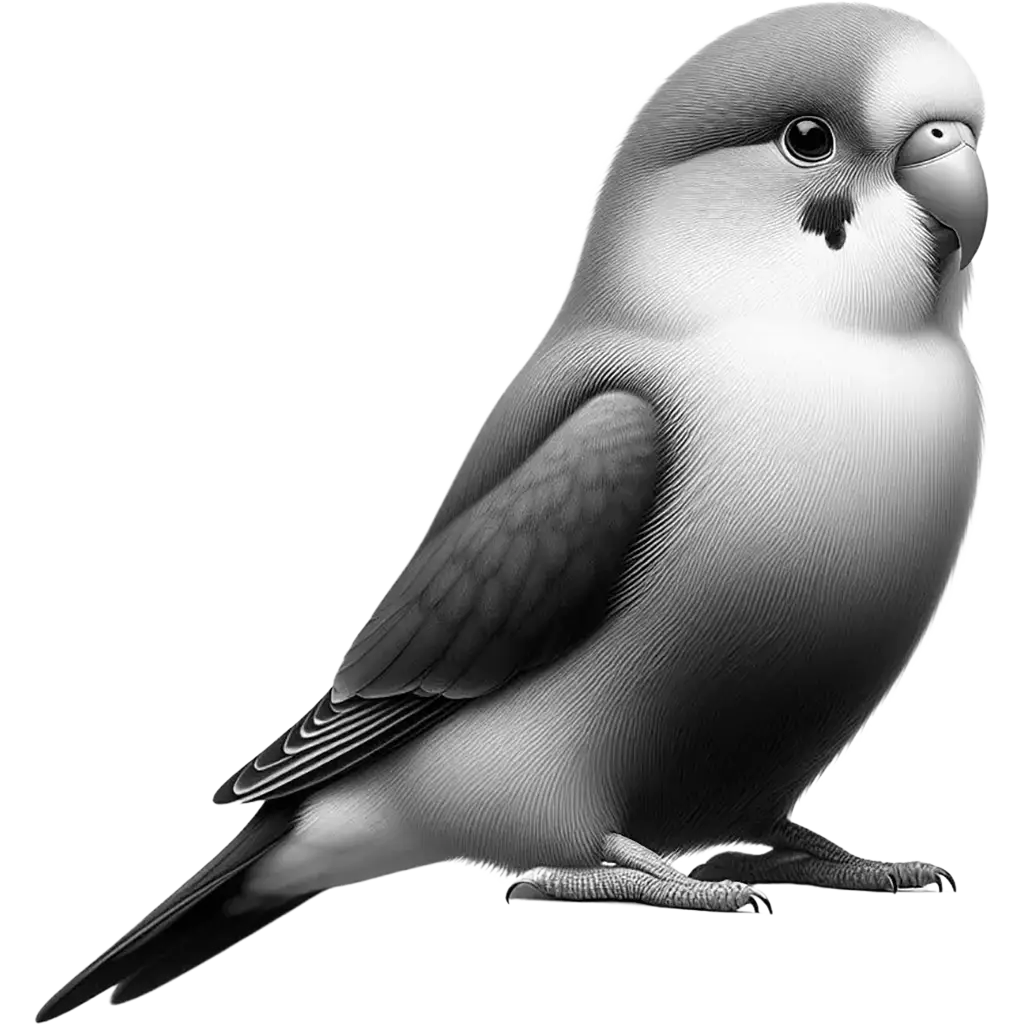
The Grey-headed lovebird, agapornis canus, also known as the Madagascar Lovebird, is a small parrot species native to Madagascar and the Comoros islands. This diminutive bird is notable for its distinctive sexual dimorphism; males boast a mostly grey head and neck, which sharply contrasts with their bright green body, while

The Red-Breasted Goose, branta ruficollis, is a strikingly colored bird, renowned for its vibrant black, white, and rich chestnut plumage. This small goose measures about 53 to 56 cm in length, making it one of the more compact species within the goose family. Its most distinctive feature is the deep
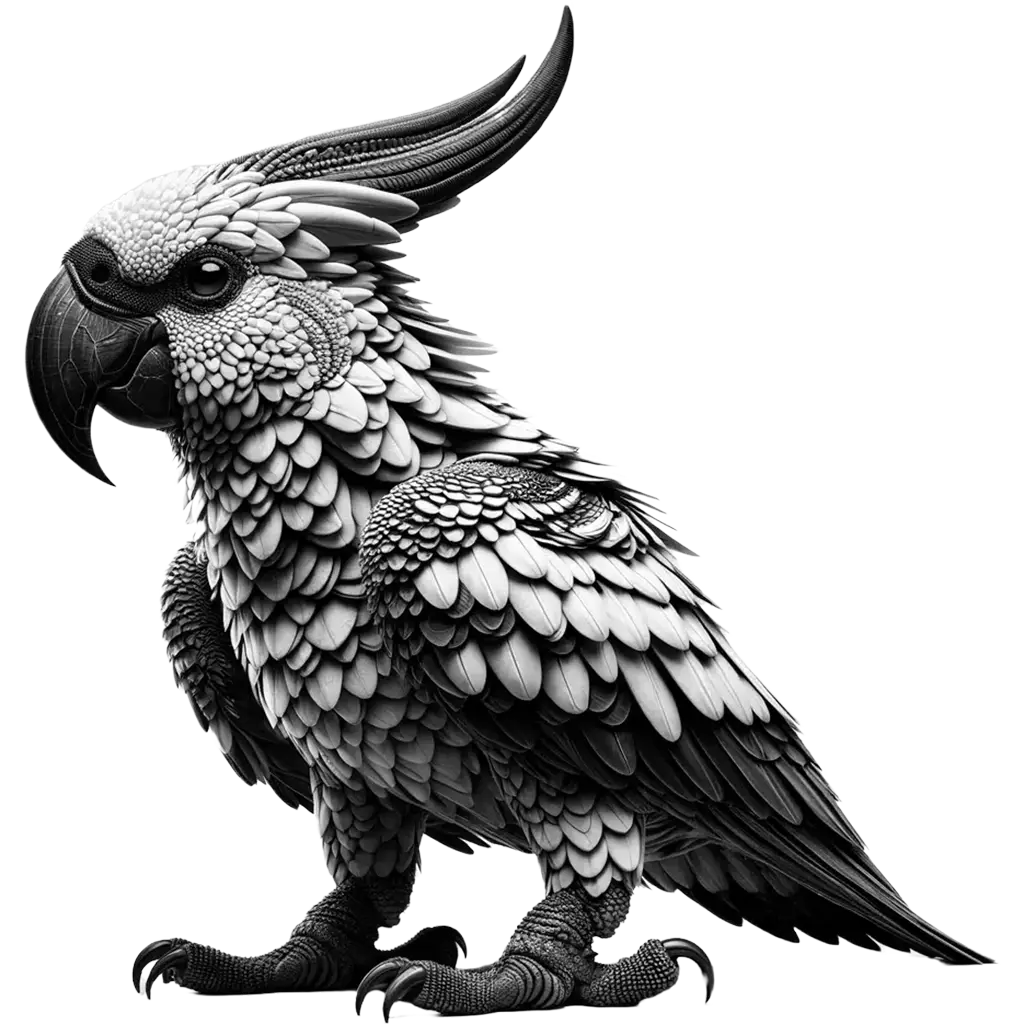
The Horned Parakeet, eunymphicus cornutus, is a vibrantly colored bird, distinguished by its unique red and blue facial markings and the notable horn-like feathers protruding from its head. This medium-sized parakeet, measuring around 32 cm in length, boasts a predominantly green plumage that blends seamlessly with the lush foliage of
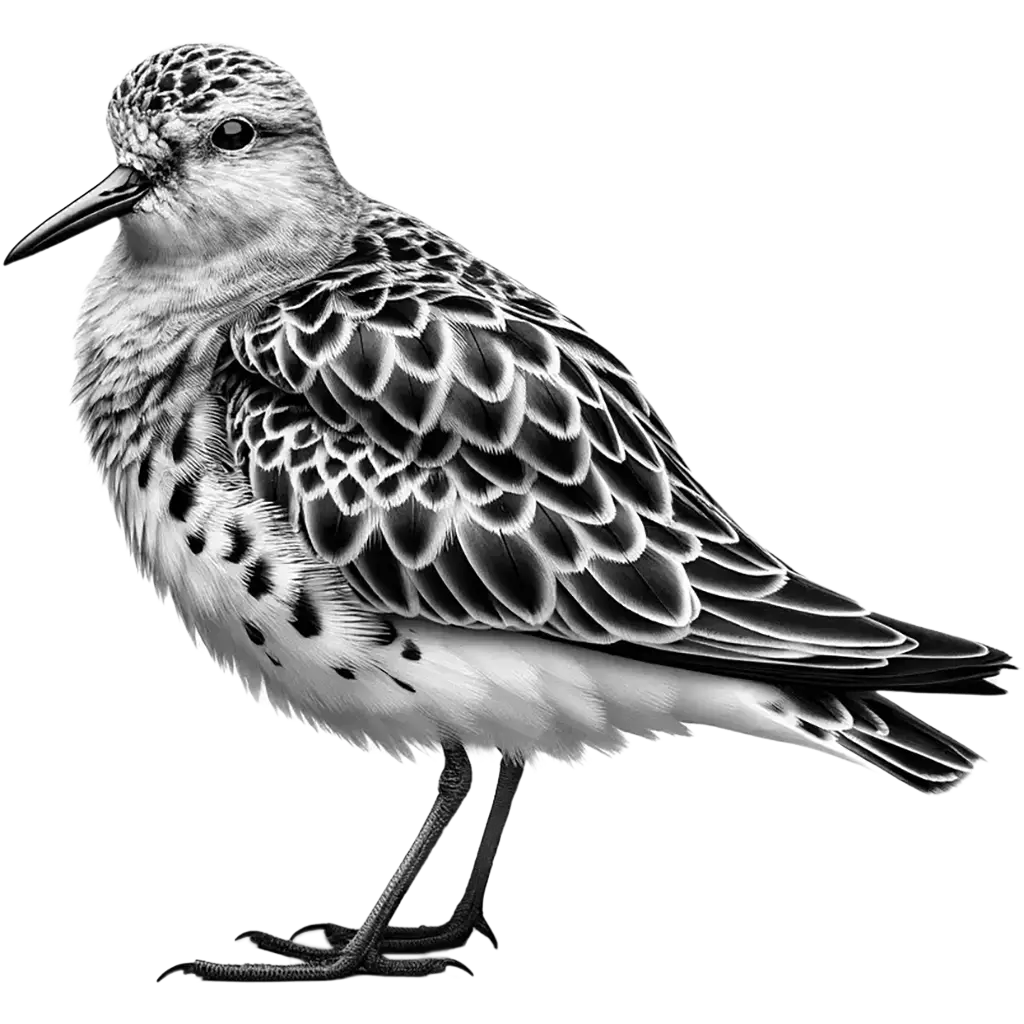
The Ruff, calidris pugnax, is a medium-sized wading bird known for its remarkable breeding plumage and unique courtship behavior. Males, during the breeding season, display an array of ornate and colorful collars and head tufts, ranging from white and black to shades of orange, blue, and green. These 'Ruffs' are