

Cyanopsitta Spixii
Spix's Macaw
Previously found in the Gallery forests along the Rio São Francisco in Brazil
Spix's Macaw, cyanopsitta spixii, is a critically endangered bird species, once native to the riparian woodlands along the Rio São Francisco in northeastern Brazil. This small macaw, measuring about 55 to 57 cm in length, is notable for its striking blue plumage, with a lighter grey-blue head and vivid blue body, wings, and tail. The underparts are a slightly paler blue, and they have a distinctive area of bare, dark grey skin around the eyes and at the base of the beak. The bird's beak is black, creating a striking contrast with its blue feathers.
| Population: | Extinct in the wild as of the early 21st century, with efforts ongoing for reintroduction |
| Generation Length: | 5-7 years |
| Average Weight: | 300 grams |
| Average Length: | 55-60 cm |
| Lifespan: | 20-30 years in captivity |
| Diet: | Omnivorous, with a diet including seeds, nuts, fruits, and possibly insects |
| Conservation Status: | Extinct In The Wild (EW) |
Historically, Spix's Macaws were found in gallery forests along riverbanks in a very restricted area of Brazil. Their natural habitat provided the necessary diet and nesting sites. However, habitat destruction and intense trapping for the pet trade drastically reduced their wild populations to the point of extinction in the wild by the end of the 20th century.
The diet of Spix's Macaw in the wild consisted of seeds, nuts, fruits, and possibly leaves and flowers, adapted to the seasonal availability of these resources in their arid habitat. Their feeding habits played a role in the dispersal of seeds, contributing to the health of their ecosystem.
Reproduction for Spix's Macaws was poorly understood in the wild, with nesting presumed to occur in tree cavities. The scarcity of suitable nesting sites in their limited habitat range was a factor in their decline. Conservation efforts in captivity have focused on understanding and facilitating their breeding to increase numbers.
As of the last update, Spix's Macaw is extinct in the wild, with efforts to reintroduce the species ongoing. Captive breeding programs have slowly increased the population, with plans to reintroduce these birds into their natural habitat involving habitat restoration and protection measures. The story of Spix's Macaw is a poignant example of the impact of human activity on biodiversity and the challenges of conservation.
Classifications
The Key Attributes
Features
- Movement:
Flying, walking
- Territorial Behavior:
Monogamous pairs were territorial during the breeding season
- Speed:
Adept flier with strong flight capabilities
- Diet:
Omnivore
- Physical Features:
- Bright blue plumage with a grey-blue head
- Strong, black beak
- Long tail feathers
- Robust and agile in flight
- Primary Senses:
- Sight
- Hearing
- Taste
Understanding Habitat and Range
Geography
- Habitat:
Previously found in the Gallery forests along the Rio São Francisco in Brazil
- Migration Patterns:
Sedentary, with movements linked to food availability and nesting sites
- Geographical Range:
Historically endemic to parts of Brazil
- Climate Preferences:
Tropical and subtropical regions
Navigating the Wilderness
In the wild
- Predators:
Larger birds of prey and wild cats
- Prey:
Primarily seeds, nuts, and fruits
- Feeding Behavior:
Fed on a variety of seeds, nuts, fruits, and possibly insects
- Diet:
Omnivorous, with a diet including seeds, nuts, fruits, and possibly insects
- Defensive Mechanisms:
- Camouflage in the forest canopy
- Flight to escape predators
- Preferred Food Sources:
- Gallery forest ecosystems with a variety of fruit-bearing trees and plants
Insights Into Reproduction
Mating
- Mating System:
Monogamous
- Number of Offspring:
1-2 eggs per clutch
- Incubation Period:
About 26 days
- Parental Involvement:
- Both parents involved in incubating the eggs and feeding the chicks
Youngsters Section
Spix's Macaw
Fun Fact
Spix's Macaw is a parrot species known for its striking blue plumage and rarity in the wild.
Native to Brazil, this bird faced extinction due to habitat loss and illegal trapping. Conservation efforts have focused on captive breeding programs and habitat restoration. Recent reintroduction initiatives aim to reestablish their presence in their natural habitat.

Download word search puzzles
Word Search Puzzles
Check Out Other Birds

The Greater Scaup, aythya marila, is a medium-sized diving duck known for its circumpolar distribution, breeding in the northernmost reaches of Europe, Asia, and North America, and wintering further south in coastal bays, estuaries, and inland lakes. Males are recognizable by their dark, iridescent green heads, bright yellow eyes, and
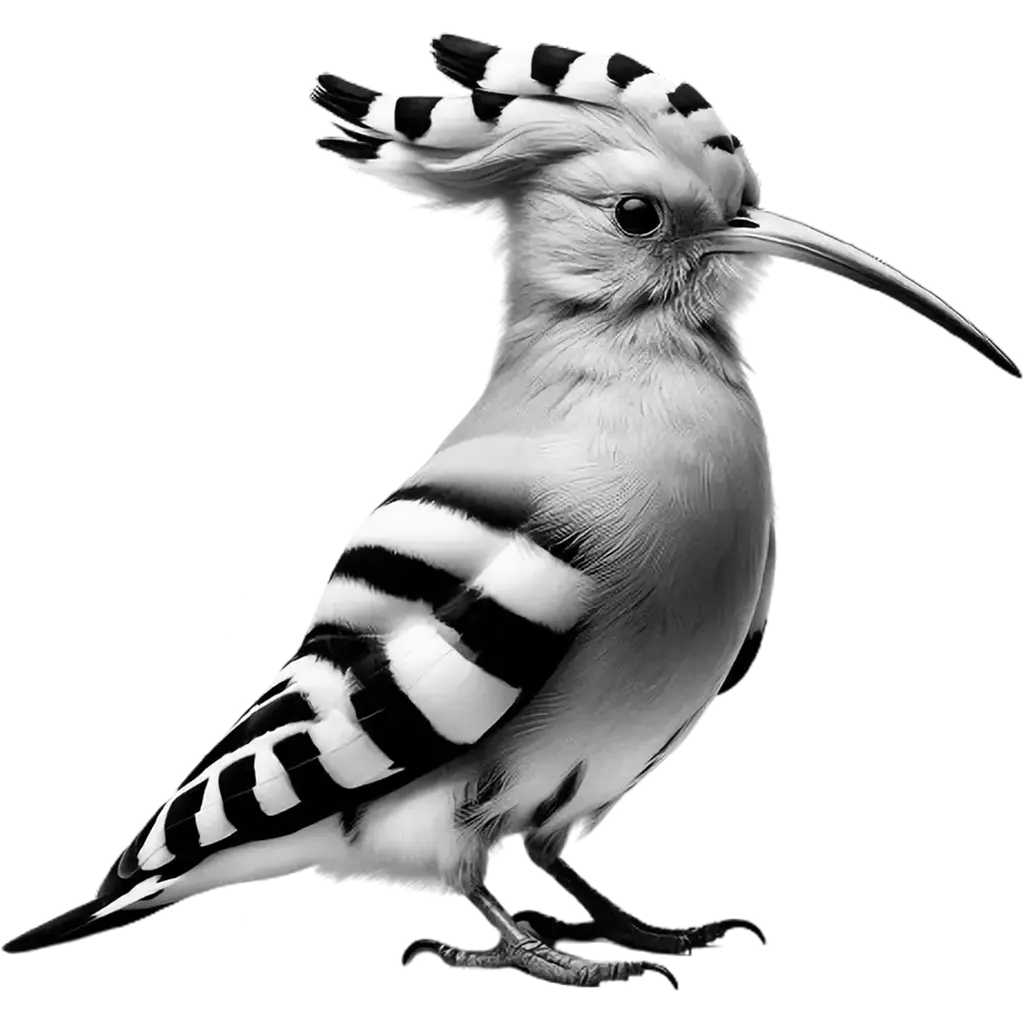
The White-Headed Wood Hoopoe, phoeniculus bollei, is a distinctive bird species primarily found in the forests and woodlands of Central and East Africa. This bird is known for its striking appearance, featuring a long, curved beak, a glossy blue-black plumage, and a prominent white head and chest, which contrast sharply
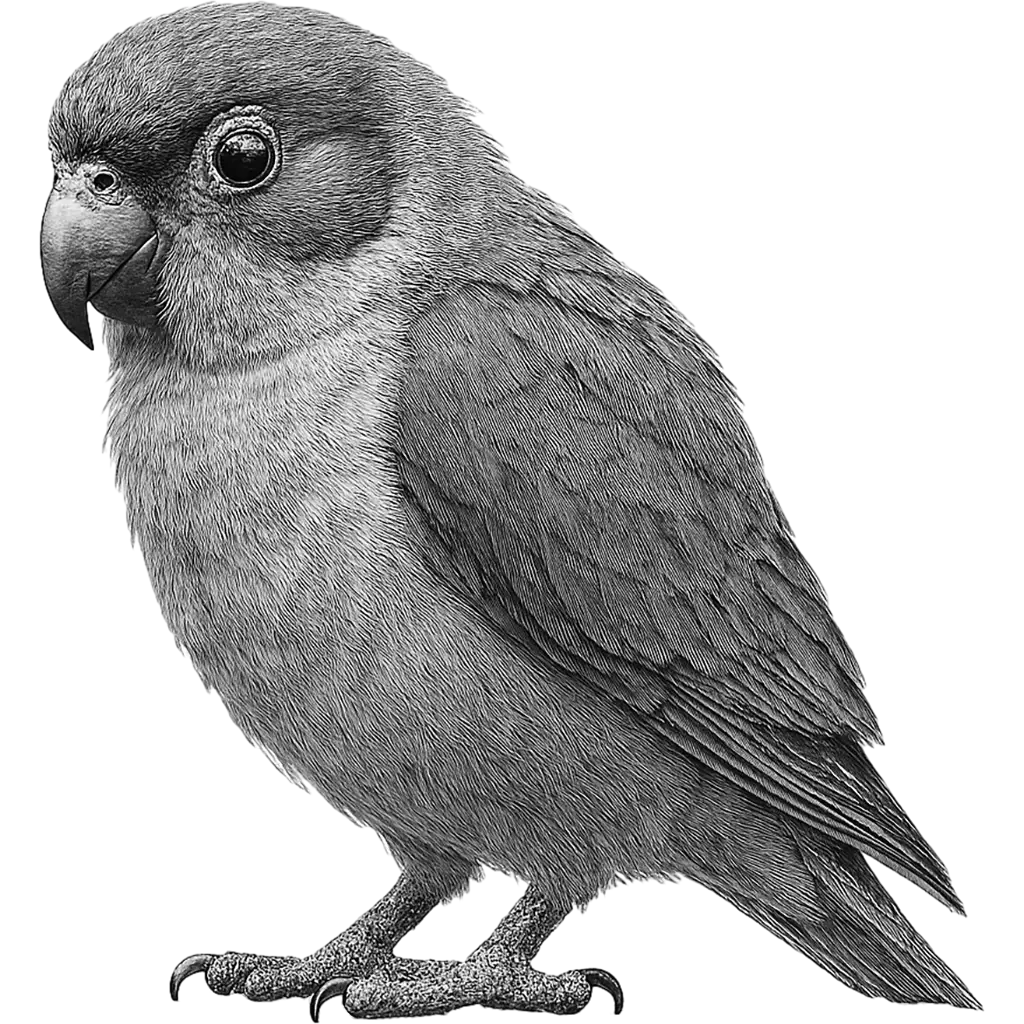
The Red-browed Fig Parrot is a diminutive parrot measuring approximately 13 to 15 centimeters in length. The body is predominantly bright green, providing camouflage among foliage. A vivid red patch graces the forehead, extending above the beak. Males display additional blue coloration around the eyes and lores, while females exhibit
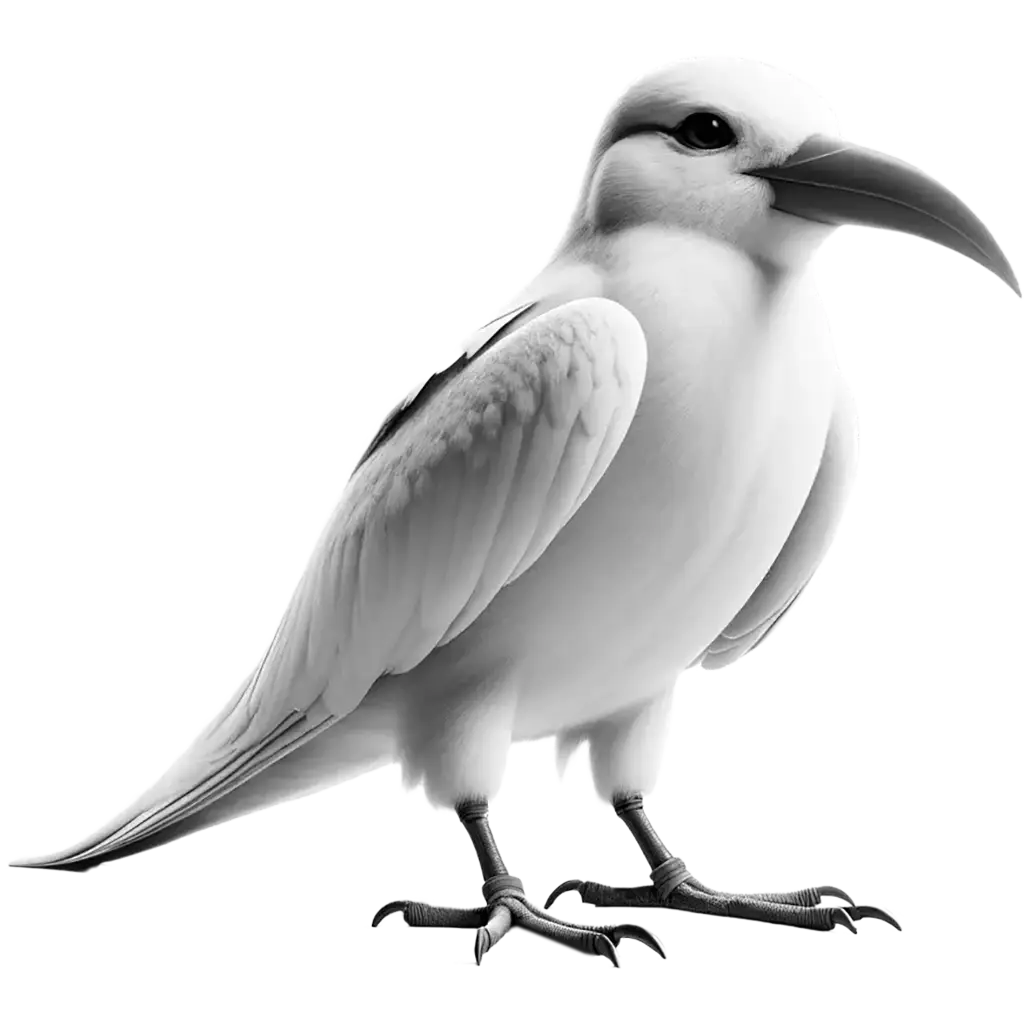
The Red-Billed Tropicbird, phaethon aethereus, is a striking seabird known for its elegant white plumage, slender red bill, and exceptionally long tail feathers, which can be twice the length of its body. Adults typically measure about 48 to 55 cm in length, not including the tail streamers, which can add