

Tachyglossus Aculeatus
Short-Beaked Echidna
Forests, woodlands, grasslands, and arid environments
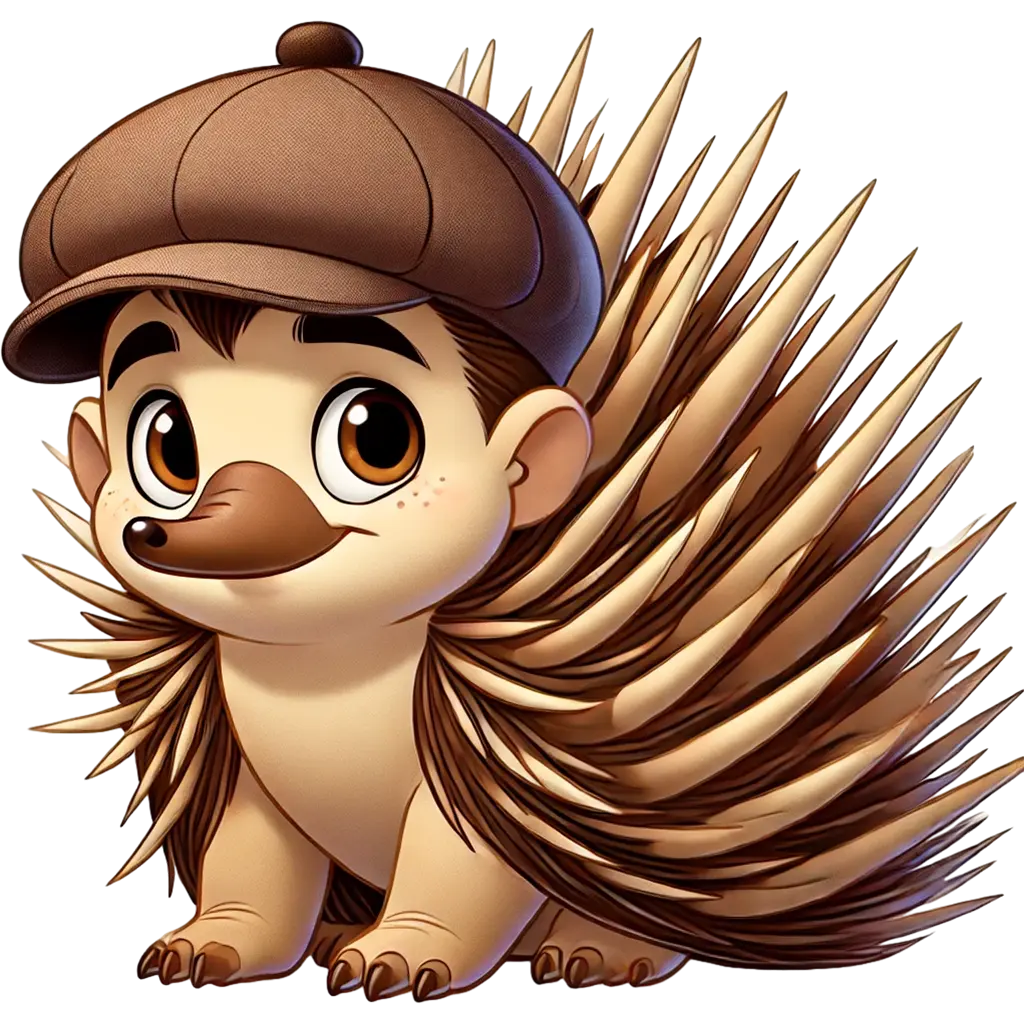
The Short-Beaked Echidna, tachyglossus aculeatus, is one of the most distinctive and ancient mammals native to Australia, including Tasmania, and parts of New Guinea. Characterized by its spiny coat, short legs, and elongated snout, the echidna is an iconic example of a monotreme, or egg-laying mammal. Adults can weigh between 2 to 7 kg and are covered in coarse hair and sharp spines, which provide protection from predators. The echidna's snout is used for both smelling and breathing, and its small mouth at the end of the snout is specially adapted to eat ants, termites, and other small invertebrates.
| Population: | Listed as Least Concern, with stable populations |
| Generation Length: | 5-10 years |
| Average Weight: | 2-7 kg |
| Average Length: | 30-45 cm |
| Lifespan: | Up to 50 years in the wild |
| Diet: | Specialized insectivorous diet, feeding mainly on ants and termites |
| Conservation Status: | Least Concern (LC) |
Echidnas are solitary and primarily nocturnal, thriving in a wide range of habitats from forests and woodlands to grasslands and urban areas. They possess strong, clawed feet used for digging burrows and tearing into termite mounds. Despite their slow movement on land, echidnas are capable swimmers.
The diet of the Short-Beaked Echidna consists mainly of ants and termites. It uses its long, sticky tongue to capture prey, and its sharp beak to break into nests. Unlike most mammals, echidnas lack teeth, instead grinding their food between the base of their mouth and their tongue.
Reproduction is unique, as echidnas are one of the few mammals that lay eggs. The female lays a single, leathery egg into her pouch, where it hatches after about 10 days. The newborn, called a puggle, is hairless and spineless, feeding on milk secreted from the mother's mammary glands. The puggle remains in the pouch for up to two months before being weaned in a nursery burrow.
The population of the Short-Beaked Echidna is considered stable, but it faces threats from habitat destruction, road accidents, and predation by introduced species such as dogs and foxes. Conservation efforts focus on habitat preservation and reducing human impact. The echidna plays a vital role in ecosystem health by controlling insect populations and aerating the soil through digging, highlighting its importance in biodiversity conservation.
Classifications
The Key Attributes
Features
- Movement:
Walking, burrowing
- Territorial Behavior:
Solitary, with large home ranges
- Speed:
Slow-moving, better at digging and burrowing
- Diet:
Insectivore
- Physical Features:
- Spiny coat with sharp quills
- Snout used for probing and a sticky tongue for catching prey
- Strong limbs with claws for digging
- Lacks teeth, grinds food with hard pads in the mouth
- Primary Senses:
- Touch
- Smell
- Hearing
Understanding Habitat and Range
Geography
- Habitat:
Forests, woodlands, grasslands, and arid environments
- Migration Patterns:
Non-migratory, but can move within their territory
- Geographical Range:
Australia, Tasmania, and New Guinea
- Climate Preferences:
Varied, can thrive in a wide range of climates
Navigating the Wilderness
In the wild
- Predators:
Predators include birds of prey, foxes, and large reptiles
- Prey:
Primarily ants and termites
- Feeding Behavior:
Feeds on ants, termites, and other small invertebrates
- Diet:
Specialized insectivorous diet, feeding mainly on ants and termites
- Defensive Mechanisms:
- Curls into a ball, using spines for protection
- Burrows into the ground to evade threats
- Preferred Food Sources:
- Areas with abundant ant and termite populations
Insights Into Reproduction
Mating
- Mating System:
Polygynous
- Number of Offspring:
Usually lays one egg
- Gestation Period:
About 22-30 days
- Incubation Period:
10 days in pouch, continues development externally attached to milk patches
- Parental Involvement:
- Female provides care, carrying the egg and young puggle in a pouch-like fold
Youngsters Section
Short-Beaked Echidna
Fun Fact
The short-beaked echidna is a monotreme, laying eggs instead of giving live birth.
These fascinating creatures are covered in spines and have a specialized snout for detecting and consuming ants and termites. Their tongue is incredibly sticky and can extend up to 18 cm to capture their prey. They are found mainly in Australia and New Guinea.

Download word search puzzles
Word Search Puzzles

Check Out Other Mammals

The California Grizzly Bear was a massive, golden-brown bear once abundant throughout California. It was one of the largest subspecies of brown bear, with males reaching weights of up to 900 kg and lengths of over 3 meters. Known for its immense strength and adaptability, this bear thrived in a

The Roe Deer, capreolus capreolus, is a small and graceful deer species native to Europe and parts of Asia. It stands about 60 to 75 cm at the shoulder and weighs between 10 to 25 kg, with males generally larger than females. The summer coat is a reddish-brown, turning to
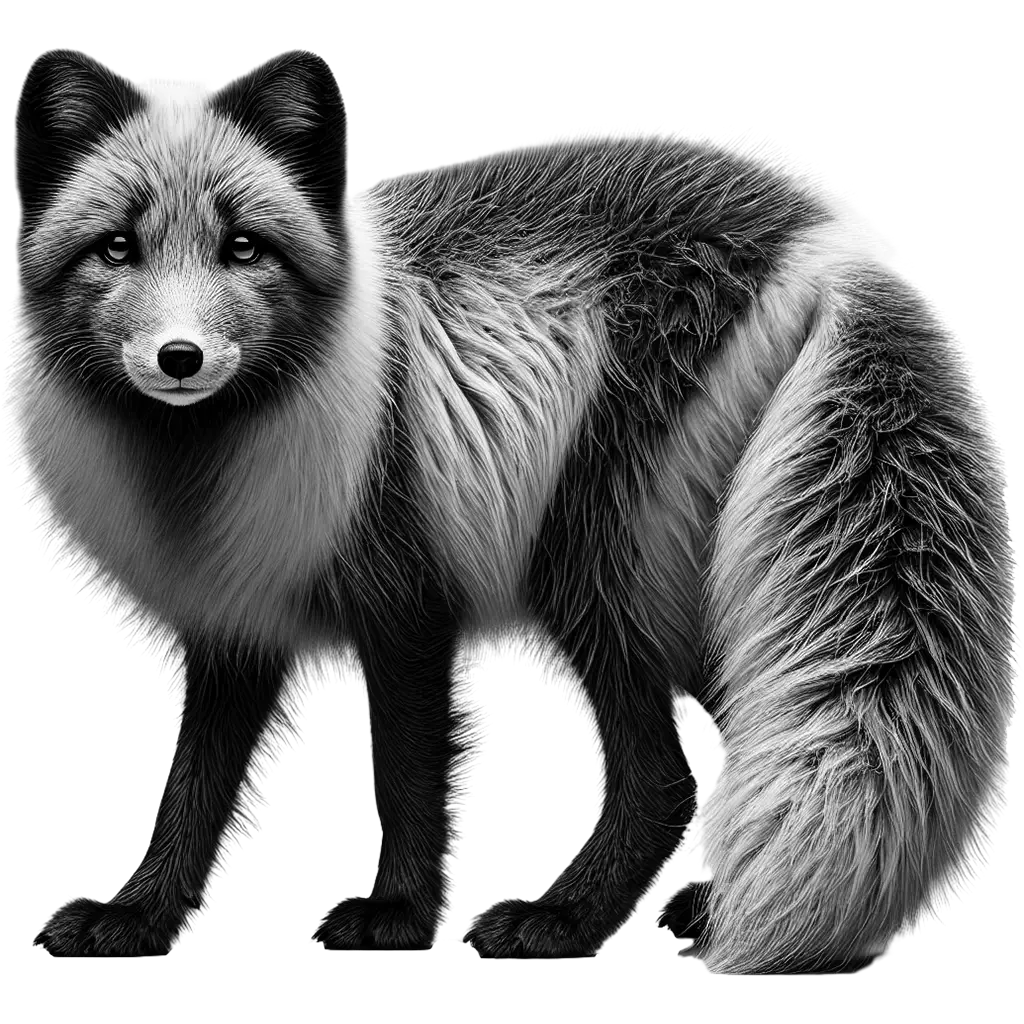
The Arctic Fox is a small, highly adaptable mammal found in the frigid Arctic tundra. Its thick fur changes color with the seasons, appearing white in winter for camouflage against the snow and turning brown or gray in summer to blend in with the rocky landscape. It has a compact
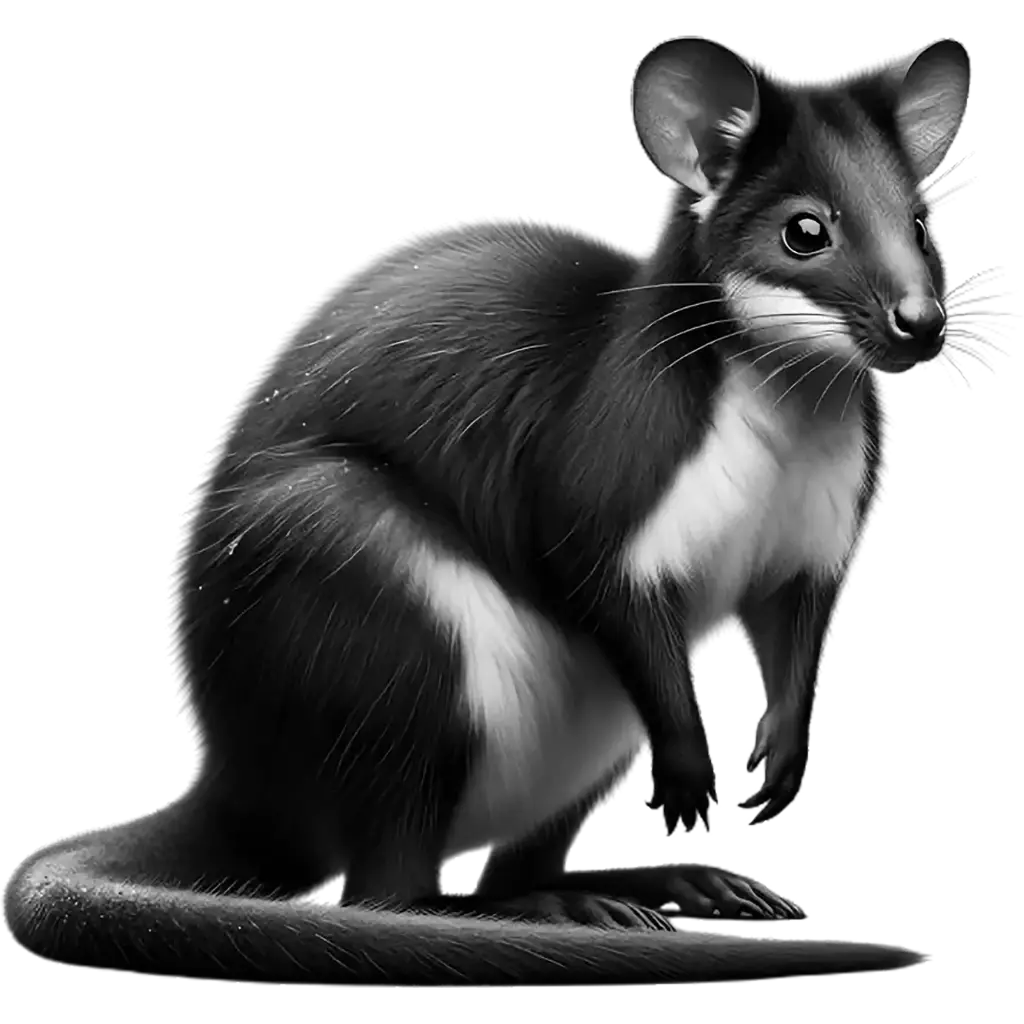
The Musky Rat-Kangaroo, hypsiprymnodon moschatus, is a unique and diminutive marsupial, residing in the dense, wet tropical rainforests of northeastern Queensland, Australia. This species stands out as the smallest and most primitive of the kangaroo family, with adults measuring about 23 to 34 cm in length, including the tail, and