
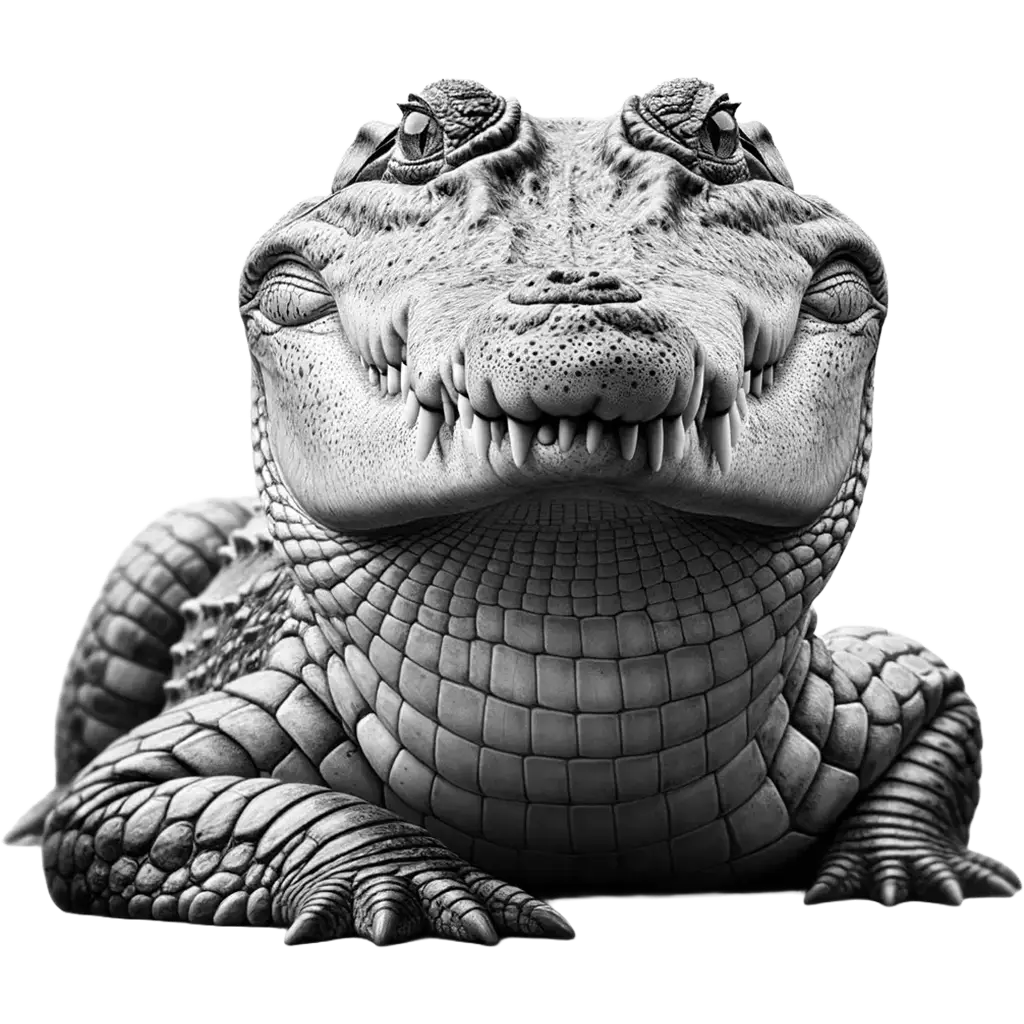
Crocodylus Porosus
Saltwater Crocodile
Coastal brackish waters, estuaries, mangroves, and rivers
The Saltwater Crocodile, crocodylus porosus, is the largest of all living reptiles, as well as the largest terrestrial and riparian predator in the world. Males of this species can reach lengths of more than 6 meters (20 feet), with exceptional individuals exceeding 7 meters (23 feet) and weighing over 1,000 kilograms (2,200 pounds). Females are significantly smaller, typically reaching up to 3 meters (9.8 feet). The Saltwater Crocodile is characterized by its robust body, broad snout, and powerful jaws filled with conical teeth, suited to its apex predator status. Its hide is dark green or brown with lighter, tan markings, which help camouflage it in its natural habitat.
| Population: | Listed as Least Concern, but with specific populations under threat |
| Generation Length: | 15-20 years |
| Average Weight: | Up to 1000-1200 kg for large adults |
| Average Length: | 4.3-5.2 meters, with some individuals exceeding 6 meters |
| Lifespan: | 70 years or more in the wild |
| Diet: | Opportunistic feeder, eating available prey from small aquatic animals to large mammals |
| Conservation Status: | Least Concern (LC) |
Native to the saltwater habitats and brackish wetlands of Southeast Asia, Northern Australia, and the eastern coast of India, the Saltwater Crocodile is an adept swimmer that can travel long distances by sea. This species is known for its remarkable adaptability, inhabiting rivers, estuaries, mangroves, and even open ocean environments.
The diet of the Saltwater Crocodile is diverse, including fish, birds, mammals, and occasionally other reptiles. This opportunistic predator utilizes a 'sit-and-wait' strategy, relying on camouflage and patience before launching a swift and powerful attack on unsuspecting prey. Their strong jaws can crush bone, illustrating their formidable hunting capability.
Reproduction for Saltwater Crocodiles involves elaborate courtship displays, followed by the female laying 40 to 60 eggs in a nest made of vegetation and mud. The nest's decomposition generates heat that incubates the eggs. Female crocodiles exhibit strong maternal instincts, guarding the nest during the incubation period and assisting the hatchlings to reach the water upon emergence.
The population of the Saltwater Crocodile has rebounded from near extinction in the 20th century, due to strict conservation measures and habitat protection. However, they are still considered at risk in some areas due to habitat loss, illegal hunting, and human-crocodile conflict. The species is listed on CITES Appendix I (except for populations in Australia, Indonesia, and Papua New Guinea, which are listed on Appendix II), reflecting international efforts to regulate trade and ensure the species' long-term survival.
Classifications
The Key Attributes
Features
- Movement:
Swimming, crawling
- Territorial Behavior:
Highly territorial, especially large males
- Speed:
Capable of rapid bursts of speed in water and short distances on land
- Diet:
Carnivore
- Physical Features:
- Robust and muscular body with a long, powerful tail
- Armor-like scales with osteoderms for protection
- Powerful jaws with conical teeth
- Webbed feet and streamlined body for efficient swimming
- Primary Senses:
- Sight
- Hearing
- Smell
- Vibration sensitivity
Understanding Habitat and Range
Geography
- Habitat:
Coastal brackish waters, estuaries, mangroves, and rivers
- Migration Patterns:
Non-migratory, but can travel long distances in the ocean
- Geographical Range:
Southeast Asia, northern Australia, and the eastern coast of India
- Climate Preferences:
Tropical and subtropical climates
Navigating the Wilderness
In the wild
- Predators:
Humans are the primary threat to adults; juveniles are preyed upon by larger crocodiles, large fish, and birds of prey
- Prey:
Wide range including fish, crustaceans, birds, and mammals
- Feeding Behavior:
Ambush predator, feeding on fish, birds, mammals, and occasionally other crocodiles
- Diet:
Opportunistic feeder, eating available prey from small aquatic animals to large mammals
- Defensive Mechanisms:
- Camouflage within its environment
- Powerful bite and rapid movement in water
- Aggressive defense of territory
- Preferred Food Sources:
- Rich aquatic environments with abundant prey
Insights Into Reproduction
Mating
- Mating System:
Polygynous
- Number of Offspring:
40-60 eggs
- Incubation Period:
About 90 days
- Parental Involvement:
- Females guard the nest and sometimes assist hatchlings to reach water
Youngsters Section
Saltwater Crocodile
Fun Fact
Saltwater crocodiles are the largest living reptiles on Earth, reaching lengths of up to 23 feet.
These mighty predators are known for their ability to swim vast distances in the ocean. Despite their size, they are surprisingly fast in water, reaching speeds of up to 15 mph. They have a powerful bite force, estimated to be over 3,700 pounds per square inch, making them apex predators in their habitats.

Download word search puzzles
Word Search Puzzles

Check Out Other Reptiles
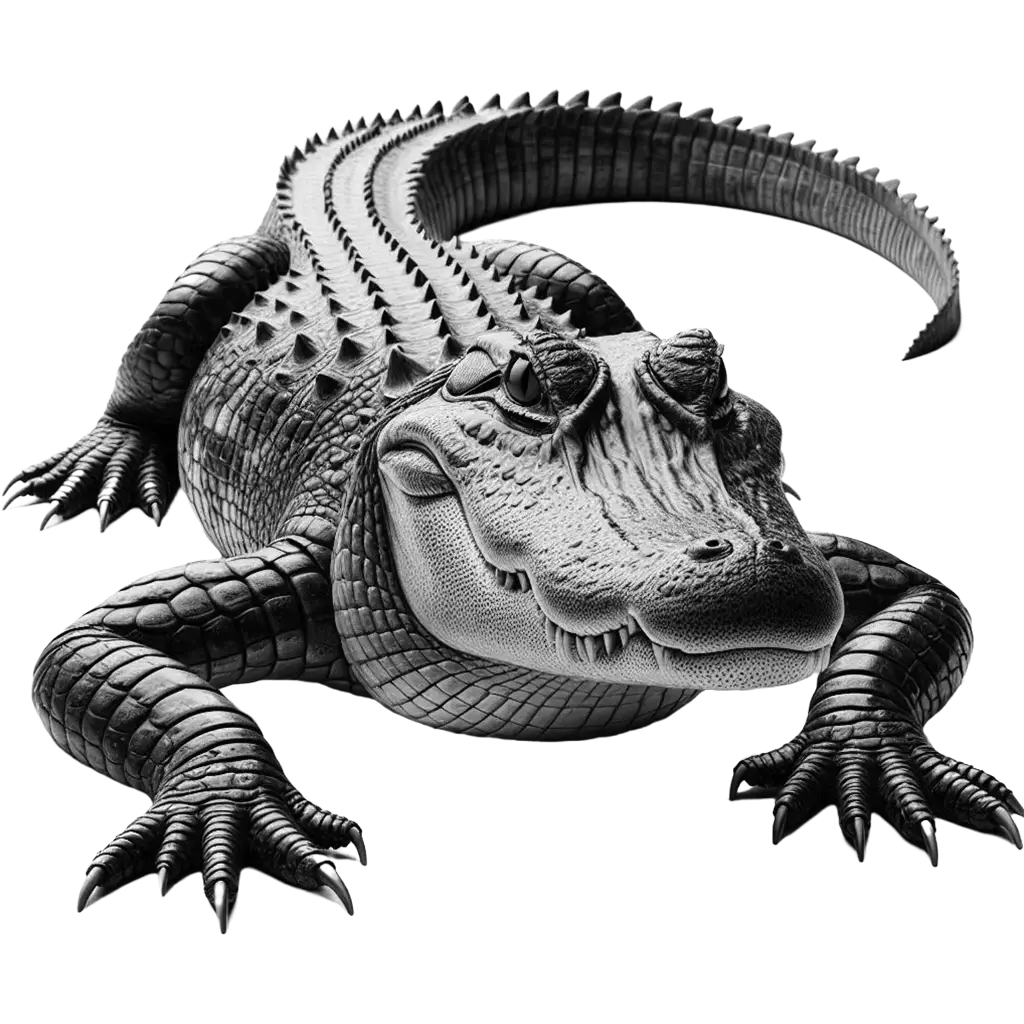
The American Alligator, Alligator mississippiensis, is a formidable reptile native to the southeastern United States, easily recognized by its armored body, strong tail, and powerful jaws. Adults typically measure between 3 to 4.6 meters in length, with males being larger than females. Their skin is a dark, olive-brown color with
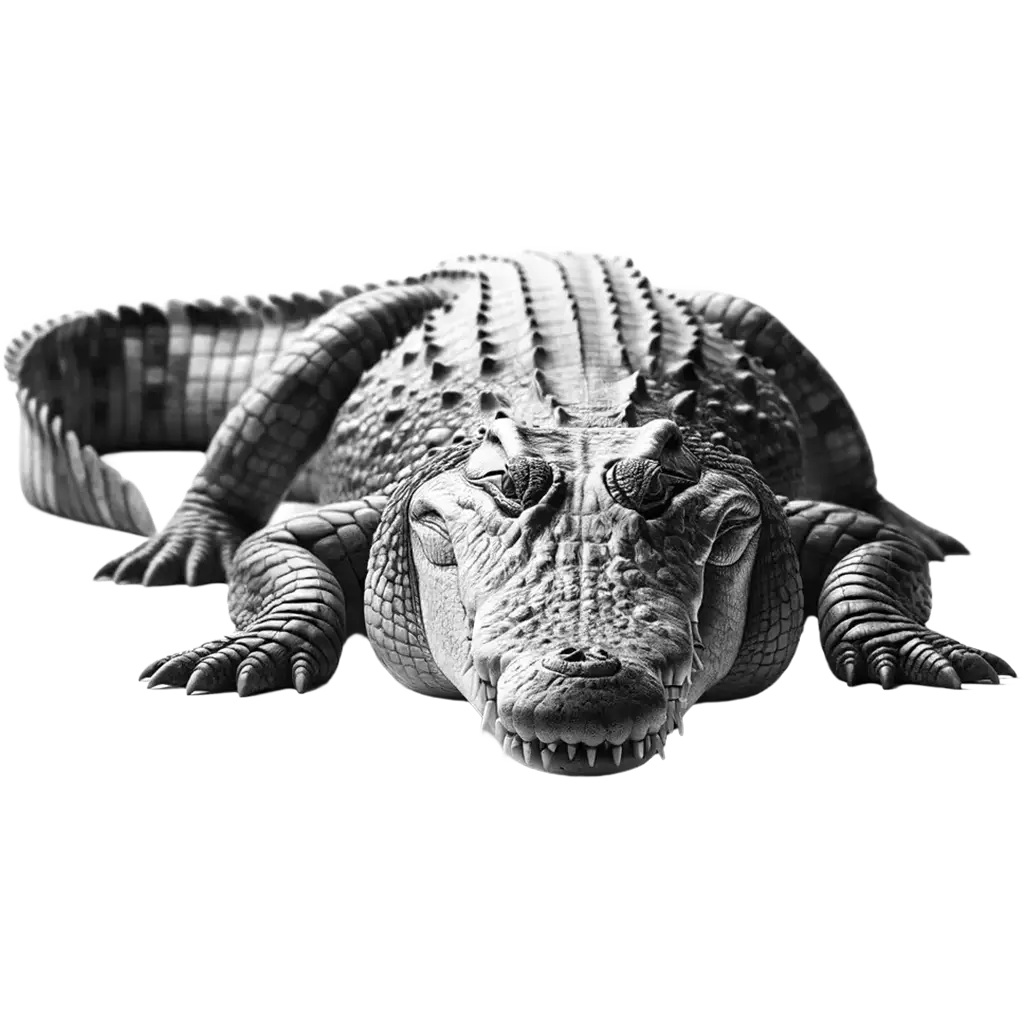
The Nile Crocodile, crocodylus niloticus, is a formidable apex predator native to freshwater habitats across Sub-Saharan Africa. This species is one of the largest crocodile species, with adult males commonly reaching lengths of up to 5 meters (16 feet) and sometimes even exceeding 6 meters (20 feet). They have a
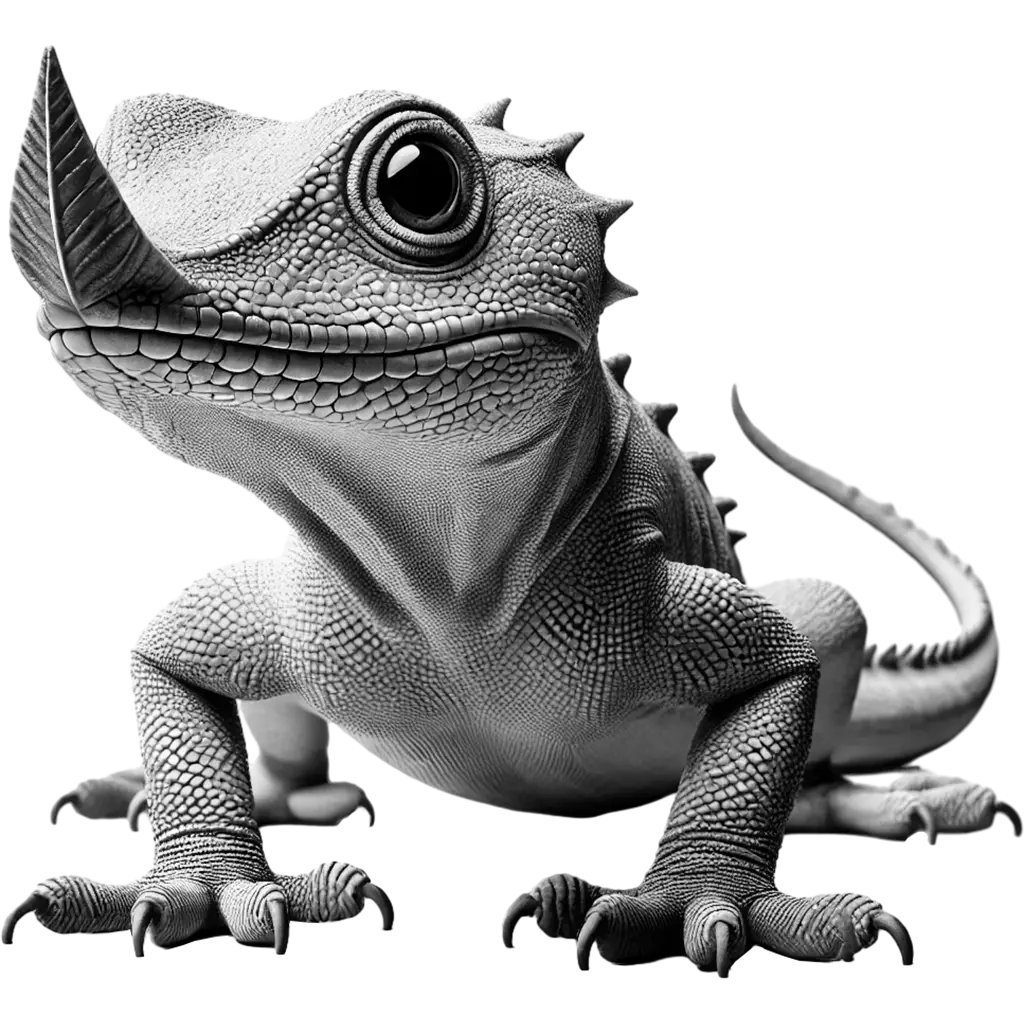
The Leaf-nosed Lizard, Ceratophora tennentii, is a small reptile endemic to Sri Lanka, notable for the distinctive leaf-like appendage on its snout. This fleshy, laterally compressed structure is present in both sexes, though it is somewhat smaller in females. Adults typically reach a total length of approximately 18.5 centimeters, including
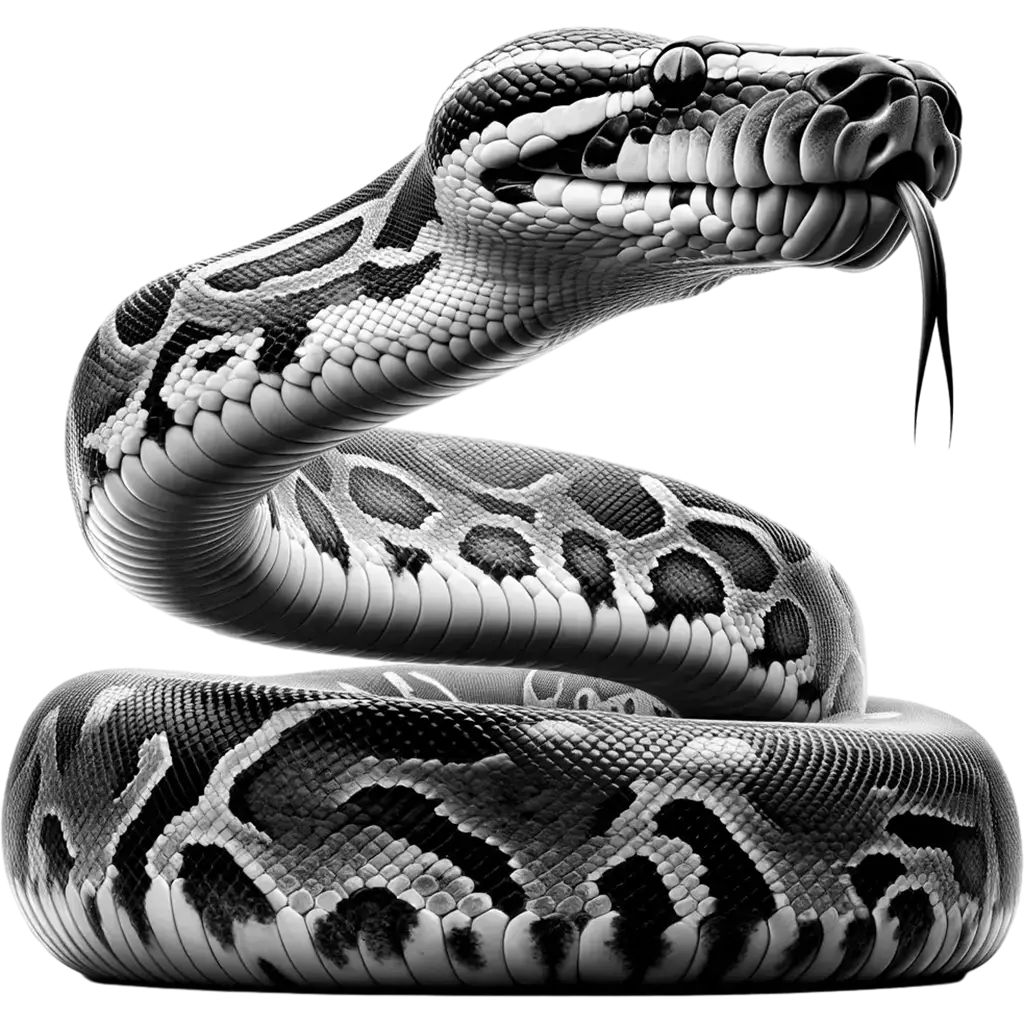
The African Rock Python, Python sebae, is a large, non-venomous snake native to sub-Saharan Africa. It is one of the largest snake species on the continent, with adults commonly reaching lengths of 3 to 4.5 meters, and some exceptional individuals exceeding 6 meters. Their skin is thick and covered in