
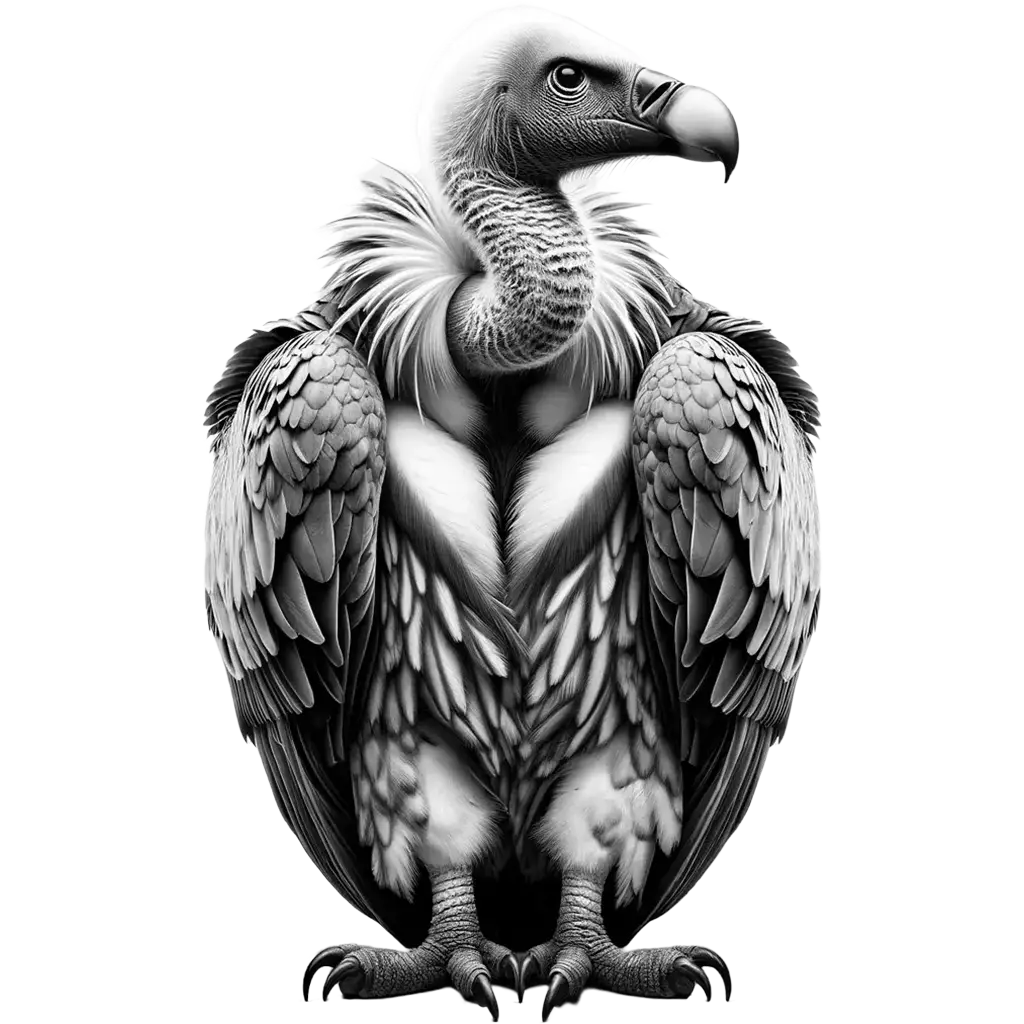
Gyps Rueppelli
Ruppell's Vulture
Savannahs, grasslands, and mountainous regions
Rüppell's vulture, gyps rueppelli, named after the German naturalist Eduard Rüppell, is a large and critically endangered bird of prey residing predominantly in the Sahel region of Africa. This species stands out due to its impressive size, with a length of up to 1 meter and a wingspan reaching nearly 2.6 meters, making it one of the largest vultures in Africa. The bird's plumage is predominantly dark brown, with a paler head and neck that are nearly white in older individuals, contrasted by the dark feathers around the neck ruff. One of its most notable features is its ability to soar at incredibly high altitudes, records showing altitudes over 11,000 meters, thanks to its large wings and efficient flying techniques.
| Population: | Listed as Critically Endangered due to rapid population declines |
| Generation Length: | 10 years |
| Average Weight: | 6.4-9 kg |
| Average Length: | 85-103 cm |
| Lifespan: | Up to 40-50 years in the wild |
| Diet: | Carrion, depends on finding dead animals for food |
| Conservation Status: | Critically Endangered (CR) |
Rüppell's vulture inhabits open savannas and semi-desert regions, relying on thermal updrafts to soar in search of food. They are scavengers, primarily feeding on the carcasses of dead animals, which they locate by sight while flying high above the ground. This species plays a crucial role in the ecosystem by helping to dispose of carrion, thus preventing the spread of diseases.
The diet of Rüppell's vulture consists almost entirely of carrion. They have a hierarchical feeding strategy at carcasses, where larger and more dominant vulture species tend to feed first. Rüppell's vultures, however, often feed in groups and can dominate over other species due to their size and numbers.
Reproduction for Rüppell's vulture involves nesting in colonies on cliffs, where each pair lays a single egg. The nests are made from sticks and lined with grass and other soft materials. Both parents share responsibilities for incubation and feeding the chick, with the fledging period lasting several months.
The population of Rüppell's vulture is declining rapidly due to a range of threats, including poisoning, habitat loss, and collision with energy infrastructure. The species is now listed as Critically Endangered on the IUCN Red List. Conservation efforts are urgently needed to address these threats, including stricter regulations on the use of poisons, protection of nesting sites, and measures to mitigate the risk of collisions with wind turbines and power lines.
Classifications
The Key Attributes
Features
- Movement:
Flying, soaring
- Territorial Behavior:
Social, often found in large groups
- Speed:
Highly efficient soarer, capable of reaching high altitudes
- Diet:
Scavenger
- Physical Features:
- Large size with broad wings and a short tail
- Strong bill designed for tearing carcasses
- Long neck, often retracted in flight
- Dark plumage with lighter underparts and a white ruff at the base of the neck
- Primary Senses:
- Sight
- Smell
Understanding Habitat and Range
Geography
- Habitat:
Savannahs, grasslands, and mountainous regions
- Migration Patterns:
Resident and nomadic, depending on food availability
- Geographical Range:
Sub-Saharan Africa, especially in the Sahel region
- Climate Preferences:
Prefers hot, arid environments but adaptable to various climates within its range
Navigating the Wilderness
In the wild
- Predators:
Few natural predators due to size, but eggs and young can be threatened by other large birds and mammals
- Prey:
Dead animals, especially large mammals
- Feeding Behavior:
Feeds primarily on carrion, locating carcasses with keen eyesight
- Diet:
Carrion, depends on finding dead animals for food
- Defensive Mechanisms:
- Soaring at high altitudes to avoid terrestrial threats
- Large size and powerful bill deter most predators
- Preferred Food Sources:
- Open landscapes where large animal carcasses are available
Insights Into Reproduction
Mating
- Mating System:
Monogamous
- Number of Offspring:
Usually 1 egg
- Incubation Period:
About 55 days
- Parental Involvement:
- Both parents involved in nest building, incubation, and feeding of the young
Youngsters Section
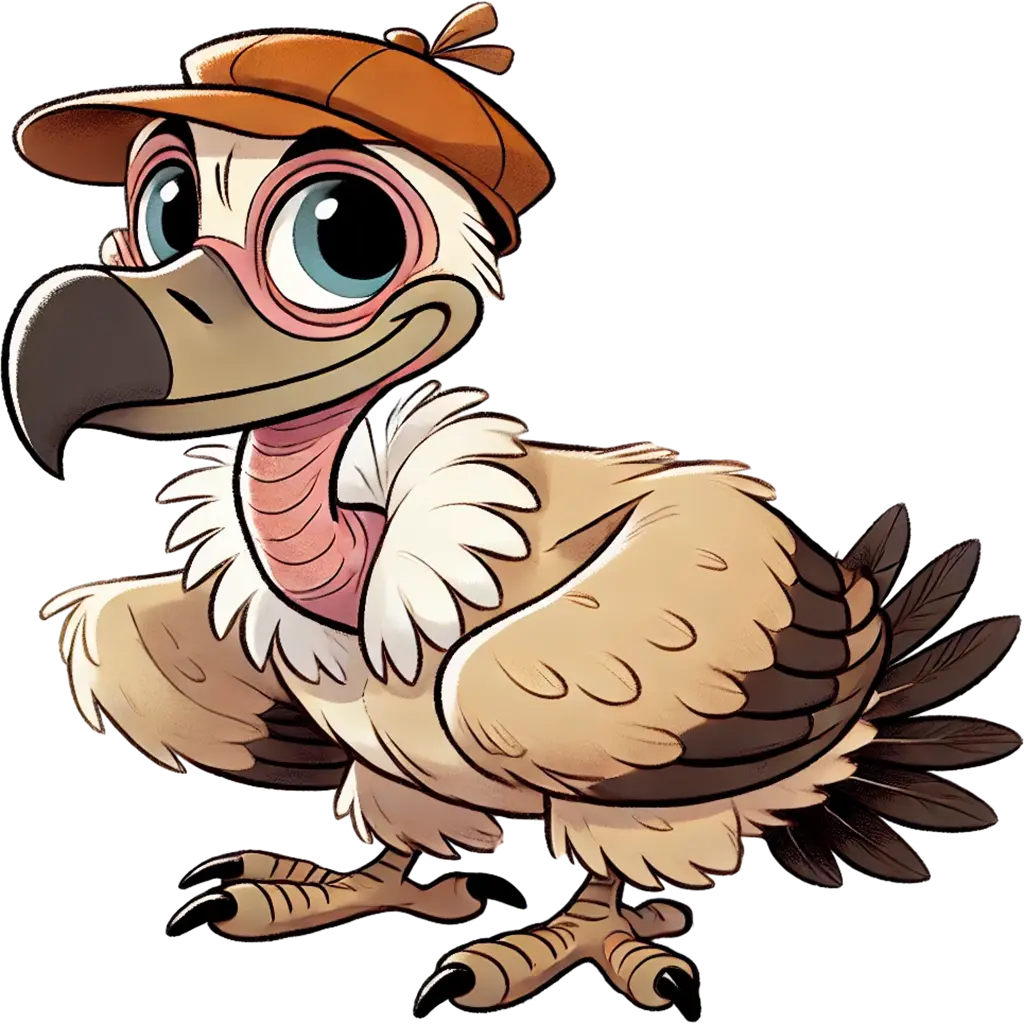
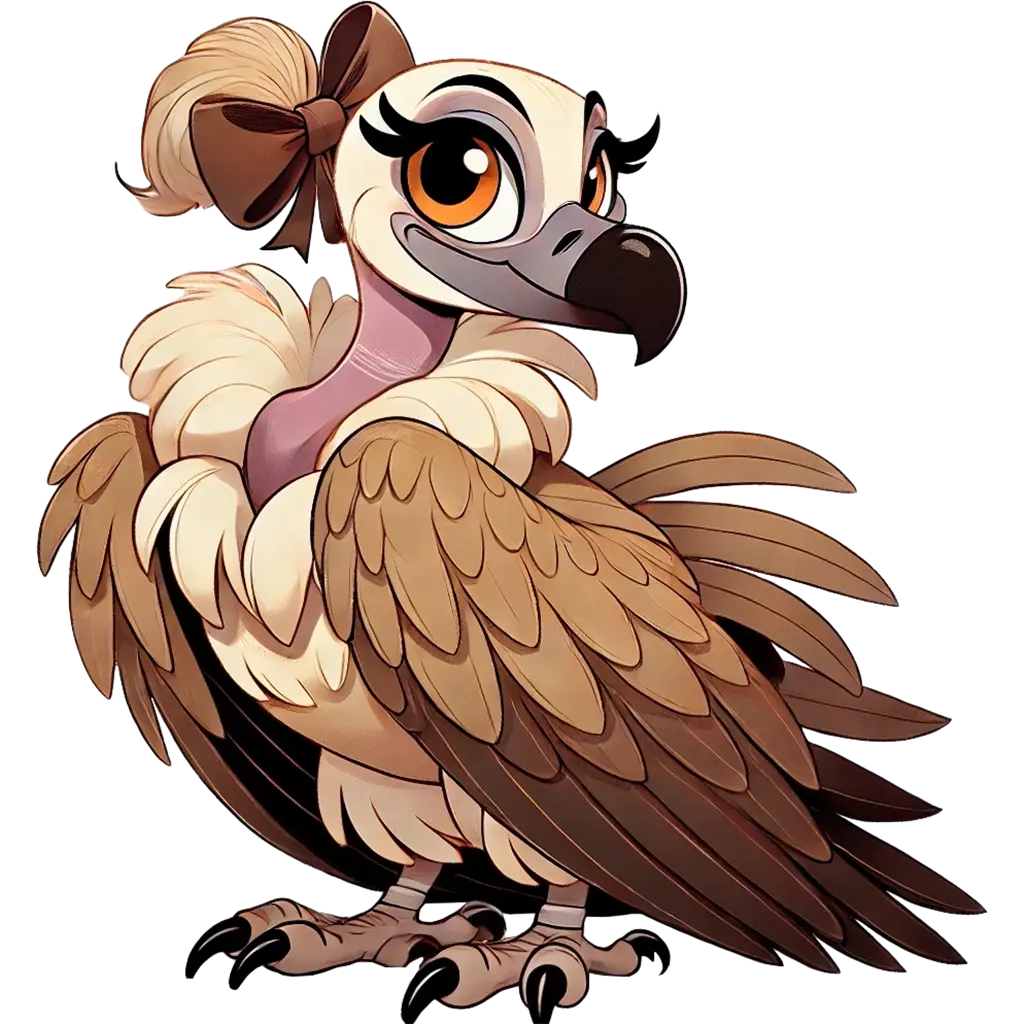
Ruppell's Vulture
Fun Fact
Ruppell's Vulture can fly at altitudes over 37,000 feet, higher than any other bird.
These vultures have a special hemoglobin type that enables efficient oxygen uptake at high elevations, allowing them to soar above the African savanna with ease. Their impressive flying abilities help them locate carrion across vast distances, providing a crucial ecological service by cleaning up the environment.

Download word search puzzles
Word Search Puzzles
Check Out Other Birds
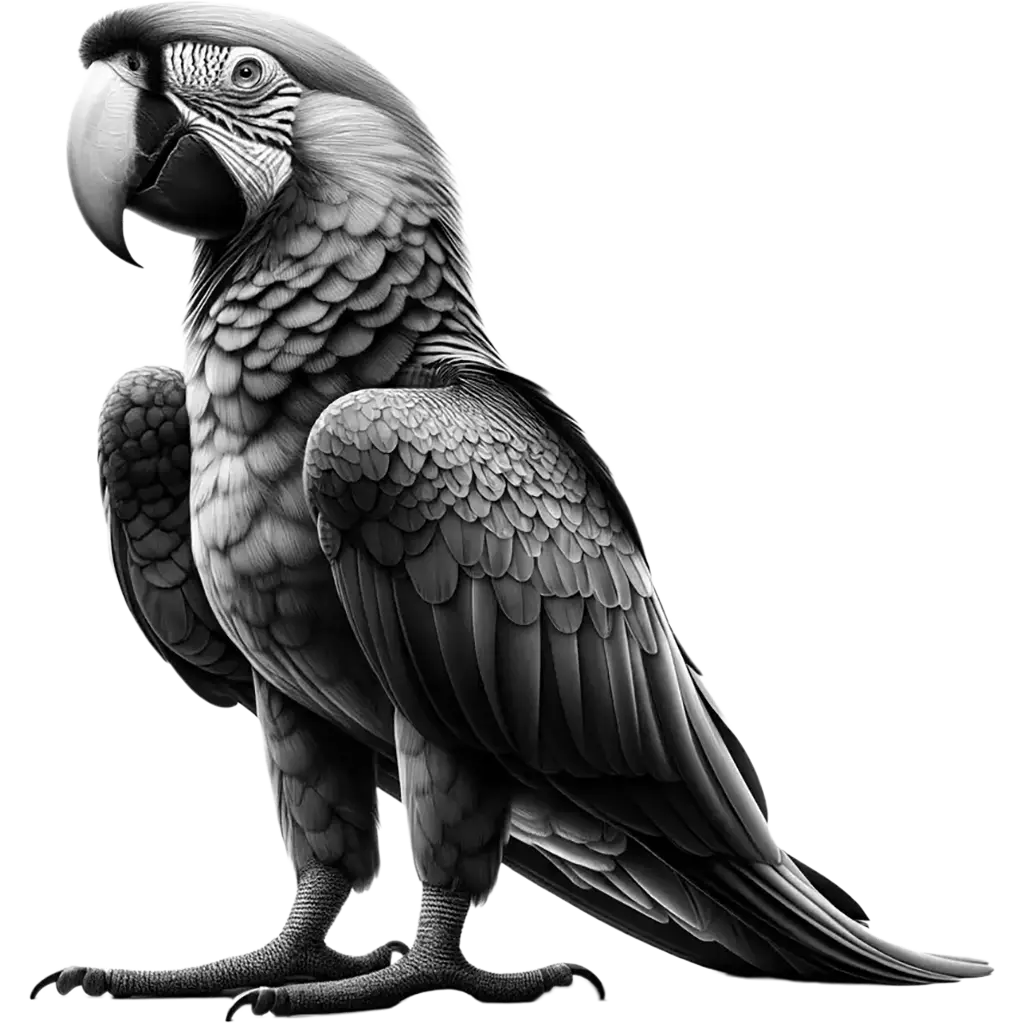
The Scarlet Macaw, ara macao, is a large, brightly colored parrot native to humid evergreen forests in Central and South America. This striking bird can reach up to 81 cm in length, including its long, pointed tail, and weighs about 1 kg. Its vibrant plumage is primarily scarlet, with blue
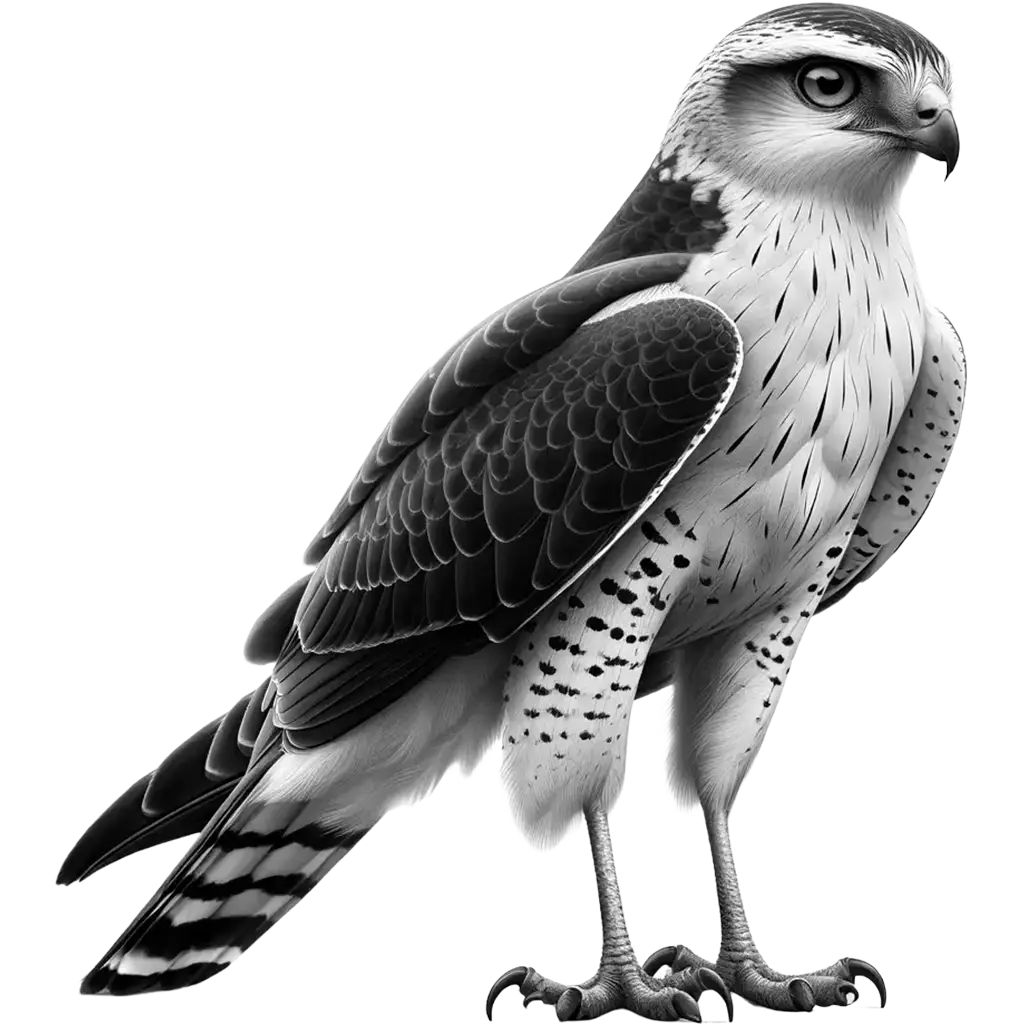
The Madagascar Harrier-Hawk, polyboroides radiatus, is a distinctive bird of prey endemic to Madagascar, known for its striking appearance and remarkable flexibility. This medium-sized raptor has a length of about 60 to 66 cm and exhibits a predominantly grey plumage with a white throat and fine black barring on the
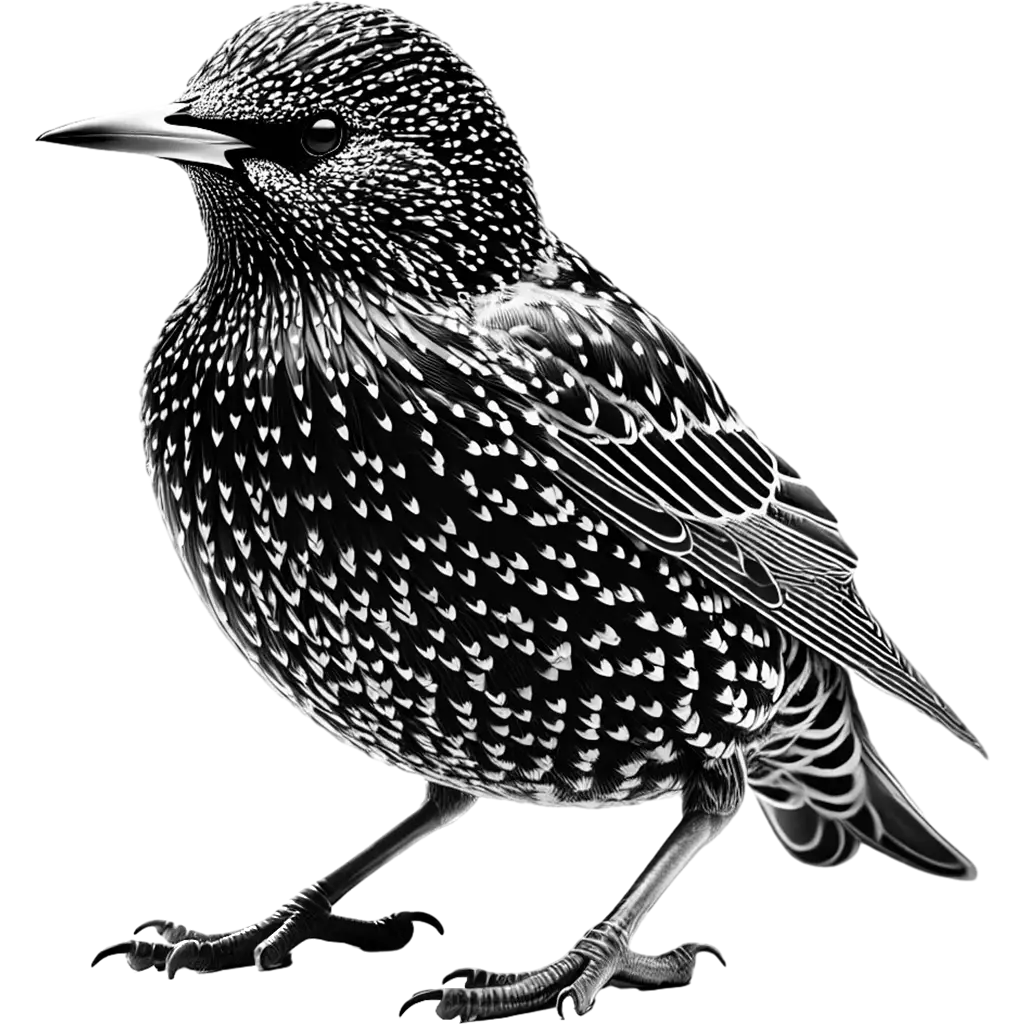
The Common Starling is a medium-sized passerine bird characterized by its striking, iridescent plumage that shimmers with hues of purple, green, and blue under sunlight. It sports a speckled, mottled appearance with dark brown and black feathers that create a dynamic pattern, while its sharp, pointed beak and strong legs
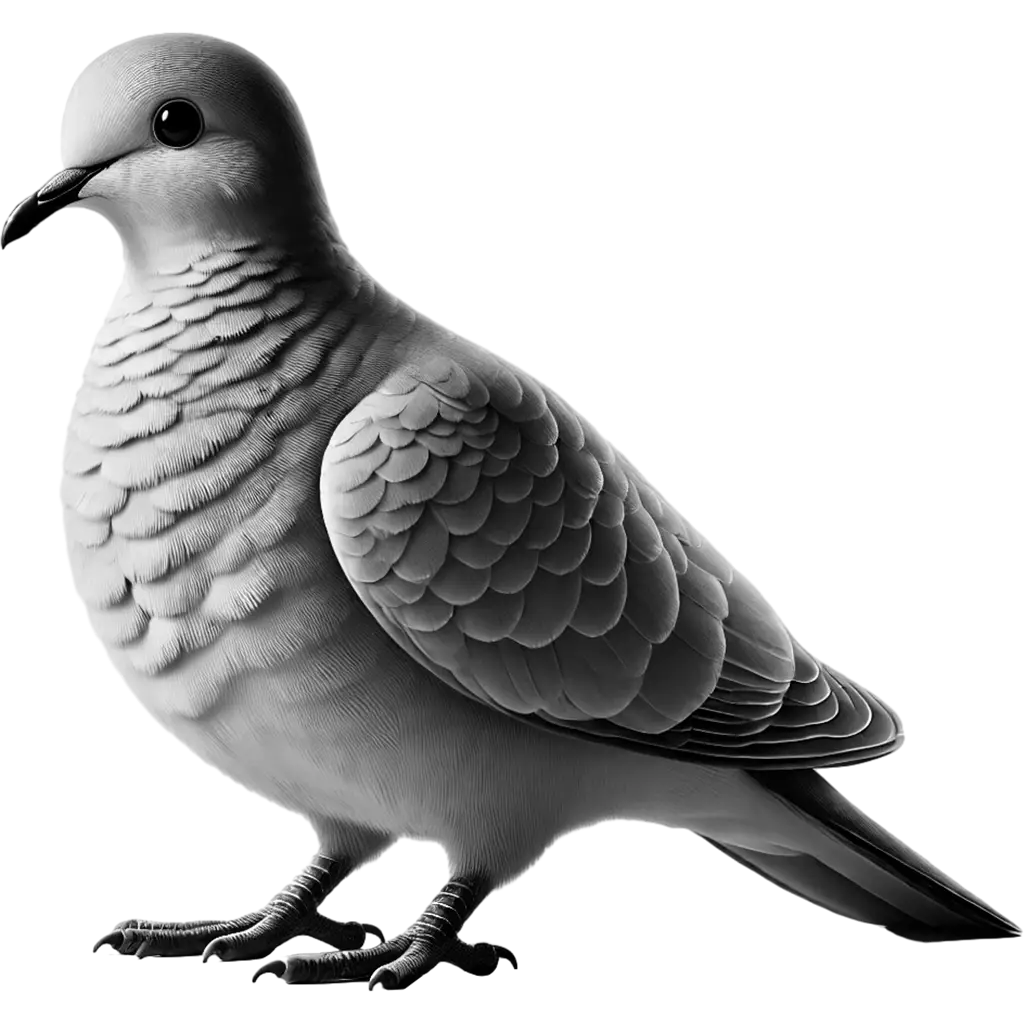
The Yungas Dove is a small, delicate bird with soft, muted plumage in shades of gray and brown that helps it blend seamlessly into the dense montane forests of the Yungas. Its subtle wing streaks and slender body are perfectly designed for agile flight among the trees, while a short,