
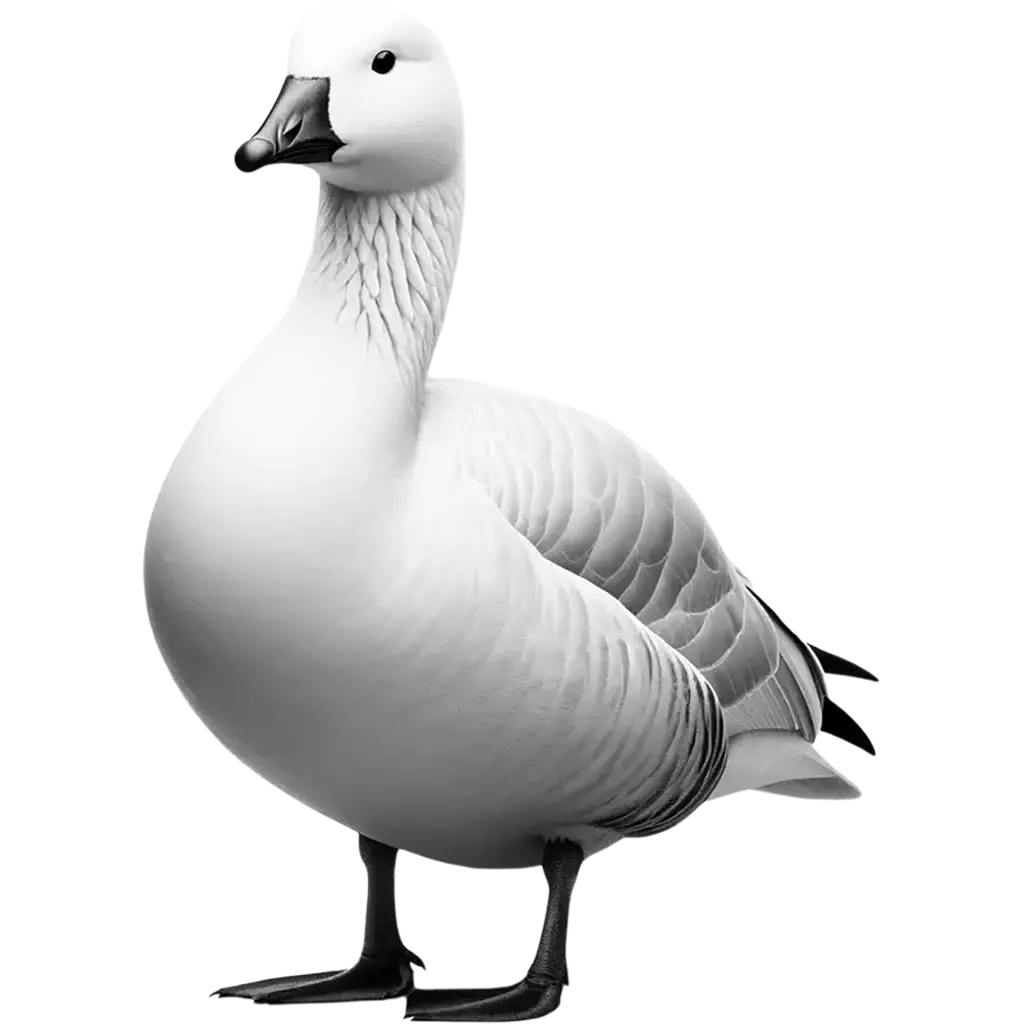
Anser Rossii
Ross's Goose
Tundra, wetlands, and agricultural fields during migration and winter
Ross's Goose, anser rossii, is a small white goose native to North America, distinguishable by its short neck and compact body. Measuring 53 to 66 cm in length and weighing between 1 to 1.6 kg, it is one of the smallest geese in its range. The species is characterized by its white plumage, which can occasionally exhibit a blue morph, and a distinctive red-orange bill with a variable degree of black at the base. A key identifier is the lack of the black 'grin patch' found in the closely related Snow Goose, making the two species distinguishable in the field.
| Population: | Listed as Least Concern, with populations increasing |
| Generation Length: | 5 years |
| Average Weight: | 1.2-1.6 kg |
| Average Length: | 53-66 cm |
| Lifespan: | 10-15 years in the wild |
| Diet: | Primarily vegetarian, feeding on grasses, sedges, and grains |
| Conservation Status: | Least Concern (LC) |
Ross's Geese breed in the high Arctic regions of Canada and migrate south to spend the winter in the central valleys of California, the southern United States, and northern Mexico. They prefer tundra landscapes near coastal areas for breeding and freshwater wetlands, agricultural fields, and estuaries as wintering grounds. This migratory pattern underscores their adaptability to different habitats and the importance of wetland ecosystems for their survival.
The diet of Ross's Goose primarily consists of grasses, sedges, and grains, with a particular preference for the roots and stems of aquatic plants in the summer. During the winter, they adapt to feed on leftover grains in agricultural fields, such as rice, wheat, and corn, contributing to their role in ecosystem nutrient cycling and agricultural pest control.
Reproduction for Ross's Goose typically involves nesting in colonies on the Arctic tundra, where the female lays a clutch of 2 to 6 eggs in a ground nest lined with down. Both parents participate in defending the nest site, but only the female incubates the eggs. After hatching, goslings are precocial, able to walk and feed themselves, but remain with their parents for warmth and protection until they are ready to fly.
The population of Ross's Goose has seen a significant increase in recent decades, a success story attributed to conservation efforts and habitat restoration projects. Despite their growing numbers, maintaining wetland habitats and monitoring the impacts of climate change on their breeding grounds are crucial for the continued health of Ross's Goose populations. Their increasing abundance also raises new challenges, such as managing their impact on agricultural lands and ensuring the sustainability of their wintering habitats.
Classifications
The Key Attributes
Features
- Movement:
Flying, walking, swimming
- Territorial Behavior:
Social, forms large flocks during migration and winter
- Speed:
Fast flyer, capable of long migratory journeys
- Diet:
Herbivore
- Physical Features:
- Small size for a goose
- White plumage with black wingtips and a short neck
- Pinkish-red bill and legs
- Round, compact body shape
- Primary Senses:
- Sight
- Hearing
Understanding Habitat and Range
Geography
- Habitat:
Tundra, wetlands, and agricultural fields during migration and winter
- Migration Patterns:
Highly migratory, breeding in the Arctic tundra and wintering in southern North America
- Geographical Range:
Breeds in northern Canada and Alaska; winters in the southwestern United States and Mexico
- Climate Preferences:
Breeds in cold arctic environments; winters in temperate to subtropical areas
Navigating the Wilderness
In the wild
- Predators:
Foxes, large birds of prey, and humans
- Prey:
Not applicable
- Feeding Behavior:
Grazes on grasses, grains, and aquatic plants
- Diet:
Primarily vegetarian, feeding on grasses, sedges, and grains
- Defensive Mechanisms:
- Flocking in large numbers for protection
- Vigilant while feeding to detect predators
- Preferred Food Sources:
- Arctic tundra for breeding; agricultural lands and wetlands for winter feeding
Insights Into Reproduction
Mating
- Mating System:
Monogamous
- Number of Offspring:
3-5 eggs
- Incubation Period:
About 23-25 days
- Parental Involvement:
- Both parents care for the young, with the female primarily responsible for incubation
Youngsters Section
Ross's Goose
Fun Fact
Ross's Goose is a small, white goose with a short neck and stubby bill, often found in North America.
These geese are among the smallest in their family, and they are known for their distinctively high-pitched calls. They primarily breed in the Arctic tundra and migrate to the southern United States during winter. Ross's Geese often form large flocks during migration, providing a spectacular sight for birdwatchers.

Download word search puzzles
Word Search Puzzles
Check Out Other Birds
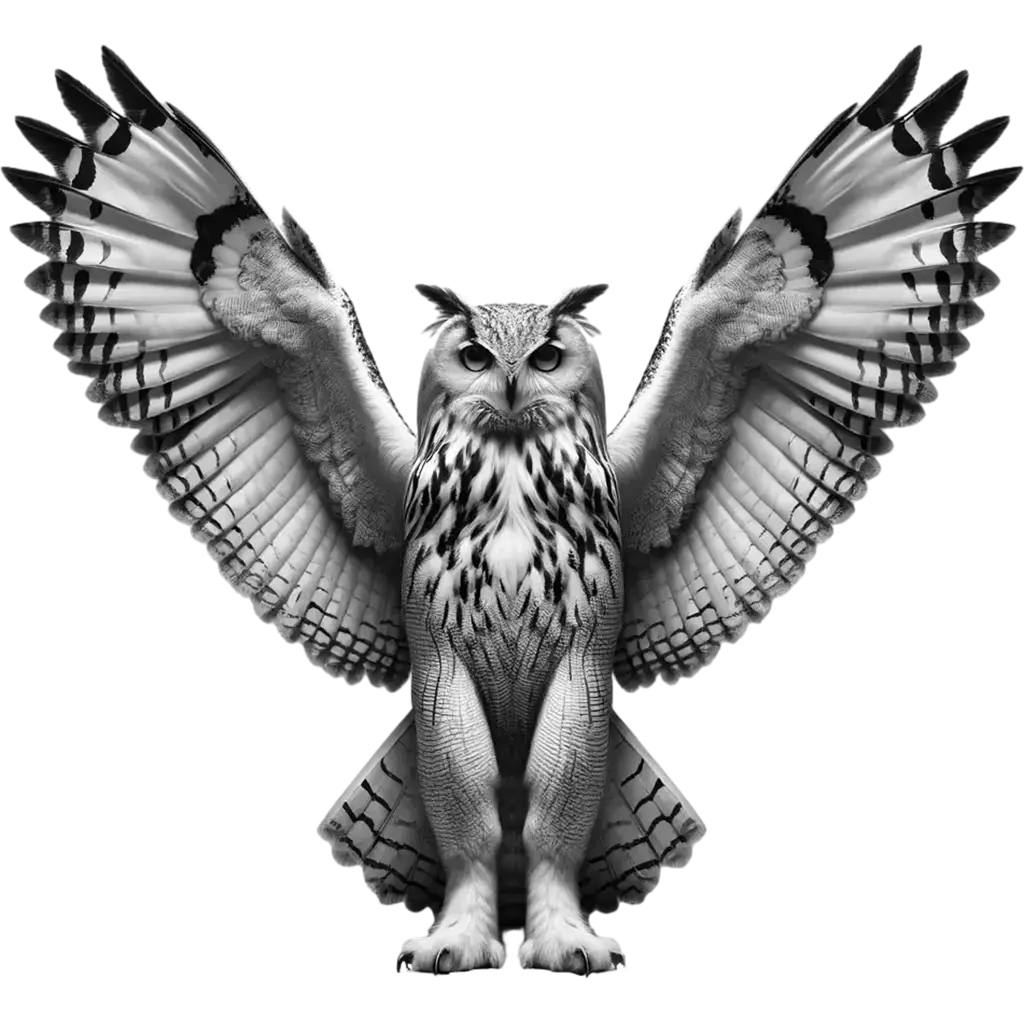
The Eurasian Eagle-Owl, bubo bubo, is one of the largest and most powerful owl species, with a widespread distribution across Europe, Asia, and parts of North Africa. This majestic bird is notable for its large size, with a wingspan that can reach up to 2 meters (6.6 feet), and a
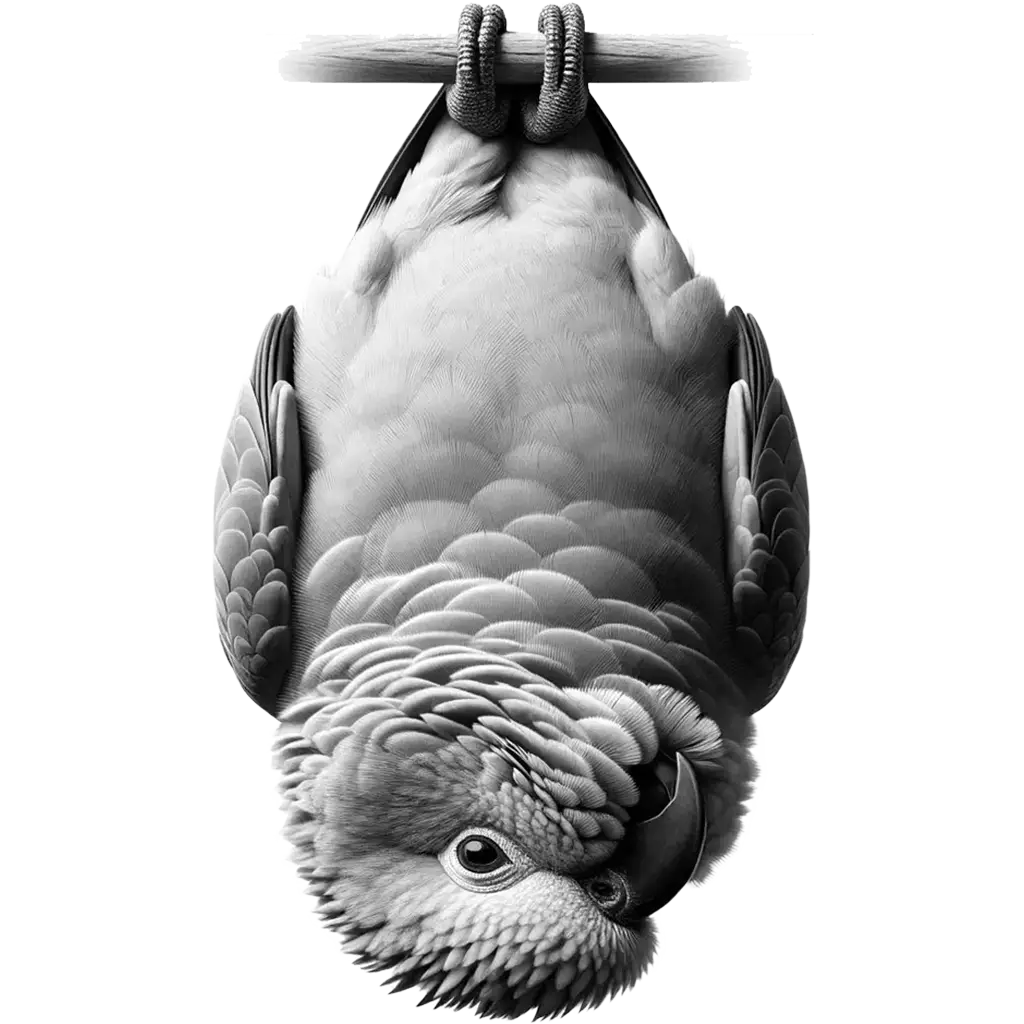
The Great Hanging Parrot, loriculus stigmatus, is a small, vibrant bird endemic to the islands of Sulawesi, Togian, Sula, and Banggai in Indonesia. This species is part of the Psittaculidae family, known for their ability to hang upside down while feeding or resting, a unique behavior from which their name
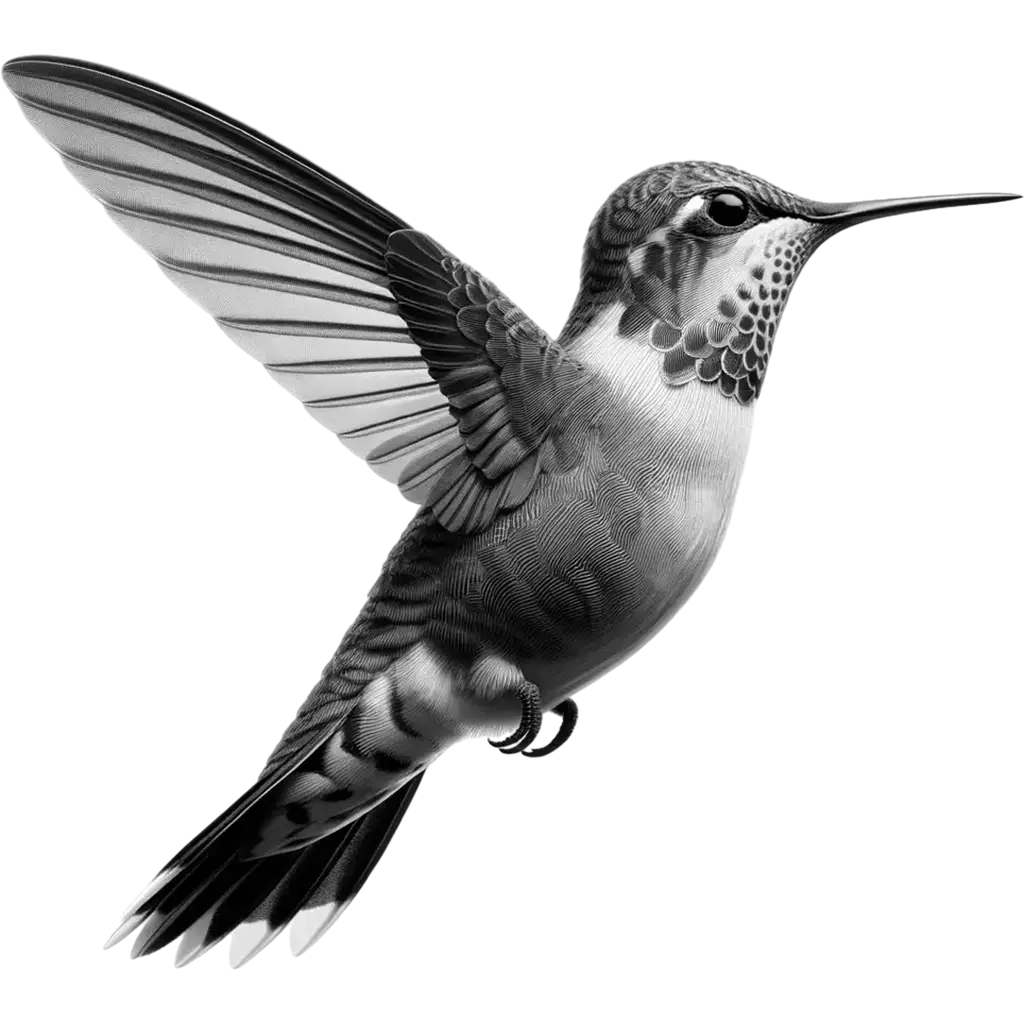
The Talamanca Hummingbird, eugenes spectabilis, is a large and striking bird native to the highlands of Costa Rica and western Panama. This bird boasts a robust body for a hummingbird, measuring up to 13 cm in length, and is renowned for its iridescent plumage. Males display a vibrant green back
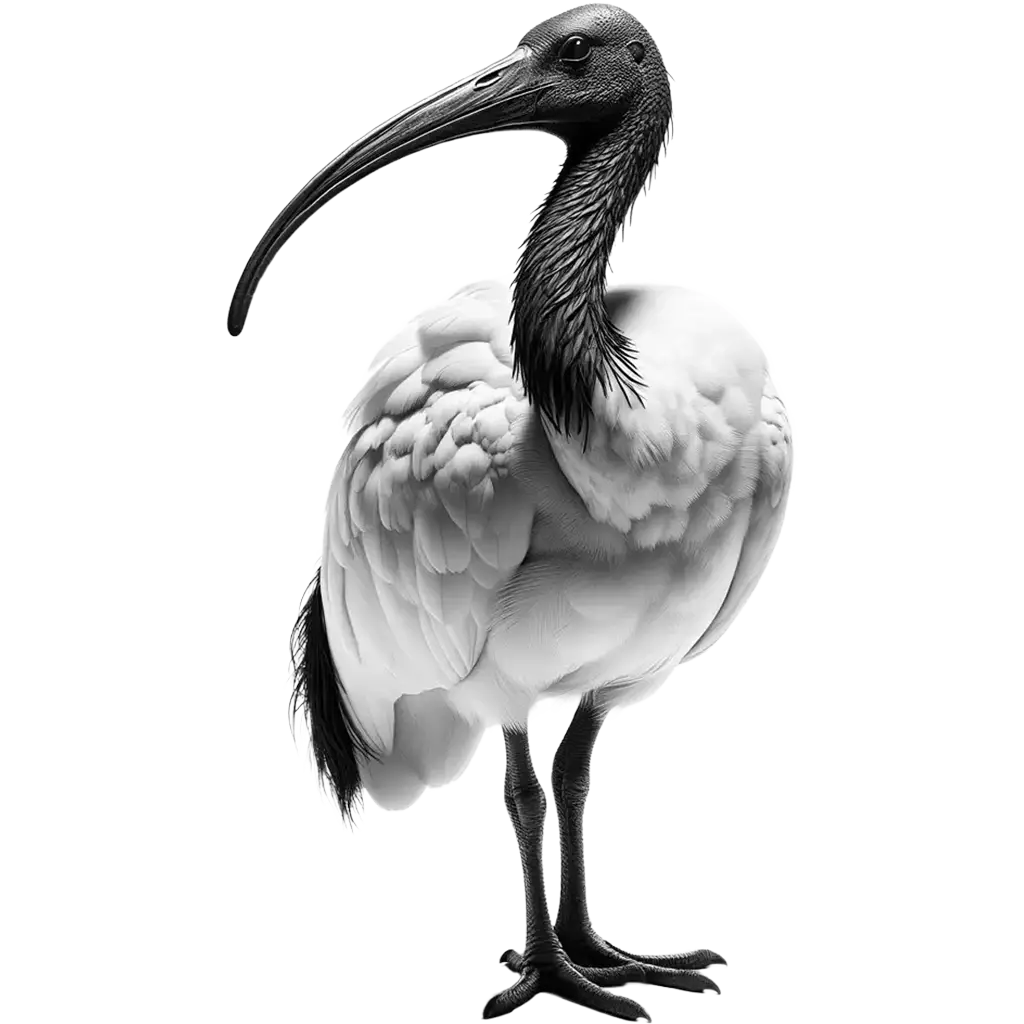
The African Sacred Ibis, threskiornis aethiopicus, is a striking wading bird native to sub-Saharan Africa and parts of Iraq. It is notable for its predominantly white plumage, contrasting black head and neck, and an impressive wingspan that features black flight feathers. Adults typically measure about 68 to 89 cm in