
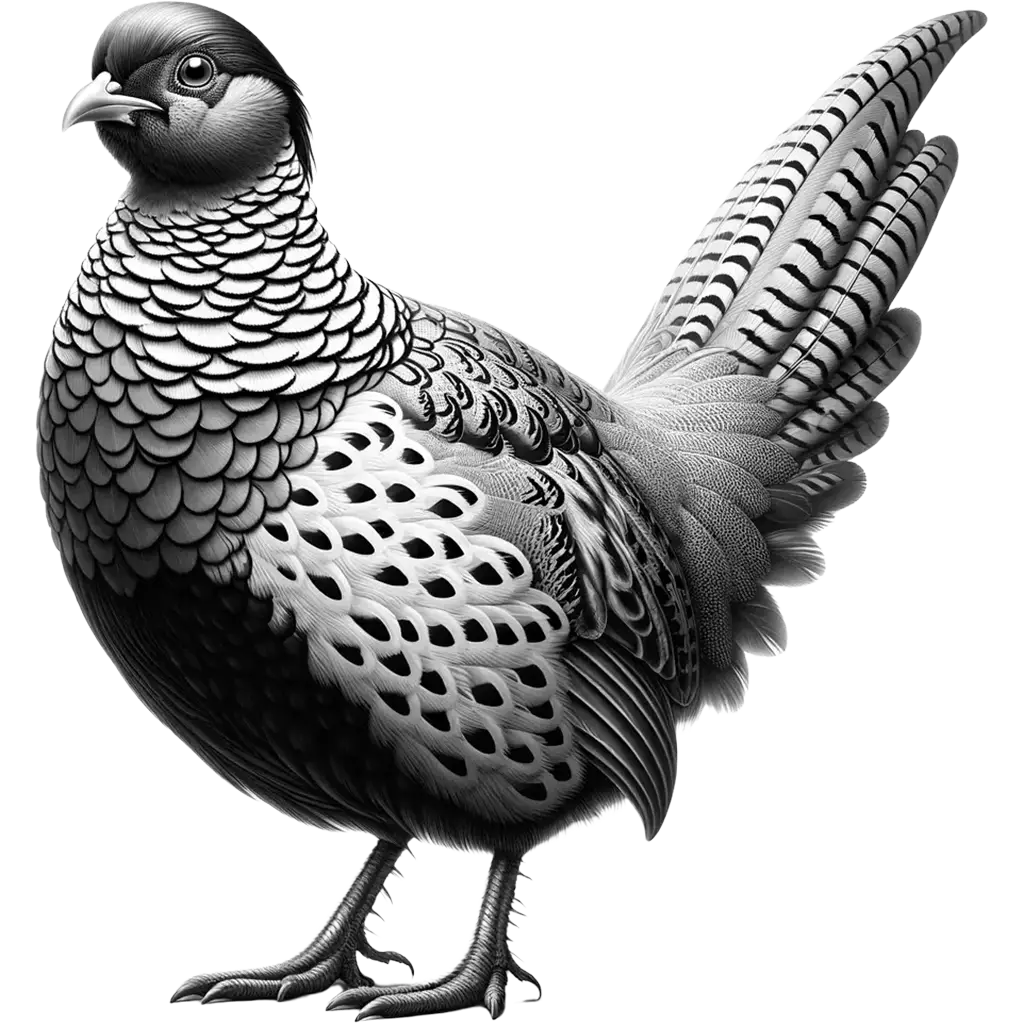
Syrmaticus Reevesii
Reeves's Pheasant
Forests, woodlands, and mountainous regions
The Reeves's Pheasant, syrmaticus reevesii, is a magnificent bird known for its extraordinary tail length and striking plumage. Males are particularly notable, with tails that can reach up to 2.4 meters in length, making them one of the longest-tailed pheasants in the world. The male's plumage is a vibrant mix of gold, white, black, and red, with a distinctive white mask around the eyes and a scaled appearance on the body due to the pattern of its feathers. Females are smaller and less colorful, with a mottled brown appearance that provides camouflage in their natural habitat. Adults can reach a body length of 75 to 90 cm, not including the male's elongated tail.
| Population: | Listed as Vulnerable due to habitat loss and hunting |
| Generation Length: | 5-6 years |
| Average Weight: | 1.2-1.5 kg |
| Average Length: | Male: up to 210 cm including tail; Female: 75 cm |
| Lifespan: | Up to 15-20 years in captivity, less in the wild |
| Diet: | Eats a mixed diet of grains, seeds, leaves, fruits, insects, and small animals |
| Conservation Status: | Vulnerable (VU) |
Native to the forests and woodlands of China, Reeves's Pheasant prefers habitats with dense underbrush for cover and open areas for foraging. This species has been introduced to other regions, including Europe, for hunting and ornamental purposes, where it has adapted to a variety of woodland environments. Despite its adaptability, the Reeves's Pheasant remains most vibrant and active in its natural range, where it can be observed performing elaborate courtship displays.
The diet of the Reeves's Pheasant primarily consists of seeds, grains, berries, and insects. They forage on the ground, using their strong beaks to dig and sift through leaf litter and soil. This varied diet helps them to thrive in diverse environments, contributing to their survival in both wild and introduced habitats.
Reproduction for Reeves's Pheasants involves the male displaying to attract females with his impressive plumage and tail. Nesting typically occurs on the ground in dense vegetation, where the female lays 7 to 14 eggs. She incubates the eggs alone, and the chicks are precocial, able to feed themselves shortly after hatching, though they remain under the mother's protection.
The population of the Reeves's Pheasant is considered Near Threatened, with habitat loss, hunting, and deforestation being the primary threats to their survival in the wild. Conservation efforts are focused on habitat protection and the management of wild populations to ensure the longevity of this species. The Reeves's Pheasant's unique beauty and the role it plays in the ecosystem highlight the importance of biodiversity and the need for continued conservation efforts.
Classifications
The Key Attributes
Features
- Movement:
Walking, flying
- Territorial Behavior:
Territorial, especially during breeding season
- Speed:
Capable of short, fast flights to escape danger
- Diet:
Omnivore
- Physical Features:
- Long tail feathers, especially in males
- Brilliant golden plumage with a white, black, and red head
- Strong legs and feet for scratching the ground
- Short, curved beak suitable for a varied diet
- Primary Senses:
- Sight
- Hearing
Understanding Habitat and Range
Geography
- Habitat:
Forests, woodlands, and mountainous regions
- Migration Patterns:
Non-migratory
- Geographical Range:
Native to China, with introduced populations in Europe and elsewhere
- Climate Preferences:
Temperate climates with a preference for dense, forested habitats
Navigating the Wilderness
In the wild
- Predators:
Birds of prey, mammals like foxes and wild dogs
- Prey:
Variety of plant material, insects, and small vertebrates
- Feeding Behavior:
Forages on the ground for seeds, grains, insects, and small animals
- Diet:
Eats a mixed diet of grains, seeds, leaves, fruits, insects, and small animals
- Defensive Mechanisms:
- Flight to dense vegetation or trees to escape predators
- Camouflage in underbrush
- Strong legs for quick escape and kicking
- Preferred Food Sources:
- Diverse understorey vegetation and open forest floors for foraging
Insights Into Reproduction
Mating
- Mating System:
Polygynous
- Number of Offspring:
7-14 eggs
- Incubation Period:
About 24-25 days
- Parental Involvement:
- Females primarily responsible for nesting and rearing the chicks
Youngsters Section
Reeves's Pheasant
Fun Fact
Reeves's Pheasant is known for its strikingly long tail, which can grow up to 2.4 meters in length.
This pheasant's tail is not just for show; it plays a crucial role in courtship displays. Native to central and eastern China, Reeves's Pheasant is a symbol of beauty and elegance. Unfortunately, habitat loss and hunting have threatened its population, making conservation efforts vital for its survival.

Download word search puzzles
Word Search Puzzles
Check Out Other Birds
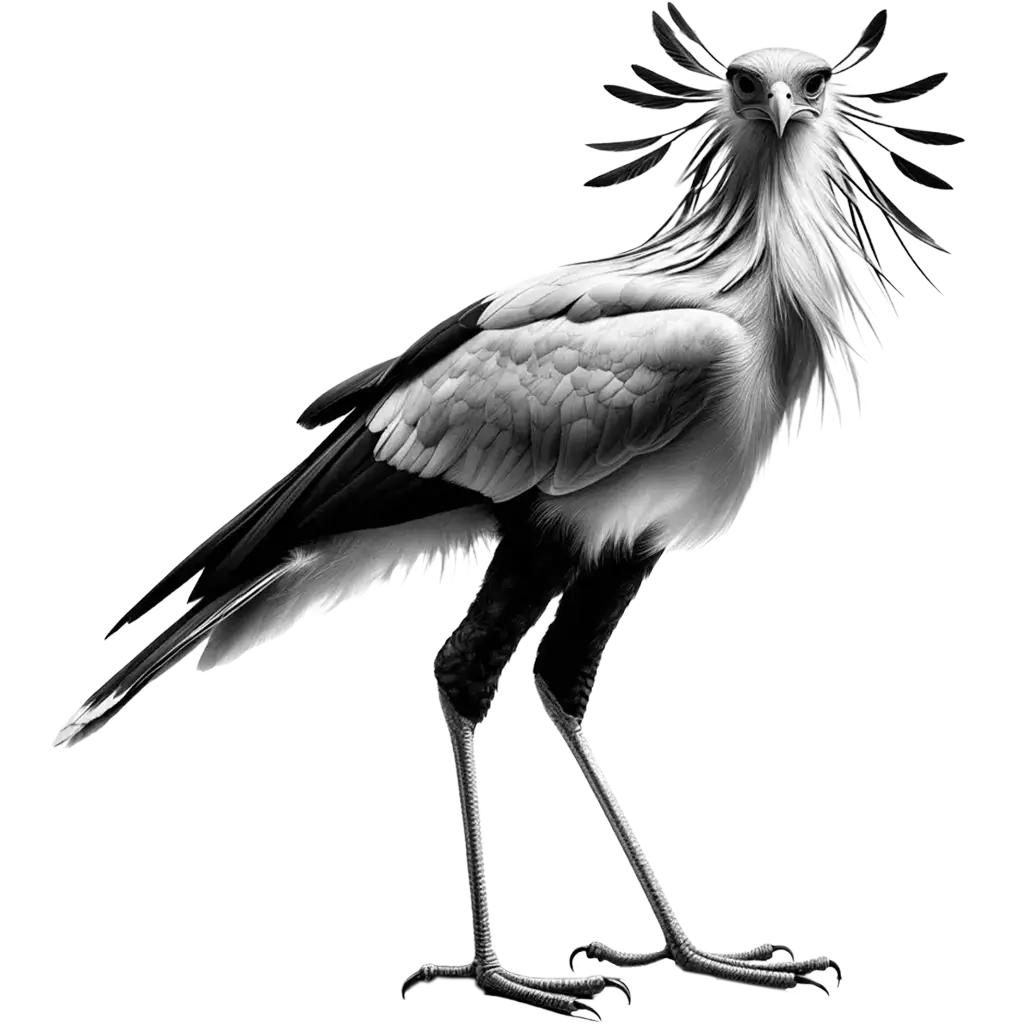
The Secretarybird, sagittarius serpentarius, is a unique bird of prey native to the open grasslands and savannas of Sub-Saharan Africa. This distinctive species stands tall on crane-like legs, reaching up to 1.3 meters in height, with a body length of about 1.4 meters from beak to tail. Its appearance is
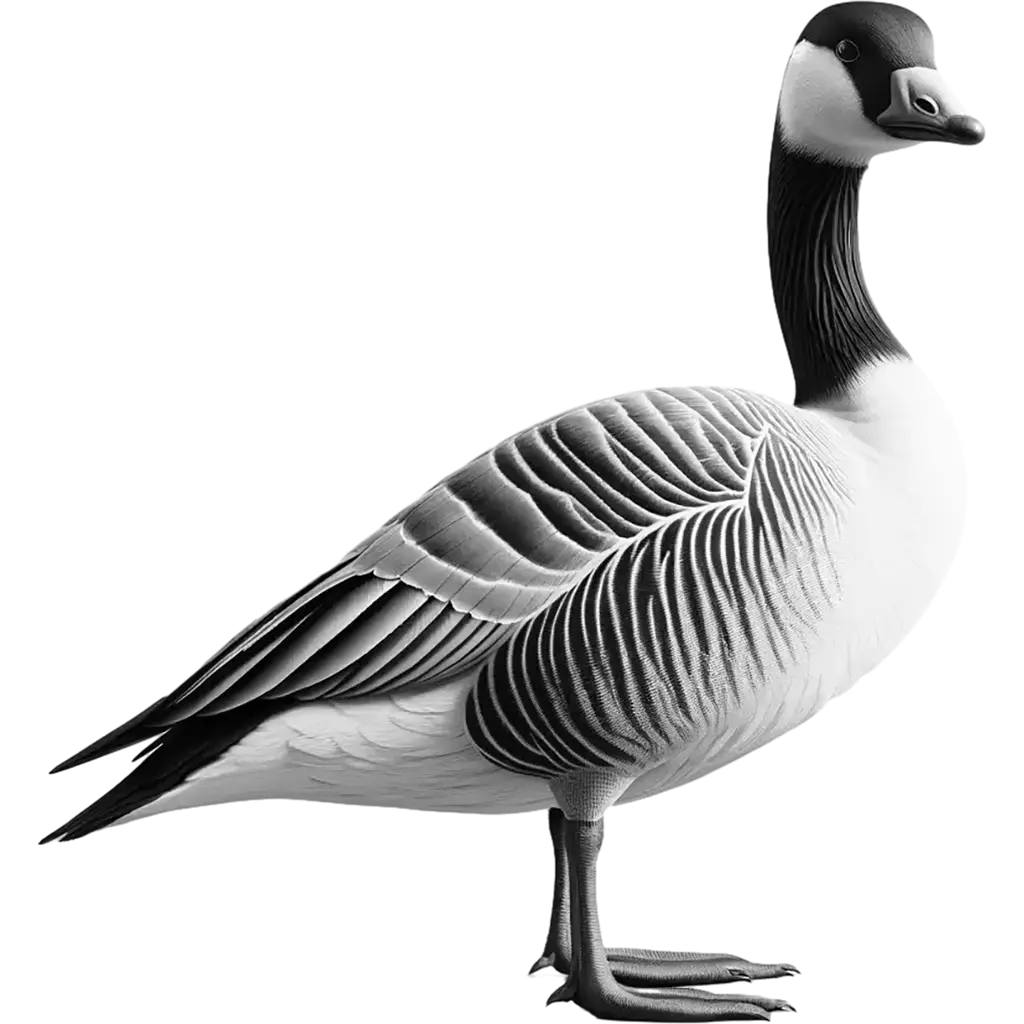
The Taiga Bean Goose, anser fabalis, is a large migratory bird that breeds in the northern taiga regions of Europe and Asia and winters in more temperate zones of Europe, eastern China, and Japan. This species is distinguished by its long neck, large body, and brownish-gray plumage, which provides excellent
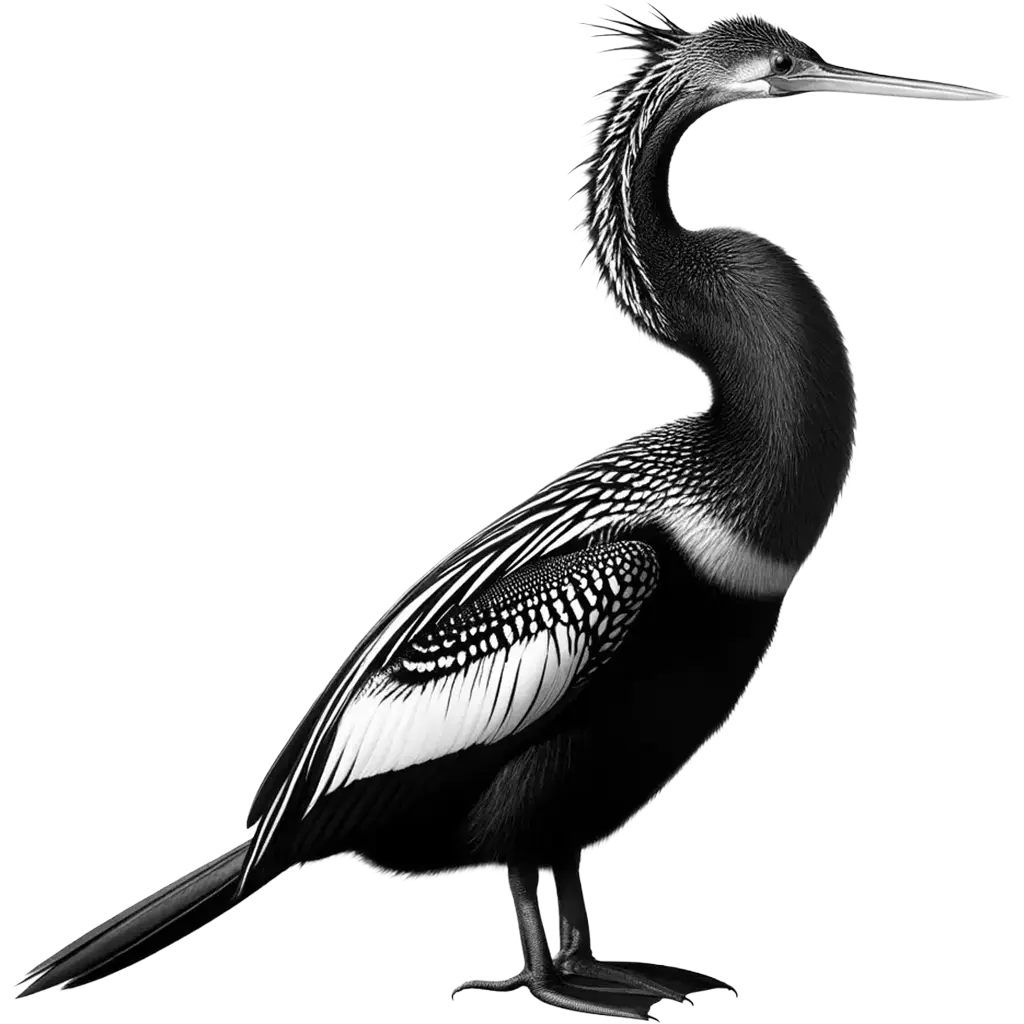
The Anhinga, Anhinga Anhinga, also known as the Snakebird, is a distinctive water bird native to freshwater lakes, swamps, and slow-moving rivers across the American tropics, from the southeastern United States to Argentina. This bird is named for its long, thin neck, which gives it a snake-like appearance when swimming
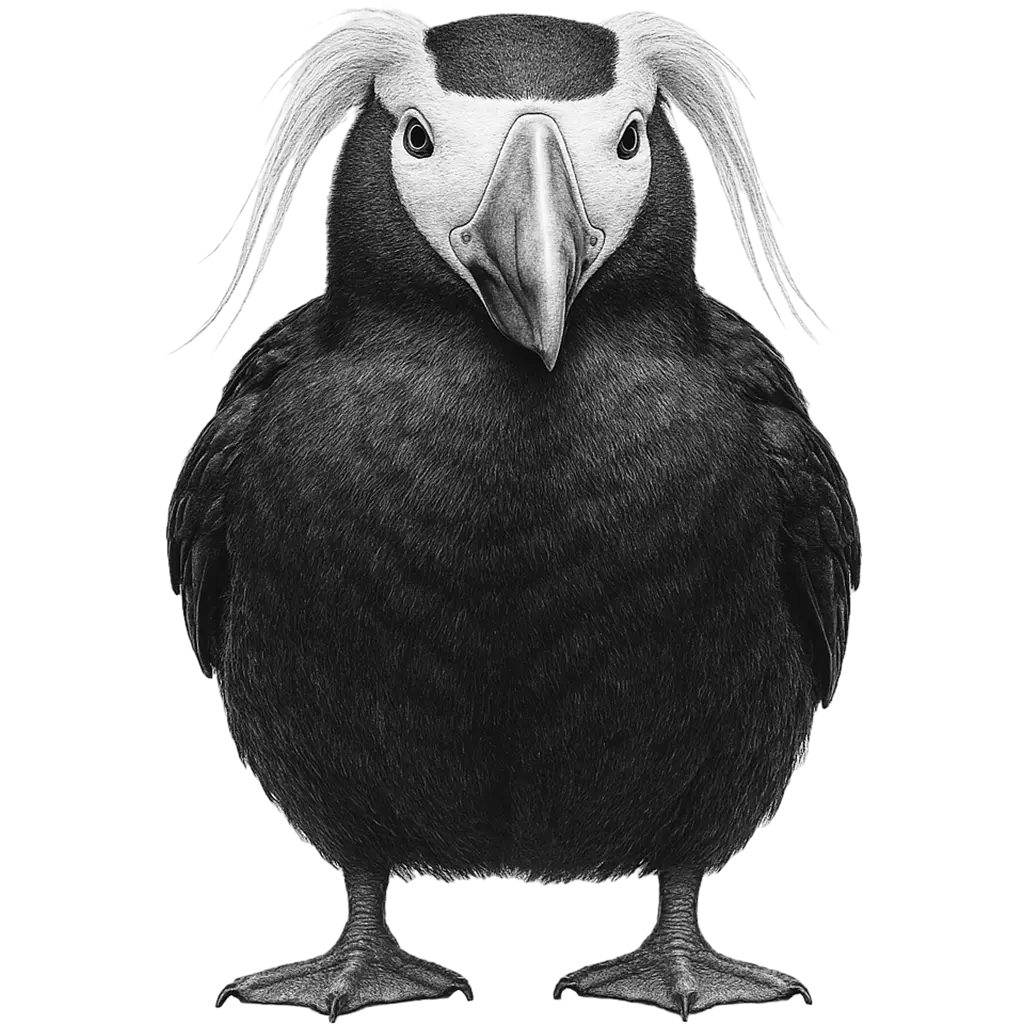
The Tufted Puffin is a striking seabird distinguished by glossy black plumage covering its body contrasted by a bright white facial mask. It measures between thirty-five and forty centimeters in length, with a robust, triangular red and yellow bill that broadens at the tip. Prominent golden-yellow tufts extend backward from