
Elaphurus Davidianus
Père David's Deer
Wetlands, marshes, and grasslands
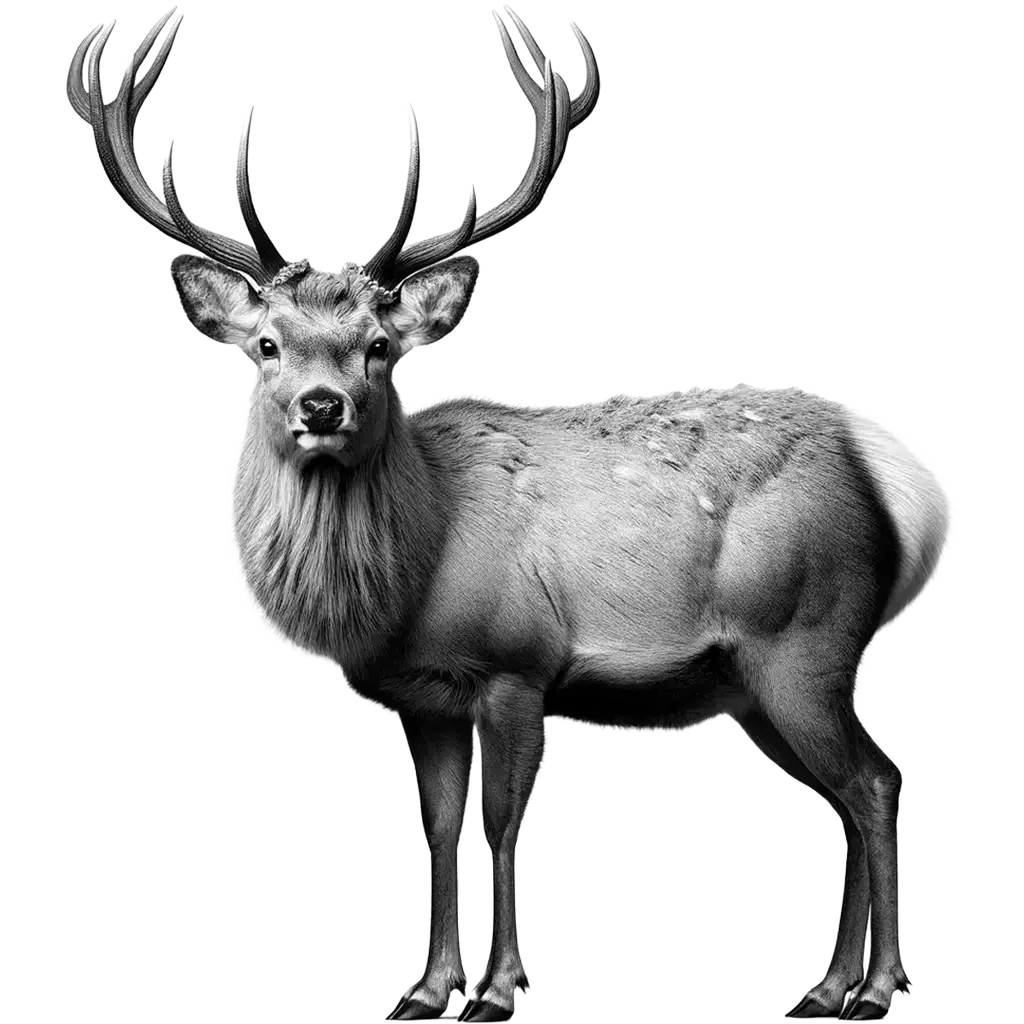
Père David's Deer, elaphurus davidianus, is distinguished by a unique set of features that defy the typical deer archetype. Adults exhibit a shaggy coat of reddish-brown fur in the summer, transitioning to a thicker, greyish hue in winter. Males are notable for their large, branched antlers, reminiscent of those found on stags, which they shed annually. This species stands out with its long tail, donkey-like neck, and cow-resembling hooves, measuring up to 200 kg (440 lbs) in weight, making it one of the larger deer species.
| Population: | Extinct in the wild, but reintroduced populations exist in protected areas |
| Generation Length: | 6-8 years |
| Average Weight: | 150-200 kg |
| Average Length: | Height at the shoulder: 120 cm |
| Lifespan: | 20-23 years in captivity, unknown in the wild |
| Diet: | Primarily grass, supplemented with other vegetation |
| Conservation Status: | Extinct In The Wild (EW) |
Originally native to China's river valleys, Père David's Deer was deemed extinct in the wild by the early 20th century due to overhunting and habitat loss. Remarkably, the species persisted through captive individuals in European zoos. Efforts in recent decades have focused on reintroduction programs within China, aiming to reestablish Père David's Deer in protected reserves. These deer are semi-aquatic, thriving in wetland habitats where they can graze and swim, displaying a preference for marshy terrains and a lifestyle that includes both diurnal and nocturnal activity patterns.
Père David's Deer are herbivores, with a diet predominantly consisting of grasses, leaves, and aquatic plants found in their marshy environments. Their feeding behavior is adapted to these wetlands, where they can easily access a variety of plant material. This diet supports their large size and energy needs, especially significant for males during the rutting season when physical displays consume more energy.
The breeding season for Père David's Deer is marked by the spring rut, when males engage in displays of strength to compete for females. This includes vocal calls, antler wrestling, and chasing. Females give birth to one or two fawns after a gestation period of about nine months, usually in secluded areas of their habitat to protect the young from potential predators.
Currently classified as 'Extinct in the Wild' by the IUCN, Père David's Deer survives due to captive breeding and reintroduction efforts. Populations exist in a few reserves and zoos globally, with ongoing projects aimed at increasing their numbers and genetic diversity. The long-term goal is to establish sustainable, free-ranging populations in suitable habitats, ensuring the species' survival and ecological role.
Classifications
The Key Attributes
Features
- Movement:
Walking, running, swimming
- Territorial Behavior:
Social, forming herds
- Speed:
Capable of running at moderate speeds; excellent swimmers
- Diet:
Herbivore
- Physical Features:
- Large body with long legs
- Branching antlers that are shed annually
- Webbed feet for swimming
- Long tail
- Primary Senses:
- Sight
- Hearing
- Smell
Understanding Habitat and Range
Geography
- Habitat:
Wetlands, marshes, and grasslands
- Migration Patterns:
Non-migratory
- Geographical Range:
Originally from China, now found in protected areas and reserves worldwide
- Climate Preferences:
Prefers temperate climates with access to water bodies
Navigating the Wilderness
In the wild
- Predators:
No natural predators in current habitats, historically preyed upon by large carnivores
- Prey:
Not applicable
- Feeding Behavior:
Grazes on grasses, herbs, and aquatic plants
- Diet:
Primarily grass, supplemented with other vegetation
- Defensive Mechanisms:
- Herd living for protection
- Swimming to evade threats
- Preferred Food Sources:
- Areas with abundant grass and access to water
Insights Into Reproduction
Mating
- Mating System:
Polygynous
- Number of Offspring:
Usually one calf
- Gestation Period:
About 9 months
- Parental Involvement:
- Females care for the calves with the herd providing some protection
Youngsters Section
Père David's Deer
Fun Fact
Père David's Deer is native to China but was extinct in the wild by the early 20th century.
Thanks to conservation efforts, they have been reintroduced to reserves in China. Known for their unique appearance, they have a long tail and branched antlers. Named after French missionary Armand David, they symbolize successful wildlife conservation.

Download word search puzzles
Word Search Puzzles
Check Out Other Mammals

The Pomeranian, known for its fluffy coat and lively personality, is a small breed of dog that belongs to the Spitz family. Adults typically weigh between 1.4 to 3.2 kg (3 to 7 pounds) and stand about 20 cm (7.9 inches) tall at the shoulder, making them one of the
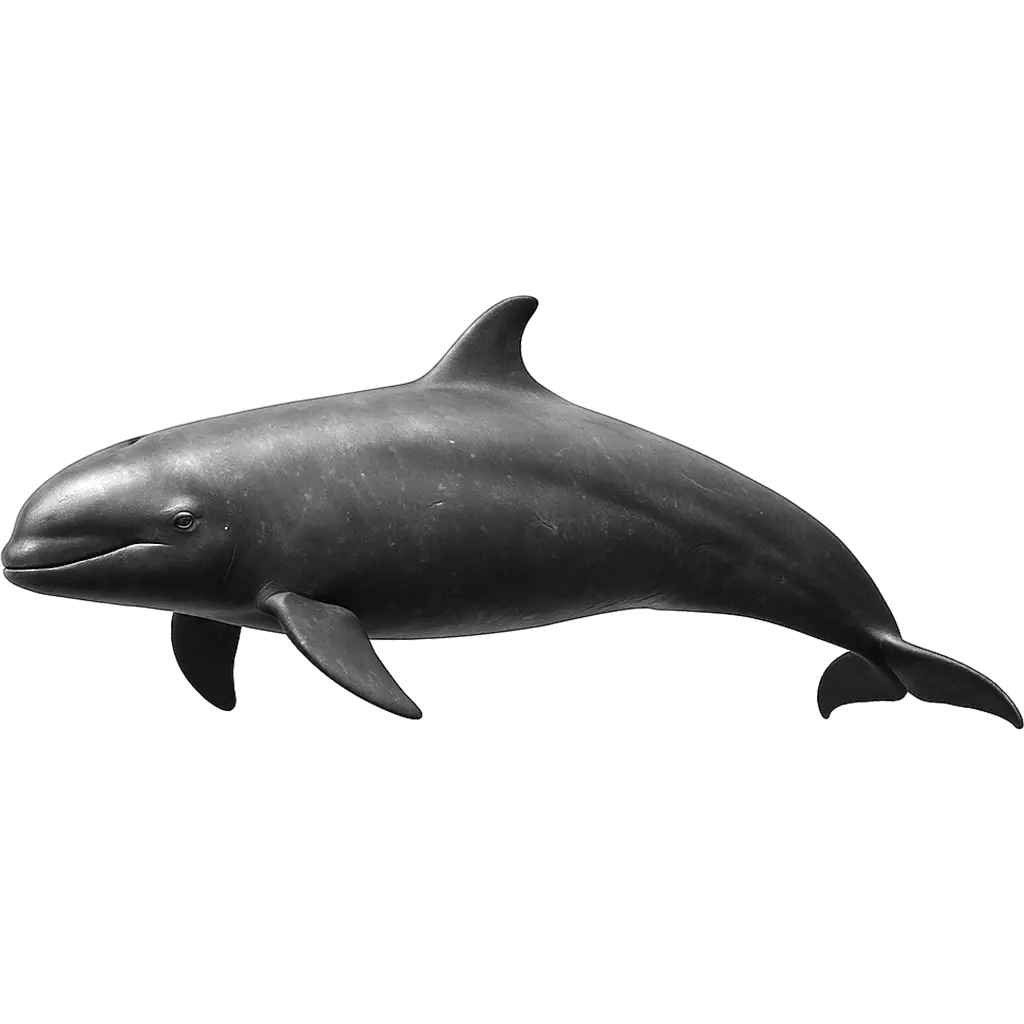
The False Killer Whale exhibits a sleek, robust body with a dark, uniform coloration that ranges from deep gray to nearly black. Its streamlined form and powerful flippers enable graceful, efficient movement through the ocean. A prominent dorsal fin and a tapered head add to its striking appearance, while the
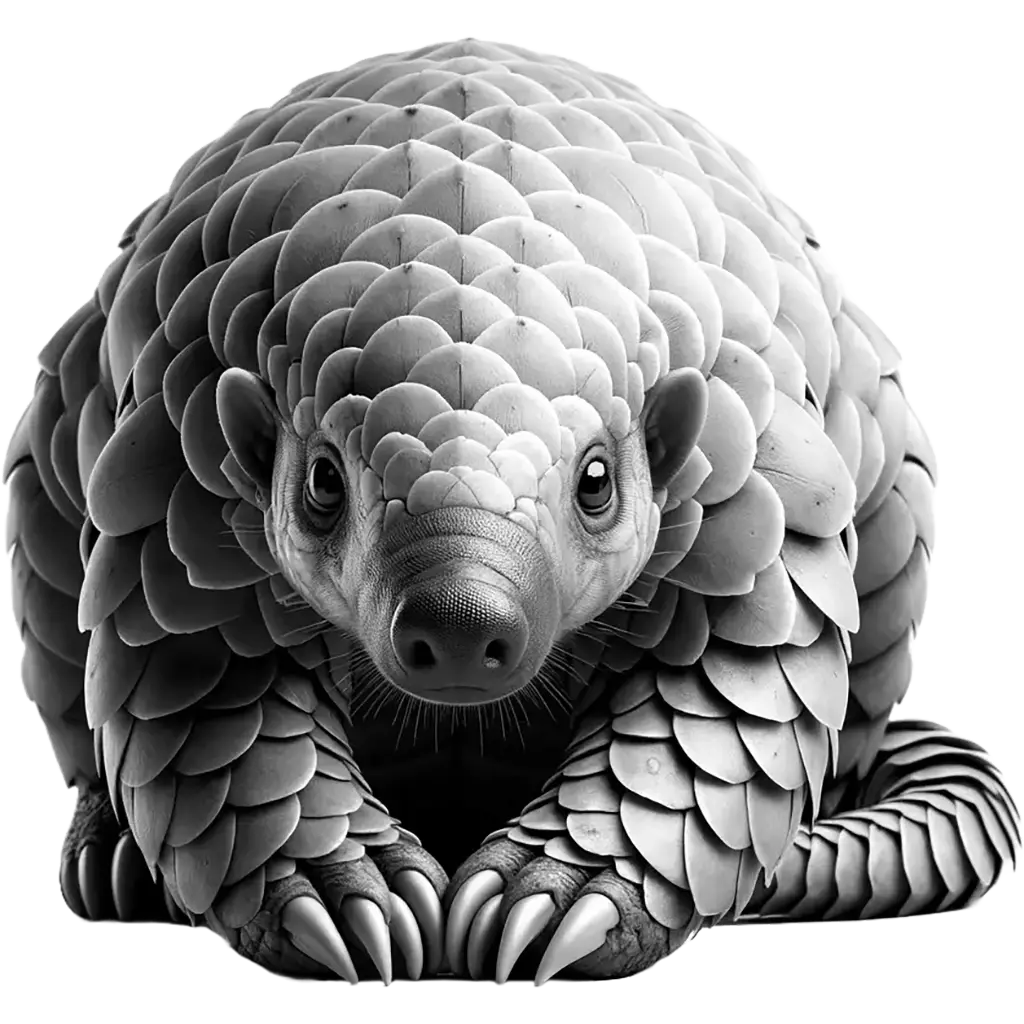
The Indian Pangolin, manis crassicaudata, is a unique and elusive mammal native to the Indian subcontinent, including parts of India, Sri Lanka, Bangladesh, and Pakistan. Characterized by its armored scales, which cover most of its body except for the underside, face, and inner limbs, the Indian Pangolin is an anteater

The African Wild Dog is a highly social and uniquely patterned canid found in Sub-Saharan Africa. Known for its distinctive mottled coat, no two individuals have the same pattern of black, white, and tan fur. It has large, rounded ears that enhance its hearing and help with thermoregulation, as well