
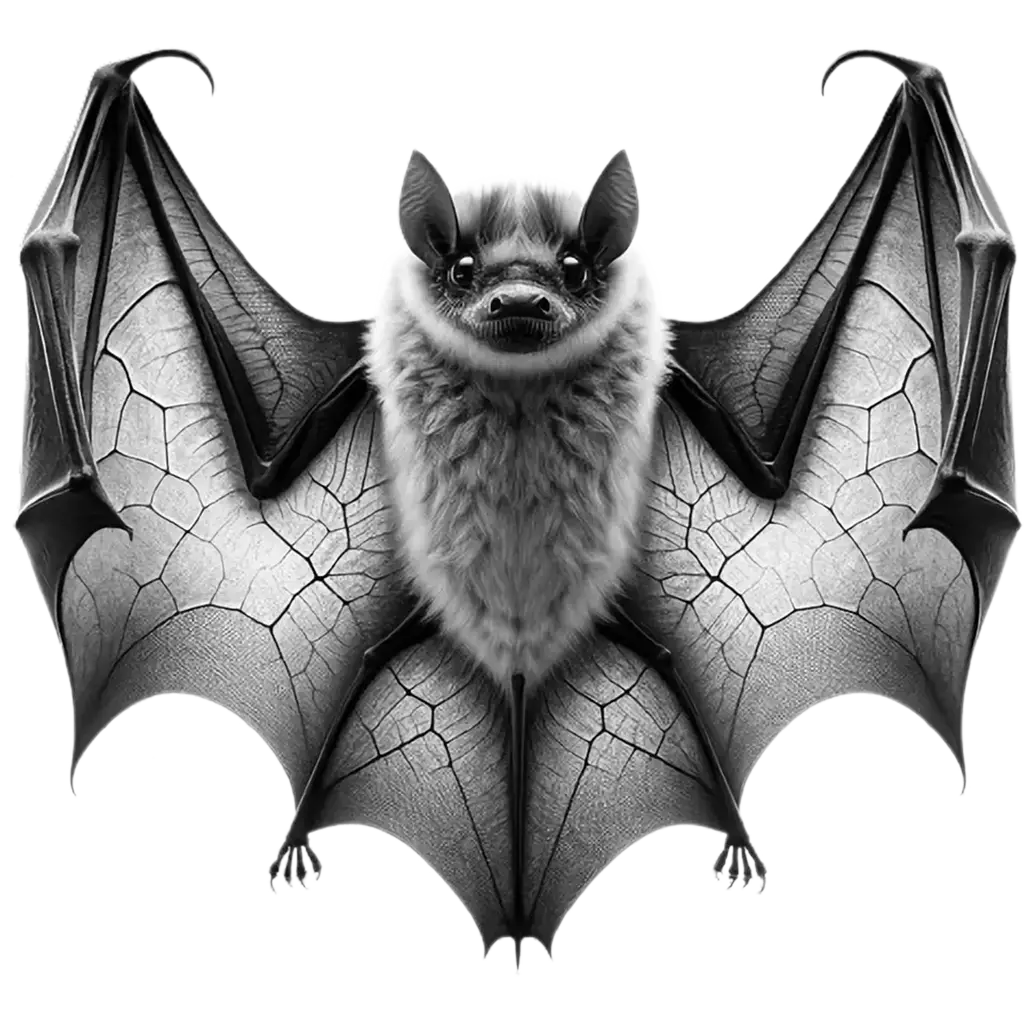
Rhinolophus Pearsonii
Pearson's Horseshoe Bat
Forested areas, caves, and occasionally buildings in rural areas
The Pearson's Horseshoe Bat, rhinolophus pearsonii, is a small to medium-sized bat species, distinguished by its unique nasal structure resembling a horseshoe, which serves as an adaptation for its echolocation abilities. This bat typically exhibits a fur color ranging from gray to brown, providing camouflage in its roosting environments. With a forearm length of about 4.5 to 5.2 cm, it is among the smaller members of the horseshoe bat family. The intricate structure of its nose leaf aids in focusing echolocation calls, allowing it to navigate and hunt with remarkable precision in complete darkness.
| Population: | Not currently considered threatened, but detailed population studies are lacking |
| Generation Length: | 3-4 years |
| Average Weight: | Approximately 5-12 grams |
| Average Length: | Body length: 4.5-5.5 cm, with a wingspan of 18-25 cm |
| Lifespan: | Can live up to 10 years or more in the wild |
| Diet: | Insects |
| Conservation Status: | Least Concern (LC) |
Pearson's Horseshoe Bat is primarily nocturnal, spending its days in the relative safety of caves, old buildings, or hollow trees, emerging at dusk to feed. It is known for its preference for specific roosting sites, often returning to the same spot regularly. Socially, these bats may roost individually or in small groups, and their social structure can vary significantly between populations. Their echolocation calls are crucial for social interactions, as well as for hunting and navigating through their habitat, which includes forests, woodlands, and areas near water bodies.
The diet of Pearson's Horseshoe Bat mainly consists of insects, particularly moths, beetles, and flies, which they catch in flight using their adept flying skills and precise echolocation. Their feeding activity plays a crucial role in controlling insect populations, making them an important part of their ecosystem. They are capable of consuming a significant portion of their body weight in insects each night, highlighting their efficiency as predators.
Mating for Pearson's Horseshoe Bat typically occurs in the autumn, with females giving birth to a single offspring in late spring or early summer. The reproductive cycle is closely linked to the availability of food resources, ensuring that the young are born at a time when food is most abundant. This timing maximizes the chances of survival for the offspring, as the mothers need ample food to produce milk for nursing. Parental care is primarily provided by the female, who invests significantly in her single offspring, demonstrating the species' K-selected reproductive strategy.
The population status of Pearson's Horseshoe Bat varies across its range, which extends through parts of South and Southeast Asia. While not currently listed as endangered globally, local populations may face threats from habitat destruction, disturbance of roosting sites, and pesticide use, which can reduce their insect prey. Conservation efforts focusing on habitat protection and minimizing disturbances to roosting sites are vital for maintaining healthy populations of this ecologically important species.
Classifications
The Key Attributes
Features
- Movement:
Flight
- Territorial Behavior:
Somewhat territorial, especially around roosting sites
- Speed:
Not specifically quantified; capable of agile flight maneuvers in tight spaces
- Diet:
Insectivore
- Physical Features:
- Distinctive horseshoe-shaped structure around the nose used for echolocation
- Small size with brown to reddish-brown fur
- Large, pointed ears
- Tail extends slightly beyond the flight membrane
- Primary Senses:
- Echolocation (hearing)
- Sight
- Smell
Understanding Habitat and Range
Geography
- Habitat:
Forested areas, caves, and occasionally buildings in rural areas
- Migration Patterns:
Generally sedentary with some local movements related to seasonal changes in food availability
- Geographical Range:
Widely distributed in South and Southeast Asia, including India, Nepal, Bangladesh, and parts of China and Myanmar
- Climate Preferences:
Prefers warm, humid climates typical of tropical and subtropical regions
Navigating the Wilderness
In the wild
- Predators:
Owls and other large nocturnal birds of prey
- Prey:
A wide variety of flying insects
- Feeding Behavior:
Nocturnal, using echolocation to navigate and hunt for insects in flight
- Diet:
Insects
- Defensive Mechanisms:
- Echolocation for navigating and detecting predators
- Flight agility
- Roosting in secluded places to avoid predators
- Preferred Food Sources:
- Flying insects
Insights Into Reproduction
Mating
- Mating System:
Polygynous
- Number of Offspring:
Typically one offspring per year
- Incubation Period:
Pregnancy lasts about 3-4 months
- Parental Involvement:
- Female provides all care, from nursing to teaching flight
Youngsters Section
Pearson's Horseshoe Bat
Fun Fact
Pearson's horseshoe bat uses echolocation for navigation and hunting, emitting high-frequency calls.
These bats are named for the horseshoe-shaped structure on their noses, which helps focus their echolocation calls. They can be found in South Asia, primarily in forested areas. Pearson's horseshoe bats roost in caves and old buildings, often in colonies.

Download word search puzzles
Word Search Puzzles
Check Out Other Mammals
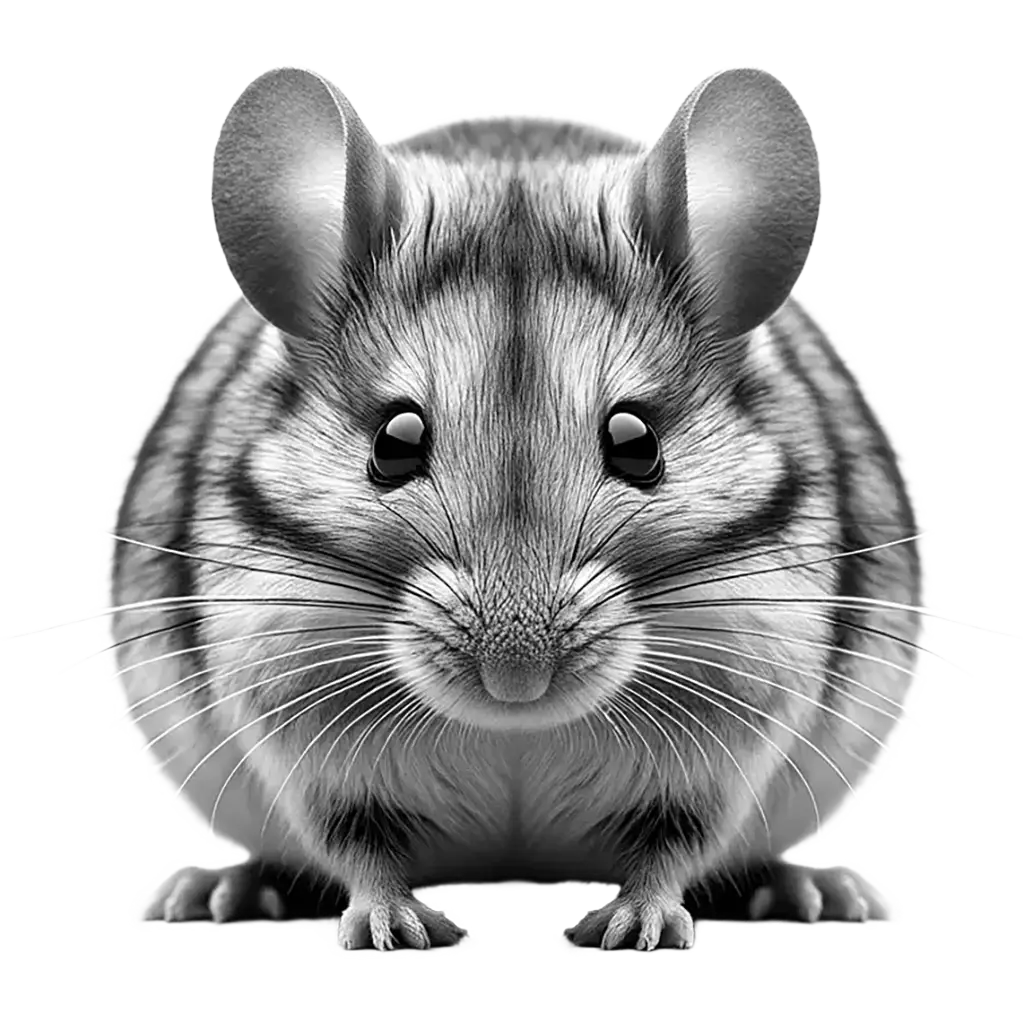
The Barbary Striped Grass Mouse, lemniscomys barbarus, is a small, distinctive rodent known for its unique striping pattern along its back. Adult individuals typically measure between 9 to 12 cm in body length, with a tail that can add an additional 8 to 10 cm. Their fur is soft and
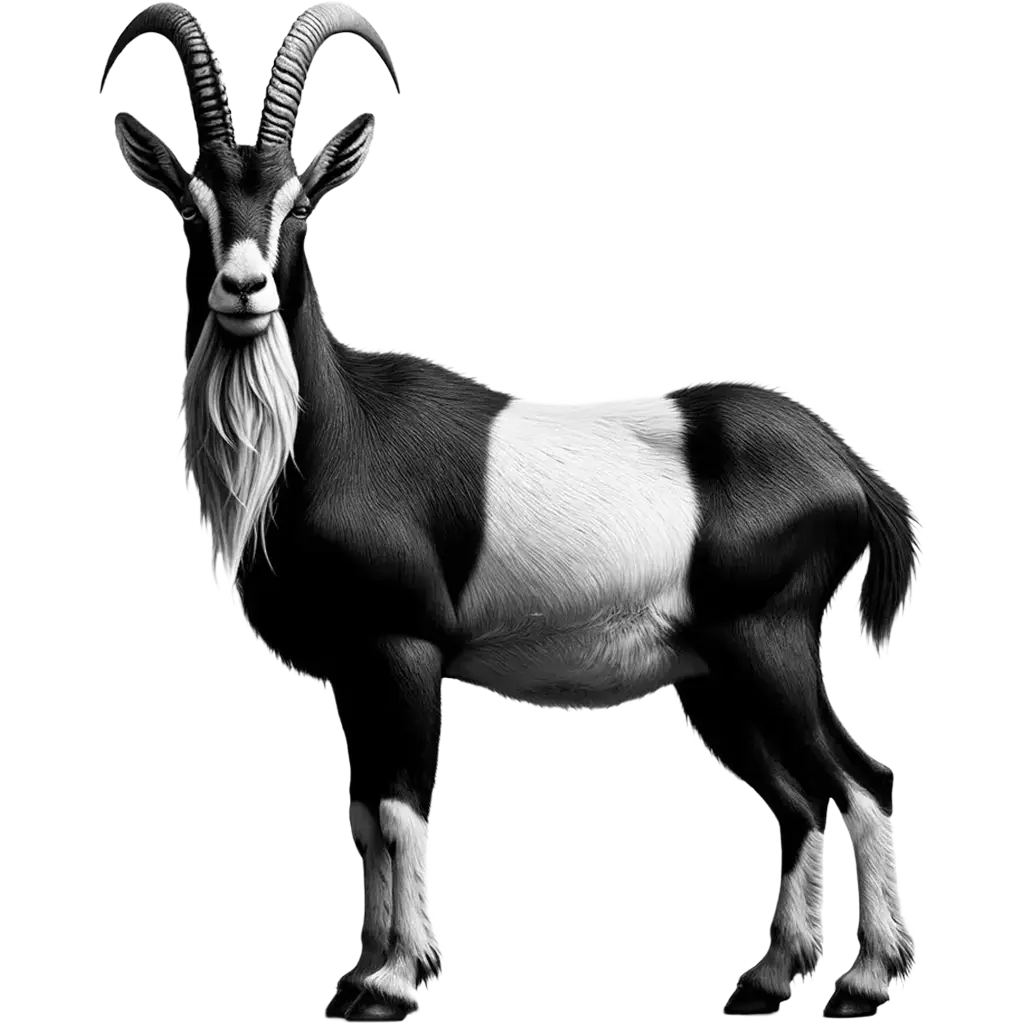
The Wild Goat, capra aegagrus, is the ancestral species from which domestic goats (Capra aegagrus hircus) are derived. It exhibits a robust and agile physique, with adults typically measuring 120 to 150 cm in length and standing 70 to 90 cm tall at the shoulder. Males are larger and more
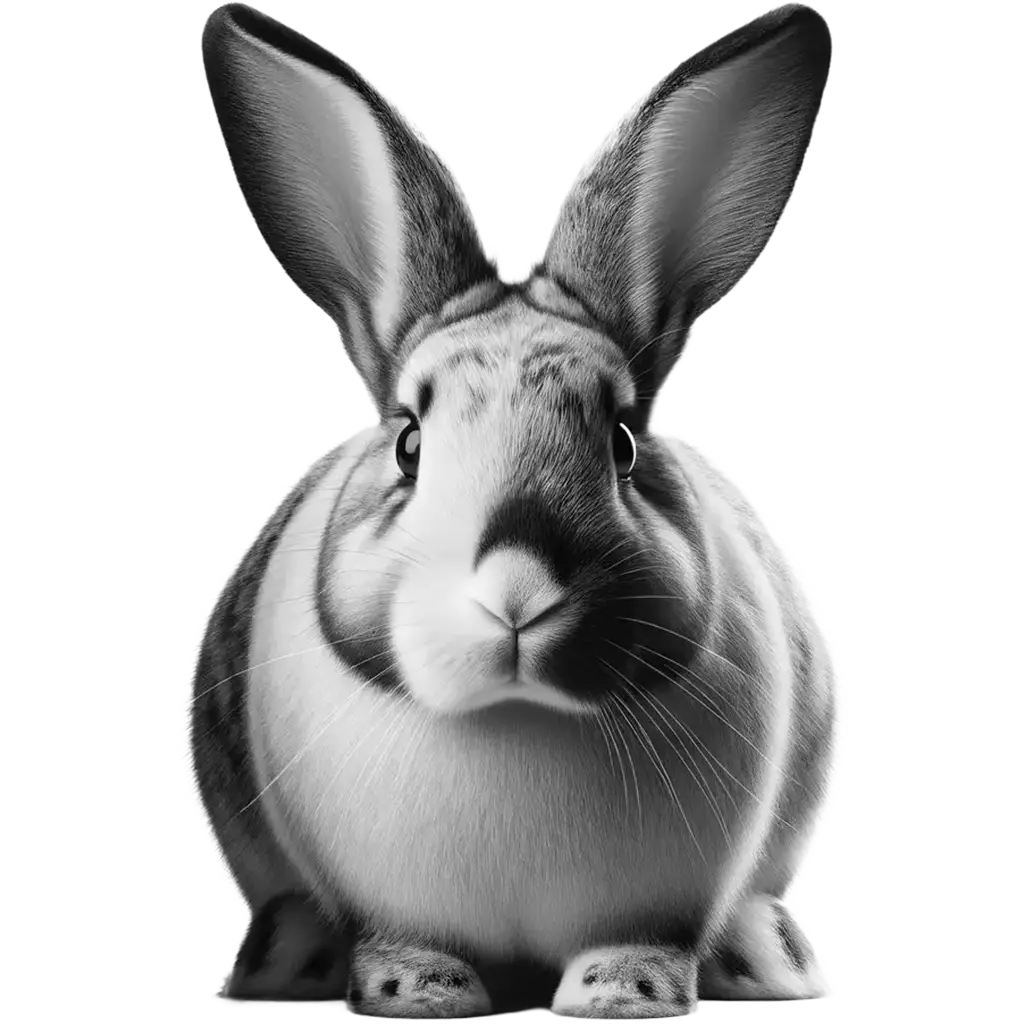
The European Rabbit, oryctolagus cuniculus, is a small mammal native to southwestern Europe and northwest Africa. With a compact body, the rabbit has a robust build, short tail, and long ears that can measure up to 7 cm in length. Adults typically weigh between 1.2 to 2.5 kg and have
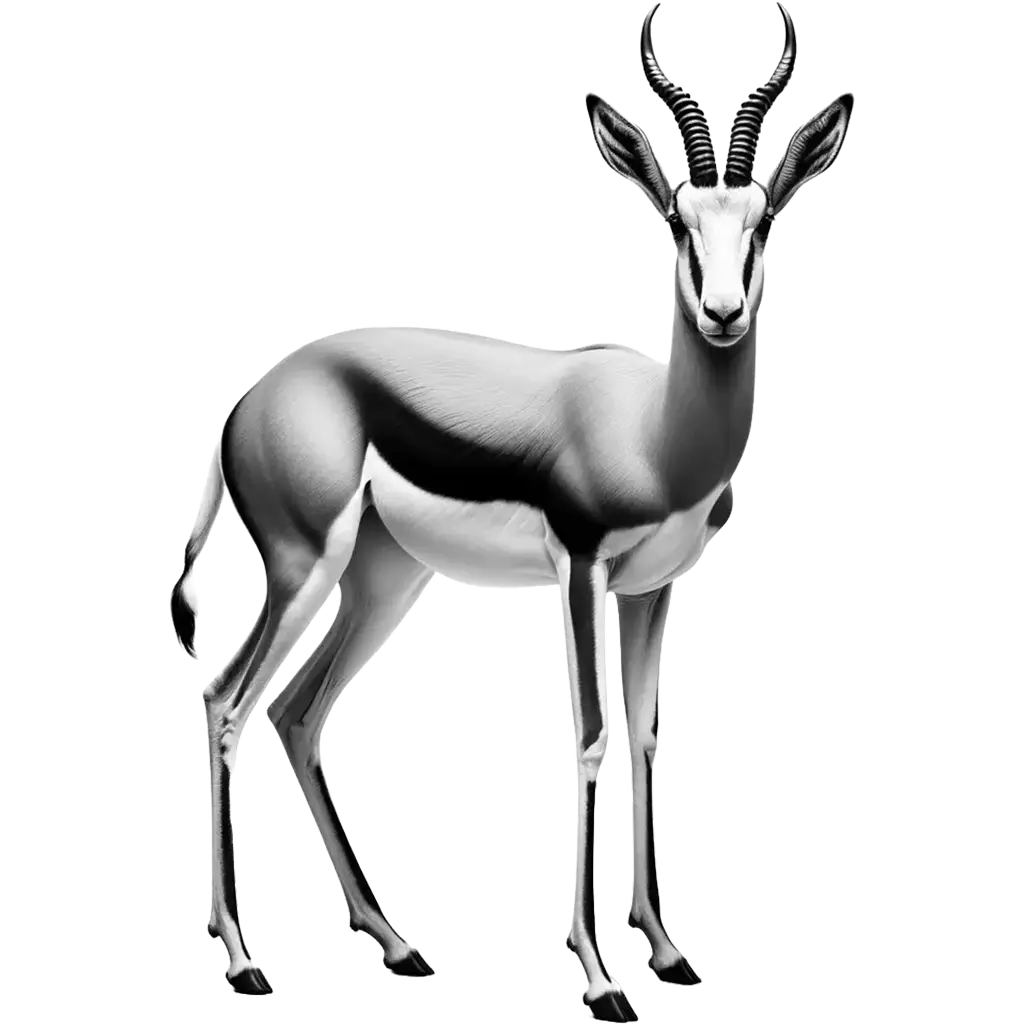
The Springbok, antidorcas marsupialis, is a medium-sized antelope renowned for its remarkable agility and distinctive appearance. Adults stand about 75 cm tall at the shoulder and weigh between 30 to 50 kg. Their coat is primarily a glossy tan, with a unique pattern featuring a dark brown stripe running laterally