
Setornis Criniger
Hook-Billed Bulbul
Subtropical or tropical moist lowland forests and swamps
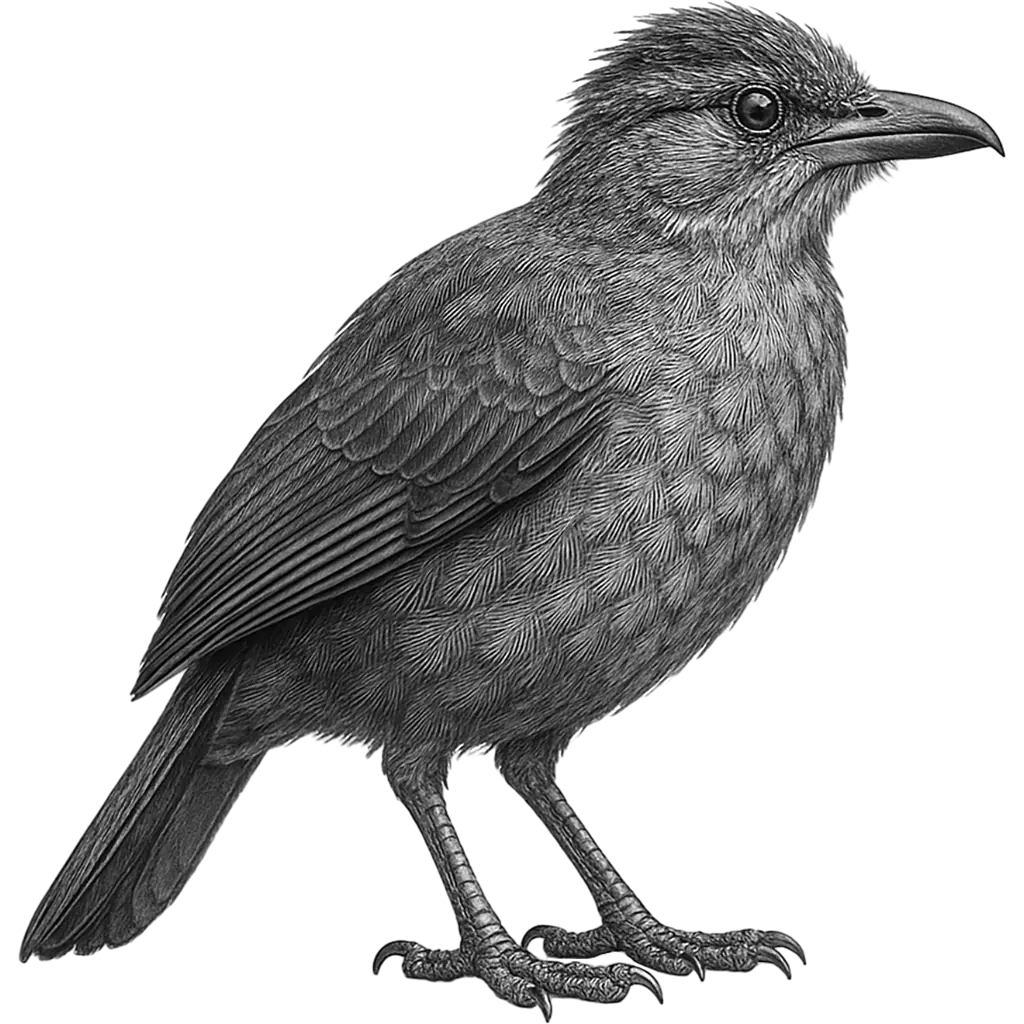
The Hook-billed Bulbul has a slender, medium-sized body typically measuring around 20 centimeters in length, with muted brownish-gray upperparts and a pale, off-white underbelly. Its most distinctive feature is a long, curved bill that hooks at the tip, contrasting sharply in silvery-gray. The bird's tail is relatively long and rounded, aiding balance among low branches, and its wings are short and rounded for maneuvering in dense forest understory. Dark eyes and subtle white eyebrow stripes add definition to its modest facial markings.
| Population: | Unknown population size, but trend is decreasing due to habitat loss |
| Generation Length: | 2-3 years |
| Average Weight: | Not well documented |
| Average Length: | 20 cm |
| Lifespan: | 3-5 years in the wild |
| Diet: | Mixed diet of insects, fruits, and seeds |
| Conservation Status: | Vulnerable (VU) |
The Hook-billed Bulbul is primarily diurnal, foraging actively from dawn until dusk within the shaded understory of lowland rainforests and swamp forests. Solitary or in loose pairs, these birds move through dense foliage with quick, short flights and deliberate hops along branches and fallen logs. Known for its soft, nasal calls and occasional rattling notes, it communicates at close range to maintain contact with mates or signal alarm. Unlike many songbirds, it often forages at middle and lower canopy levels, probing into clusters of fruit or leaf litter for insects. This species is non-migratory, maintaining small, stable territories year-round and showing adaptability to variations in rainfall and food abundance across eastern Sumatra and Borneo. They are shy and seldom seen in open gaps, preferring the protective cover of understory vegetation, yet may approach forest edges when fruiting shrubs or insect swarms offer feeding opportunities.
The diet of the Hook-billed Bulbul is varied, combining frugivory and insectivory to meet its nutritional requirements. It consumes a wide range of soft fruits such as figs, berries, and fleshy drupes, gleaned from tangled vines and low-hanging branches. Insects and their larvae—including beetles, caterpillars, and grasshoppers—supplement its diet, providing essential proteins. The bird's curved bill allows precise manipulation of berries and probing under bark and leaf litter for hidden prey. Seasonal shifts in fruiting and insect abundance drive dietary adjustments, with a higher reliance on protein-rich insects during the breeding season and greater fruit consumption during periods of fruit availability. This opportunistic feeding strategy supports its energy demands for flight, thermoregulation, and reproduction in humid tropical forests. Its flexible foraging behavior allows survival in both primary and secondary forests, where resource distribution can vary greatly.
Hook-billed Bulbuls form monogamous pairs that defend small nesting territories together. Courtship involves mutual vocal exchanges and subtle bill displays. Pairs construct shallow cup nests of grasses and twigs, often placed low in shrubs or small trees. After the female lays two to five eggs, she incubates them for about 13 to 14 days while the male brings food. Both parents feed and brood the hatchlings until fledging.
The global population size of the Hook-billed Bulbul is not precisely known, but experts estimate a declining trend as lowland forests are cleared or degraded. Major fragmentation of its range across eastern Sumatra and Borneo has isolated populations, increasing vulnerability to local extirpations. Conservation measures focus on habitat protection and restoration in protected areas and forest reserves. Continued monitoring aims to track population changes and guide land-use policies to mitigate ongoing habitat loss.
Classifications
The Key Attributes
Features
- Movement:
Flight
- Territorial Behavior:
Territorial during breeding season
- Speed:
Moderate
- Diet:
Omnivore
- Physical Features:
- Hooked bill
- Dusky brown-gray plumage
- Long rounded tail
- Short rounded wings
- Primary Senses:
- Sight
- Hearing
Understanding Habitat and Range
Geography
- Habitat:
Subtropical or tropical moist lowland forests and swamps
- Migration Patterns:
Non-migratory
- Geographical Range:
Eastern Sumatra and Borneo
- Climate Preferences:
Humid tropical climates
Navigating the Wilderness
In the wild
- Predators:
Not well documented
- Prey:
Small insects, fruits, seeds
- Feeding Behavior:
Forages singly, in pairs, and in small bands in forest understory
- Diet:
Mixed diet of insects, fruits, and seeds
- Defensive Mechanisms:
- Camouflage
- Quick flight
- Preferred Food Sources:
- Insects
- Fruits
- Seeds
Insights Into Reproduction
Mating
- Mating System:
Monogamous
- Number of Offspring:
2-5 eggs per clutch
- Incubation Period:
13-14 days
- Parental Involvement:
- Female incubates the eggs
- Male provides food to the female during incubation
Youngsters Section
Hook-Billed Bulbul
Fun Fact
Hook-billed Bulbuls have a uniquely curved bill adapted to probe crevices for insects.
They balance frugivory and insectivory by switching diet seasonally, consuming up to 20 different fruit species and dozens of insect taxa. Their silent, nasal calls often include a rapid rattle that can travel through dense forest understory, aiding communication in low-visibility conditions.

Download word search puzzles
Word Search Puzzles


Check Out Other Birds
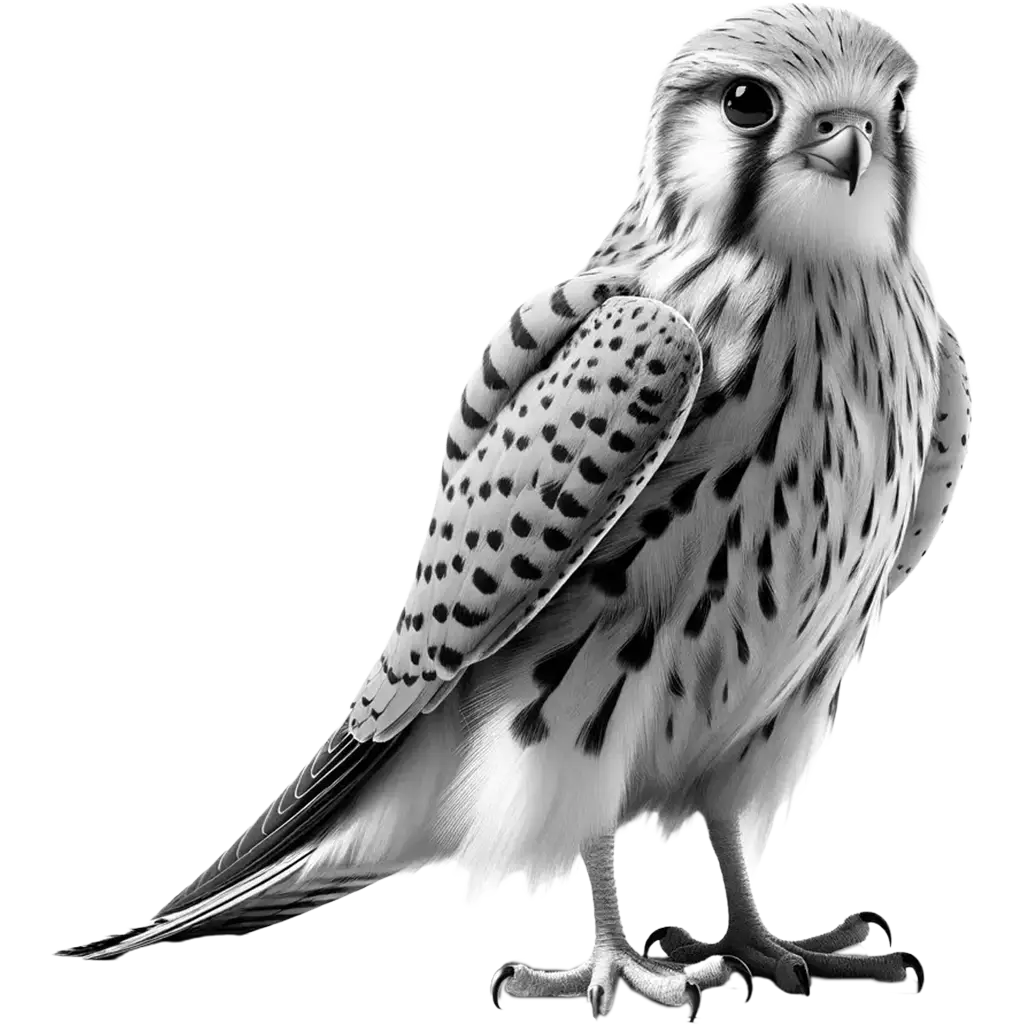
The Common Kestrel, falco tinnunculus, is a small yet highly adaptable bird of prey, known for its distinctive hovering flight and keen hunting skills. It measures about 34 to 38 cm in length, with a wingspan ranging from 70 to 80 cm, and weighs between 150 to 200 grams. The
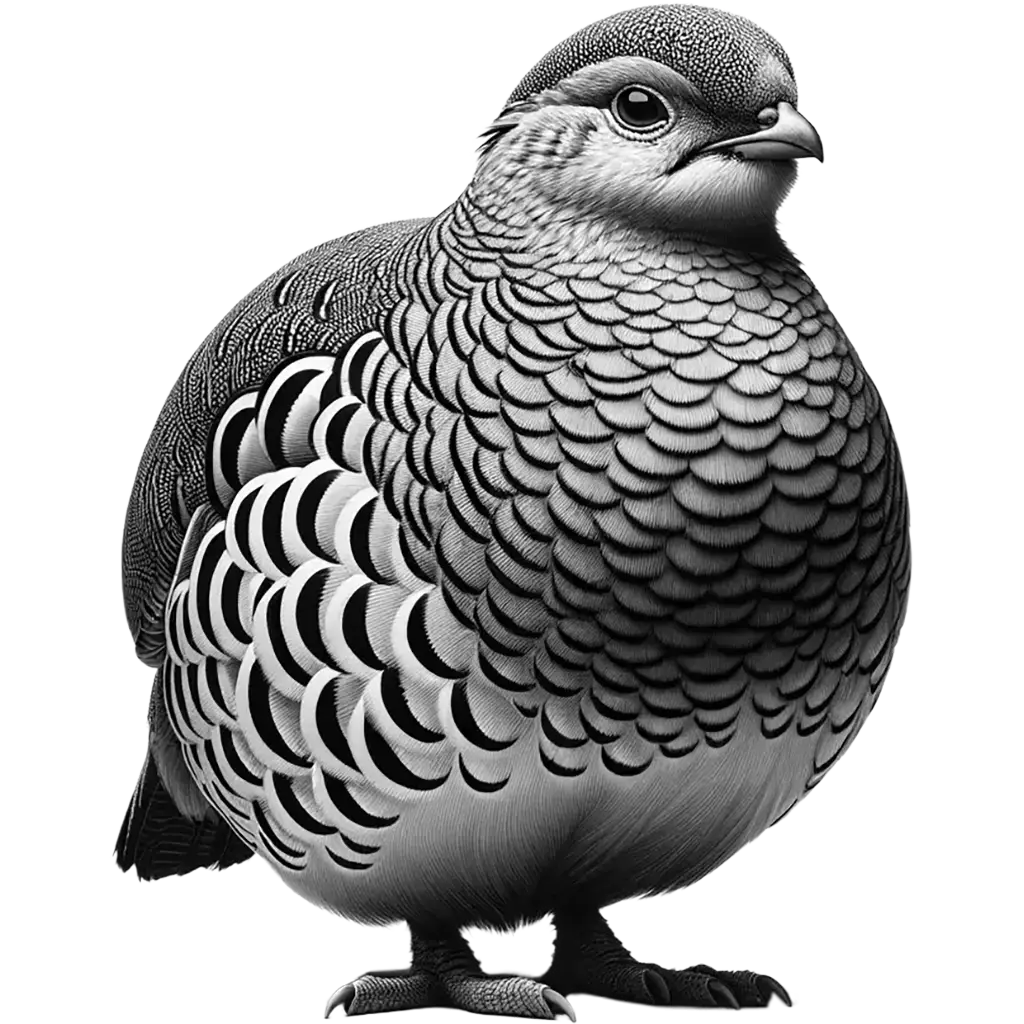
The Barbary Partridge, alectoris barbara, is a game bird native to North Africa, with a distinctive presence in the rugged, mountainous regions of Morocco, Algeria, Tunisia, and Gibraltar. It is recognized by its striking plumage, which features a combination of gray, brown, and chestnut, allowing it to blend seamlessly into

The Great Horned Owl, Bubo virginianus, is a majestic and powerful bird of prey, easily recognized by its distinctive ear tufts or 'horns,' which are actually feathers that aid in its camouflage. This owl has a robust body, with females typically larger than males, measuring up to 55 cm in

The European Honey Buzzard, pernis apivorus, is a medium-sized bird of prey, distinguished by its striking appearance and specialized diet. Adults typically feature a broad range of plumage variations, from light to dark morphs, but generally have a grayish-brown body, with paler underparts and a distinctive head pattern resembling a