
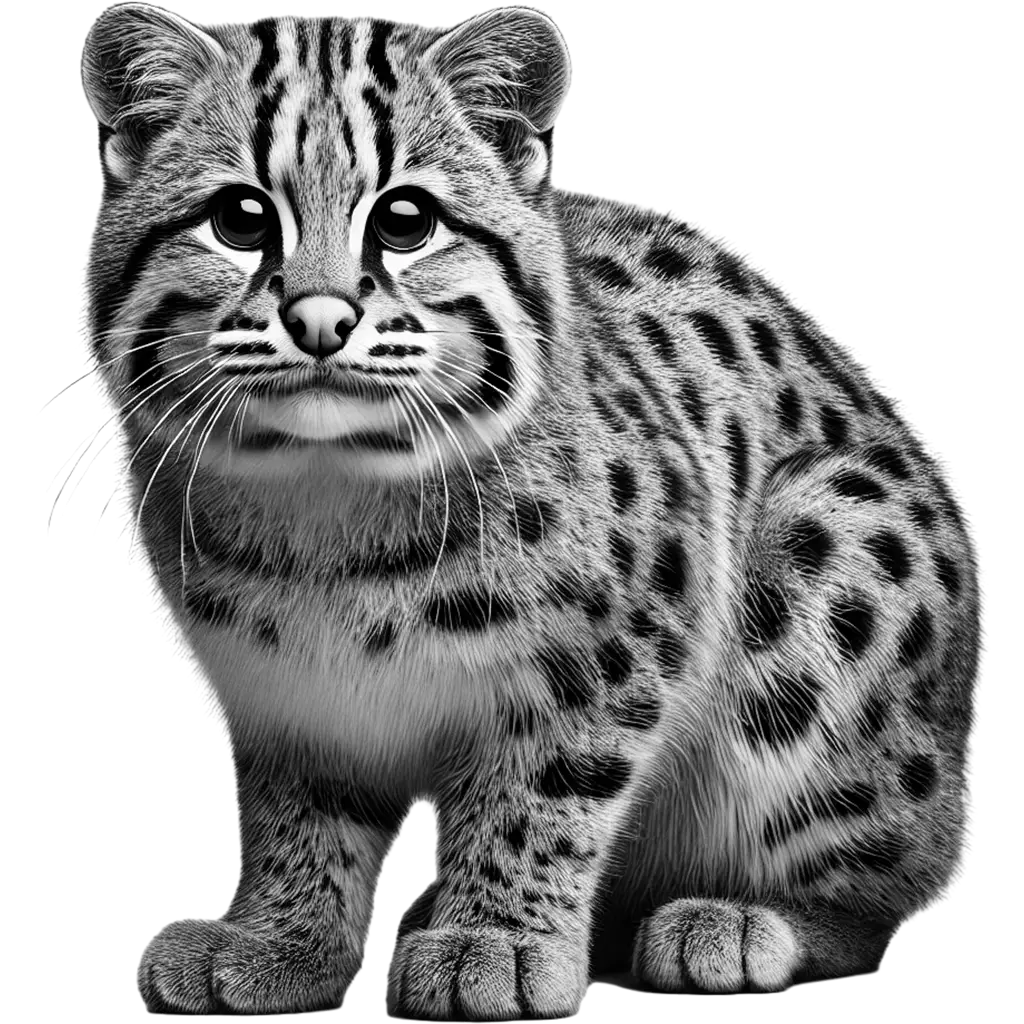
Prionailurus Viverrinus
Fishing Cat
Freshwater wetlands, riverbanks, mangroves, and marshy areas
Fishing Cats are medium-sized wild cats with a robust, muscular build and dense tawny fur accented by subtle markings. They feature large, rounded ears, a broad head, and partially webbed paws that aid in swimming. A long, tapering tail provides balance during agile maneuvers on both land and water. Their overall appearance exudes a rugged elegance perfectly suited for wetland life.
| Population: | Vulnerable; populations decline due to habitat loss and water pollution, but remain stable in some protected wetlands |
| Generation Length: | 4-5 years |
| Average Weight: | 8-16 kg |
| Average Length: | Approximately 60-80 cm (body) with a tail of 30-40 cm |
| Lifespan: | Approximately 10-12 years in the wild; up to 15 years in captivity |
| Diet: | Primarily feeds on fish and aquatic creatures, supplementing with amphibians and rodents |
| Conservation Status: | Vulnerable (VU) |
Fishing Cats are highly adapted to wetland habitats, being primarily nocturnal and crepuscular. They patrol riverbanks, mangroves, and marshes with stealth and agility, often moving silently under the cover of twilight. Their solitary nature is marked by clearly defined home ranges, maintained through scent marking. They exhibit a blend of cautious exploration and energetic foraging, adjusting their activities based on water levels and seasonal changes. This lifestyle, combining both terrestrial and aquatic elements, ensures they effectively exploit available resources while remaining alert to potential threats in dynamic environments.
The diet of Fishing Cats is specialized for aquatic environments. They primarily hunt fish by wading into shallow waters and ambushing prey with sudden bursts of speed. Additionally, they consume amphibians, crustaceans, and occasionally small mammals or birds. This varied diet provides essential proteins and fats, supporting their high-energy lifestyle. Their efficient hunting techniques help regulate local prey populations, thereby contributing to the ecological balance of wetland ecosystems while ensuring their own nutritional needs are met consistently.
During the mating season, Fishing Cats engage in brief, subtle encounters marked by quiet vocalizations and scent exchanges. Males and females come together briefly for courtship, after which the female conceives. She later gives birth to a small litter of kittens, which she carefully protects and nurtures until they are capable of independent foraging, ensuring the young have a strong start in life.
Although Fishing Cat populations remain stable in some protected areas, overall numbers are in decline due to widespread wetland degradation and water pollution. Human encroachment and habitat loss continue to threaten their survival, making ongoing conservation efforts and habitat restoration essential for securing a sustainable future for this remarkable species.
Classifications
The Key Attributes
Features
- Movement:
Semi-aquatic and agile; capable of quick, silent movements both in water and on land
- Territorial Behavior:
Generally solitary with defined home ranges; uses scent marking to communicate boundaries
- Speed:
Capable of sudden bursts when chasing prey
- Diet:
Primarily piscivorous, but also preys on amphibians and small mammals
- Physical Features:
- Robust, muscular build with dense, short fur
- Distinctive large, rounded ears and a broad head
- Webbed, partially clawed feet adapted for swimming
- A long, tapering tail aiding in balance during agile maneuvers
- Primary Senses:
- Sight
- Hearing
- Smell
Understanding Habitat and Range
Geography
- Habitat:
Freshwater wetlands, riverbanks, mangroves, and marshy areas
- Migration Patterns:
Non-migratory; local movements occur in response to water availability
- Geographical Range:
Found across South and Southeast Asia, particularly in regions with abundant water bodies
- Climate Preferences:
Tropical and subtropical, favoring humid environments with steady water sources
Navigating the Wilderness
In the wild
- Predators:
Large birds of prey and occasionally larger carnivores
- Prey:
Fish, amphibians, and small terrestrial animals
- Feeding Behavior:
Stealthily stalks along riverbanks and in shallow water, using cover to ambush prey
- Diet:
Primarily feeds on fish and aquatic creatures, supplementing with amphibians and rodents
- Defensive Mechanisms:
- Relies on camouflage and stealth to avoid detection
- Quick bursts of speed to evade predators
- Preferred Food Sources:
- Freshwater fish
- Amphibians
- Occasionally small mammals
Insights Into Reproduction
Mating
- Mating System:
Solitary outside the breeding season; individuals come together briefly during mating
- Number of Offspring:
Typically 2-3 kittens per litter
- Incubation Period:
Gestation lasts approximately 2-3 months
- Parental Involvement:
- Females provide sole care for the kittens after birth
Youngsters Section
Fishing Cat
Fun Fact
Fishing Cats are one of the few wild cats adept at swimming, using their webbed paws to navigate water with ease.
Their unique adaptations, including stealthy nocturnal habits and specialized physical traits for both land and water, make them fascinating subjects for researchers and wildlife enthusiasts, highlighting the critical need to preserve wetland ecosystems where they thrive.

Download word search puzzles
Word Search Puzzles


Check Out Other Mammals
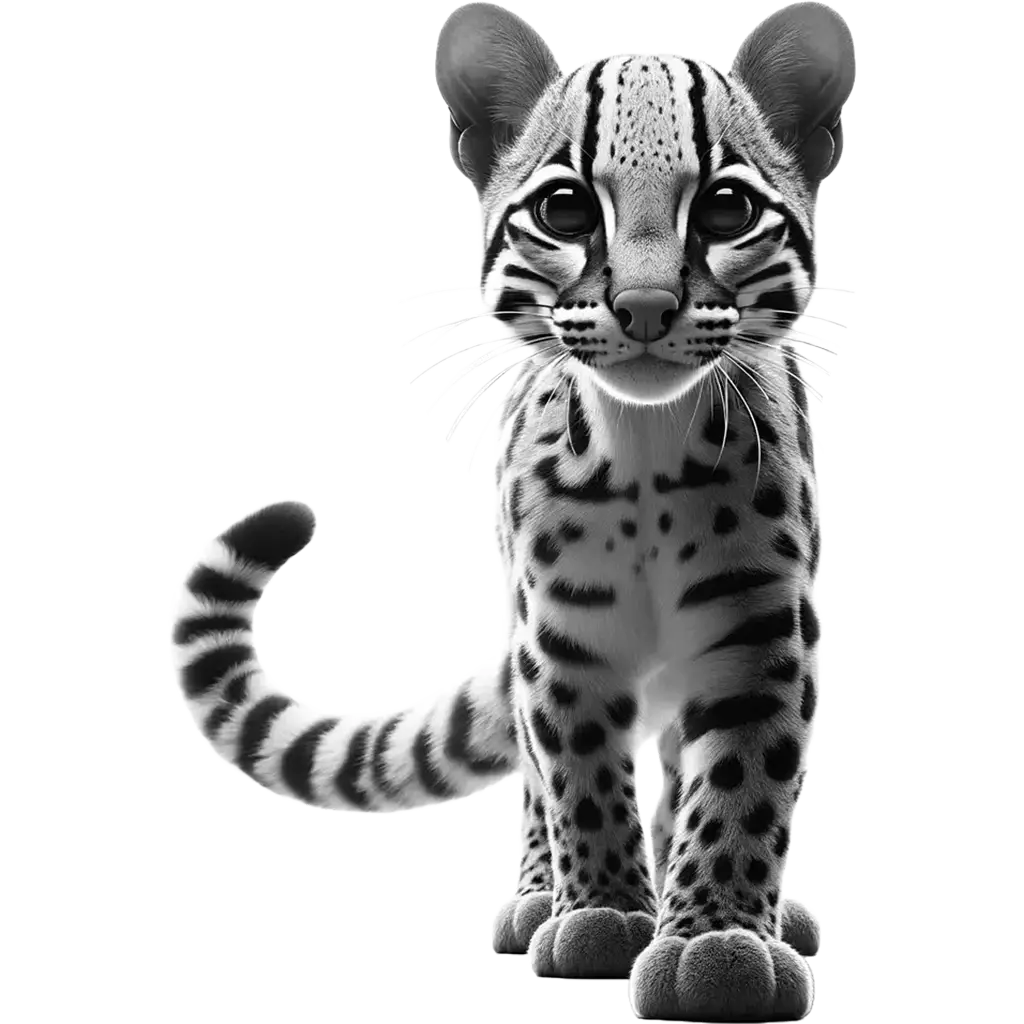
The Ocelot, leopardus pardalis, is a medium-sized wild cat native to the Americas, with a range that extends from the southern United States through Central and South America to northern Argentina. Adults typically weigh between 8 to 15 kg and measure about 55 to 100 cm in length, with a
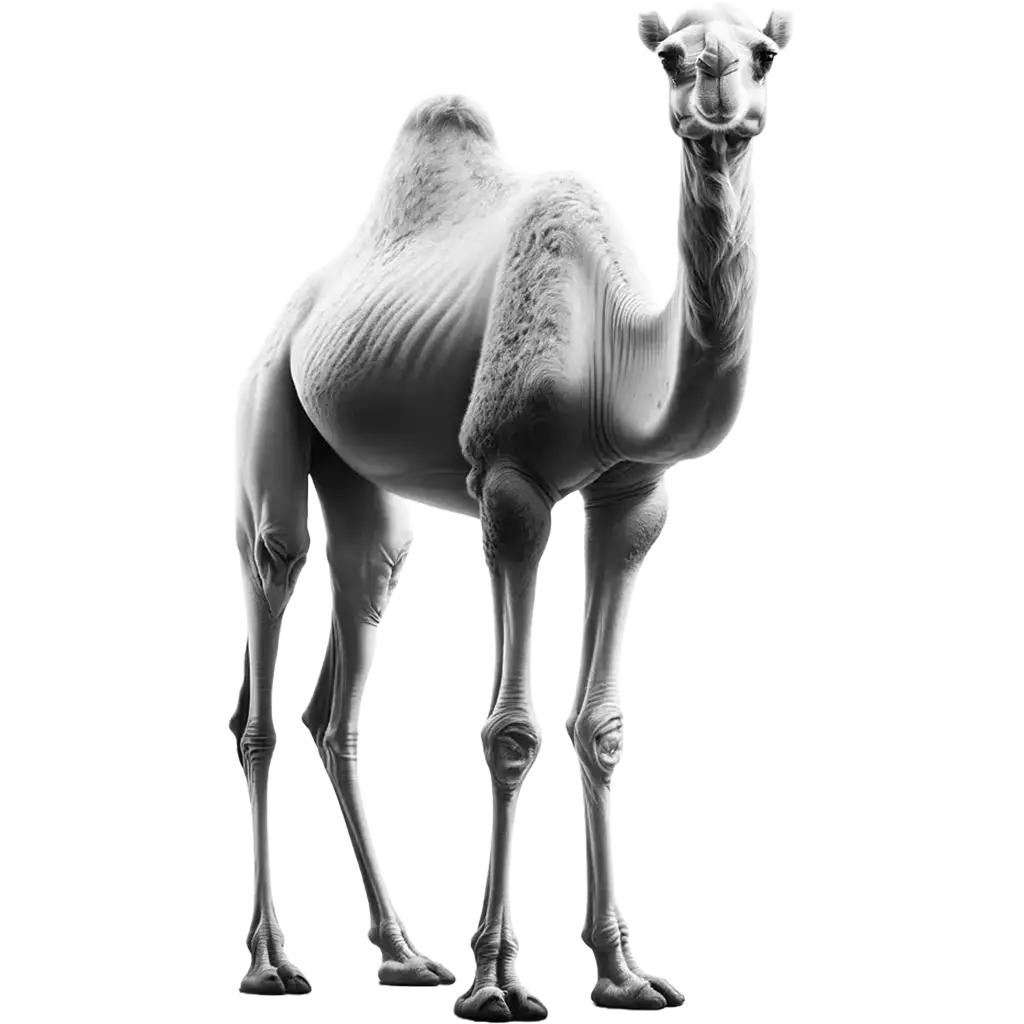
The Dromedary, camelus dromedarius, is an iconic animal of the desert, easily recognized by its single large hump on its back. This hump is a reservoir of fatty tissue, which the camel can convert into water and energy, enabling it to endure long periods without food or water. Adult dromedaries
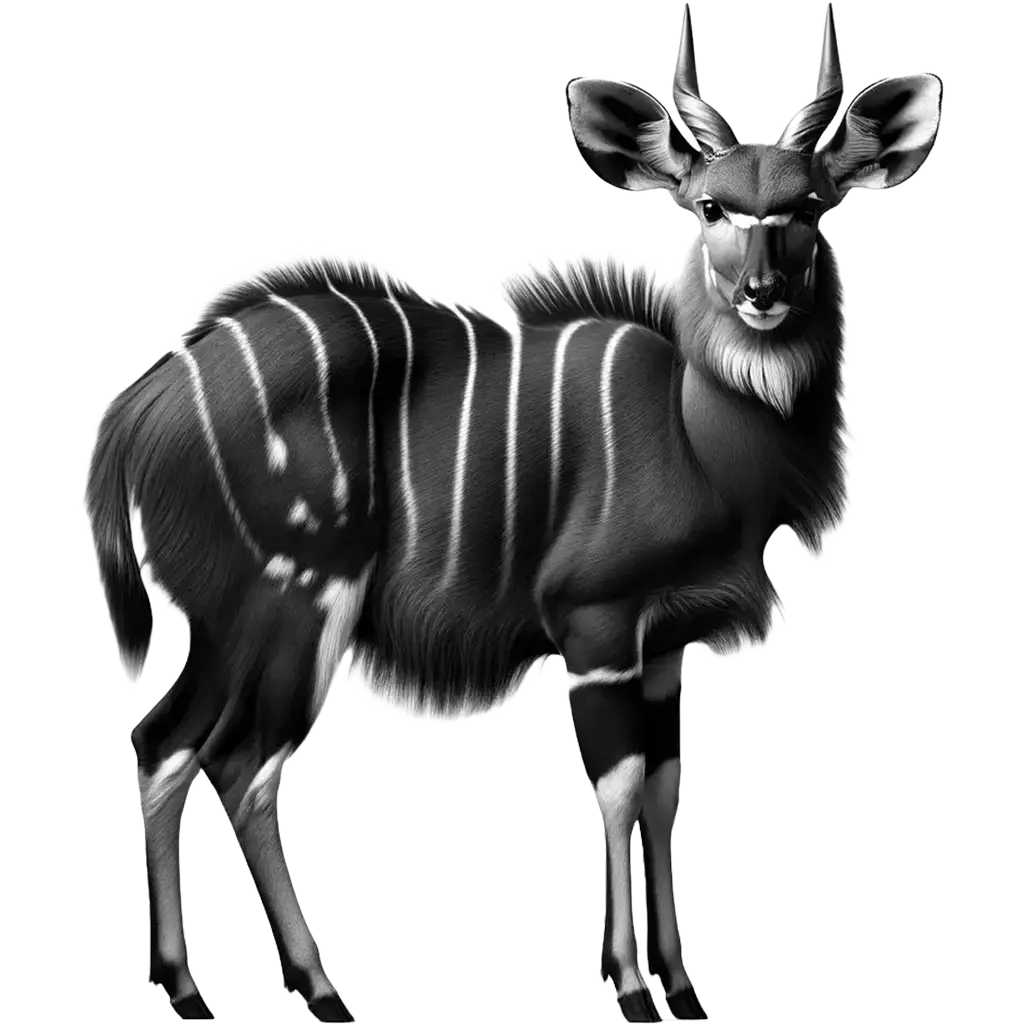
The Nyala, tragelaphus angasii, is a graceful and medium-sized antelope native to the southern regions of Africa. Characterized by its striking sexual dimorphism, males and females exhibit significantly different appearances. Males are larger, with a dark grey-brown coat adorned with faint vertical white stripes and a long, shaggy mane on

The Ringtail, bassariscus astutus, also known as the Ring-tailed Cat, is a small, nocturnal mammal native to the arid regions of North America, from the southwestern United States through Mexico. Despite its common name, the Ringtail is not a cat but belongs to the raccoon family, Procyonidae. Adults typically measure