
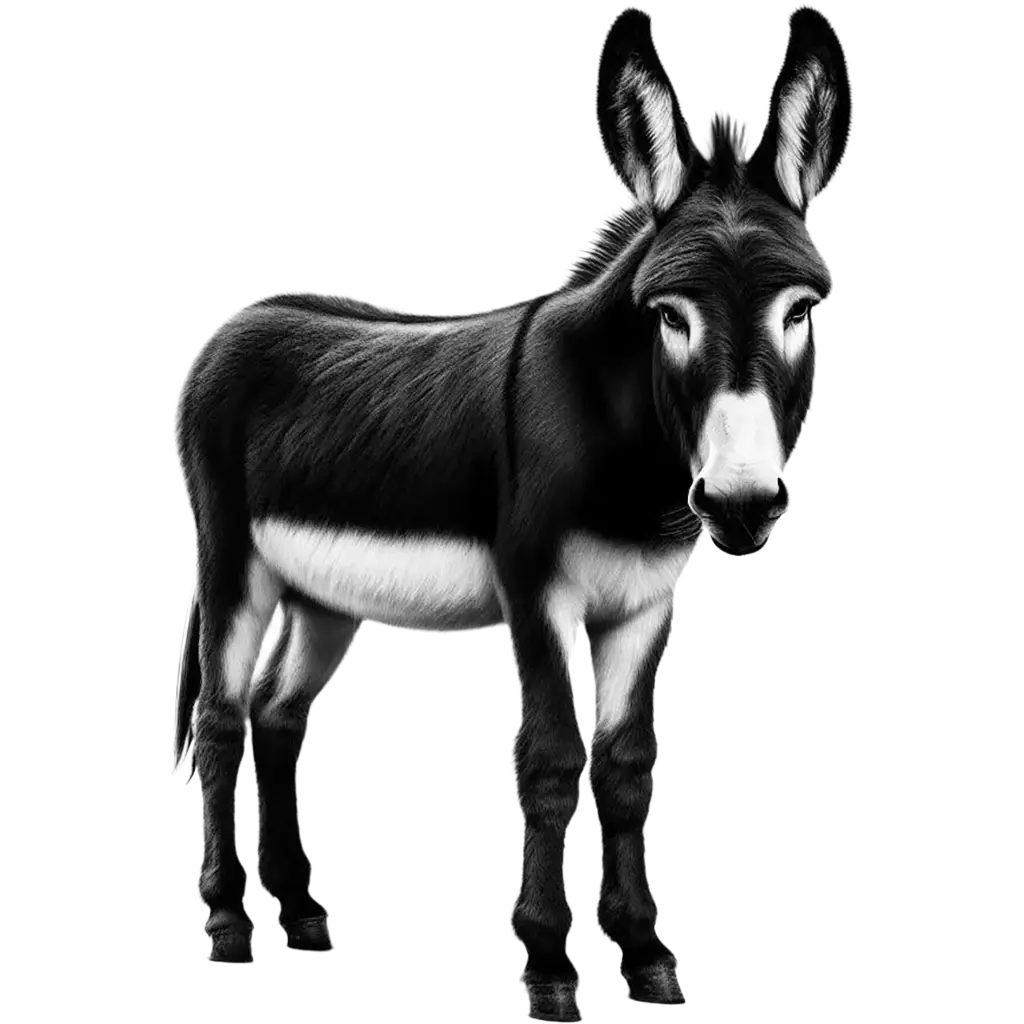
Equus Africanus Asinus
Donkey
Domestic environments, adaptable to various living situations including farms, deserts, and mountainous areas
The Donkey, equus africanus asinus, is a domesticated member of the horse family, Equidae. Originating from the African wild ass, Donkeys have been used by humans for millennia, serving primarily as working animals due to their strength, endurance, and ability to carry heavy loads. Adult Donkeys vary greatly in size, ranging from 90 to 160 centimeters at the shoulder, depending on the breed. They typically have a lifespan of 25 to 30 years, though some live well into their 40s. Donkeys are recognized for their distinctive long ears, which help regulate their body temperature and detect distant sounds, and their braying call, which can be heard over considerable distances.
| Population: | Widespread, with millions worldwide; specific population trends vary by region |
| Generation Length: | 8-12 years |
| Average Weight: | 250-450 kg, depending on the breed |
| Average Length: | 90-140 cm at the shoulder |
| Lifespan: | 25-30 years, sometimes longer under good care |
| Diet: | Grasses, herbs, and occasionally shrubs and trees |
| Conservation Status: | Not Evaluated (NE) |
Donkeys are incredibly versatile and hardy animals, capable of surviving in arid environments where horses cannot. They have a tough digestive system that allows them to break down sparse and fibrous vegetation. Donkeys are often found in developing countries, where they are vital for transportation and agriculture. They also serve as companions and pets in many parts of the world, valued for their gentle and patient nature.
The diet of a Donkey is primarily composed of grasses and other vegetation. They are efficient grazers, often able to make do with less nutritious feed than horses. This efficiency is a key factor in their ability to thrive in environments with limited food resources. Donkeys require access to clean water and may also be fed supplementary hay and grain, especially if working or living in colder climates.
Reproduction in Donkeys involves a gestation period of approximately 12 months, longer than that of most other domestic animals. Females, called jennets, typically give birth to a single foal. Donkeys are social animals and, when kept in groups, display complex social behaviors. They form strong bonds with their offspring, as well as with other Donkeys and even other species.
The Donkey has a status of being not endangered globally, but some local populations and breeds are at risk due to overwork, inbreeding, and crossbreeding with horses to produce mules. Conservation efforts for these animals focus on promoting sustainable management and breeding practices, as well as improving the welfare of working Donkeys through education and veterinary care. The continued existence of Donkeys in both traditional and modern roles highlights their importance to human societies across the world.
Classifications
The Key Attributes
Features
- Movement:
Quadrupedal
- Territorial Behavior:
Generally social, often kept in pairs or small groups to prevent loneliness
- Speed:
Can trot at moderate speeds; specific speeds not commonly documented
- Diet:
Herbivore
- Physical Features:
- Sturdy build
- Long ears
- Short mane
- Tail with a tufted end
- Primary Senses:
- Sight
- Hearing
- Smell
Understanding Habitat and Range
Geography
- Habitat:
Domestic environments, adaptable to various living situations including farms, deserts, and mountainous areas
- Migration Patterns:
Non-applicable
- Geographical Range:
Domesticated globally, with origins in Africa
- Climate Preferences:
Adaptable to a wide range of climates
Navigating the Wilderness
In the wild
- Predators:
Predation is rare in domestic settings; may include large carnivores in the wild
- Prey:
Not applicable
- Feeding Behavior:
Grazes on grasses and browses shrubs; can survive on poorer quality vegetation than horses
- Diet:
Grasses, herbs, and occasionally shrubs and trees
- Defensive Mechanisms:
- Fleeing from threats
- Can defend themselves with kicks
- Preferred Food Sources:
- Grasses
- Herbs
Insights Into Reproduction
Mating
- Mating System:
Polygynous in feral populations; controlled breeding in domesticated settings
- Number of Offspring:
Usually 1 foal
- Gestation Period:
Approximately 12 months
- Parental Involvement:
- Mother provides extensive care, with foals being weaned around 6 months
Youngsters Section
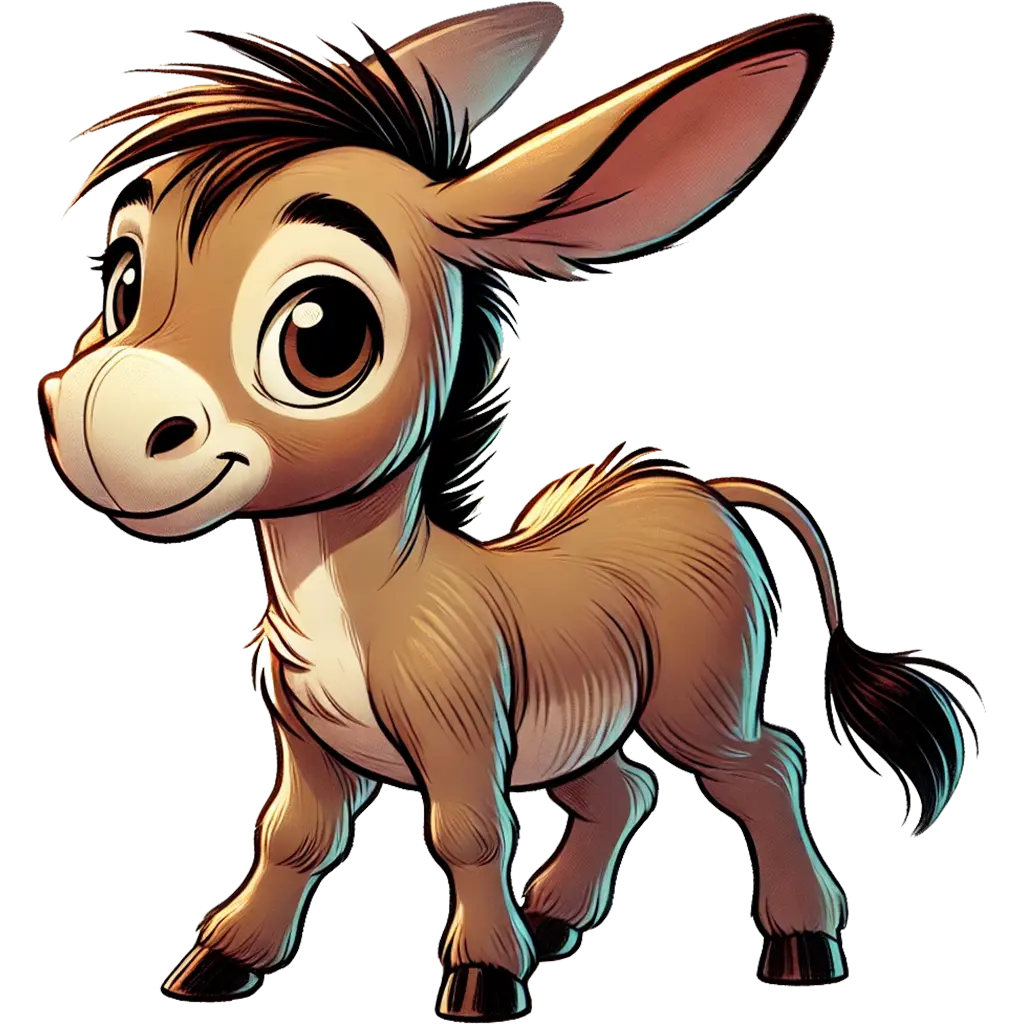
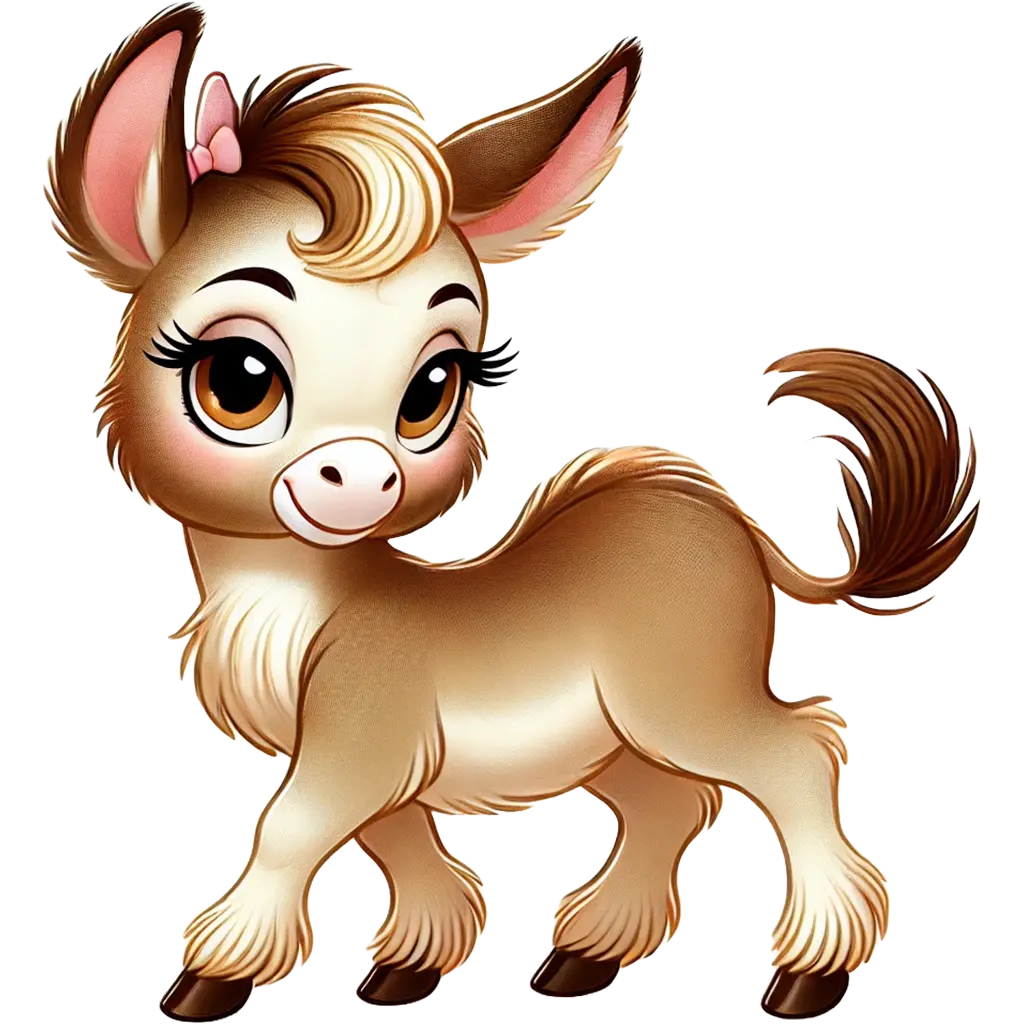
Donkey
Fun Fact
Donkeys are known for their incredible memory and ability to remember places and other donkeys for years.
These animals can recognize areas they've been to before and can identify other donkeys they met up to 25 years ago. This strong memory helps them navigate long distances and harsh environments, making them reliable pack animals. Their social nature and intelligence contribute to their long-lasting bonds.

Download word search puzzles
Word Search Puzzles
Check Out Other Mammals
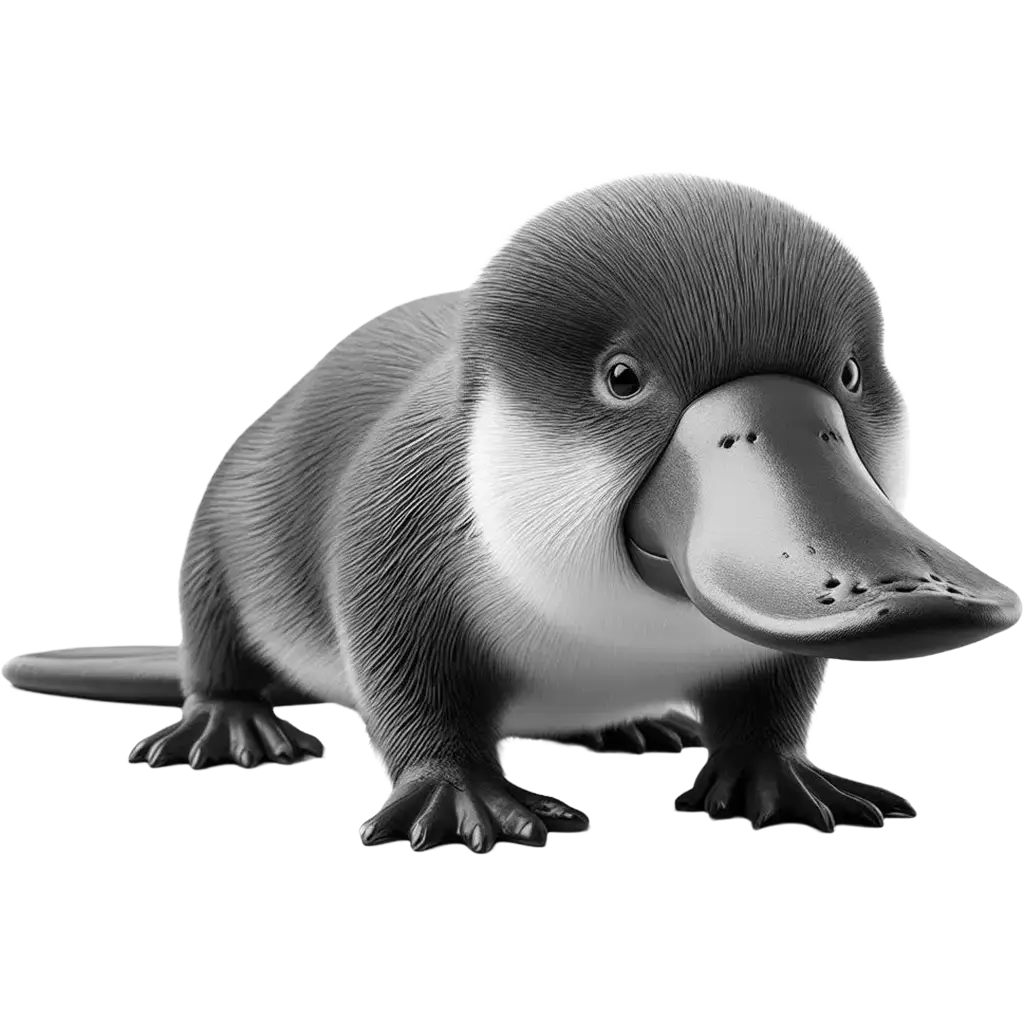
The Duck-Billed Platypus, ornithorhynchus anatinus, is one of the most unusual and fascinating mammals on the planet, native to eastern Australia and Tasmania. This semi-aquatic, egg-laying mammal (monotreme) is most notable for its distinctive duck-like bill, webbed feet, and flat tail. Adults can measure between 40 to 60 centimeters in
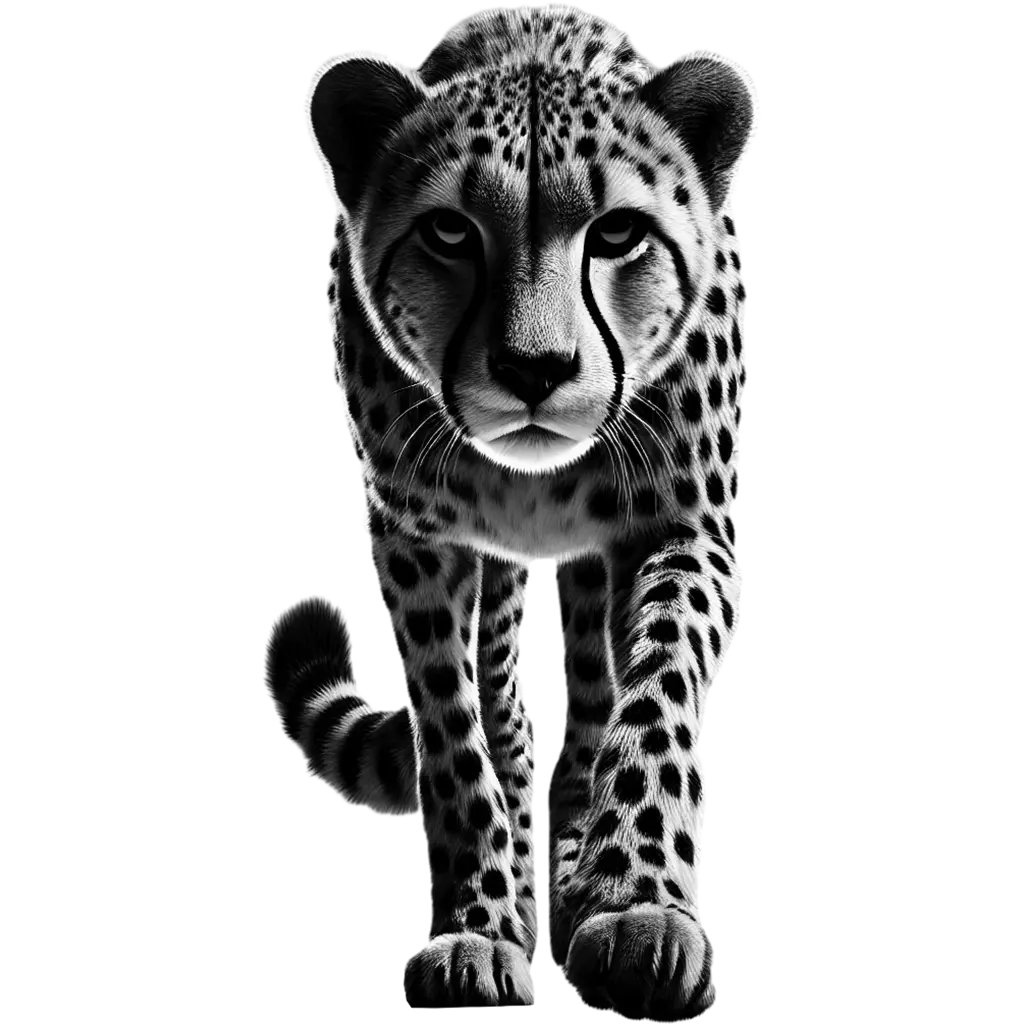
The Cheetah, acinonyx jubatus, stands as a symbol of speed and agility in the animal kingdom, holding the title of the fastest land animal, capable of reaching speeds up to 75 mph (120 km/h) in short bursts covering distances up to 1,500 feet (460 meters). This slender, long-legged feline is
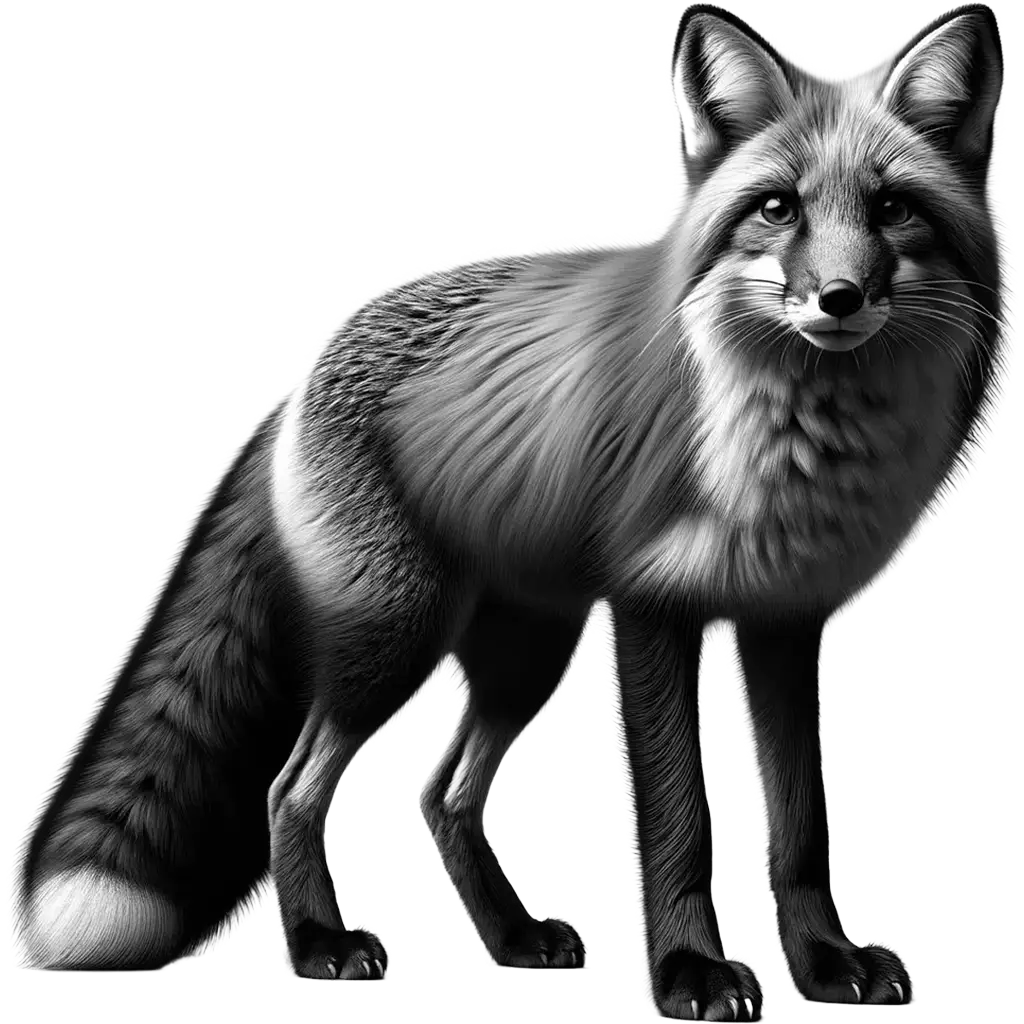
The Cascade Red Fox, vulpes vulpes cascadensis, is a rare and distinctive subspecies of the red fox that is native to the Cascade Range in the United States. This subspecies is characterized by its unique coloration, which ranges from a bright copper-red to a dark, almost black hue, and includes
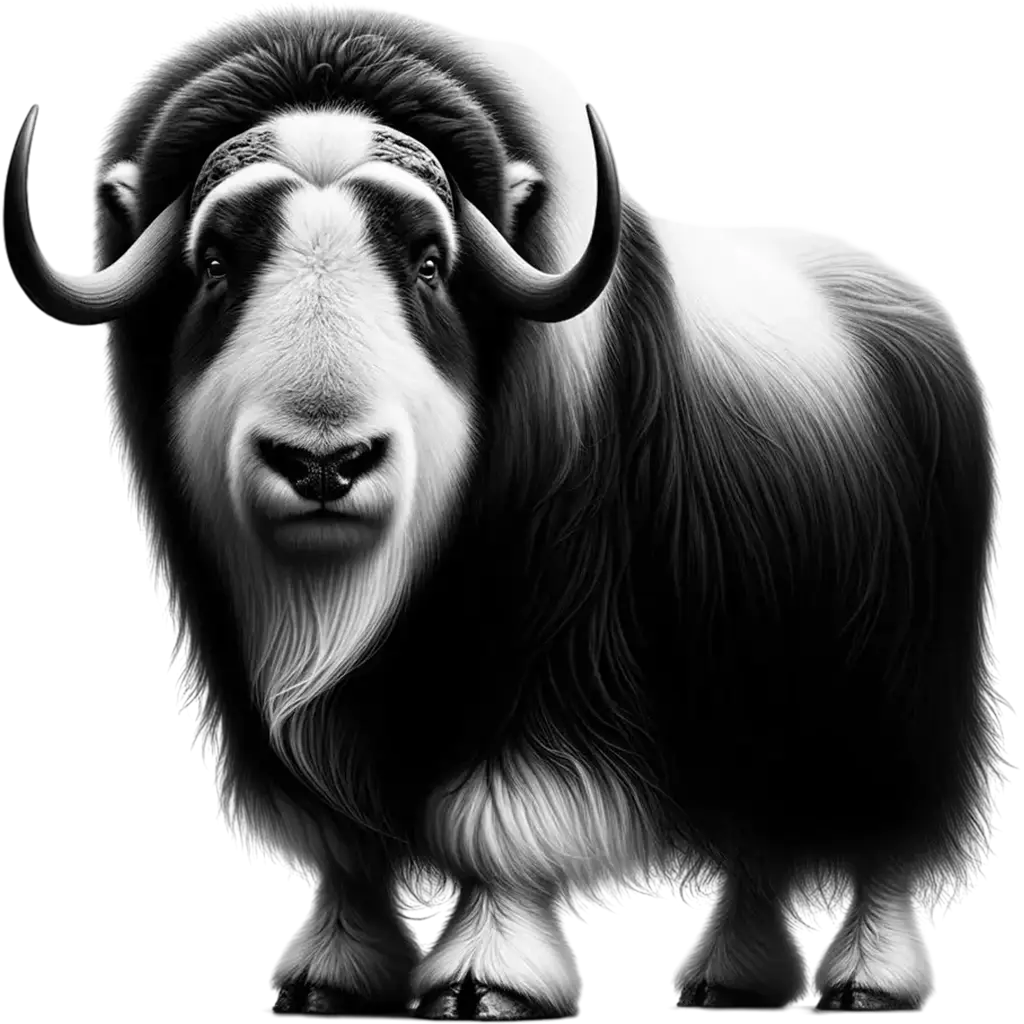
The Muskox, ovibos moschatus, is a robust, Arctic mammal known for its thick coat and strong, musky odor from which it derives its name. Adult Muskoxen can weigh between 200 to 400 kg and stand up to 1.5 meters tall at the shoulder. They exhibit a distinctive appearance with a