

Top ten fascinating facts about
Dalmatian Dog
Canis Lupus
Dalmatians are famous for their distinctive black or liver spots on a white coat. Historically, Dalmatians were known as carriage dogs. They ran alongside horse-drawn carriages, protecting passengers, and horses. Their strong, athletic build and endurance made them perfect for the job. Their unique marking patterns also ensured they were easily recognizable.
Dalmatians are known for their distinctive black or liver spots on a white coat
The Dalmatian is famous for its unique spotted coat, which is unlike that of any other breed. These spots can be black, liver (brown), or even lemon-colored, and they cover their entire bodies. Interestingly, Dalmatian puppies are born pure white, and their spots begin to appear when they are about two weeks old. The pattern and arrangement of spots are unique to each dog, much like a fingerprint.
Historically, Dalmatians were bred as carriage dogs to run alongside horse-drawn coaches
In the 18th and 19th centuries, Dalmatians were known as 'coach dogs' because they were trained to run beside carriages, guarding the horses and passengers. Their presence helped to ward off highwaymen and stray dogs. Their stamina and affinity with horses made them ideal for this role, and they became a symbol of status and elegance for the wealthy who owned carriages.
They have a natural affinity with horses and are often associated with firehouses
Due to their history with carriages, Dalmatians developed a close relationship with horses. When horse-drawn fire engines were common, Dalmatians were used to clear the way and guide the horses to fires. They also guarded the firehouse and equipment. Even after the advent of motorized fire trucks, Dalmatians remained mascots of fire departments and are still associated with firefighters today.
Dalmatians are active and energetic dogs that require plenty of exercise
This breed is known for its high energy levels and needs regular physical activity to stay healthy and happy. Dalmatians excel in activities like running, hiking, agility courses, and obedience training. Without sufficient exercise and mental stimulation, they can become bored and may develop destructive behaviors. They make great companions for active individuals and families who enjoy outdoor adventures.
They are prone to certain genetic health issues, including deafness
Deafness is a significant health concern in Dalmatians, affecting about 10-12% of the breed. This condition is linked to the genes responsible for their unique spotted coat. Responsible breeders test the hearing of puppies using the Brainstem Auditory Evoked Response (BAER) test to identify deafness in one or both ears. Early detection and proper training can help deaf Dalmatians lead fulfilling lives.
Dalmatians have a unique urinary system and are susceptible to urinary stones
Unlike other breeds, Dalmatians have a genetic predisposition that affects how they metabolize uric acid, leading to a higher risk of developing urinary stones. Owners need to ensure their Dalmatian has constant access to fresh water and may require a specialized diet low in purines to prevent stone formation. Regular veterinary check-ups are essential to monitor their urinary health.
The breed gained immense popularity due to Disney's '101 Dalmatians'
The 1961 animated film '101 Dalmatians' and its subsequent live-action remakes significantly increased the breed's popularity worldwide. The charming portrayal of Dalmatian puppies led to a surge in demand for the breed. Unfortunately, this led to irresponsible breeding practices, resulting in health and behavioral issues in some dogs. It's a reminder of the importance of adopting pets responsibly.
Dalmatians have been used as circus performers due to their intelligence and agility
Their smart, trainable nature and eye-catching appearance made Dalmatians popular in circuses and entertainment acts. They are quick learners and enjoy performing tricks, which showcase their agility and obedience skills. Their history in performance arts highlights their need for mental stimulation and challenges to keep them engaged.
The breed's origins trace back to the Dalmatia region in Croatia
While the exact origins of the Dalmatian are somewhat unclear, historical records and artwork suggest that they originated in the Dalmatia region along the Adriatic coast of present-day Croatia. They have been used for various roles throughout history, including hunting, guarding, and companionship. Their name derives from this geographical connection.
Dalmatians are known for their friendly and outgoing personalities but require proper socialization
Dalmatians are generally affectionate, loyal, and good with children, making them excellent family pets. However, they can be reserved with strangers and may exhibit protective behavior. Early socialization and consistent training are crucial to ensure they develop into well-adjusted adults. They thrive on human companionship and do best in homes where they are included in daily activities.
Check Out Other Mammals

The Yellowish Myotis is a small, delicate bat with a slender body covered in soft fur that carries a subtle yellowish tint over a dark gray base. Its long, delicate wings and large, expressive ears enable it to navigate the night sky with grace and precision. A compact, pointed snout

The Wild Goat, capra aegagrus, is the ancestral species from which domestic goats (Capra aegagrus hircus) are derived. It exhibits a robust and agile physique, with adults typically measuring 120 to 150 cm in length and standing 70 to 90 cm tall at the shoulder. Males are larger and more
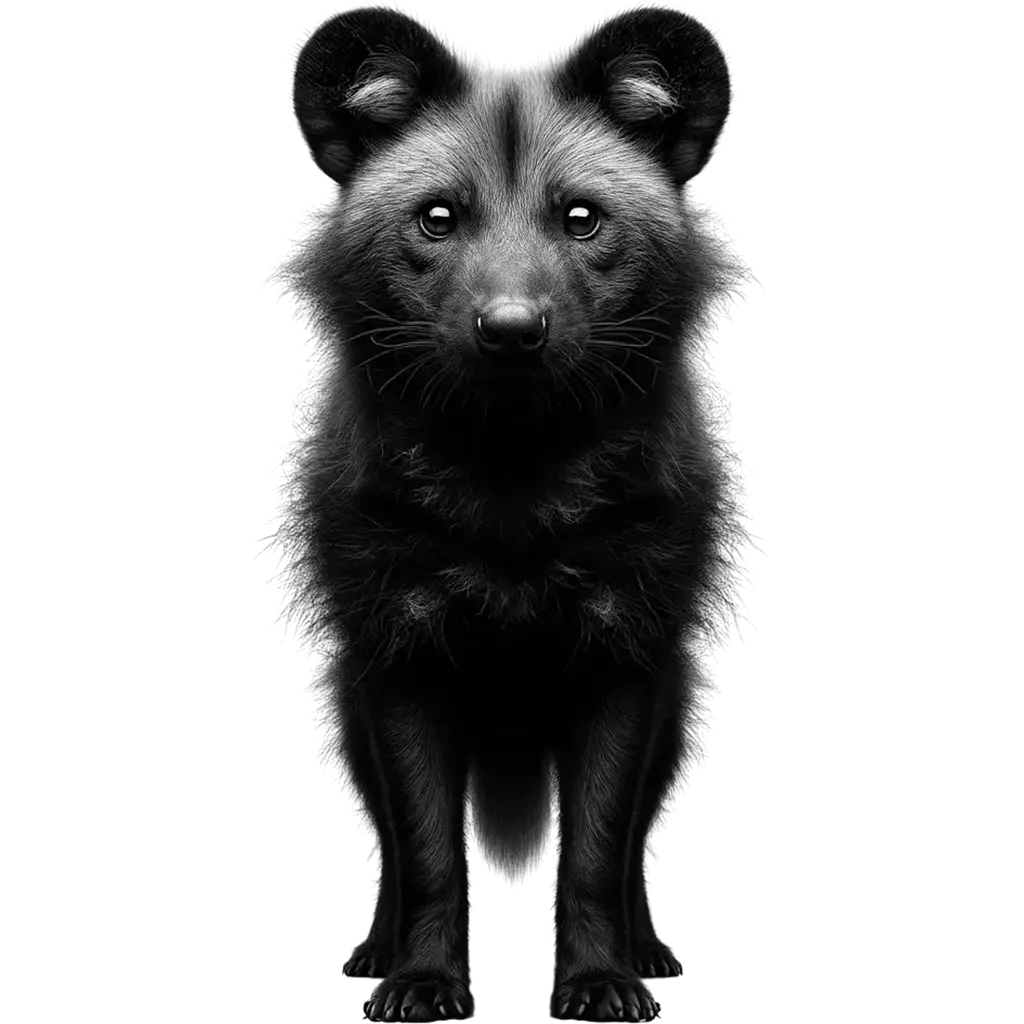
The Bush Dog, speothos venaticus, is a rare and elusive canid native to Central and South America's forests and wetlands. This small, otter-like dog stands around 30 cm tall at the shoulder and weighs between 5 to 7 kg. Its coat is dense and dark brown, effectively camouflaging it in
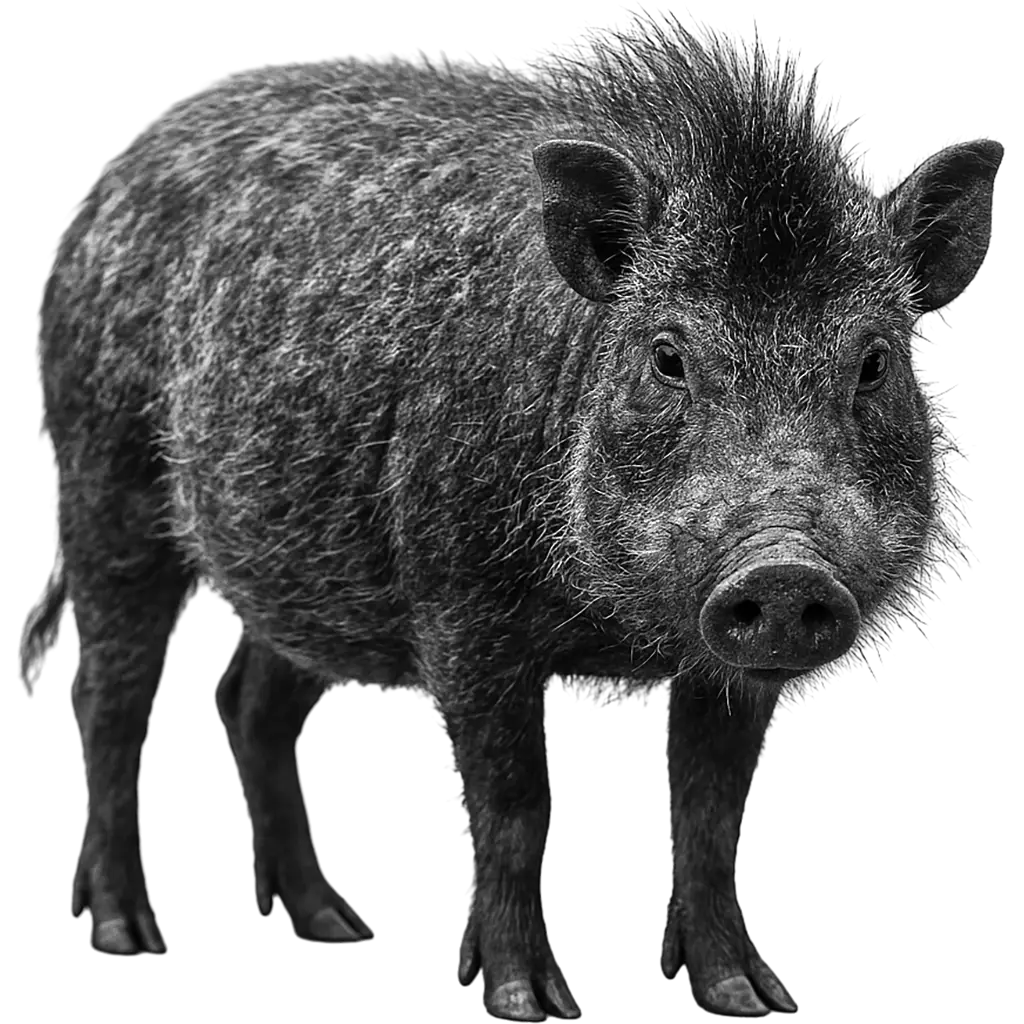
The Flores Warty Pig possesses a distinctive rugged appearance with pronounced warty facial features, a short snout, and curved tusks that give it a formidable look. Its robust body is covered in coarse, bristly hair ranging from dark brown to grey, perfectly camouflaged in forest understories. Compact and muscular, its